The Arcane Legacy: A Comprehensive Review of Doctor Strange’s Most Influential Comic Book Stories

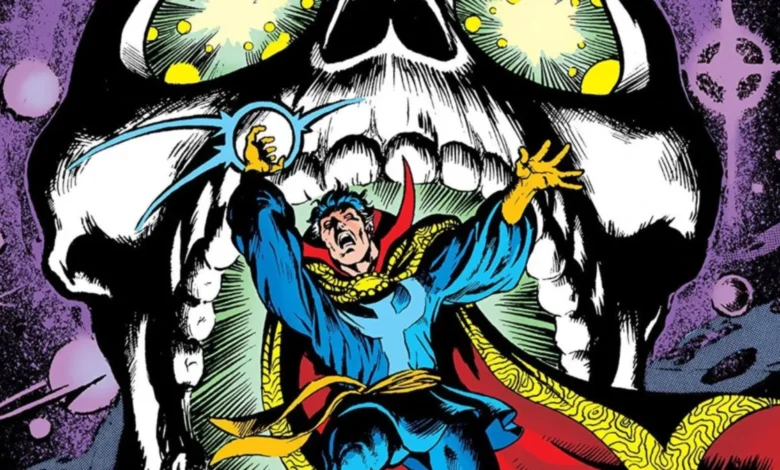
Doctor Stephen Vincent Strange has stood as one of Marvel Comics’ most uniquely bizarre and profoundly influential superheroes since his groundbreaking introduction in Strange Tales #110 in 1963. Co-created by the legendary duo Stan Lee and Steve Ditko, Strange’s early appearances were initially relegated to a secondary feature within Strange Tales, sharing pages with characters like the Human Torch. However, his distinct blend of mysticism, interdimensional combat, and encounters with cosmic entities quickly set his stories apart from the more conventional superhero narratives Marvel was producing. This foray into the supernatural realm by Doctor Strange was pivotal, opening the floodgates for Marvel to explore horror and occult themes more extensively as the 1960s gave way to the burgeoning experimentalism of the 1970s. His enduring impact on the Marvel Universe, from reshaping its magical landscape to influencing its most significant events, is undeniable.
This article delves into the rich tapestry of Doctor Strange’s comic book history, examining ten of his most iconic and impactful adventures. These narratives span decades, showcasing his evolution from a self-serving surgeon to the selfless Sorcerer Supreme, a defender against mystical threats, and a pivotal member of secret cabals. From profound moral dilemmas that challenged his very oath to cosmic confrontations that redefined the nature of magic, these stories illuminate why Stephen Strange remains a cornerstone of the Marvel pantheon.
The Genesis of the Sorcerer Supreme: Doctor Strange’s Early Impact
Doctor Strange’s debut in Strange Tales #110 (July 1963) marked a significant departure for Marvel. While the publisher was known for its scientific heroes, Strange plunged readers into a world of ancient spells, Eldritch horrors, and mind-bending realities. Stan Lee’s conceptualization of a "magician" character was brought to vivid life by Steve Ditko’s unparalleled artistic vision. Ditko’s unique, psychedelic landscapes, intricate mystical gestures, and otherworldly dimensions not only defined the visual aesthetic of Doctor Strange but also established a new benchmark for depicting magic in comics. This distinctive style, blending Eastern mysticism with surrealism, resonated deeply with the counter-culture sensibilities of the era.
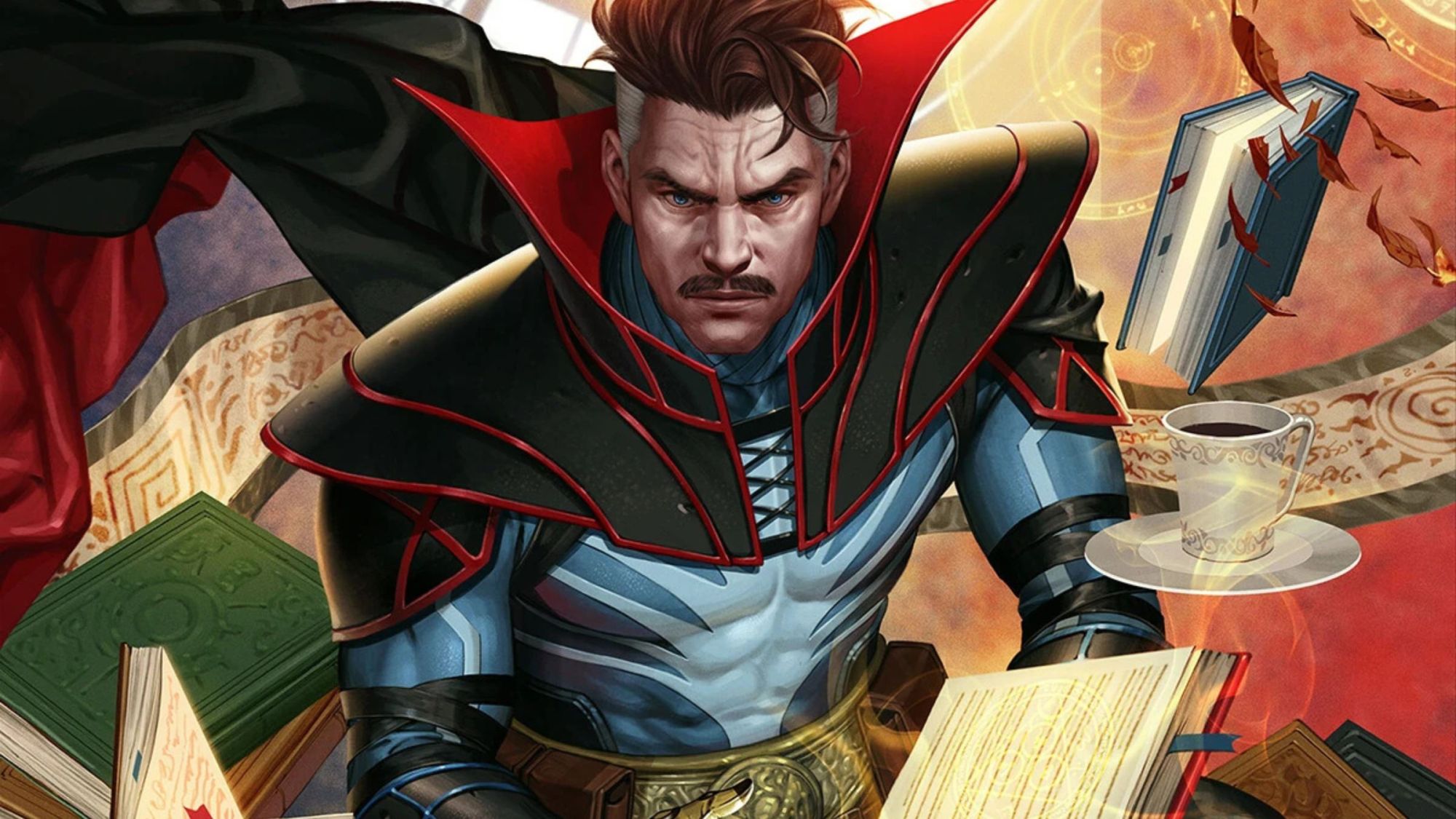
Strange’s origin story, that of a brilliant but arrogant surgeon whose hands are irreparably damaged, leading him to seek a cure and ultimately find a new purpose as a master of the mystic arts under the tutelage of the Ancient One, provided a compelling character arc. It grounded his fantastical abilities in a very human struggle for redemption and self-discovery. The character quickly cultivated a dedicated following, demonstrating Marvel’s capacity to diversify its superhero portfolio beyond the traditional science-fiction and super-powered archetypes. By introducing concepts like the Multiverse, cosmic entities like Eternity, and powerful artifacts such as the Eye of Agamotto and the Cloak of Levitation, Strange’s early adventures laid the groundwork for the expansive, interconnected mystical universe that Marvel continues to explore today. His success paved the way for other supernatural characters and themes to flourish, solidifying his status as a true innovator within the comic book medium.
Defining Chapters: A Deep Dive into Doctor Strange’s Most Impactful Stories
The following list explores ten of Doctor Strange’s most celebrated and pivotal comic book narratives, each leaving an indelible mark on the character and the broader Marvel Universe.
10) "The Last Days of Magic" (2016)
Publication Details: Doctor Strange (Vol. 4) #6-10 (2016)
Creative Team: Jason Aaron (writer), Chris Bachalo (artist)
"The Last Days of Magic" served as a critical arc within the "All-New, All-Different Marvel" relaunch, an initiative by Marvel Comics in 2015 to refresh its entire line after the Secret Wars event. This storyline, following directly from the "Way of the Weird" arc, dramatically redefined the very nature and cost of magic in the Marvel Universe. Writers Jason Aaron and artist Chris Bachalo crafted a narrative where the use of magic was depicted as a physically and spiritually draining endeavor, leaving Stephen Strange in escalating pain and deterioration. The story saw the Empirikul, a science-worshipping cult from another dimension, systematically destroying all sources of magic across various dimensions, including Earth.

The implications of this storyline were profound. It stripped Doctor Strange of nearly all his spells and mystical artifacts, forcing him to confront his limitations and rebuild his connection to magic from a fundamentally altered perspective. This vulnerability humanized Strange, showcasing his resilience not just as a powerful sorcerer, but as a survivor battling against overwhelming odds. The narrative explored themes of sacrifice, the fragility of power, and the necessity of adaptation. Critically, it resonated with readers for its bold deconstruction of the character’s traditional power set and its visually stunning, often grotesque, depiction of the costs of magic. The arc’s conclusion left the magical landscape of the Marvel Universe permanently changed, underscoring the idea that even the most formidable powers come with a heavy toll.
9) Doctor Strange: Master of the Mystic Arts (1974–1976)
Publication Details: Doctor Strange (Vol. 2) #1-18 (1974-1976)
Creative Team: Steve Englehart (writer), Frank Brunner (artist), Gene Colan (artist)
The mid-1970s saw Doctor Strange truly ascend to new heights of cosmic and metaphysical exploration under the masterful guidance of writer Steve Englehart and artists Frank Brunner and Gene Colan. This era, which began with the character transitioning from Marvel Feature into his own dedicated ongoing series, Doctor Strange: Master of the Mystic Arts, pushed the boundaries of psychedelic storytelling in comics. Englehart, known for his philosophical and mind-bending narratives, immersed Strange in some of Marvel’s most ambitious and abstract adventures.
Key moments included Strange’s profound encounters with cosmic entities like Death and Eternity, delving into the very fabric of existence. The series famously featured the "Sise-Neg Saga," where Strange pursued a powerful entity through time to prevent it from recreating the universe, and a memorable crossover with Dracula, demonstrating the breadth of mystical threats he faced. This run was praised for its imaginative scope, rich character development, and its willingness to tackle complex philosophical concepts. The artistic contributions of Brunner and Colan were crucial, with their dynamic and often surreal artwork perfectly complementing Englehart’s narratives, creating a truly immersive mystical experience. This period established a foundational template for all subsequent Doctor Strange stories, cementing his role as the ultimate defender against threats that transcended mere physical boundaries. Its influence can be seen in how future writers approached the character’s cosmic journeys and the inherent strangeness of his world.
8) Damnation (2018)
Publication Details: Damnation #1-4 (2018), with tie-ins in Doctor Strange, Iron Fist, Ben Reilly: Scarlet Spider, and Daredevil
Creative Team: Donny Cates, Nick Spencer (writers), Rod Reis (artist)
Damnation was a four-issue event series released in 2018 that thrust Doctor Strange into a direct confrontation with one of Marvel’s most formidable demonic entities, Mephisto. The narrative served as a direct follow-up to the events of Secret Empire, where Las Vegas had been destroyed. In a misguided attempt to resurrect the city using borrowed Asgardian magic from the World Tree, Doctor Strange inadvertently opened a gateway for Mephisto to claim Las Vegas, transforming it into his personal inferno: the Hotel Inferno.
The storyline saw Mephisto corrupting several prominent Marvel heroes, turning them into twisted versions of Ghost Rider, forcing Strange to assemble a team of supernatural heroes to combat the demonic invasion. The core of the event revolved around a high-stakes game between Doctor Strange and Mephisto, with Strange’s very soul on the line. Damnation explored themes of consequence, the corrupting influence of power, and the moral compromises heroes sometimes make. While Mephisto ultimately maintained his dominion over Vegas at the event’s conclusion, the series was lauded for its high-stakes drama, the unique concept of a demonic Las Vegas, and its portrayal of Strange’s unwavering determination against overwhelming evil. It underscored Strange’s willingness to gamble everything, even his soul, for the greater good, further solidifying his position as Marvel’s primary magical defender.
7) New Avengers: Illuminati (2007)
Publication Details: New Avengers: Illuminati #1-5 (2007)
Creative Team: Brian Michael Bendis (writer), Jim Cheung (artist)
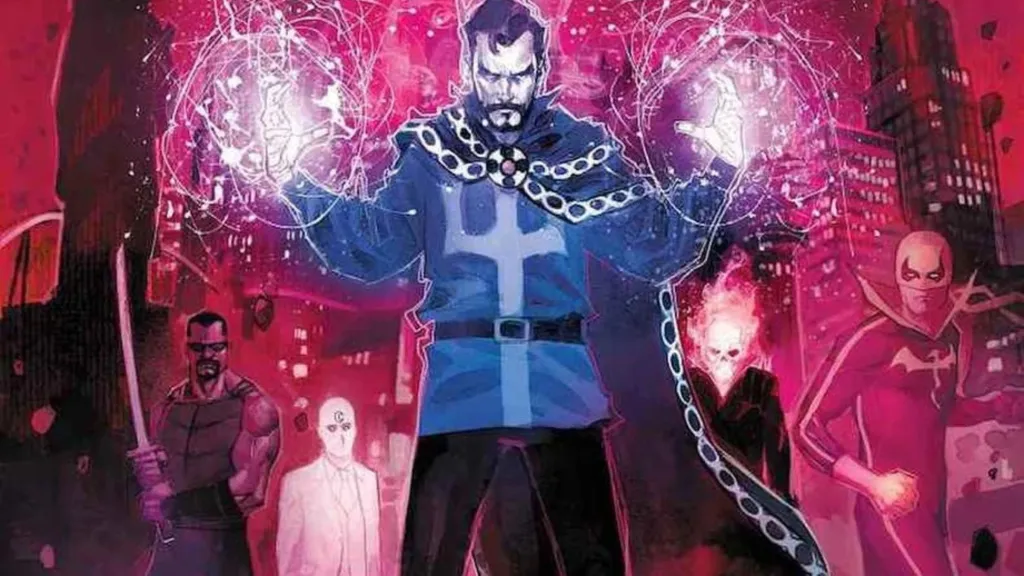
While Doctor Strange was a prominent member of the New Avengers, his involvement in the covert organization known as the Illuminati showcased a more morally ambiguous facet of his character. New Avengers: Illuminati, a miniseries launched in 2007, explored the clandestine activities of this secret council, composed of the most influential minds and leaders of the Marvel Universe. The series famously retconned several past events, revealing that this group had secretly convened and influenced major decisions behind the scenes for years, often causing as much trouble as they prevented.
Doctor Strange, alongside Iron Man, Mister Fantastic, Professor X, Black Bolt, and Namor, formed this shadowy cabal, each representing a different power block within the Marvel hierarchy. One of the most significant actions detailed in the series was their decision to gather all six Infinity Gems and split them among themselves for safekeeping, with Strange entrusted with the potent Soul Gem. Another controversial decision was their unanimous agreement to banish the Hulk from Earth to the distant planet Sakaar, an act that directly precipitated the events of World War Hulk. This series fundamentally altered the perception of these heroes, portraying them as fallible individuals making difficult, often questionable, choices for what they believed was the greater good. It highlighted Strange’s role as the magical voice of reason (or sometimes, radical action) within this powerful, secretive group, demonstrating his influence extended far beyond just mystical threats to the geopolitical and cosmic balance of the Marvel Universe.
6) "Way of the Weird" (2015)
Publication Details: Doctor Strange (Vol. 4) #1-5 (2015)
Creative Team: Jason Aaron (writer), Chris Bachalo (artist)
"Way of the Weird" marked the spectacular beginning of Jason Aaron and Chris Bachalo’s critically acclaimed run on Doctor Strange in 2015. As the inaugural arc of the "All-New, All-Different Marvel" series, it served as an excellent jumping-on point for both new and long-time readers, providing a fresh perspective on the Sorcerer Supreme. This storyline was instrumental in setting the stage for the subsequent "Last Days of Magic" arc by introducing the central premise that magic, while powerful, comes at a significant, often grotesque, physical cost to its practitioners.

Aaron and Bachalo vividly illustrated Strange’s struggle with these escalating side effects, showing magic as a raw, visceral force that literally tore at his body and spirit. This approach made magic feel more dangerous and less like an effortless power, adding a new layer of vulnerability and sacrifice to Strange’s character. Beyond the internal struggle, the series also brilliantly expanded the physical and metaphysical dimensions of the Sanctum Sanctorum, Strange’s iconic residence. It revealed hidden, otherworldly libraries, sentient demonic refrigerators, and reality-jumping doors, transforming his home into a living, breathing, and incredibly weird extension of his mystical life. "Way of the Weird" was praised for its innovative storytelling, its darker and grittier tone, and Bachalo’s distinctive, dynamic artwork, which perfectly captured the bizarre and horrifying aspects of Strange’s world. It successfully modernized the character while honoring his unique legacy.
5) Doctor Strange: The End (2020)
Publication Details: Doctor Strange: The End (One-shot) (2020)
Creative Team: Leah Williams (writer), Filipe Andrade (artist)
Doctor Strange: The End is a poignant one-shot story released in 2020 as part of Marvel’s "The End" series, which explored potential final chapters for various iconic characters. This particular narrative presented a melancholic, cyberpunk future Earth where magic has been all but extinguished. Stephen Strange is depicted as an aged, weary sorcerer, the last remaining practitioner of the mystic arts in a world dominated by advanced technology and a profound absence of wonder.
The plot sees the elderly Strange embark on a final, desperate mission to confront a malevolent entity known as the All-Consuming End, a being that feeds on the death and absence of magic. The story is a profound meditation on themes of memory, legacy, and the enduring spirit of hope in a dying world. It delves into Strange’s reflections on his long life, his past battles, and his responsibility to ensure that magic, in some form, survives. Filipe Andrade’s stylized art, characterized by its ethereal quality and evocative color palette, perfectly complemented Leah Williams’ reflective and emotionally resonant script. Doctor Strange: The End was lauded for its unique take on a possible future for the character, its deeply introspective tone, and its ability to deliver a powerful character study within a single issue, showcasing Strange’s unwavering commitment to his duties even in the face of inevitable entropy.

4) Strange Tales #110–168 (1963-1968)
Publication Details: Strange Tales #110-168 (1963-1968)
Creative Team: Stan Lee (writer), Steve Ditko (artist)
The initial run of Doctor Strange in Strange Tales from #110 to #168 is the foundational text for everything that came after. Beginning as an eight-page backup story to the Human Torch feature, it quickly became evident that Stan Lee and Steve Ditko had tapped into something extraordinary. Ditko’s unparalleled creativity was on full display here, as he single-handedly crafted the visual lexicon for Doctor Strange’s mystical realm. His distinctive, often abstract, and always imaginative artwork established the template for how magic, other dimensions, and cosmic entities would be depicted in comics for decades.
This formative period introduced nearly all of the core elements and characters that define Doctor Strange’s world. Readers met Wong, Strange’s loyal valet and confidante; the Ancient One, his wise and powerful mentor; Baron Mordo, his treacherous rival; Clea, his eventual love interest and powerful sorceress from the Dark Dimension; and the terrifying Dormammu, the undisputed ruler of the Dark Dimension and one of Strange’s most enduring foes. Other significant introductions included the Mindless Ones, Eternity, and the Living Tribunal, expanding the cosmic hierarchy of the Marvel Universe. The popularity of Doctor Strange’s adventures grew so rapidly that by Strange Tales #169, he was granted his own full-length title, Doctor Strange (Vol. 1), taking over the entire book. This era is not just important for Strange, but for Marvel Comics as a whole, as it demonstrated the publisher’s willingness to venture into the esoteric and the uncanny, significantly broadening the scope of what superhero comics could be.
3) Doctor Strange and Doctor Doom: Triumph and Torment (1989)
Publication Details: Doctor Strange and Doctor Doom: Triumph and Torment (Graphic Novel) (1989)
Creative Team: Roger Stern (writer), Mike Mignola (artist)
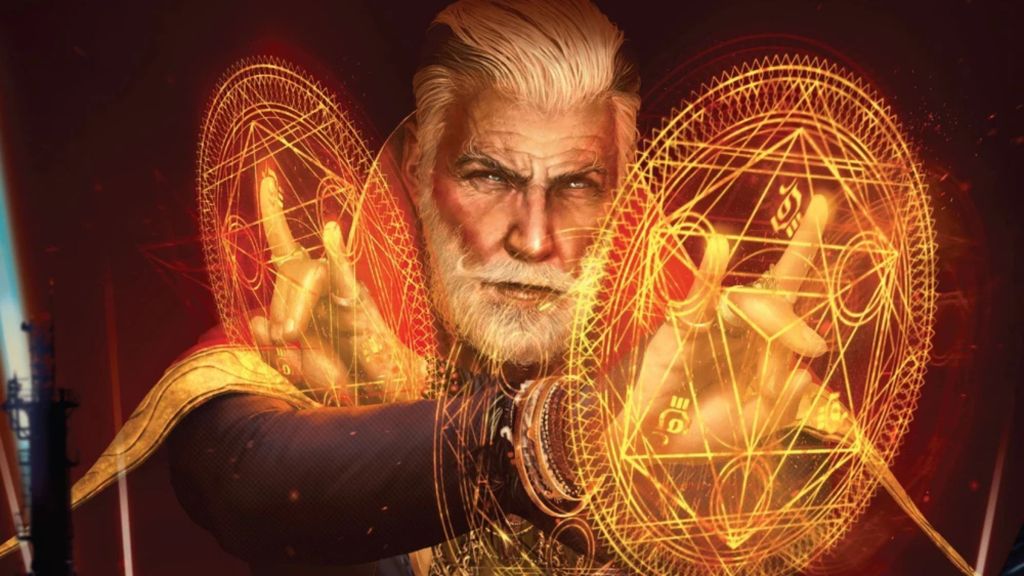
Doctor Strange and Doctor Doom: Triumph and Torment is a landmark graphic novel from 1989 that masterfully brought together two of Marvel’s most complex and powerful characters. Written by Roger Stern and featuring the distinctive, atmospheric artwork of Mike Mignola (who would later gain immense fame for Hellboy), this story is a deep dive into the motivations and moral codes of both Stephen Strange and Victor Von Doom. The narrative begins with Strange winning a contest of sorcerers convened by the omnipotent Vishanti, earning him the unfortunate "honor" of assisting the runner-up: Doctor Doom.
What follows is an extraordinary and uneasy alliance. Strange, bound by the Vishanti’s decree, helps Doom enhance his magical abilities so they can journey together into the infernal realm of Mephisto. Doom’s objective is deeply personal: to free the soul of his mother, Cynthia Von Doom, from eternal damnation, a torment that has haunted him since childhood. The story meticulously explores the contrasting ethical frameworks of Strange, who embodies selflessness, and Doom, whose actions, however noble in intent, are often driven by pride and a twisted sense of justice. Mignola’s artwork is a standout, with its heavy shadows, dramatic compositions, and gothic aesthetic perfectly capturing the grim atmosphere of Mephisto’s domain. The graphic novel’s impact was significant, offering unparalleled insight into Doom’s psyche and showcasing Strange’s unwavering commitment to his oath, even when aiding a sworn enemy. Furthermore, the magic Strange imparted to Doom would prove crucial, foreshadowing Doom’s eventual ascension to the role of Sorcerer Supreme in later storylines, decades after this initial collaboration.
2) The Death of Doctor Strange (2021–2022)
Publication Details: The Death of Doctor Strange #1-5 (2021-2022)
Creative Team: Jed MacKay (writer), Lee Garbett (artist)
The Death of Doctor Strange was a five-issue miniseries published from 2021 to 2022 that delivered a seismic shock to the mystical foundations of the Marvel Universe. Written by Jed MacKay with art by Lee Garbett, this event did precisely what its title proclaimed: it orchestrated the murder of Stephen Strange, the Sorcerer Supreme, plunging the Marvel world into a state of magical vulnerability. The series opened with a chilling murder mystery, as Strange is found dead in the Sanctum Sanctorum, his hands removed, and iconic artifacts like the Eye of Agamotto and Cloak of Levitation stolen.

With Earth’s primary magical defender gone, a powerful, ancient magical barrier protecting the planet from extra-dimensional threats crumbles, unleashing a wave of new, terrifying dangers. A younger, time-traveling version of Doctor Strange emerges to lead the investigation into his own murder and protect Earth in his predecessor’s absence. The series skillfully balanced a compelling whodunit with epic battles against various mystical invaders. The ultimate implication of this event was a radical shift in the status quo of Marvel’s magic. Following Strange’s death, his long-time love interest and powerful sorceress, Clea, stepped up to claim the mantle of Sorcerer Supreme, starring in her own subsequent title, Strange. While Stephen Strange eventually returned, this miniseries definitively proved that Marvel could fundamentally alter Strange’s role and still generate compelling, high-stakes narratives, emphasizing the dynamic nature of the Sorcerer Supreme title. It also highlighted the ongoing evolution of the mystical hierarchy, with characters like Scarlet Witch eventually holding the title, underscoring the constant flux of power in the Marvel Universe.
1) "The Oath" (2006)
Publication Details: Doctor Strange: The Oath #1-5 (2006)
Creative Team: Brian K. Vaughan (writer), Marcos Martin (artist)
Widely regarded as one of, if not the, definitive Doctor Strange stories, Brian K. Vaughan and Marcos Martin’s "The Oath" (2006) stands as a masterpiece of character-driven storytelling within the mystical genre. This five-issue miniseries offered a fresh, accessible entry point for new readers while deeply enriching the established lore for long-time fans. The story commences with a shocking event: Strange is shot with a silver bullet, collapsing into Night Nurse’s clinic, a secret haven for injured heroes. This personal attack propels Strange into a gripping murder investigation, simultaneously interwoven with a desperate quest to find a cure for Wong, his loyal friend and assistant, who is suffering from an inoperable brain tumor.
The narrative culminates in a profound moral dilemma that cuts to the core of Stephen Strange’s identity. He uncovers Otkid’s Elixir, a miraculous, universal cure for cancer, but is faced with the agonizing choice: use the limited supply to save Wong, his closest companion, or unleash it upon the world to cure all of humanity, potentially sacrificing Wong in the process. This conflict forces Strange to confront his original medical oath as a doctor against his current responsibilities as the Sorcerer Supreme. "The Oath" is a meticulously plotted thriller, celebrated for its tight script, compelling characterizations, and its humanizing portrayal of Strange. Marcos Martin’s art is exquisite, blending classic comic book aesthetics with a modern sensibility, perfectly capturing both the quiet drama and the fantastical elements. The series earned critical acclaim for its mature themes, its exploration of ethical responsibility, and its ability to ground the cosmic protector in a deeply personal and emotionally resonant struggle. It cemented Doctor Strange’s legacy not just as a powerful magician, but as a hero profoundly shaped by his medical past and a complex moral compass.
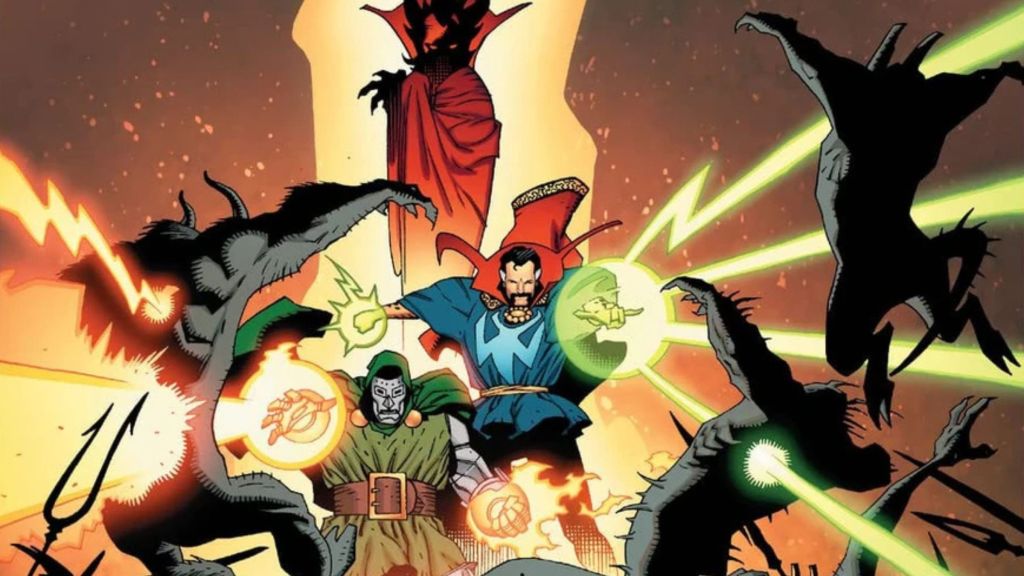
The Evolution of the Mystic Arts in the Marvel Universe
The selected stories collectively illustrate the profound and continuous evolution of Doctor Strange and the mystical landscape of the Marvel Universe. From his inception, Strange was conceived as a character who would push the boundaries of reality, bringing elements of fantasy, horror, and cosmic wonder into a superhero world predominantly defined by science. The early Strange Tales run established the fundamental vocabulary of Marvel magic, introducing iconic characters, spells, and artifacts that would become cornerstones of the universe.
The 1970s, exemplified by Doctor Strange: Master of the Mystic Arts, saw a deepening of these mystical explorations, venturing into abstract philosophical concepts and grand cosmic narratives that expanded the very definition of a superhero adventure. This era solidified Strange’s role as a guardian against threats that transcended mere physical combat, requiring intellectual prowess, spiritual fortitude, and an understanding of esoteric laws.
Later stories, such as "The Oath" and "Way of the Weird," brought a renewed focus on the personal cost and ethical complexities of wielding such immense power. They humanized the Sorcerer Supreme, reminding readers of his medical origins and the sacrifices inherent in his magical duties. These narratives highlighted the vulnerability that underlies his omnipotence, making him a more relatable and compelling figure.
Event-driven stories like New Avengers: Illuminati and Damnation showcased Strange’s integration into the broader Marvel tapestry, demonstrating his crucial role in addressing universe-level threats and participating in morally ambiguous decisions that had far-reaching consequences. These stories positioned him not just as a mystical protector but as a key player in the clandestine operations and strategic planning of Earth’s mightiest heroes.
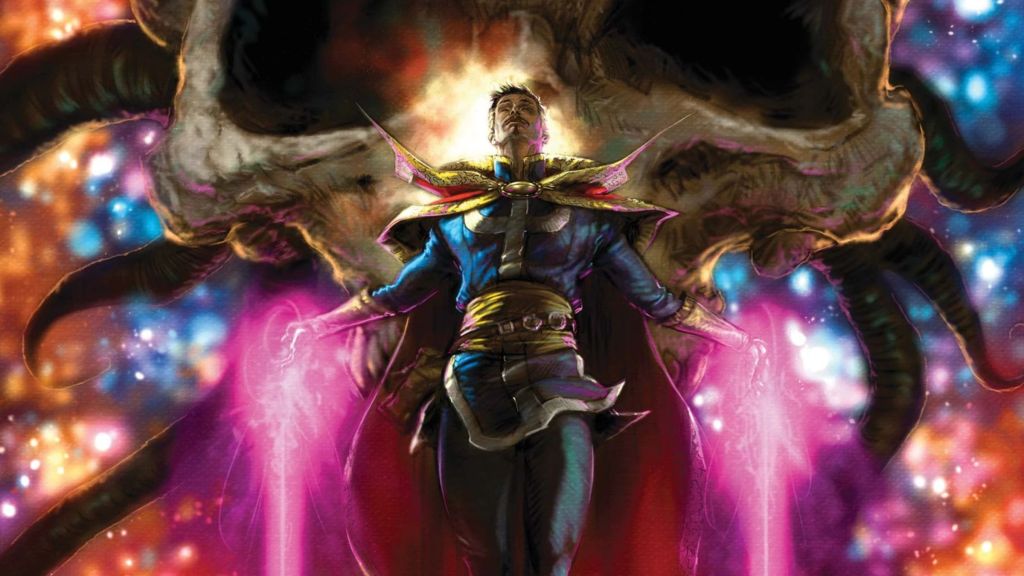
Most recently, "The Death of Doctor Strange" profoundly reshaped the mystical hierarchy, emphasizing the idea that the title of Sorcerer Supreme is not immutable and can be passed on, leading to new character dynamics and explorations of leadership. This constant evolution ensures Doctor Strange remains relevant, adapting to new narrative trends while retaining his core identity as Marvel’s foremost practitioner of the mystic arts. His journey, as chronicled through these influential stories, is a testament to the enduring power of imagination and the endless possibilities of magic in storytelling.