The Sihoo B300 Pro sets a new benchmark for ergonomic workspace solutions through advanced modular adjustability

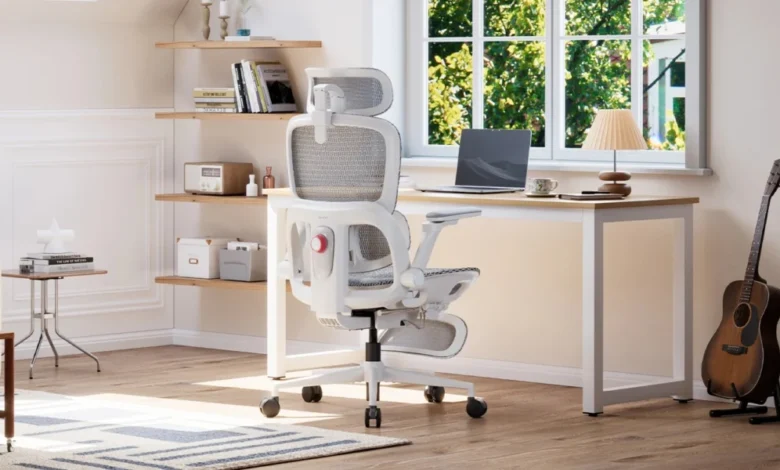
A modern Mac-centric workspace is often defined by the power of the silicon within the machine, the clarity of the Retina display, and the seamless integration of peripherals. Yet, the most critical component of a professional environment—the interface between the user and their tools—is frequently overlooked: the office chair. As the average knowledge worker spends upwards of 40 hours per week at their desk, the physical implications of poor posture have prompted a significant shift in how tech-focused professionals approach their seating arrangements. The introduction of the Sihoo B300 Pro marks a strategic evolution in this market, focusing on hyper-customization and biomechanical support to address the long-term health requirements of sedentary professionals.
The Evolution of Ergonomic Standards
The history of ergonomic office furniture has transitioned from rigid, static seating to dynamic systems that react to the human form. In the early 2000s, the focus was primarily on lumbar support. By the 2010s, the industry moved toward weight-sensitive tilt mechanisms. The current era, represented by the B300 Pro, emphasizes 6D adjustability, reflecting a deeper understanding of how modern workflows involve shifting between tablets, laptops, and traditional desktop workstations.
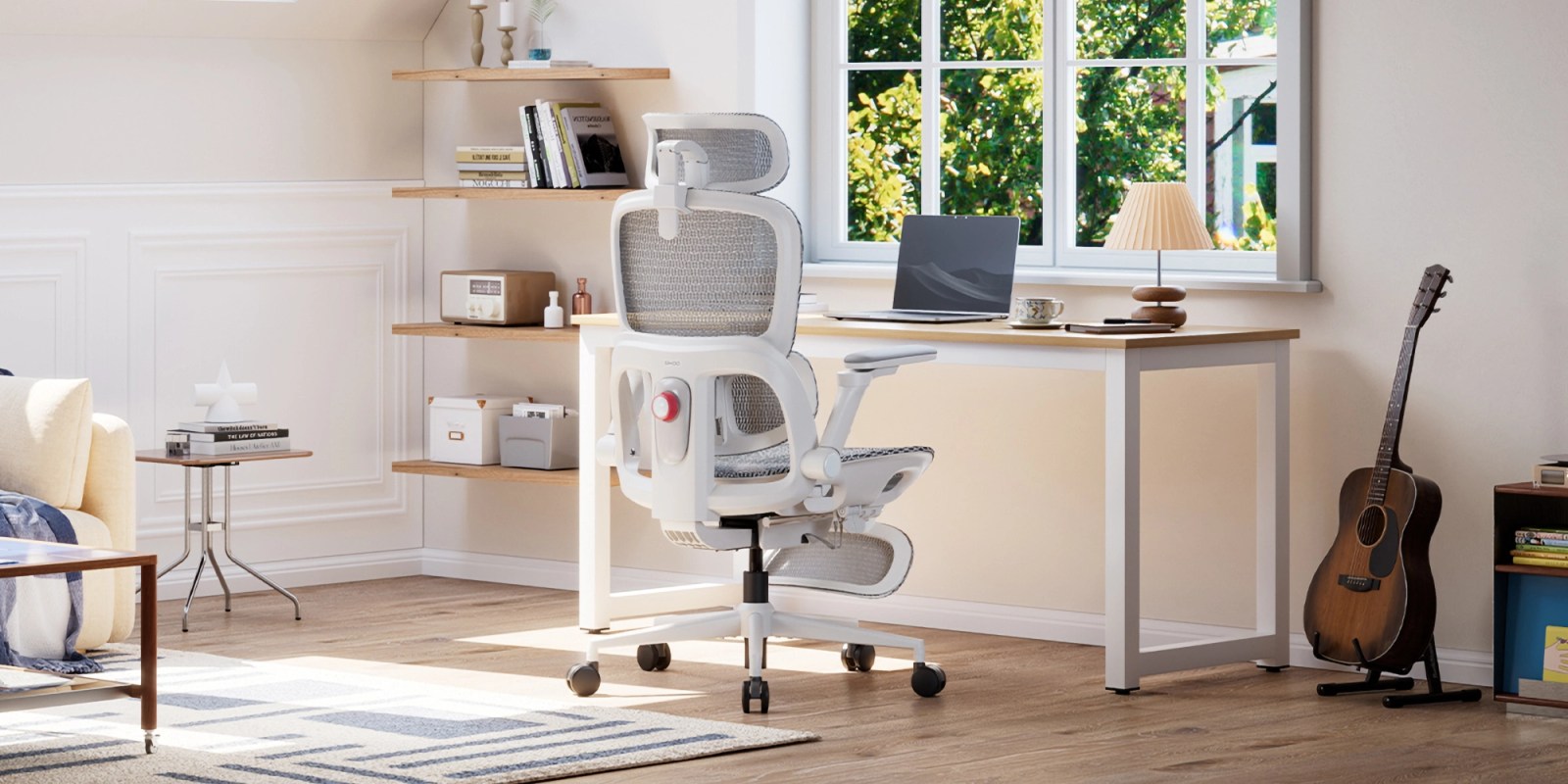
Data from the Occupational Safety and Health Administration (OSHA) indicates that musculoskeletal disorders remain the most common cause of workplace injuries, frequently linked to repetitive strain and improper seating ergonomics. By integrating 4D MicroFit Lumbar Support alongside 6D armrests, the B300 Pro aims to mitigate these risks by allowing the chair to function as an extension of the user’s physical frame rather than a static platform.
Biomechanical Precision and Lumbar Engineering
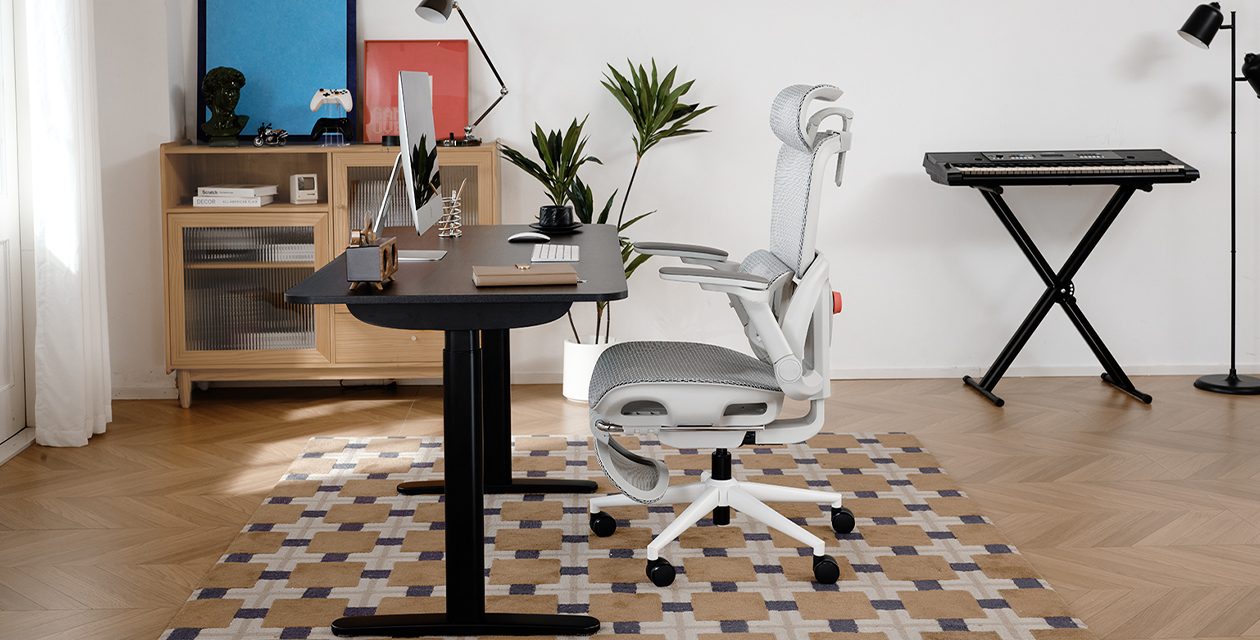
The cornerstone of the B300 Pro is the 4D MicroFit Lumbar Support system. Unlike traditional fixed-back chairs that offer a singular point of pressure, this system utilizes a multidimensional approach to spinal alignment. The lumbar module is engineered to adjust in both height and depth, accommodating the natural curvature of the spine.
From a physiological perspective, lumbar support is essential for maintaining the lumbar lordosis—the inward curve of the lower back—which is often lost when a person slouches during prolonged periods of screen time. By providing dynamic support that tracks the user’s movement, the B300 Pro ensures that the spine remains neutral, reducing the intradiscal pressure that typically leads to chronic lower back pain. This level of customization is particularly relevant for shared workspaces or households where multiple users with different physiological profiles utilize the same equipment.
Modular Flexibility: The 6D Armrest System
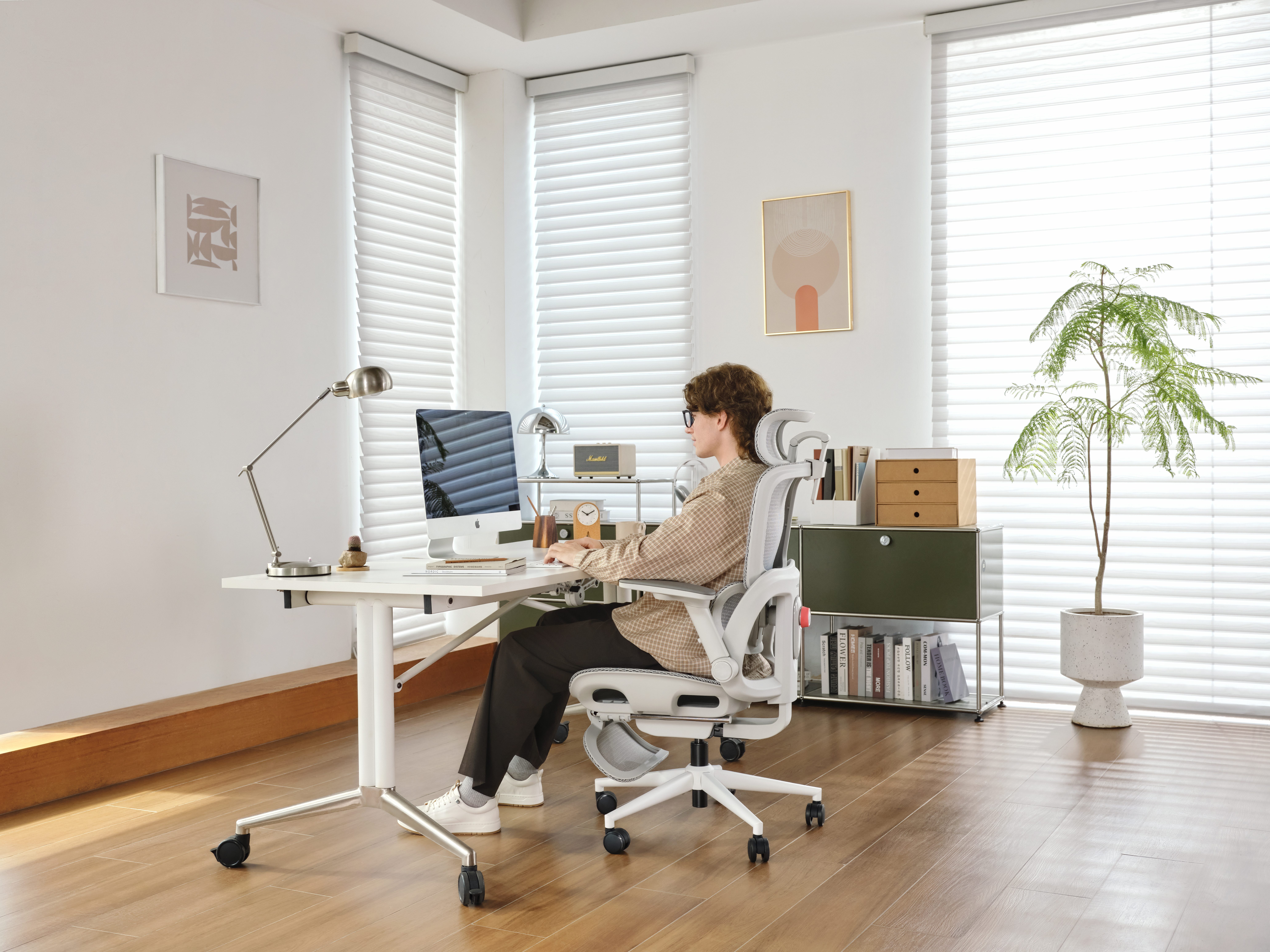
One of the most distinct features of the B300 Pro is its 6D All-around Armrest system. In an era where a user might transition from a mechanical keyboard to an iPad Pro or a smartphone within a single hour, the need for arm support is fluid. Conventional 3D armrests—which typically adjust only for height, width, and depth—are often insufficient for modern multitasking.
The B300 Pro’s 6D system allows for rotation and independent flipping, enabling users to move the supports entirely out of the way or reposition them to accommodate varying desk heights and equipment layouts. This flexibility is not merely a matter of comfort; it is a matter of neurological and muscular efficiency. Proper forearm support prevents the shoulders from hunching, which in turn reduces the risk of tension headaches and upper trapezius strain. By aligning the armrests with the specific input device being used, the user maintains a more natural posture, potentially increasing productivity by reducing physical fatigue.
Structural Customization and Anthropometric Fit
The B300 Pro further distinguishes itself through its granular control over seat depth and backrest height. Anthropometric research highlights that human torso lengths vary significantly, and a chair designed for a 50th-percentile height user may cause discomfort for those who deviate from that average.
The backrest offers 2.2 inches of vertical travel, while the seat depth can be adjusted between 16.5 and 18.5 inches. This ensures that the user’s thighs are properly supported without the seat edge compressing the popliteal space behind the knees, which could otherwise restrict blood circulation. These adjustments allow the chair to accommodate a wide range of body types, moving away from a "one-size-fits-all" approach to a "tailored-to-the-individual" standard.
Intelligent Recline and Dynamic Seating
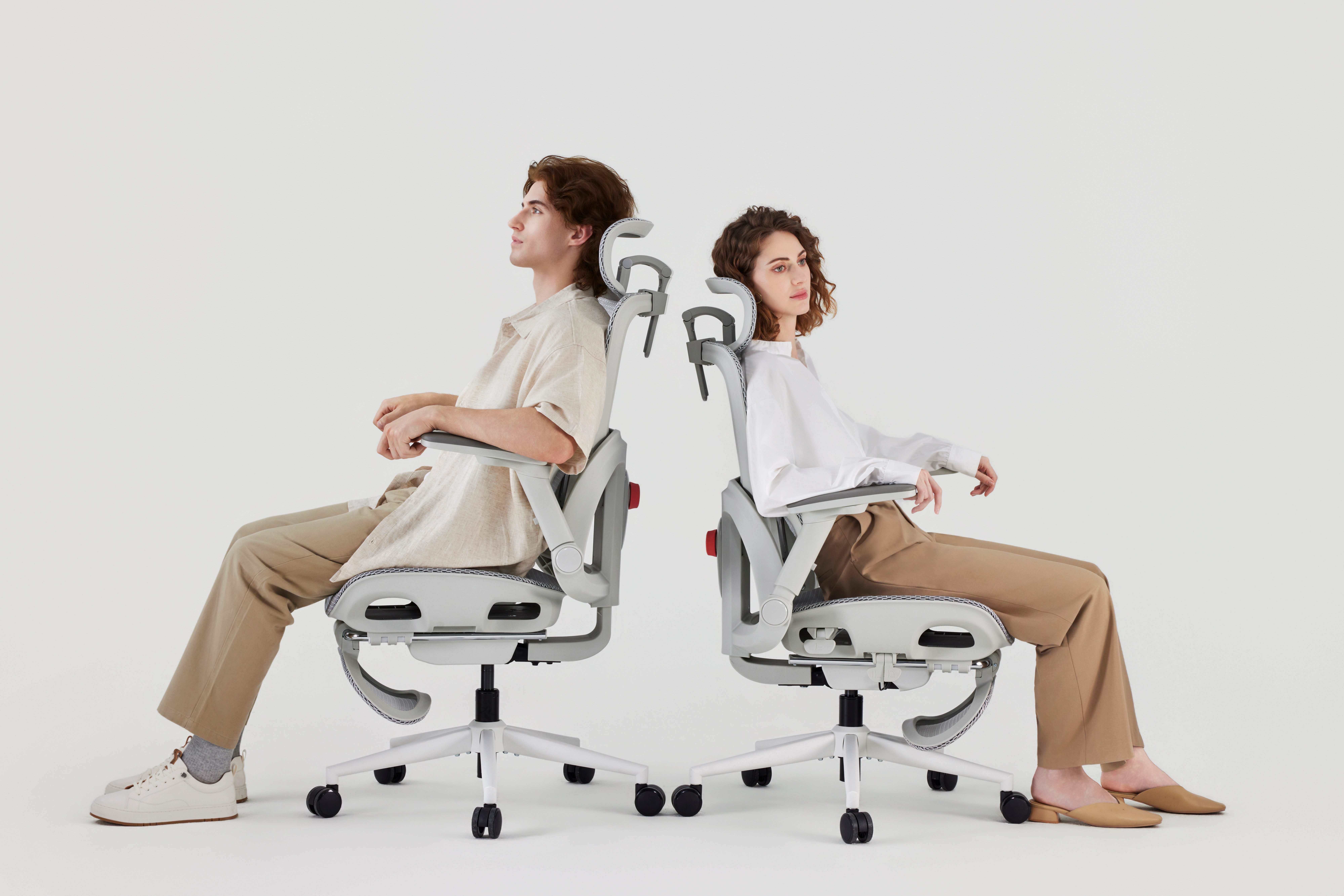
The "active sitting" movement has gained significant traction in ergonomic circles, advocating for movement rather than static posture. The B300 Pro facilitates this through its weight-adaptive, intelligent recline mechanism. By using the user’s own body weight to determine the appropriate level of tension, the chair eliminates the need for manual tension knobs that are often difficult to calibrate correctly.
The inclusion of three specific lockable recline angles—105, 120, and 135 degrees—supports a range of tasks. The 105-degree angle is optimized for high-focus tasks like coding or graphic design. The 120-degree position provides a balanced posture for reading and administrative tasks, while the 135-degree recline offers a restorative position for deep thinking or video conferencing. This range of motion is crucial for maintaining metabolic activity and blood flow during long work sessions.
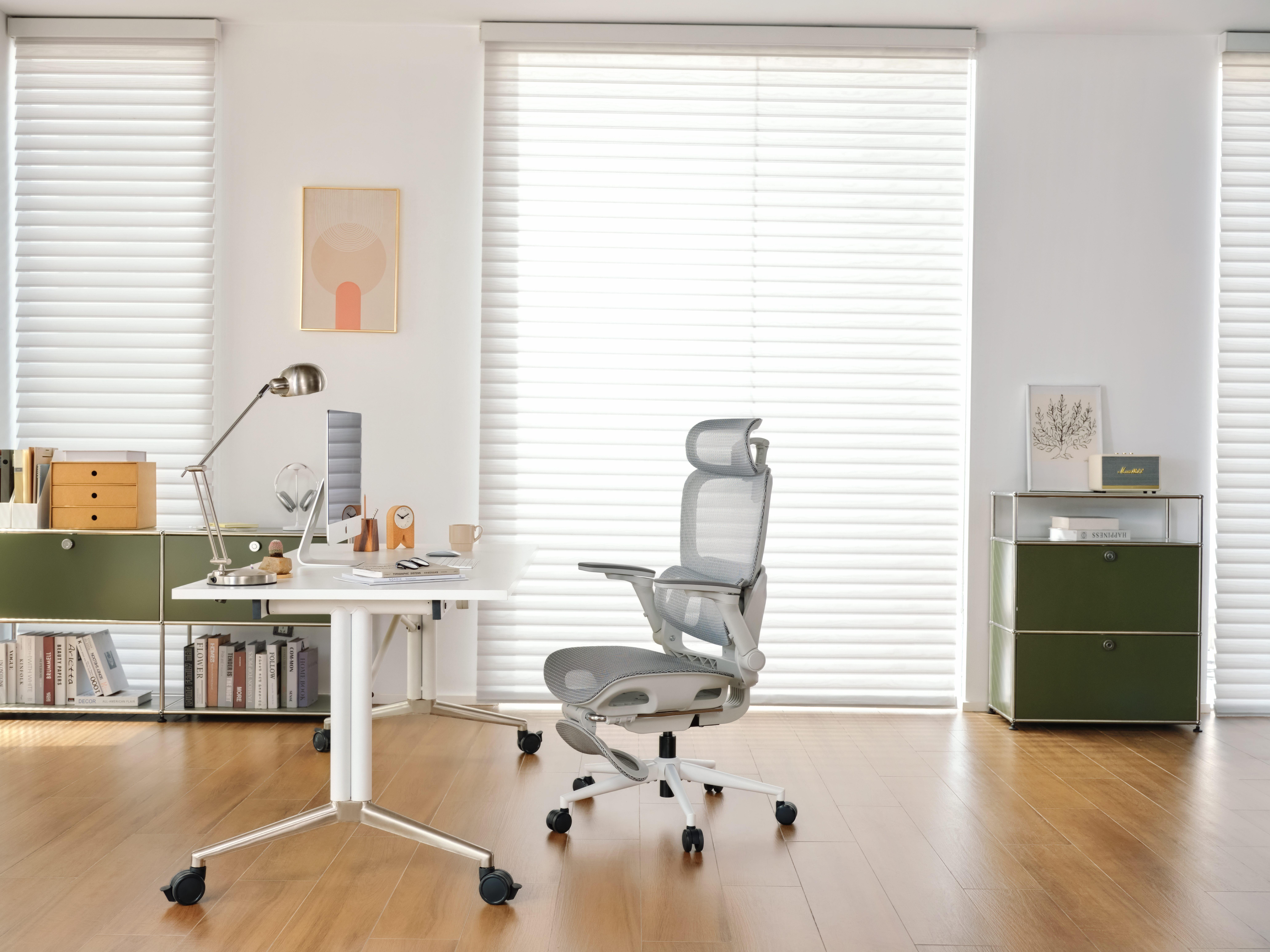
Material Science and Thermal Regulation
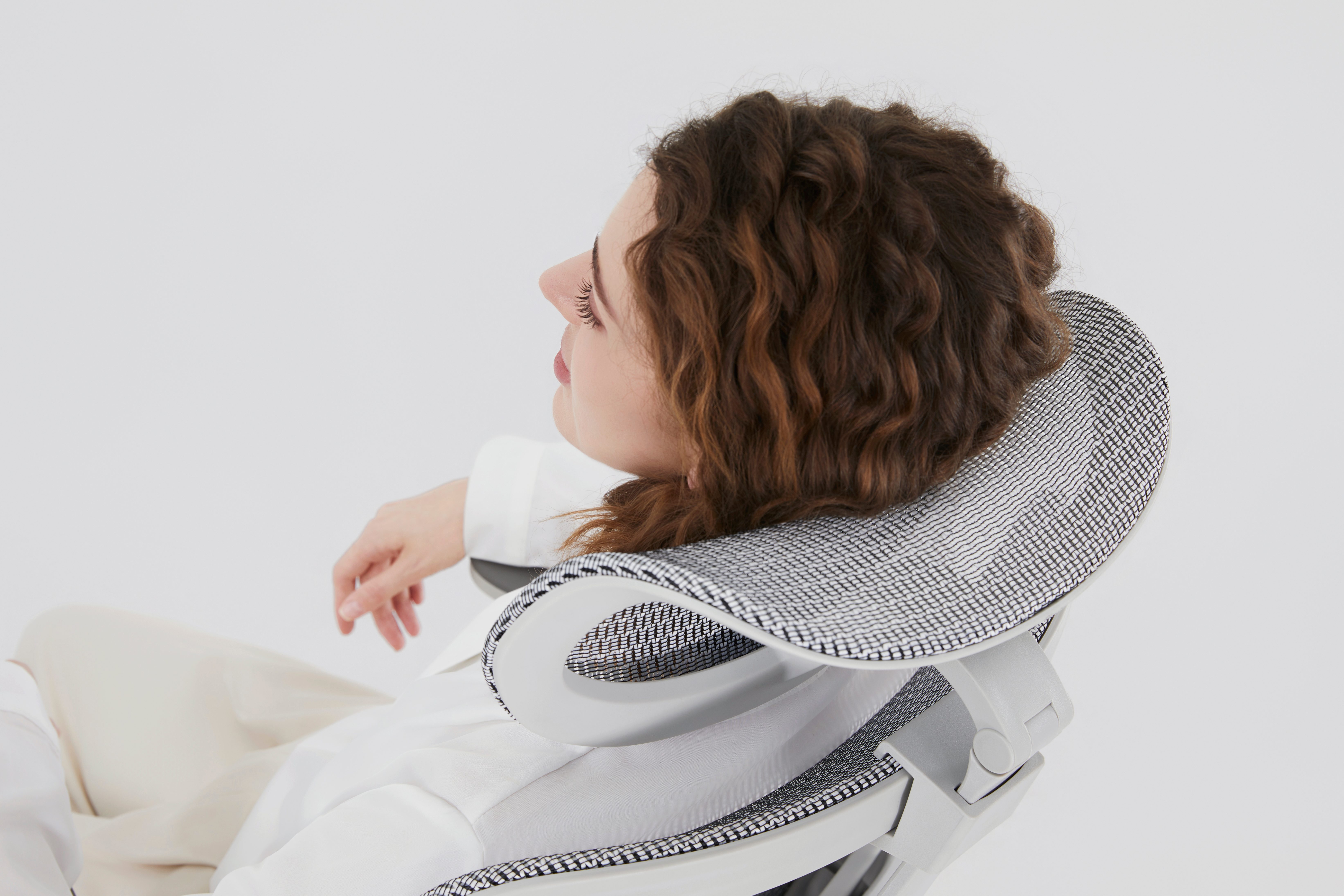
A often-underestimated factor in chair design is material breathability. High-density foam, while initially comfortable, can trap body heat, leading to discomfort over several hours. The B300 Pro utilizes a premium, high-tensile breathable mesh. This material is designed to distribute body weight evenly, reducing pressure points that can restrict blood flow in the gluteal and thigh regions.
The use of mesh also serves a thermal regulation purpose, facilitating airflow that keeps the user cool during high-intensity periods. For users in climate-controlled offices or home environments where temperature regulation is difficult, the mesh interface provides a consistent and comfortable surface throughout the day, regardless of the season.
Market Position and Economic Implications
The pricing strategy for the B300 Pro, starting at $269.99 (with promotional discounts bringing it to $253.79 via the code SIHOO9to5M), positions it as a mid-range entry in a market traditionally dominated by luxury ergonomic brands. This pricing model suggests an attempt to democratize high-end ergonomic features, making them accessible to a broader range of remote workers and home-office setups.
From an organizational impact perspective, the investment in high-quality ergonomic seating is often viewed as a long-term cost-saving measure. By reducing the incidence of work-related physical discomfort, individuals can sustain higher levels of focus and output. The durability of materials and the mechanical robustness of the adjustment systems on the B300 Pro suggest a product intended for a multi-year lifecycle, contrasting with cheaper "fast furniture" alternatives that require frequent replacement.
Future Implications for Home Office Design
As the trend of hybrid and remote work continues to mature, the definition of a "professional office" has permanently shifted toward the home. This shift necessitates a higher standard of equipment. The Sihoo B300 Pro represents the current state of this evolution: a piece of furniture that is not just a place to sit, but a precision instrument for body management.
The integration of such sophisticated mechanical systems into a consumer-accessible price point signals a broader trend in the furniture industry. Manufacturers are increasingly recognizing that the modern user is more informed about ergonomics than ever before. As consumer awareness grows, the baseline expectation for chair functionality will likely continue to rise, forcing competitors to prioritize modularity, material quality, and biomechanical efficacy.
Conclusion
The Sihoo B300 Pro provides a comprehensive suite of features that address the specific needs of modern professionals. By prioritizing 4D lumbar support, 6D armrests, and weight-adaptive recline, the chair moves beyond traditional aesthetics to focus on the tangible benefits of proper support. Whether one is an editor, a software engineer, or a creative professional, the ability to fine-tune one’s seating environment is a critical factor in long-term health and sustained professional performance. With its current market entry, the B300 Pro serves as a testament to the importance of the chair as the foundation of any serious technology-driven workspace.