The Era of the Googlebook Has Arrived: First-Wave Pre-Orders Open as Google Reimagines the Premium Laptop Market

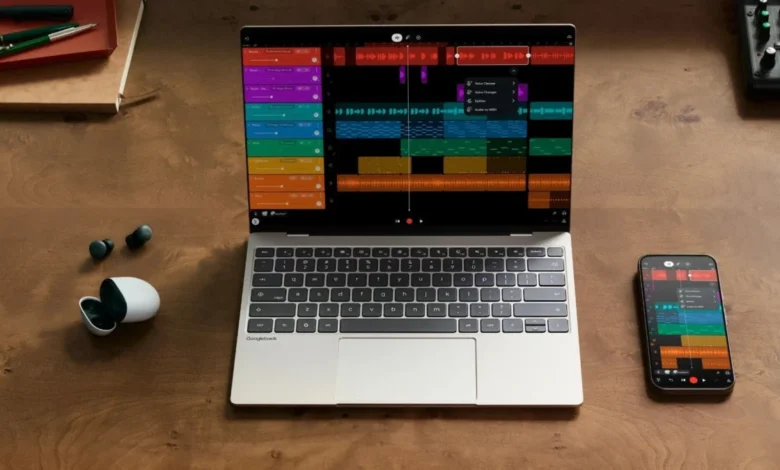
The personal computing landscape underwent a significant shift today as Google officially opened pre-orders for its highly anticipated line of "Googlebooks." Starting September 21, consumers can secure the first wave of these devices, built through strategic hardware partnerships with industry heavyweights including Acer, ASUS, Dell, HP, and Lenovo. Priced starting at $899, this inaugural lineup aims to bridge the gap between mobile operating systems and high-performance desktop productivity, signaling a major evolution in Google’s hardware strategy.
The launch represents years of software refinement and hardware iteration, blending the accessibility of the Android ecosystem with the robust processing power required by modern professionals and creatives. As pre-orders go live across major retailers like Best Buy and the official Google Store, early adopters are getting their first comprehensive look at a device category that Google hopes will redefine what a modern laptop can achieve.
A Collaborative Hardware Effort Built on Premium Materials
Unlike previous experimental hardware rollouts, Google has taken a collaborative approach for the debut of the Googlebook. By partnering with Acer, ASUS, Dell, HP, and Lenovo, the tech giant has ensured that consumers are not locked into a single aesthetic or form factor. Each manufacturer brings its unique industrial design philosophy to the table, resulting in a diverse first wave of devices.
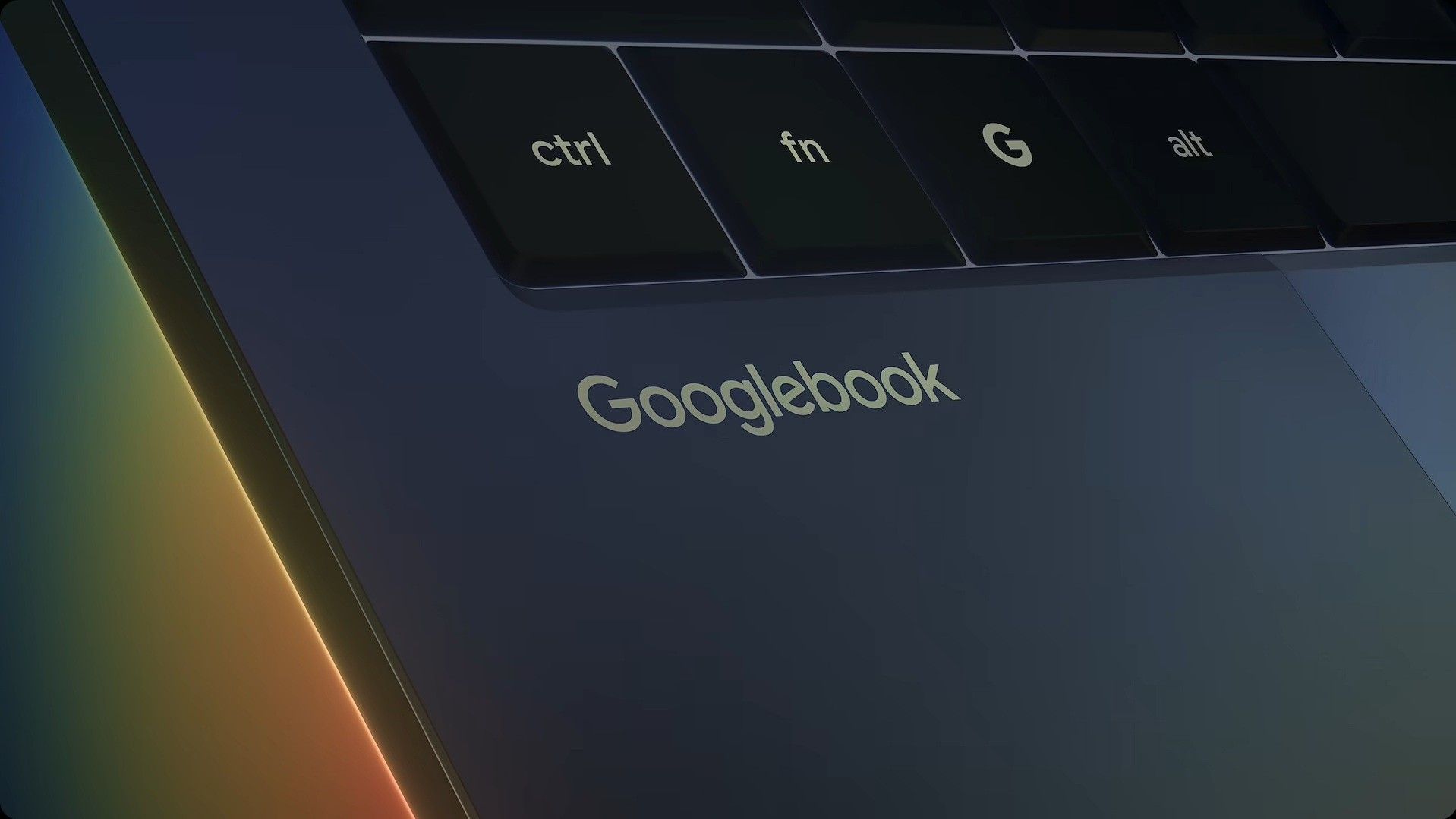
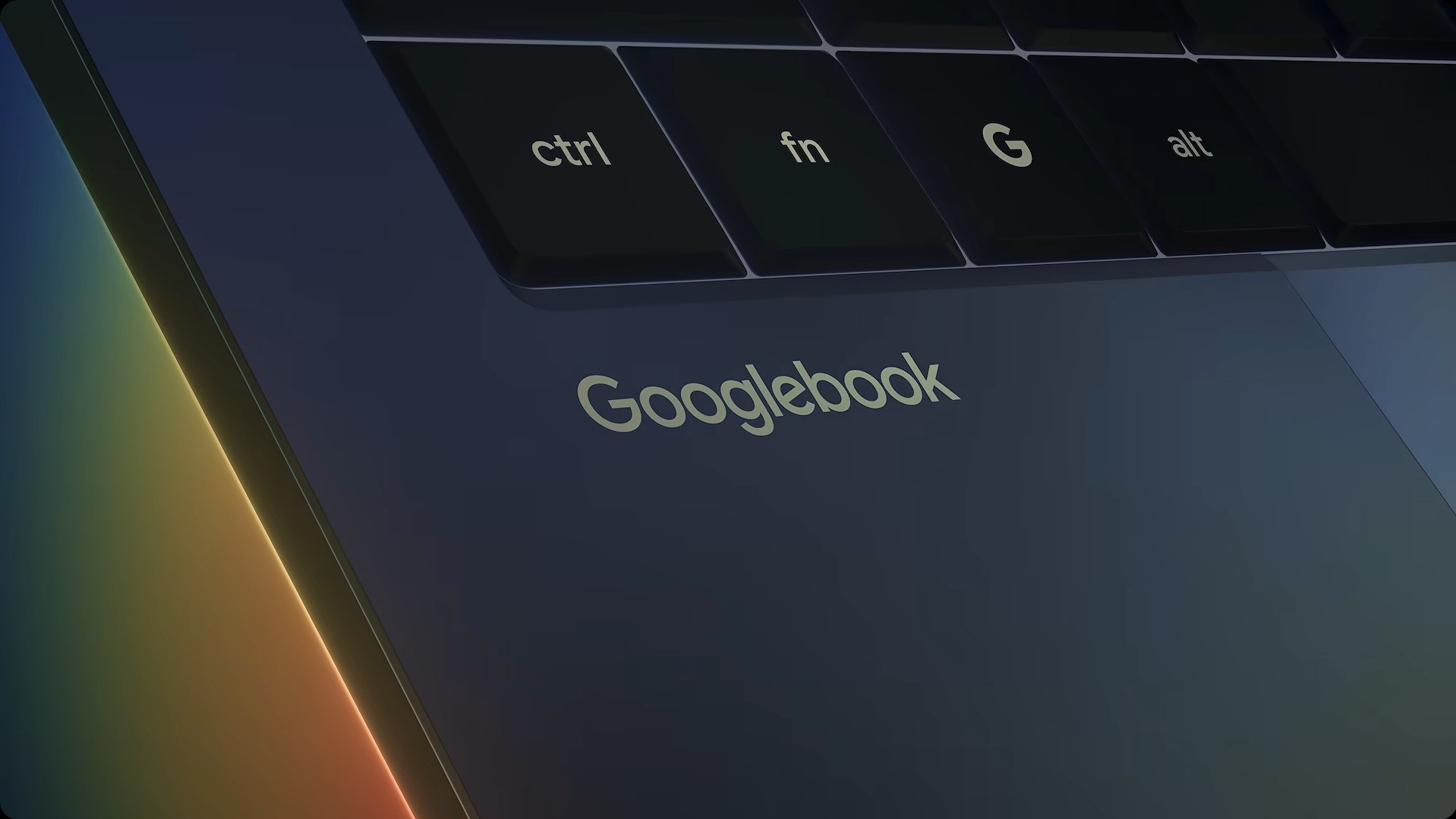
According to official product specifications released by Google, these machines are constructed using high-grade, premium materials such as aluminum, magnesium alloy, and carbon fiber. This manufacturing choice ensures that the laptops remain exceptionally light, sleek, and durable, directly challenging traditional ultrabooks in portability.
Beneath the chassis, the hardware specifications are equally robust. The first wave of Googlebooks features vibrant touchscreens with up to 2.8K OLED displays, offering deep contrast ratios and color accuracy suitable for professional photo and video editing. Ergonomic considerations have not been overlooked; the devices incorporate haptic glass trackpads, responsive backlit keyboards, and customized audio systems designed to deliver cinematic sound quality. Battery life is another strong suit, with optimized power management yielding up to 14 hours of continuous use on a single charge.
A notable aesthetic and functional callback in this new lineup is the return of the "Glowbar." Originally conceptualized in earlier Google hardware iterations, the Glowbar illuminates upon startup, providing real-time visual feedback on battery percentage levels and dynamic animations during active interactions with Google’s Gemini artificial intelligence.
Under the Hood: Qualcomm’s Snapdragon X Elite and Advanced Processing
Powering the computational backbone of these new machines is Qualcomm’s Snapdragon X Elite processor. Selected to drive the flagship Googlebook models, this architecture features a formidable 12-core Oryon CPU setup capable of clocking speeds up to 4GHz.
The integration of ARM-based architecture via the Snapdragon X Elite signifies a calculated move by Google to prioritize energy efficiency without sacrificing performance. This silicon choice enables the laptops to maintain cool operating temperatures and extended battery lifespans while handling demanding workloads. Industry analysts note that this positions the Googlebook to compete directly with Apple’s M-series MacBooks and Windows Copilot+ PCs in the high-end productivity segment.
Android Integration and Cross-Device Continuity
Perhaps the most defining characteristic of the Googlebook is its deeply integrated software environment. While previous ChromeOS devices occasionally struggled to balance web-based simplicity with native application depth, Google is positioning the Googlebook as the ultimate extension of the Android ecosystem.
When users log into a Googlebook for the first time, the synchronization goes far beyond basic account credentials. Google confirms that an Android phone’s complete ecosystem—including custom settings, saved passwords, Wi-Fi network profiles, and ongoing message threads—transfers seamlessly to the laptop.
Cross-device continuity is a central pillar of the user experience. Features such as "app casting" allow users to transition active tasks from their smartphone to the larger laptop screen instantaneously. Furthermore, the Googlebook features a dedicated Files app that grants direct access to search, view, and open files and photos stored locally on a connected Android phone, eliminating the friction traditionally associated with cross-platform file transfers.
Software Versatility: From Productivity to AAA Gaming
The application ecosystem on the Googlebook is designed to cater to both enterprise professionals and entertainment enthusiasts. By combining native web support with full access to the Google Play Store, users can run standard productivity suites alongside mobile applications. Major software packages, such as Adobe Photoshop and Lightroom, have been optimized to run natively, ensuring creative professionals face no compatibility bottlenecks.
Entertainment and gaming capabilities have also received substantial investment. Alongside standard media streaming services, Googlebook owners gain access to AAA gaming titles through cloud integration. To sweeten the launch, every Googlebook purchase includes a complimentary one-year subscription to NVIDIA’s GeForce NOW cloud gaming service, allowing users to stream high-end graphics-intensive games directly to their OLED displays.
Gemini AI Integration and the "Magic Pointer"
Artificial intelligence remains at the forefront of Google’s product ecosystem, and the Googlebook serves as a primary showcase for Gemini capabilities. Among the standout software innovations is the introduction of the "Magic Pointer," a feature first teased during Google’s I/O developer conference.
By simply wiggling the cursor on the screen, users can summon Gemini contextually to whatever content is currently displayed. Whether a user needs assistance summarizing a complex financial report, analyzing data within a spreadsheet, or drafting an email response, the Magic Pointer acts as an intuitive, on-demand AI assistant.
Additionally, the Googlebook incorporates productivity tools derived from Google’s latest mobile software developments. Features like "Rambler" intelligently refine dictated text by editing out conversational filler words in real-time, while "Create My Widget" empowers users to dynamically generate custom desktop widgets tailored to display specific, real-time information streams.
Chronology, Pricing, and Global Rollout Schedule
The path to the Googlebook’s release has been marked by strategic industry anticipation. Following early hardware leaks and developer previews earlier in the year, Google formally confirmed the product category during its mid-year announcements, setting the stage for today’s pre-order commencement.
Following the September 21 pre-order launch, physical distribution will stagger across international markets:
- United States: Official retail shelf availability begins on October 4.
- Canada, United Kingdom, Ireland, France, Germany, and Australia: Devices arrive in stores on October 5.
Retail distribution spans major consumer electronics outlets, including Best Buy and the direct-to-consumer Google Store. To incentivize early adoption, Google is bundling promotional perks with launch-day purchases, including extended trials for Google AI Pro subscriptions and YouTube Premium.
Market Implications and Industry Outlook
The introduction of the Googlebook marks a pivotal juncture in the laptop market. By standardizing a premium hardware tier powered by Qualcomm silicon and unified by an Android-centric software philosophy, Google is directly challenging the historical duopoly of Windows PCs and macOS devices.
Market analysts suggest that the success of the Googlebook will hinge on consumer willingness to embrace a mobile-first operating paradigm on a traditional clamshell form factor. However, with starting prices competitive with mainstream ultrabooks, robust build qualities curated by top-tier manufacturers, and deeply integrated AI utilities, the Googlebook enters the market as a formidable contender for the future of personal computing.