IOS 27.2 beta 2 reveals new details about unnanounced iPhone anti-snatching feature

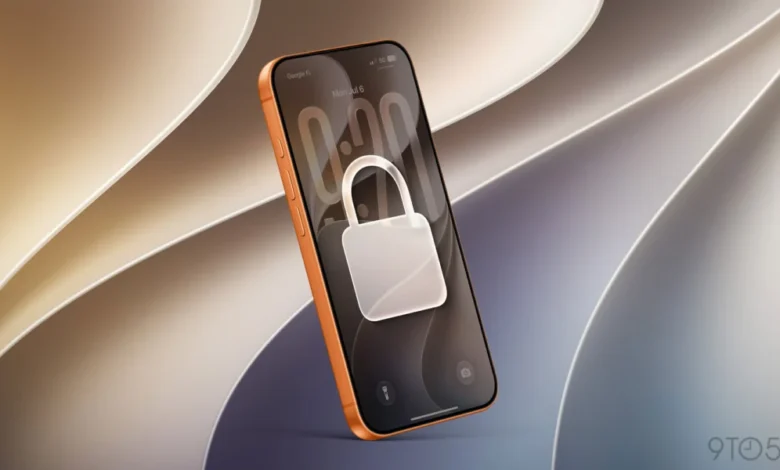
The Evolution of iPhone Anti-Theft Security
The narrative surrounding mobile device security has shifted dramatically over the past decade. Originally, the primary threat was data compromise via remote hacking; today, physical theft—often involving violent snatch-and-grab tactics in high-traffic urban areas—has become the primary vector for financial fraud and unauthorized access. Apple’s “AutoLock” project represents the company’s most ambitious attempt yet to neutralize the utility of a stolen device the moment it leaves the owner’s possession.
Apple’s journey toward proactive, sensor-driven security began in earnest with the introduction of "Stolen Device Protection" in earlier iOS iterations. This feature added a layer of friction by requiring biometric authentication for sensitive actions like changing an Apple ID password or accessing saved credit cards if the device was in an unfamiliar location. However, the proposed "AutoLock" feature takes this philosophy a step further by removing the need for a user to report the device as stolen; instead, the device itself acts as the first line of defense.
Chronology of Development
The path to this technology has been iterative. In May 2026, initial reports surfaced identifying that Apple engineers were exploring ways to utilize the iPhone’s internal hardware—specifically the accelerometer, gyroscope, and ambient light sensors—to detect the specific physical signature of a "snatch" event. By analyzing sudden, erratic movements coupled with a loss of proximity to the user, the device could theoretically distinguish between a casual drop and a deliberate theft.
As of the release of the iOS 27.2 beta 2, these efforts have matured from abstract research into functional, albeit dormant, code. The presence of the "AutoLock" service within the operating system’s background architecture suggests that Apple has moved into the validation phase. While the feature remains disabled for the general public, the inclusion of a "voting system" in the code reveals that Apple is building a sophisticated decision-making engine. This engine is designed to weigh various inputs—such as biometric success, geofencing, and app activity—against the perceived threat of a theft, ensuring that the device does not accidentally lock while a user is simply jogging or handing their phone to a friend.
Technical Implementation and Safeguards
The complexity of the AutoLock feature lies in the management of false positives. A system that locks an iPhone whenever it moves quickly would be functionally useless for most users. Consequently, Apple’s engineering team has implemented a multi-layered safeguard protocol.
The "voting system" is perhaps the most critical component of this architecture. In this model, the system treats a "theft signal" (a combination of rapid displacement and sensor-based disturbances) as a request for action. This request is then cross-referenced against a "veto" list. If the device detects that the user is in a "familiar location"—such as a home or office, as determined by GPS and Wi-Fi triangulation—the system may suppress the lock request. Similarly, if a user has recently performed successful biometric authentication, the device assumes the legitimate owner is still in control.
Furthermore, the integration of a "backoff mechanism" is a vital safety measure. This protocol ensures that if a user is engaged in a high-intensity activity that might trigger a false positive, the system will not continuously attempt to lock the device once the initial error is corrected. This indicates that Apple is prioritizing a seamless user experience alongside aggressive security, acknowledging that security features that disrupt normal usage patterns are often disabled by consumers.
Market Context and the Rise of Street Crime
The urgency behind these developments is underscored by global crime statistics. In many major metropolitan areas, smartphone theft has evolved into a lucrative, organized industry. Stolen iPhones are frequently wiped and resold, or, more concerningly, accessed by criminals to drain bank accounts and crypto-wallets through compromised recovery credentials.
According to industry analysts, the "black market" value of a locked, unusable iPhone is significantly lower than that of an unlocked one. By making the device automatically "brick" or lock upon the occurrence of a snatching event, Apple effectively destroys the resale value of the stolen hardware. This economic disincentive is widely viewed as the most effective long-term deterrent against street-level theft. If a phone becomes a useless paperweight the second it is yanked from a hand, the risk-to-reward ratio for criminals shifts drastically.

Comparative Analysis: Software vs. Hardware Security
While hardware-level security, such as Apple’s Secure Enclave, has long protected the data inside the phone, the "AutoLock" feature represents a shift toward context-aware security. Previous security measures were binary: the phone was either locked or unlocked based on a manual command or a timeout. The proposed system introduces a temporal and situational dimension.
This shift is reminiscent of the industry-wide move toward "Kill Switch" legislation in the mid-2010s, which mandated that phones have the capability to be remotely deactivated. The primary difference is the transition from manual remote deactivation—which requires the user to realize they’ve been robbed and access another device—to autonomous, localized deactivation. By automating the lock, Apple is removing the "human reaction time" gap that criminals exploit between the moment of the theft and the moment the user reports the device stolen.
Broader Implications for Privacy and UX
The implementation of such a feature brings with it significant implications for user privacy and data management. Critics and privacy advocates have occasionally expressed concerns regarding how much sensor data is being monitored by Apple’s background processes. However, Apple has historically utilized on-device processing for these types of security features to ensure that movement data is not sent to the cloud.
From a user experience (UX) perspective, the challenge for Apple will be reliability. If the feature is too sensitive, it creates frustration; if it is not sensitive enough, it fails its primary purpose. The ongoing testing phase in the iOS 27.2 beta indicates that Apple is currently focusing on the "veto" logic—refining the conditions under which the lock should not occur—which is a prudent approach to ensuring that the feature becomes a standard, invisible layer of the iPhone experience rather than an optional "power user" setting.
Future Outlook and Industry Response
As Apple continues to iterate on this technology, the broader mobile industry is likely to watch with interest. Android manufacturers have historically followed Apple’s lead in implementing security features like Find My Device and remote-wipe capabilities. Should the AutoLock feature prove successful in field tests and reach general availability, it is highly probable that similar sensor-based anti-theft protocols will be integrated into the Android ecosystem within a short timeframe.

For now, the feature remains a high-stakes experiment. The fact that the underlying service is active in the background of recent beta releases confirms that Apple is collecting telemetry data to refine the algorithms. This data collection is essential for building a "baseline" of normal human behavior, allowing the device to distinguish between a casual hand-off and a violent theft.
Ultimately, the development of AutoLock underscores a strategic pivot: Apple is no longer just selling a premium device; it is selling a secure digital environment. As the threat landscape evolves, the company’s ability to turn the device into an active participant in its own defense may well become a defining feature of the next generation of mobile computing. While the final release date remains speculative, the technical framework is clearly taking shape, signaling a future where the iPhone is not just a tool, but a vigilant guardian of its own integrity.