The Life-Saving Power of Wearable Technology: An Apple Watch Rescues Injured Cyclist

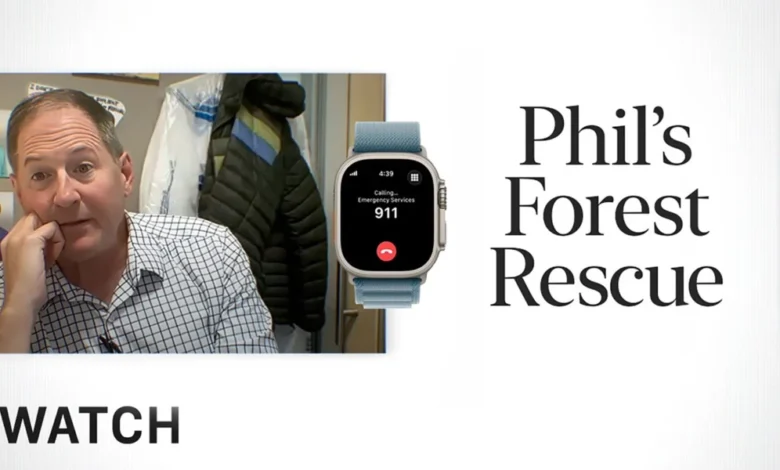
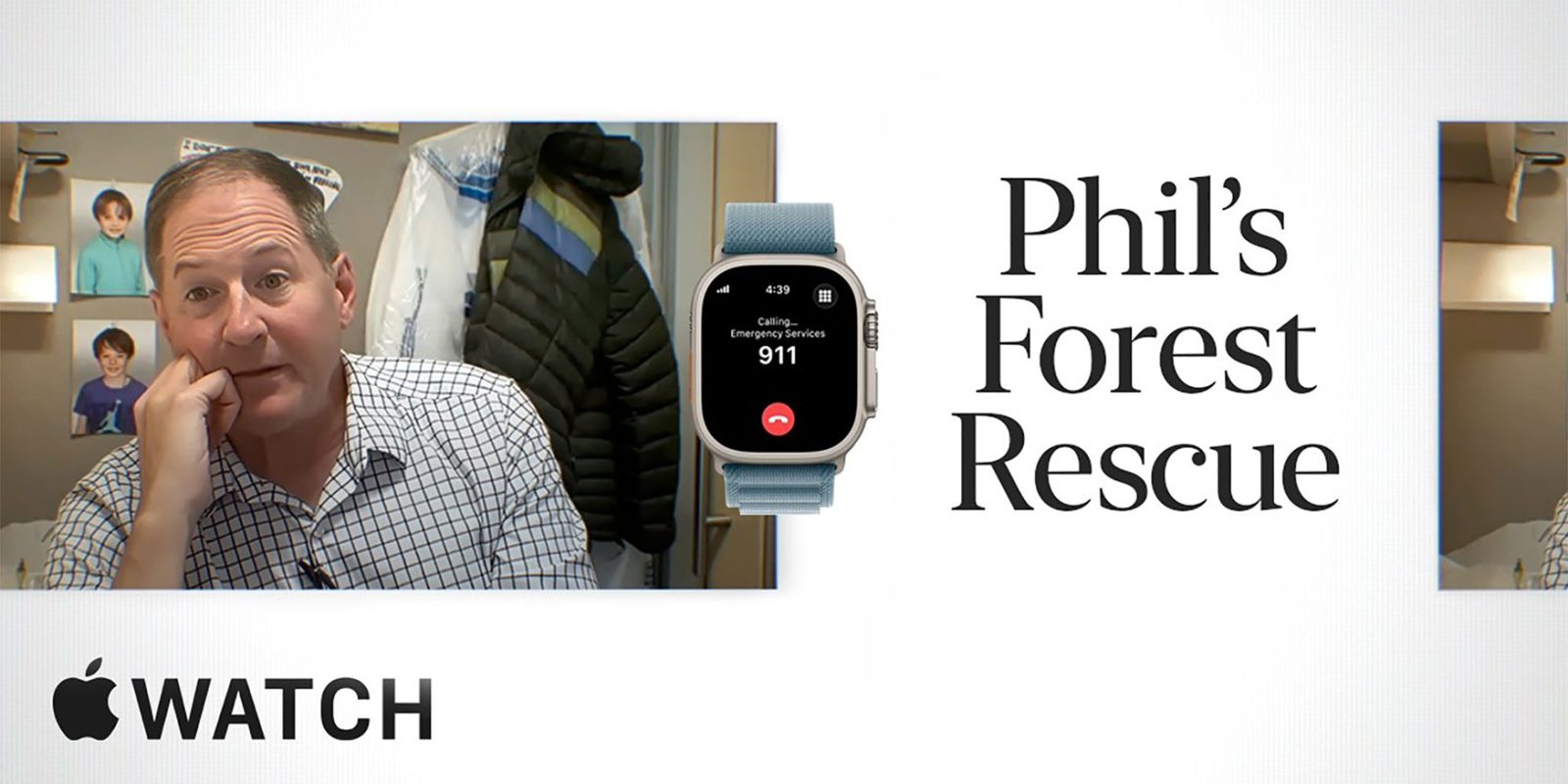
The relentless evolution of personal technology continues to redefine the boundaries of convenience, connectivity, and, increasingly, personal safety. In a compelling testament to this paradigm shift, Apple recently released a new video recounting the dramatic rescue of a mountain cyclist, Phil, whose life was potentially saved by the integrated safety features of his Apple Watch. This incident, which saw Phil unconscious and severely injured after a biking accident, underscores the profound impact that advanced wearable technology is having on emergency response and individual well-being, transforming devices from mere gadgets into indispensable guardians.
The Perilous Descent: An Accident in the Wild
The incident unfolded during a seemingly routine mountain biking excursion, a popular recreational activity that, while exhilarating, carries inherent risks. Phil, accompanied by his children, embarked on a ride that took an unforeseen and dangerous turn. According to his own account in the Apple-commissioned video, he "misjudged" a takeoff, an error in judgment common in the dynamic and unpredictable environment of off-road cycling. The consequences were severe: a high-impact crash that left him with a broken collarbone and a staggering seven fractured ribs. Critically, the force of the impact rendered him unconscious, placing him in an immediate life-threatening situation where self-help was impossible and direct communication with external aid was severed.
The challenging terrain often associated with mountain biking meant that Phil’s location was likely remote, complicating the prospects of timely discovery by passersby or his children, who might not have been able to effectively communicate the emergency or his precise coordinates. This scenario epitomizes the very circumstances for which the Apple Watch’s advanced safety protocols were designed. With Phil incapacitated, the device took over, initiating a series of automated actions that bridged the critical gap between accident and assistance. The Apple Watch, through its sophisticated Fall Detection and Emergency SOS functionalities, became his silent, unwavering advocate in a moment of extreme vulnerability.
Automated Intervention: How the Apple Watch Triggered a Rescue
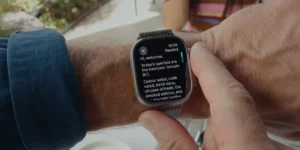
At the core of Phil’s rescue were two pivotal Apple Watch features: Fall Detection and Emergency SOS. Introduced with the Apple Watch Series 4 in 2018, Fall Detection leverages advanced accelerometers and gyroscopes to analyze wrist trajectory and impact acceleration. When a hard fall is detected, the watch taps the user’s wrist, sounds an alarm, and displays an alert. If the user remains unresponsive for approximately one minute, the watch automatically initiates a call to emergency services. Crucially, it also transmits the user’s precise location coordinates, a feature that proved instrumental in Phil’s case.

In Phil’s unconscious state, the Fall Detection mechanism functioned exactly as intended. The hard impact of his crash was registered, and his subsequent lack of movement and response signaled a severe emergency. Following the minute-long period of inactivity, the watch autonomously dialed emergency services. This automated call bypassed the need for conscious thought, manual dialing, or even speech, which would have been impossible for Phil. The transmission of his GPS location was equally vital. In remote or sprawling outdoor environments, even if a human witness could call for help, pinpointing the exact location of an injured individual can be a formidable challenge, leading to delays that can have fatal consequences.
Firefighters, acting on the precise location data provided by the Apple Watch, were able to quickly locate Phil. Their rapid response was critical in mitigating further risk and facilitating his urgent medical evacuation. Phil was subsequently transported to a hospital, where he underwent treatment and spent a week recovering from his significant injuries. His testimony highlights not just the technical efficacy of the device but also the profound peace of mind it offers, a sentiment he likely shared upon learning how technology intervened on his behalf. This incident serves as a stark reminder of the often-overlooked benefits of integrating advanced sensors and communication capabilities into everyday wearables, turning them into potential lifelines.
Apple’s Strategic Narrative: Showcasing Real-Life Impact
Apple has long understood the power of authentic user stories to illustrate the real-world value of its products, particularly in the realm of health and safety. The company frequently publishes videos and testimonials showcasing how features like Fall Detection, Emergency SOS, Crash Detection, and even proactive health monitoring (like irregular heart rhythm notifications) have saved lives or significantly improved outcomes. These narratives serve a dual purpose: they validate Apple’s significant investment in research and development for these features, and they powerfully resonate with consumers, reinforcing the brand’s image as a provider of not just technology, but also care and protection.
The new video featuring Phil’s rescue is the latest installment in this ongoing communication strategy. It follows a series of similar high-profile showcases, including a longer segment aired during Apple’s "Awe Dropping" event in October 2025. That event featured multiple Apple Watch users sharing their personal experiences of how the device aided them through medical emergencies, accidents, and other life-threatening situations, creating a cumulative effect of trust and credibility around the product’s safety capabilities. Earlier in the same year, Apple also launched the "Thankfully, I was wearing it" campaign in China, which highlighted three distinct user stories involving Fall Detection, Crash Detection, and heart rate alerts, demonstrating the global reach and universal applicability of these life-saving functions.
These campaigns are more than just marketing; they represent a strategic effort to educate the public about the tangible benefits of wearable technology beyond fitness tracking and notifications. By spotlighting individual experiences, Apple humanizes its technological advancements, making complex features relatable and their impact undeniable. An Apple spokesperson, commenting on the company’s commitment, might emphasize: "Our mission has always been to empower our users with technology that enhances their lives in meaningful ways. Stories like Phil’s underscore the profound importance of integrating advanced safety features into devices that are worn daily, transforming them into silent guardians that can act when a user cannot." This approach not only builds brand loyalty but also fosters a broader societal acceptance and expectation for such critical functionalities in personal devices.
The Evolution of Emergency Features: A Timeline of Innovation
The Apple Watch’s journey from a nascent smartwatch to a sophisticated health and safety device has been marked by continuous innovation. Its emergency capabilities did not emerge overnight but are the result of years of iterative development.
- Emergency SOS (Introduced with initial models): From its inception, the Apple Watch included Emergency SOS, allowing users to quickly call for help by pressing and holding the side button. This feature was foundational, providing a direct link to emergency services, but required conscious user action.
- Fall Detection (Introduced with Series 4 in 2018): This was a game-changer. By using advanced accelerometers and gyroscopes capable of measuring up to 32 G-forces, coupled with custom algorithms, the Apple Watch can differentiate between a stumble and a hard fall. The critical automated alert and call if unresponsive feature revolutionized passive safety.
- International Emergency Calling (Introduced with Series 5 in 2019): Expanding on Emergency SOS, this feature allowed users with cellular models to call local emergency services in over 150 countries, regardless of where the watch was originally purchased, adding a layer of global safety for travelers.
- Crash Detection (Introduced with Series 8 and Apple Watch Ultra in 2022): Leveraging a more advanced 3-axis gyroscope and a new high g-force accelerometer, Crash Detection can detect severe car crashes. It uses a combination of motion sensors, microphone data (to identify loud crash noises), barometer changes (for cabin pressure changes), and GPS data (for sudden speed deceleration) to automatically alert emergency services and contacts if the user is unresponsive. This feature represents a significant leap in vehicular safety integration.
- Temperature Sensing (Series 8/Ultra, 2022): While primarily for fertility tracking and retrospective ovulation estimates, this sensor contributes to a holistic health profile, potentially aiding in early detection of illness, which could indirectly lead to emergency scenarios if unaddressed.
- Satellite Connectivity (Apple Watch Ultra, 2022 – for iPhone 14/15 integration): While the Ultra itself doesn’t have direct satellite connectivity, it can leverage the iPhone 14/15’s Emergency SOS via Satellite feature. This allows users to connect with emergency services even outside cellular and Wi-Fi coverage, a crucial advancement for adventurers and those in remote areas, perfectly addressing scenarios like Phil’s mountain biking accident where cellular signal might be intermittent.
These advancements reflect Apple’s strategic vision to integrate passive and active safety nets into a device worn on the wrist, making it an ever-present guardian. The progression from requiring user input to fully automated, location-aware emergency calls demonstrates a clear commitment to leveraging technology for maximum personal safety.
The Broader Implications: Wearable Technology Reshaping Safety and Healthcare
Phil’s story is not an isolated incident but rather a microcosm of a larger trend: wearable technology is profoundly reshaping the landscape of personal safety, emergency response, and proactive healthcare. The implications extend far beyond individual rescues.
Impact on Emergency Services: For first responders, the advent of automated, precise emergency alerts from wearables represents a significant operational enhancement. Emergency responders often highlight the critical importance of timely and accurate information. A spokesperson for a local fire department, reflecting on such incidents, might state: "Receiving an automated call with precise GPS coordinates significantly reduces our response time, especially in remote or difficult-to-locate areas. It allows us to dispatch resources more efficiently and arrive on scene faster, which can be the difference between life and death." This technology helps overcome challenges like miscommunication, panic, or inability to speak, which often plague traditional emergency calls.
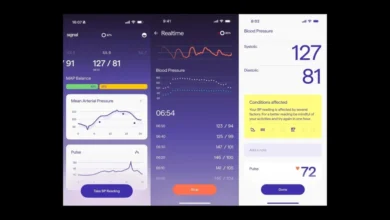
Revolutionizing Proactive Healthcare: Beyond immediate emergencies, the continuous health monitoring capabilities of devices like the Apple Watch are fostering a proactive approach to healthcare. Features like ECG readings, irregular heart rhythm notifications, blood oxygen saturation monitoring, and sleep tracking provide users with unprecedented insights into their health. While not directly involved in Phil’s rescue, these features can detect subtle changes or serious conditions (e.g., atrial fibrillation) that might otherwise go unnoticed until a critical event occurs. Medical professionals have noted the increasing role of wearables in early diagnosis and patient engagement, transforming reactive medicine into preventative care.
Technological Advancements and Future Prospects: The success of current safety features drives further innovation. Future iterations of wearable technology could see even more sophisticated sensor arrays, potentially including non-invasive blood glucose monitoring, advanced hydration tracking, or even earlier detection of stroke symptoms. Artificial intelligence and machine learning will continue to refine detection algorithms, reducing false positives while increasing sensitivity to genuine emergencies. The expansion of satellite connectivity, already seen in the iPhone 14/15 and accessible via the Apple Watch Ultra, promises to extend life-saving capabilities to virtually any corner of the globe, addressing the significant safety gap in areas without traditional cellular coverage.

Consumer Adoption and Trust: Each publicized rescue story, like Phil’s, contributes to building immense consumer trust and driving adoption. As more people hear about these real-world impacts, the perceived value of investing in a high-end smartwatch shifts from a luxury item to a vital personal safety device. This growing trust creates a positive feedback loop, encouraging more users to enable and rely on these features.
Competitive Landscape and Industry Standards: Apple’s leadership in this space has also spurred competition. Other tech giants, including Samsung with its Galaxy Watch series and Google/Fitbit, are rapidly developing and integrating their own versions of fall detection, crash detection, and advanced health monitoring. This competitive environment is beneficial for consumers, fostering innovation and making these critical features more widespread across the wearable market. The increasing prevalence of these technologies may also eventually lead to discussions about industry-wide standards for emergency features, ensuring a baseline level of safety performance across devices.
Challenges and Ethical Considerations:
While the benefits are clear, the proliferation of such powerful safety features also presents challenges. False positives remain a concern; accidental triggers can place undue burden on emergency services. Technology companies are continuously working to refine algorithms to minimize these occurrences while maintaining sensitivity to genuine emergencies. Privacy concerns regarding continuous health data collection and the sharing of location information with emergency services are also paramount. Apple, like other responsible companies, emphasizes user control over data and transparency in its privacy policies. Finally, accessibility remains a crucial factor. Ensuring that these life-saving features are not only technologically advanced but also intuitive and accessible to users across all demographics, including the elderly and those with varying technological literacy, is an ongoing endeavor. Battery life is another critical engineering challenge; balancing the power demands of sophisticated sensors and communication modules with the need for extended battery life, especially in emergency scenarios, is a constant trade-off.
Conclusion:
Phil’s dramatic rescue by his Apple Watch serves as a powerful reminder of the transformative potential of wearable technology. It encapsulates a broader narrative where personal devices transcend their conventional roles, evolving into essential tools for safeguarding human life. As technology continues its relentless march forward, integrating more sophisticated sensors, smarter algorithms, and expanded connectivity, the Apple Watch and similar devices are poised to play an even more critical role in emergency response and proactive health management. These stories are not just anecdotes; they are tangible evidence of a future where technology is not merely an accessory to life, but an active, intelligent partner in ensuring our safety and well-being, silently standing guard, ready to act when we cannot.