Meta Prepares to Expand Wearable Portfolio with Camera-Free Luna Smart Glasses Launch at Upcoming Developer Conference

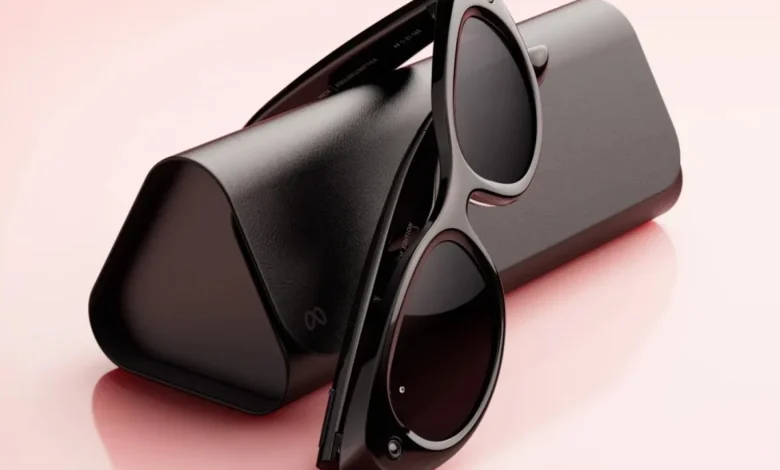
Meta Platforms is reportedly preparing to broaden its footprint in the consumer hardware market by introducing a camera-free iteration of its popular smart glasses line, internally designated as Project Luna. While the current generation of AI-enabled eyewear, developed in partnership with legacy eyewear titan EssilorLuxottica, has achieved commercial success and captured significant market share, it has simultaneously reignited long-standing societal debates regarding public surveillance, data privacy, and the creeping normalization of continuous recording in private and public spaces. By addressing these critical consumer hesitations head-on, the upcoming Meta Luna device represents a strategic pivot designed to capture a wider demographic of users who desire hands-free artificial intelligence integration, seamless audio playback, and discreet digital connectivity without the social friction or privacy anxieties associated with integrated digital cameras.
According to insider reports originating from industry publications and supply chain tracking, the Meta Luna smart glasses are slated for an official global unveiling during the technology conglomerate’s highly anticipated annual developer conference, Meta Connect, scheduled to take place on September 23 and 24. Following the hardware announcement, the company intends to move swiftly toward commercial availability, with retail shipments reportedly expected to commence as early as October. This aggressive timeline underscores Meta’s determination to maintain momentum in the wearable technology sector, capitalizing on the holiday shopping season and reinforcing its hardware ecosystem amid fierce competition from rival technology giants exploring spatial computing and augmented reality interfaces.
Detailed Specifications and Hardware Architecture of Project Luna
Industry insiders indicate that despite the omission of a camera sensor, the Meta Luna smart glasses will not compromise on acoustic performance, voice interaction capabilities, or artificial intelligence processing power. The device is expected to feature a sophisticated array of six built-in microphones engineered to capture spatial audio clearly, suppress ambient background noise, and ensure precise voice recognition even in challenging acoustic environments such as crowded urban thoroughfares or windy outdoor settings. This robust microphone array is crucial for facilitating fluid, uninterrupted conversations with the onboard Meta AI assistant.
Furthermore, the hardware architecture will incorporate directional open-ear speakers positioned precisely to direct sound toward the wearer’s ears while minimizing audio leakage to surrounding individuals. This acoustic design philosophy allows users to consume media, listen to podcasts, and receive audible notifications while simultaneously maintaining situational awareness of their physical surroundings—a critical safety feature for urban pedestrians and cyclists.
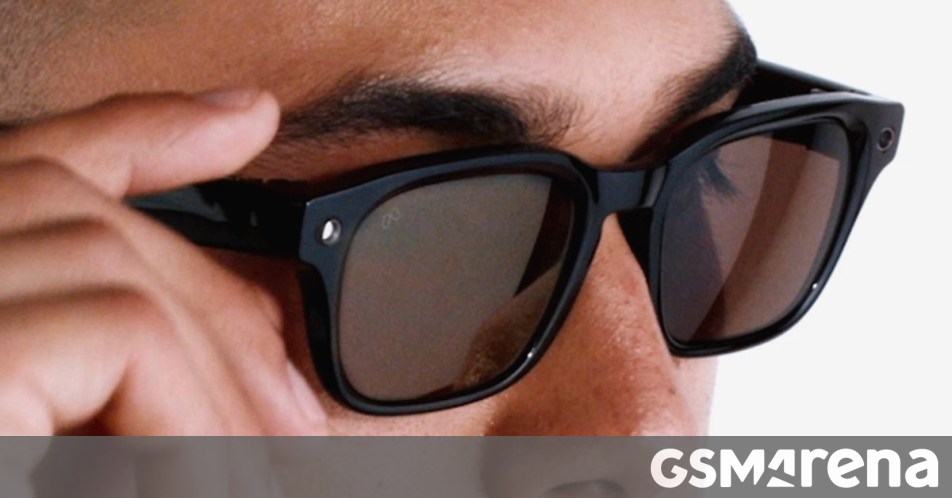
To streamline user interaction, the Meta Luna will reportedly feature a dedicated physical button integrated into the frame. This tactile control mechanism is designed to provide immediate, friction-free access to Meta AI, allowing users to summon the voice assistant instantly without needing to fumble with a connected smartphone or rely entirely on wake-word detection. Powered by deeply integrated machine learning models, the built-in AI will handle complex contextual queries, translation services, real-time information retrieval, and productivity tasks, effectively positioning the glasses as a wearable command center for everyday digital life.
Chronology of Smart Glasses Development and Market Evolution
The trajectory of Meta’s smart eyewear initiative reflects a deliberate, multi-year evolution from experimental niche gadgets to mainstream consumer electronics. The foundation of the current ecosystem was laid through a strategic partnership established between Facebook (now Meta) and EssilorLuxottica, the parent company of Ray-Ban, announced initially in 2020. This collaboration culminated in the September 2021 release of the Ray-Ban Stories, a first-generation product that introduced discreet photo and video capture capabilities embedded within classic, recognizable frames.
While the Ray-Ban Stories laid crucial technical groundwork, adoption was initially tempered by battery limitations, modest processing capabilities, and persistent privacy criticisms from civil liberties organizations. However, Meta recalibrated its strategy with the subsequent release of the second-generation Ray-Ban Meta smart glasses in late 2023. This iteration integrated advanced multimodal artificial intelligence features, significantly improved camera sensors, superior audio fidelity, and extended battery performance, transforming the product from a novelty accessory into a viral commercial success that routinely faced inventory shortages throughout 2024 and 2025.
The conceptualization of a camera-free variant, such as the rumored Meta Luna, marks the next logical phase in market segmentation. By decoupling AI-driven audio and communication features from optical recording technology, Meta is effectively bifurcating its product roadmap to cater to two distinct consumer segments: privacy-conscious professionals and audio enthusiasts on one hand, and content creators and tech early adopters on the other.
Data Insights and Market Dynamics in Wearable Technology
Recent market research reports focusing on the wearable technology sector indicate sustained, double-digit annual growth for smart glasses and augmented reality peripherals. According to data compiled by major technology market analysts, global shipments of smart eyewear surged significantly following the mainstream normalization of AI-integrated voice assistants. Consumers increasingly demand lightweight, non-intrusive form factors that reduce smartphone screen time while maintaining continuous access to digital utilities.
However, consumer survey data consistently highlights privacy apprehension as the single greatest barrier to broader adoption of camera-equipped wearables. A substantial percentage of consumers express discomfort with the prospect of interacting with individuals wearing recording devices in sensitive environments, including corporate offices, educational institutions, healthcare facilities, fitness centers, and private social gatherings. This consumer hesitation has manifested in institutional bans, where various establishments prohibit the use of camera glasses entirely.
By introducing the camera-free Meta Luna, the corporation is strategically positioning itself to bypass these institutional restrictions and consumer reservations. Analysts project that a privacy-centric audio and AI glass could expand Meta’s addressable market by a significant margin, appealing specifically to demographics that have previously rejected wearable tech due to surveillance concerns—including educators, corporate executives, government contractors, and privacy advocates.
Regulatory Scrutiny and Public Privacy Concerns
The expansion of smart glasses into the consumer mainstream has inevitably drawn intense scrutiny from global data protection authorities, privacy advocacy groups, and lawmakers. Regulatory bodies across the European Union, the United States, and the Asia-Pacific region have repeatedly examined the compliance of wearable recording devices with stringent privacy frameworks, such as the General Data Protection Regulation (GDPR) and various state-level biometric information privacy acts.
A central point of contention has been the adequacy of notification indicators—such as small LED recording lights—designed to alert bystanders that a photo or video is being captured. Critics and privacy watchdogs have frequently argued that such indicator lights are easily obscured, overlooked, or misinterpreted, leaving bystanders vulnerable to non-consensual data collection. Furthermore, the integration of advanced facial recognition capabilities and continuous environmental scanning by onboard AI models has raised alarms regarding the aggregation of biometric data without explicit consent.
The development of the camera-free Meta Luna is viewed by industry observers as a pragmatic corporate response to this complex regulatory landscape. By removing the optical sensors entirely, Meta effectively neutralizes the primary vector of privacy criticism associated with its hardware lineup. This move may help insulate the company from forthcoming regulatory crackdowns on wearable surveillance technology while demonstrating proactive compliance with emerging global privacy norms.
Broader Industry Implications and Competitor Landscapes
Meta’s strategic pivot with the Luna project occurs within a hyper-competitive technology landscape where virtually every major consumer electronics titan is jockeying for dominance in spatial computing and smart eyewear. Competitors such as Apple, Google, Amazon, and various specialized hardware startups are actively developing their own visions of the post-smartphone era.
Apple has continued to refine its high-end Vision Pro mixed-reality headset while reportedly exploring lightweight augmented reality glasses, though manufacturing complexity and cost hurdles have slowed commercial deployment. Meanwhile, Google has renewed its focus on ambient computing and artificial intelligence integration following its acquisition of early smart glass pioneer North and subsequent software developments in generative AI. Amazon has pursued audio-centric wearables through its Echo Frames product line, focusing heavily on voice assistant integration without incorporating invasive camera hardware.
Meta’s aggressive positioning with both camera-equipped and camera-free smart glasses affords the company a distinct competitive advantage through product diversification. By offering a comprehensive ecosystem that spans aesthetic fashion partnerships, advanced multimodal AI, robust audio engineering, and now privacy-first configurations, Meta is attempting to establish an insurmountable lead in the nascent consumer smart eyewear market before competitors can scale comparable offerings.
Economic and Industrial Impact on Manufacturing Partnerships
The commercial success of Meta’s smart glasses line has also generated profound economic ripple effects for its manufacturing and retail partners, most notably EssilorLuxottica. The deep integration of high-end fashion branding with cutting-edge consumer electronics has proven to be a transformative formula, validating the thesis that consumers prefer technology housed within familiar, aesthetically pleasing enclosures rather than futuristic, utilitarian hardware.
The impending launch of the Meta Luna is expected to further solidify this industrial alliance. By leveraging existing manufacturing supply chains, optical distribution networks, and global retail footprints, Meta can scale production of the Luna efficiently while optimizing unit economics. Industry supply chain analysts project that the introduction of a lower-cost, camera-free model could also exert downward pressure on average selling prices within the smart eyewear category, potentially accelerating mass-market adoption and driving higher software and subscription service revenues for Meta over the long term.
Future Outlook and Expectations for Meta Connect
As the technology community counts down the days to Meta Connect, anticipation surrounding the official unveiling of the Meta Luna smart glasses continues to build. Industry observers will be monitoring several critical details during the keynote presentations, including official pricing tiers, battery endurance metrics, weight distribution specifications, prescription lens compatibility, and the specific geographical rollout schedule for the October retail launch.
Ultimately, the reception of the Meta Luna will serve as a definitive market test for the viability of AI-driven, camera-free wearable devices. If consumer adoption meets or exceeds expectations, it may validate a broader industry shift toward privacy-conscious ambient computing, proving that the future of wearable technology does not necessarily require a lens pointed at the world, but rather an intelligent interface designed to listen, assist, and integrate seamlessly into daily human life.
Related posts: