Climate XChange Launches 11th Annual EV Raffle Offering Luxury Electric Vehicles and Cash Prizes to Support State-Level Climate Policy Advocacy

The non-profit organization Climate XChange has officially opened its doors to the 11th Annual EV Raffle, presenting a unique convergence of sustainable transportation promotion and environmental fundraising. This year’s campaign introduces two distinct tier-based raffles featuring high-value grand prizes, including a fully customized luxury electric vehicle package valued at up to $120,000, with all associated taxes covered by the organization. By leveraging the immense popularity of the rapidly expanding electric vehicle market, Climate XChange aims to secure vital funding for its ongoing policy advocacy work focused on reducing pollution, lowering household energy burdens, and accelerating the transition toward clean energy at the state level.
The annual fundraising initiative has evolved over the past decade into one of the most anticipated charitable events for clean transportation enthusiasts. As consumer interest in zero-emission vehicles continues to scale globally, the raffle taps into this enthusiasm by offering participants a chance to acquire top-tier automotive technology while simultaneously contributing to grassroots environmental policy development. With ticket sales now live and multiple prize categories established, the campaign highlights the intersection of consumer incentives and philanthropic engagement in the modern climate movement.
Structure of the 11th Annual EV Raffle: Luxury and Mini Tiers
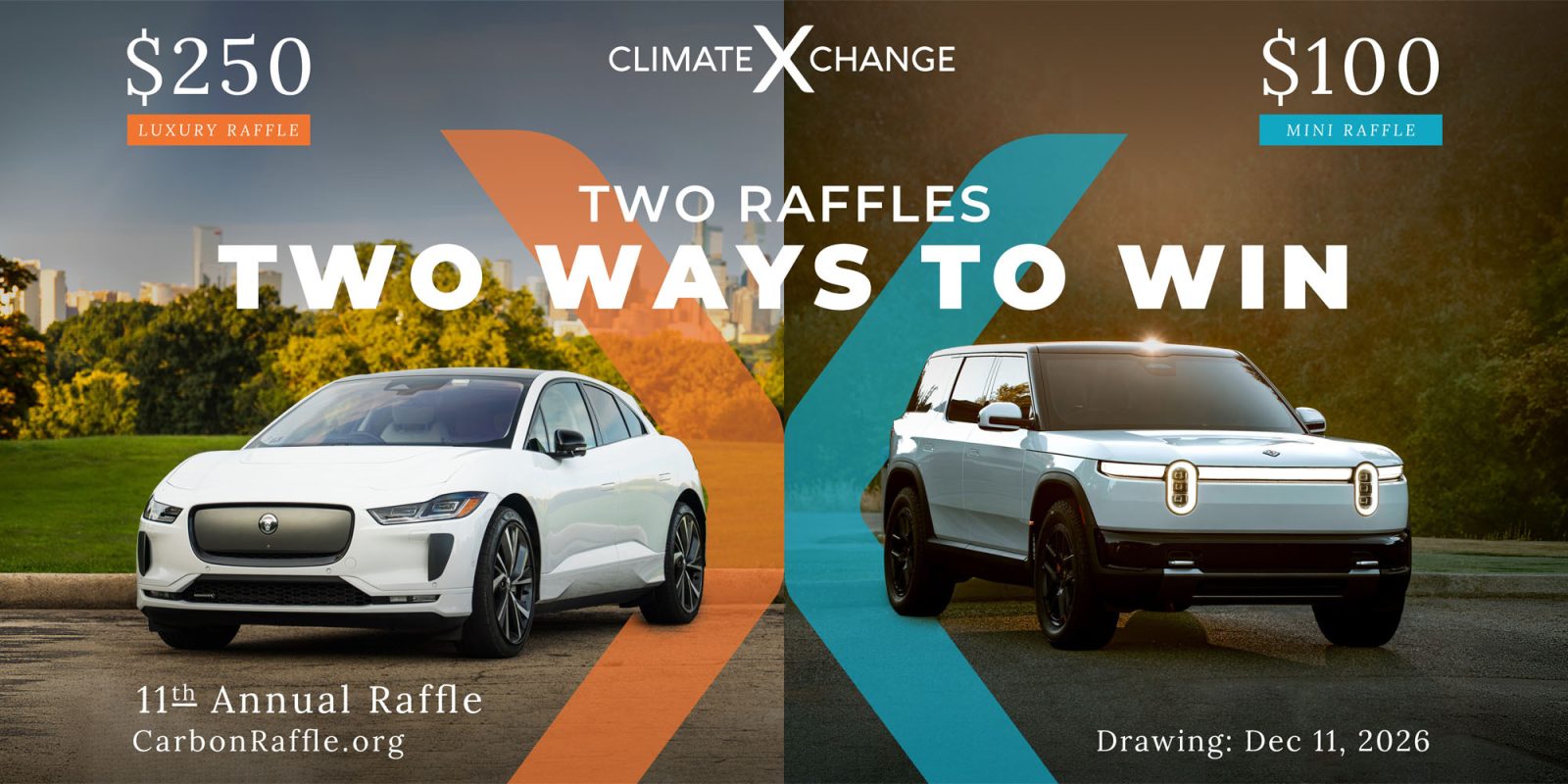
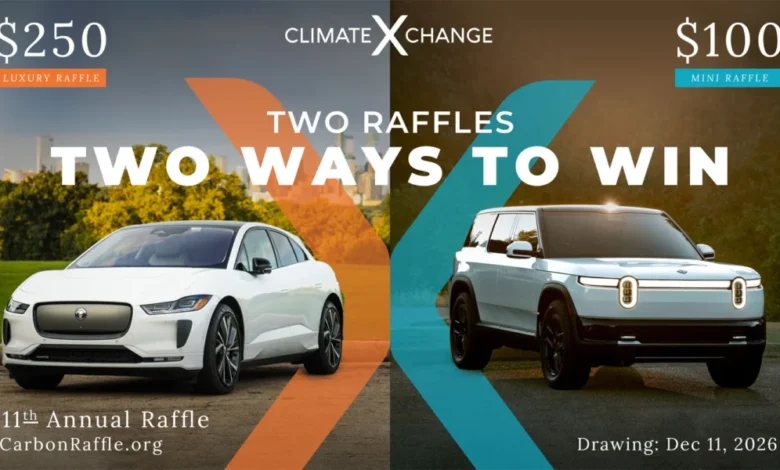
To accommodate varying budget levels and consumer preferences, the 11th Annual EV Raffle is divided into two separate, independent competitions: the Luxury Raffle and the Mini Raffle. Participants retain the flexibility to enter either category or purchase tickets for both to maximize their chances of winning.
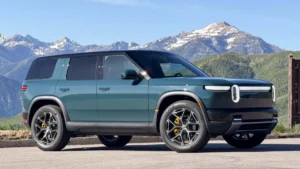
The Luxury Raffle requires a ticket investment of $250, with supply strictly capped at 5,000 tickets to maintain favorable odds for participants. The grand prize winner of this tier receives up to $120,000 to spend on any fully electric make and model available on the market. Furthermore, Climate XChange covers the vehicle taxes, ensuring that the winner does not face unexpected financial liabilities. This substantial financial allocation allows the winner considerable creative freedom. A recipient could opt for a single ultra-luxury model—such as a heavily optioned Lucid Air, a rugged Rivian R1S, a high-performance Porsche Macan Electric, or an executive-class BMW i7—or strategically configure their prize to place two distinct electric vehicles in their household driveway, provided the combined purchase price remains within the $120,000 cap.
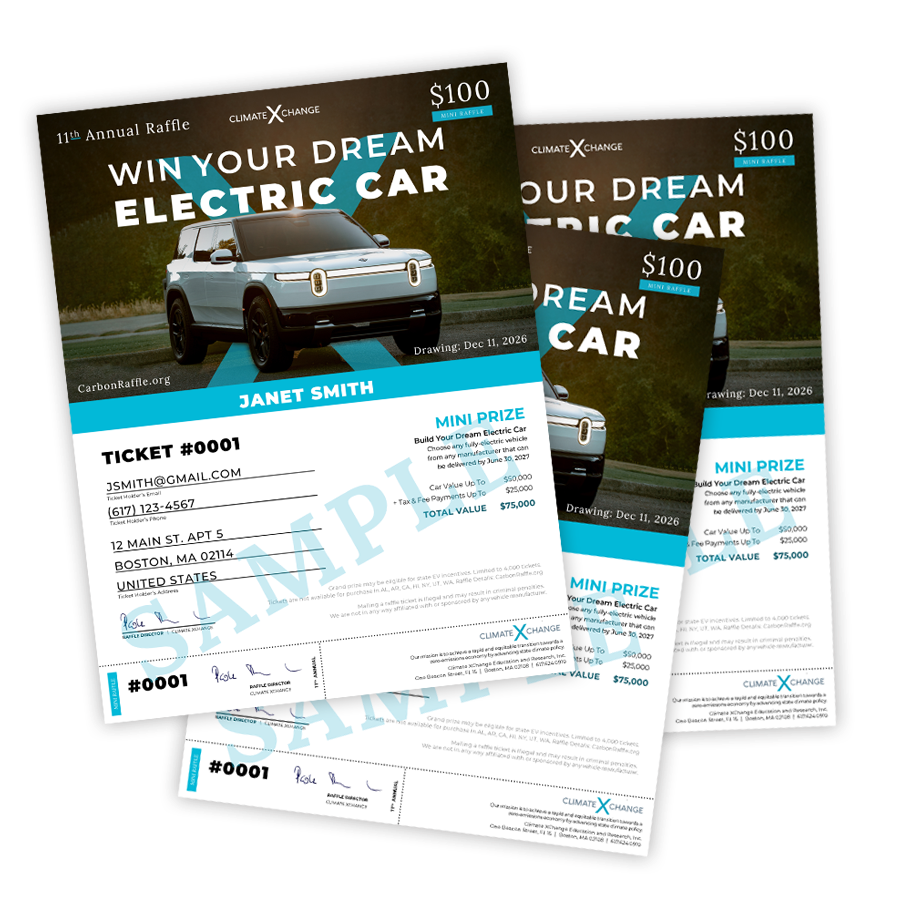
Conversely, the Mini Raffle offers a more accessible entry point with tickets priced at $100 and a supply capped at 4,000 tickets. The winner of this tier receives a $50,000 budget toward a new electric vehicle. This allocation comfortably covers popular, highly sought-after models such as the upcoming Rivian R2, the Tesla Model 3, the Chevrolet Equinox EV, and the Hyundai Ioniq 5, depending on the selected trim and configuration.
Early Bird Incentives and Key Campaign Timelines
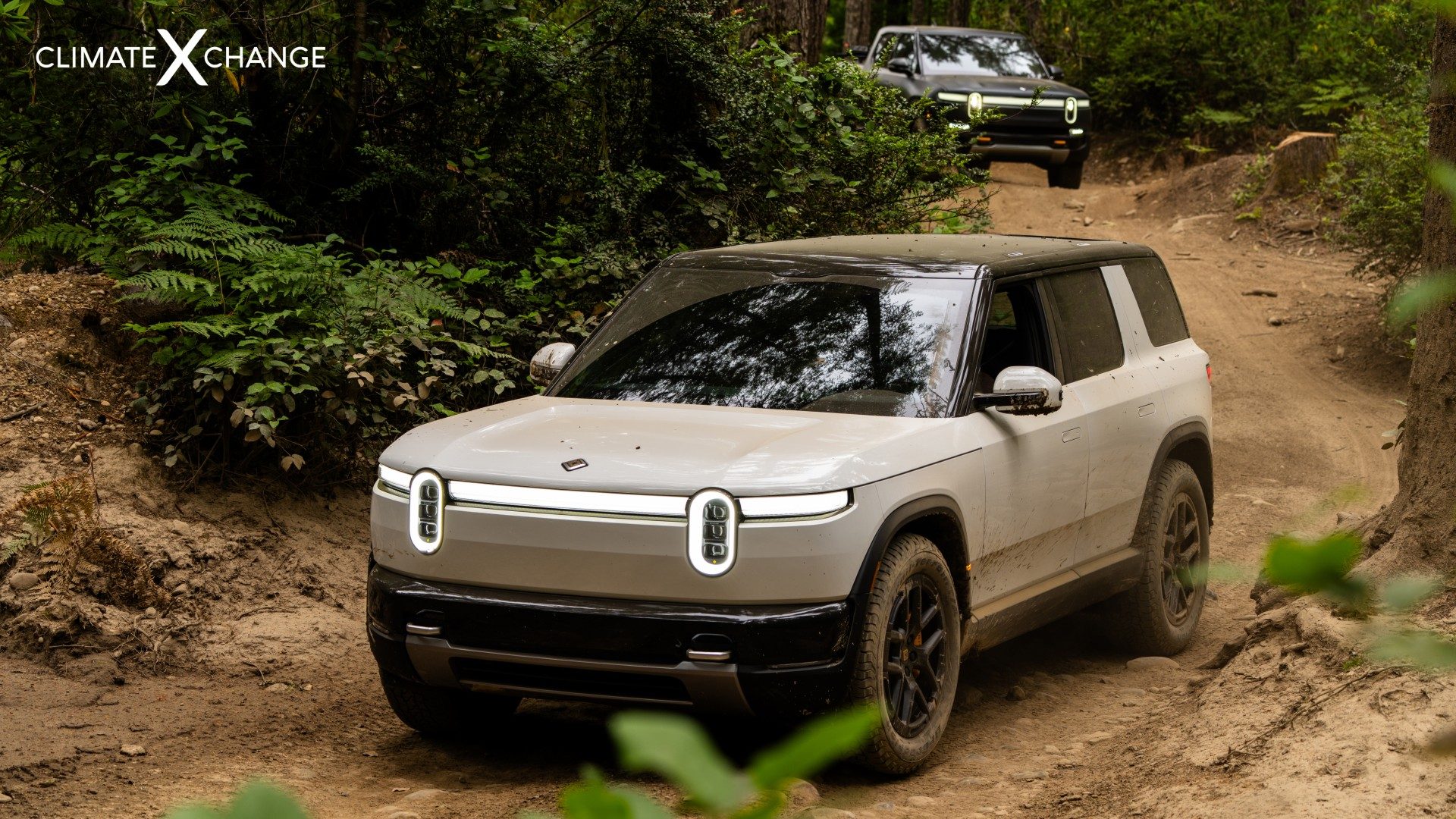
The campaign officially launched on September 9, setting off a multi-month fundraising window leading up to the final drawings. To encourage early participation, Climate XChange has instituted a special Early Bird incentive for the Luxury Raffle.
Every Luxury Raffle ticket purchased by 11:59 p.m. Eastern Time on October 29 automatically qualifies the buyer for entry into a separate $10,000 Early Bird cash drawing. Crucially, purchasing an early ticket does not disqualify the participant from the main grand prize drawing; rather, it provides an additional, secondary opportunity to win before the primary event takes place.
The timeline for the campaign is structured around two critical dates:
- October 29, 2025 (11:59 p.m. ET): Deadline for the $10,000 Early Bird Luxury Raffle drawing, alongside the ongoing limitation caps of 5,000 tickets for the Luxury tier and 4,000 tickets for the Mini tier.
- December 11, 2025: The official date for the primary EV prize drawings, where the grand prize winners for both the Luxury and Mini raffles will be selected.
Complete eligibility requirements, state-specific legal disclaimers, and official raffle rules are hosted publicly on the campaign’s dedicated portal at CarbonRaffle.org/Electrek.

Behind the Mission: What Ticket Sales Support
While the allure of a six-figure luxury electric vehicle serves as the primary driver for ticket sales, the structural foundation of the raffle rests upon the policy mission of Climate XChange. Operating as a dedicated environmental non-profit organization, Climate XChange works extensively at the state level to help communities defend against the adverse economic and health impacts of environmental pollution and rising energy costs.
Unlike federal climate initiatives that often experience gridlock or broad legislative delays, state-level policies frequently serve as incubators for aggressive, practical climate action. Climate XChange maintains a focused, specialized team that collaborates with legislators, community leaders, and environmental coalitions to advance policies directly influencing household utility bills, public health outcomes, regional transportation decarbonization, and equitable access to renewable energy infrastructure.
Organization leadership emphasizes that financial contributions generated through the annual EV raffle are vital to sustaining these advocacy efforts. In an operational environment where non-profits must constantly innovate to secure funding, the raffle model transforms traditional charitable donations into an engaging, consumer-friendly exchange that aligns directly with the organization’s core mission of promoting clean, affordable energy systems.
The Broader Implications of EV Raffles in Clean Energy Advocacy
The utilization of high-end consumer goods as fundraising incentives represents a strategic evolution in environmental philanthropy. By connecting philanthropic giving directly to the adoption of zero-emission technology, campaigns like the Climate XChange raffle amplify public awareness surrounding electric mobility.
As the automotive industry transitions away from internal combustion engines, consumer education and accessibility remain significant hurdles, particularly regarding the upfront purchase costs of advanced electric platforms. Initiatives that subsidize or entirely cover the acquisition of luxury and mid-tier electric vehicles help normalize the technology for broader public consumption. Furthermore, by ensuring that vehicle taxes are covered, the organization removes a common financial barrier that often deters potential EV adopters from entering the market.
Fact-Based Analysis of the 11th Annual Campaign
Analyzing the financial and logistical parameters of the 11th Annual EV Raffle reveals a carefully calibrated fundraising mechanism. By capping the Luxury Raffle at 5,000 tickets at $250 each, the theoretical maximum gross revenue from that tier alone reaches $1.25 million. Similarly, the Mini Raffle cap of 4,000 tickets at $100 each yields a potential gross revenue of $400,000.
After accounting for the retail cost of the grand prize vehicles, tax coverage, the $10,000 early bird cash prize, and administrative overhead, the campaign secures substantial net funding to support Climate XChange’s ongoing legislative and educational programs. For participants, the limited ticket caps offer statistically favorable odds compared to nationwide lottery systems, balancing charitable support with tangible winning prospects.
Conclusion and Participation Details
As the deadline for the Early Bird drawing approaches on October 29, public interest in the raffle continues to build across automotive and environmental communities. The combination of high-value vehicle options, comprehensive tax coverage, and a mission-driven charitable cause positions the event as a notable fixture in the annual non-profit calendar.

Individuals interested in participating can review complete vehicle configuration rules, examine official terms and conditions, and purchase tickets online by visiting CarbonRaffle.org/Electrek. Through this initiative, participants not only secure a chance to drive away in a cutting-edge electric vehicle but also directly invest in the legislative framework necessary for a sustainable, low-carbon future.
Related posts: