A critical examination of Google Gemini’s competitive standing against ChatGPT


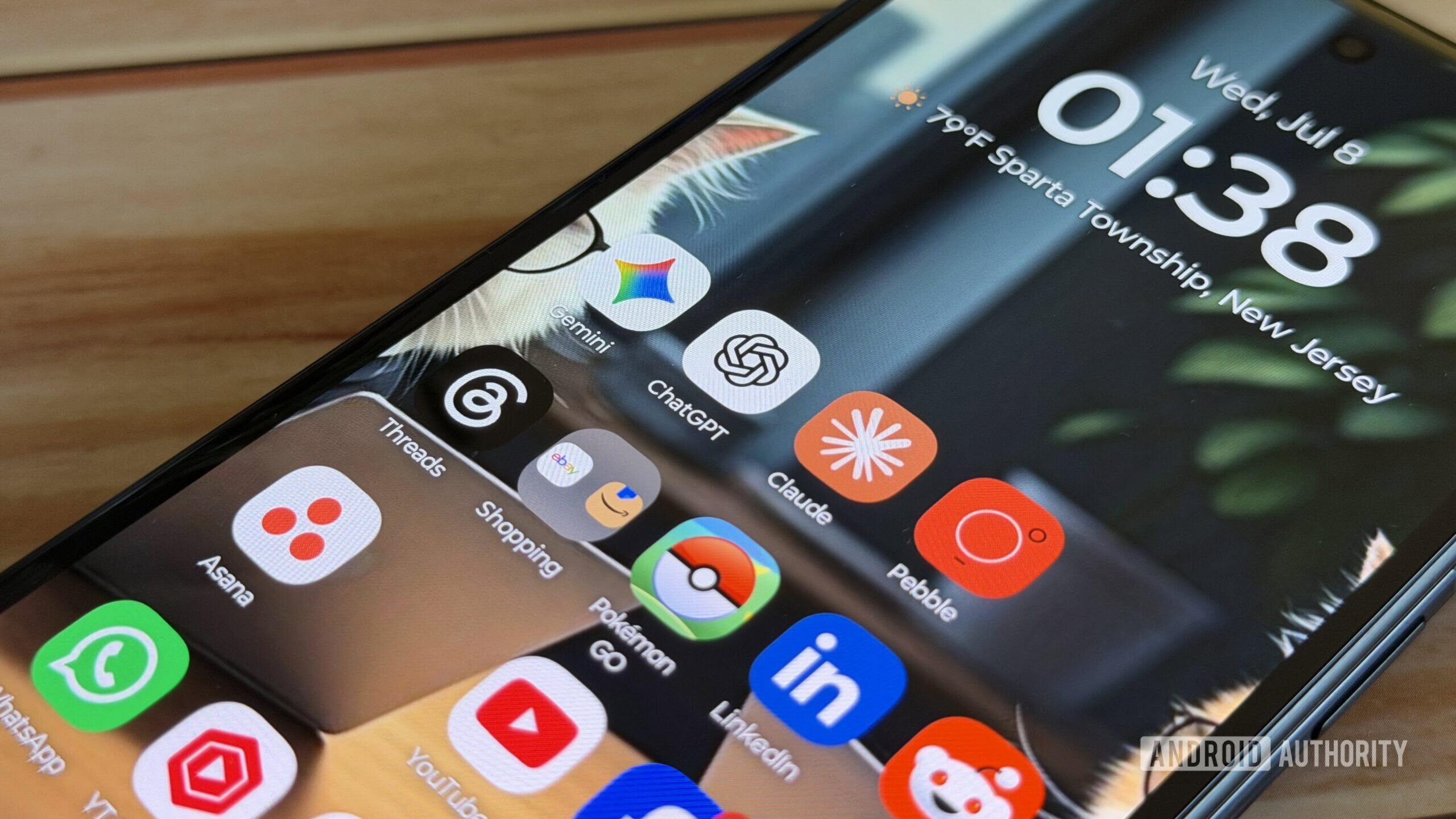
The landscape of generative artificial intelligence is fiercely competitive, with two titans, Google Gemini and OpenAI’s ChatGPT, vying for supremacy in the burgeoning market of AI assistants. While Google’s Gemini, often lauded as the "Swiss Army knife of the AI world" due to its extensive integration across Android platforms and the broader Google ecosystem, has shown remarkable acceleration in its development, a significant segment of users, including dedicated AI enthusiasts and professionals, continue to find ChatGPT maintaining a lead in overall usability and response quality. This dynamic has led to a peculiar situation where many users, despite having access to premium versions of both, opt to maintain separate subscriptions, underscoring Gemini’s perceived shortcomings in certain critical areas.
The author, an extensive user of both platforms, highlights a personal decision to subscribe to both Google AI Pro for Gemini and a separate premium plan for ChatGPT. This decision is not merely a preference but stems from a series of observed inconsistencies and limitations within Gemini that prevent it from fully displacing its rival. The journey of these AI models, from nascent experimental tools to indispensable daily assistants, provides crucial context for understanding the current competitive dynamics.
The AI Landscape: A Brief Chronology of Innovation
The modern era of generative AI was arguably kickstarted with the public release of ChatGPT by OpenAI in late 2022. Its conversational prowess and ability to generate coherent, contextually relevant text captivated global attention, swiftly demonstrating the transformative potential of large language models (LLMs). This breakthrough propelled OpenAI into the forefront of AI innovation, establishing a significant first-mover advantage and rapidly building a loyal user base. The subsequent release of GPT-4 further solidified its position, showcasing enhanced reasoning, creativity, and multimodal capabilities.
Google, a long-time leader in AI research, initially responded with Bard, later rebranding and significantly enhancing its offering as Gemini. This strategic pivot marked an accelerated development cycle, leveraging Google’s vast computational resources, deep talent pool, and unparalleled access to diverse datasets. Gemini was designed from the ground up to be natively multimodal, capable of understanding and operating across text, code, audio, image, and video. Its integration into Android and other Google services was touted as a major differentiator, promising a seamless and deeply personalized AI experience within the Google ecosystem. The rapid evolution from initial versions to the powerful Gemini Ultra 1.5 model showcased Google’s determination to catch up and redefine the AI assistant paradigm. However, despite this aggressive push, user experience often reveals the subtle but critical differences that define leadership in this space.
Challenges in Consistency and Reliability: Gemini’s Stuttering Performance
A core tenet of any effective tool is reliability, and it is in this fundamental aspect that Gemini appears to falter for some users. The author reports frequent instances where Gemini struggles to consistently follow complex, multi-step instructions. This isn’t merely an occasional glitch but a recurring pattern where the AI seems to "skip" portions of a lengthy prompt, undermining its utility for intricate tasks. For professionals relying on AI for detailed project management, data analysis, or multi-faceted content creation, such inconsistencies can be a significant impediment, leading to frustration and wasted effort.
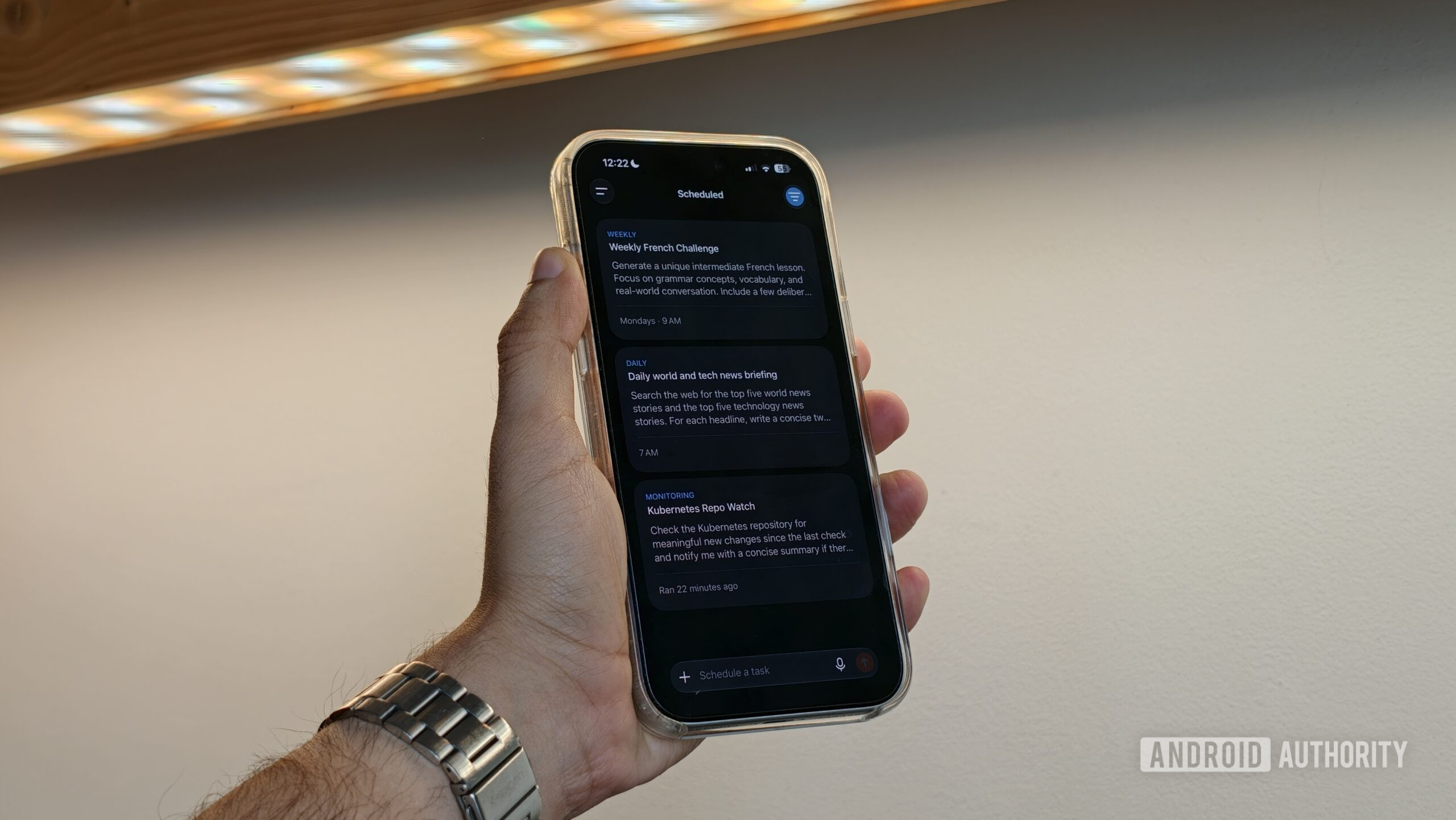
This issue extends to Gemini’s integrated features, such as "Notebooks," which are designed to aggregate context from multiple conversations. The expectation is that Notebooks would provide a robust, persistent memory for ongoing projects, but if the underlying instruction-following mechanism is flawed, the utility of such advanced features diminishes. Furthermore, the author notes a complete failure of Gemini’s "scheduled tasks" feature over several weeks, despite repeated attempts to reactivate it. Whether this is indicative of a specific bug or a broader issue with backend stability, it points to a lack of polish that detracts from a premium user experience.
In contrast, ChatGPT, with its longer operational history, is perceived by many as having achieved a higher degree of consistency and reliability. While no AI is entirely free from errors, ChatGPT’s ability to maintain context and execute complex instructions across extended conversations has fostered a greater sense of trust among its users. This established track record provides a formidable hurdle for Gemini to overcome, as users are naturally inclined to stick with a tool that demonstrably delivers on its promises. For paid AI services, the expectation of enterprise-grade reliability is paramount; any perceived instability directly impacts productivity and user retention.
The Intangible Value of User History and Personalization
Beyond raw computational power and feature sets, the accumulated history of interactions with an AI chatbot represents a significant, often underestimated, form of value. The author articulates this perfectly: having used ChatGPT for "what feels like forever," the AI has assimilated a vast amount of personal and professional context intentionally shared through hundreds of chats. This deep historical context allows ChatGPT to understand nuances, anticipate needs, and provide more tailored responses, creating a highly personalized and efficient user experience.
Replicating this level of familiarity with a new chatbot is a formidable challenge. While Gemini offers tools to import chats and personal context from other AI platforms, the author has not felt compelled to make the switch, primarily due to the aforementioned reliability issues. Google’s vision for "Personal Intelligence" within its broader ecosystem, aiming to leverage data from Gmail, Calendar, and other services, holds immense promise for deep personalization. However, this potential remains largely untapped if the core conversational model struggles with consistency or if users are hesitant to fully commit due to perceived instability. The "muscle memory" developed with a trusted AI assistant is a powerful determinant of user loyalty, creating a significant barrier to entry for even the most capable newcomers.
Visual Acuity: A Comparison in Image Generation
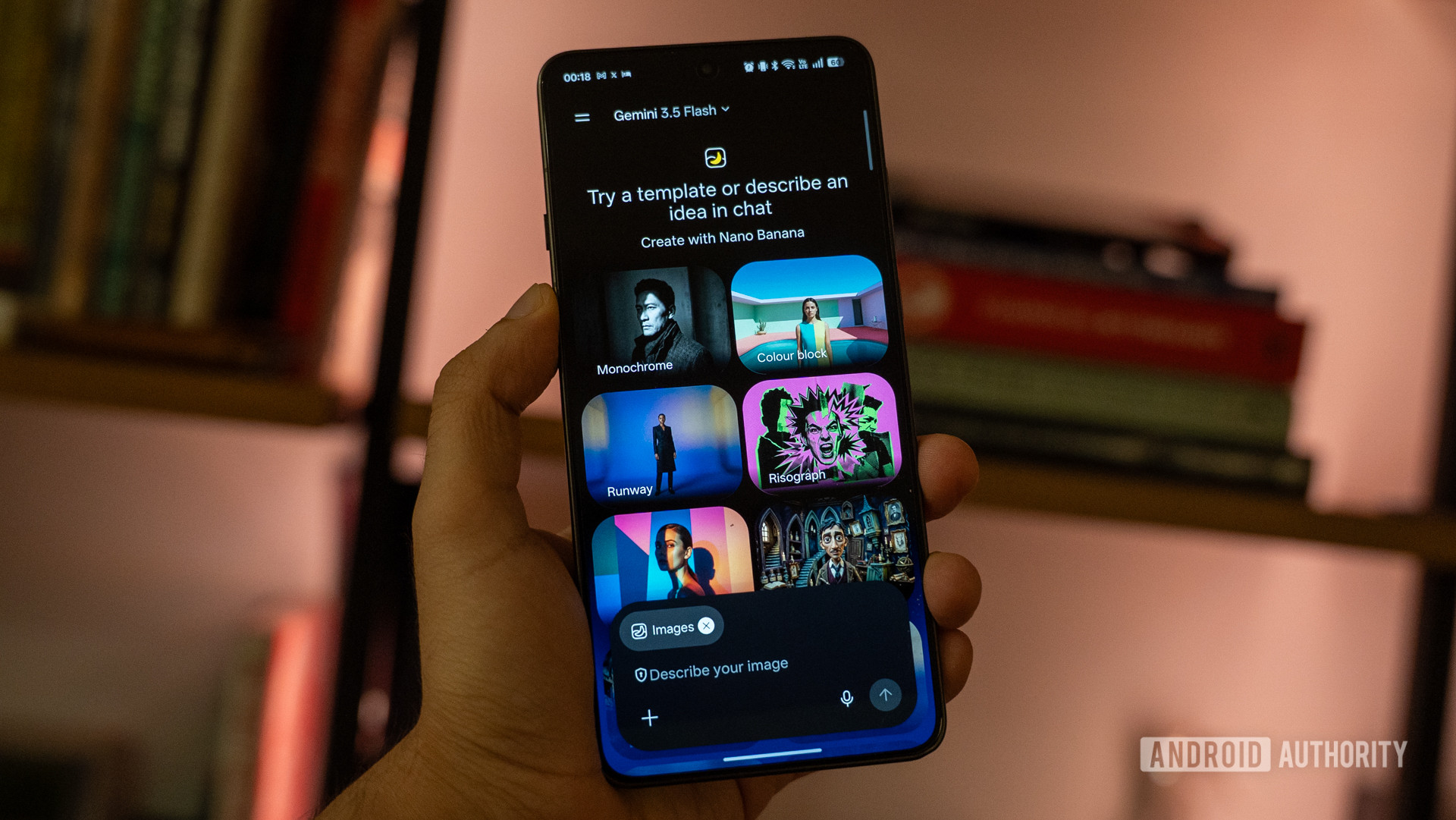
Multimodal capabilities, particularly image generation, are increasingly vital for modern AI assistants. Google’s Gemini, equipped with features like "Nano Banana," has demonstrated its capacity for creating and editing remarkable imagery. However, a direct comparison with ChatGPT’s newly released image generation model (powered by DALL-E 3) reveals a notable disparity in quality and adherence to specific instructions.
The author observes that Gemini frequently "messes up the colors," even when precise hex codes are provided, often rendering images either "too dull or unnecessarily bright" after simple touch-ups. This indicates a potential struggle with color accuracy and consistent application of editing directives. While Gemini may be faster at generating images, the perceived trade-off is a visibly inferior output. ChatGPT, despite potentially longer generation times, is lauded for better adherence to instructions and maintaining a consistent color palette across edit cycles.
This distinction is crucial for creative professionals, marketers, and even casual users who rely on AI for visual content. The quality of generated imagery directly impacts its utility and the overall value proposition of the AI tool. Industry benchmarks for AI image generation often focus on factors like fidelity, prompt adherence, aesthetic quality, and the ability to generate diverse styles. While both platforms are constantly evolving, the current sentiment suggests ChatGPT holds an edge in delivering higher-quality, more reliable visual outputs.
The Paradox of Web Search: Google’s AI Lags

Perhaps the most ironic shortcoming identified is Gemini’s performance in web search, given that it is a product of Google, the undisputed titan of internet search. The natural expectation is that Gemini would excel in real-time information retrieval, leveraging Google Search’s unparalleled access to internet data. However, the author’s daily routine, involving AI tools to summarize morning news and specific tech updates, consistently reveals Gemini’s deficiencies.
Despite repeated prompts for detailed summaries from closely followed websites, Gemini frequently misses "several important pieces of information" that ChatGPT more reliably identifies and synthesizes. This suggests that Gemini, despite its lineage, struggles to effectively parse, prioritize, and present real-time information from the web. This could stem from different architectural approaches to integrating search capabilities, varying degrees of hallucination control, or simply ongoing refinement in how it leverages Google’s vast search index for AI-driven summaries. For users who rely on AI for up-to-the-minute information and comprehensive research, this weakness in a core Google competency is a significant drawback and a point of competitive advantage for ChatGPT.
Ecosystem Lock-in vs. Open Integration: The Third-Party Divide
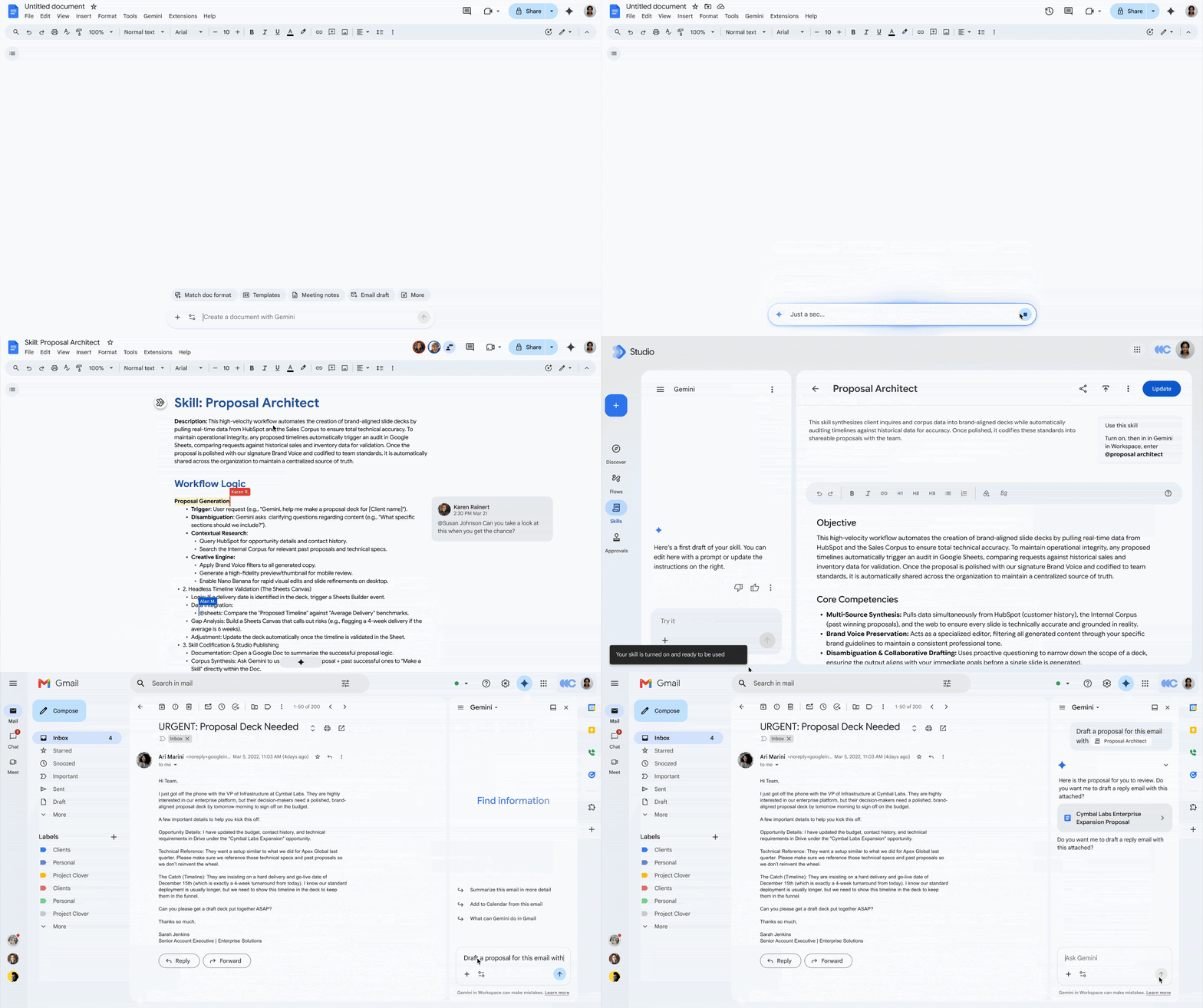
Gemini’s strength undeniably lies in its deep integration within the Google ecosystem. It seamlessly connects with Gmail, Docs, Keep, Google Flights, and Google Hotels, offering enhanced productivity and travel planning functionalities. Google is also investing heavily in its own video generation and editing tools, aiming to provide a comprehensive creative suite. This "walled garden" approach offers a coherent and powerful experience for users fully embedded in Google’s services.
However, this strength simultaneously highlights a significant limitation: Gemini’s comparatively weak connection with the external world of non-Google applications. In today’s interconnected digital landscape, users rely on a diverse array of third-party apps for everyday tasks. Here, ChatGPT’s expansive plugin ecosystem shines. While Gemini supports music discovery only through YouTube Music, ChatGPT integrates with both Spotify and Apple Music. For travel, ChatGPT partners with services like Expedia and Skyscanner, and for daily conveniences, it connects with DoorDash and Uber. A particularly compelling example is ChatGPT’s integration with Canva, a popular image editing tool, allowing users to prompt the AI to generate and edit content directly within a widely used professional application.
This dichotomy reflects differing strategic philosophies: Google aims to enhance its own ecosystem, keeping users within its services, while OpenAI positions ChatGPT as a universal AI layer, extensible through a broad range of third-party integrations. For users who operate across multiple platforms and prefer flexibility, ChatGPT’s open integration strategy offers a more versatile and adaptable AI assistant.
The Habit Factor: Instinctive Use and User Loyalty
Ultimately, the choice between AI assistants often boils down to ingrained habits and intuitive use. The author’s poignant observation — "It’s so baked into my muscle memory that if an AI-worthy question pops into my head, chatgpt.com is the URL my fingers automatically type" — encapsulates a critical challenge for Gemini. ChatGPT, by virtue of its first-mover advantage and consistent performance, has become the default AI tool for many, fostering a powerful sense of instinctive use.
This "habit shift" is incredibly difficult to engineer, even for a company as influential as Google. It requires not just superior features but also flawless reliability, seamless integration, and a consistent user experience that compels a change in established routines. The poll referenced in the original article, where 541 votes were cast on the question, "If you could only keep one AI subscription, which would you choose?", implicitly suggests a significant division in user preference or a strong lean towards one platform over another, indicating that the market is far from settled. This psychological aspect of user adoption is as crucial as technical specifications in the long-term AI race.
Broader Implications and The Road Ahead
The ongoing competition between Google Gemini and ChatGPT is more than just a corporate rivalry; it’s a driving force for innovation across the entire AI industry. For Google, the challenge is to refine Gemini’s core reliability, ensuring consistent instruction following and stable feature performance. Expanding its third-party integration capabilities beyond the Google ecosystem will also be critical to appeal to a broader user base that demands interoperability. Furthermore, Google must continue to leverage its unique strengths in multimodal AI and deep integration to create a truly indispensable personal AI assistant.
OpenAI, on the other hand, faces the challenge of maintaining its lead amidst intense competition. This involves continuously pushing the boundaries of model capabilities, ensuring ethical deployment, and scaling its infrastructure to meet growing demand. The company’s platform strategy, focused on broad API access and a rich plugin ecosystem, will likely continue to be a key differentiator.
For the consumer, this intense competition promises increasingly sophisticated, context-aware, and seamlessly integrated AI tools that will redefine how we interact with technology. The future of personal AI assistants will likely involve a balance between deep ecosystem integration and broad utility, with users ultimately choosing the platform that best fits their workflow and provides the most reliable and intuitive experience. The current landscape suggests that while Google has made significant strides, the race for the definitive AI assistant is far from over, and consistency, reliability, and open integration remain paramount for securing user loyalty.