Rivian R2 Cut Its Lifetime Carbon Footprint in Half Compared to the R1 According to New Sustainability Reports

The automotive industry has long grappled with a fundamental paradox: the manufacture and operation of electric vehicles (EVs), while crucial for long-term decarbonization, generate significant environmental burdens during their initial production cycles. Major automakers frequently tout their sustainability initiatives, highlighting reductions in overall greenhouse gas emissions, increased reliance on recycled components, and advanced, energy-efficient manufacturing methodologies. However, bridging the gap between corporate public relations and verifiable, data-driven progress remains a persistent challenge.
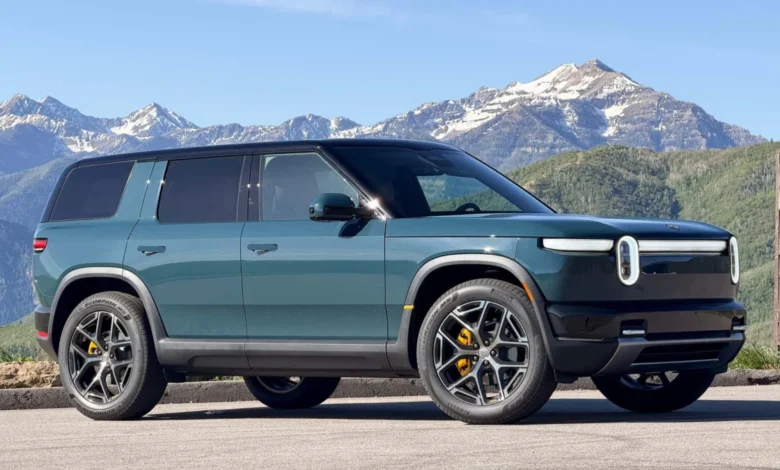
In a decisive move to substantiate its environmental claims, electric vehicle manufacturer Rivian has released its comprehensive 2025 Impact Report alongside the specific R2 Circularity, Energy, and Carbon Footprint Report. These extensive documents provide a transparent accounting of the company’s manufacturing lifecycle and supply chain dynamics. Most notably, the data reveals that the forthcoming Rivian R2 SUV achieves a lifecycle carbon footprint that is effectively half that of its larger and heavier predecessor, the Rivian R1 platform. This substantial reduction underscores a strategic pivot toward material efficiency, streamlined aerodynamics, and circular economy principles within the electric vehicle sector.
Comprehensive Lifecycle Assessment and Efficiency Gains
The dramatic reduction in the R2’s carbon footprint is not merely a byproduct of emissions-free driving; it encompasses a rigorous lifecycle assessment (LCA) that measures environmental impact from raw material extraction and manufacturing through operational use and eventual recycling. While the initial manufacturing phase of any automobile demands considerable energy, the R2 benefits heavily from its smaller physical footprint, lighter curb weight, and refined aerodynamic profile.
When compared to the larger R1T pickup truck and R1S SUV, the R2’s reduced mass requires less kinetic energy to propel down public roadways. This inherent efficiency translates directly into lower energy consumption per mile driven over the vehicle’s lifespan. Furthermore, Rivian’s engineering teams optimized the vehicle’s structural layout to minimize aerodynamic drag, ensuring that battery energy is utilized with maximum efficiency during highway cruising and daily commuting.
Beyond operational efficiency, the R2 represents a major milestone in material science and circular manufacturing. The vehicle is constructed using approximately 25 percent recycled materials by weight, setting a new benchmark for mainstream consumer electric vehicles. Rivian’s interior design philosophy emphasizes end-of-life recyclability, with cabin components engineered so that they can be almost entirely processed through conventional recycling streams at the end of the vehicle’s operational life.
Innovative Use of Recycled Materials and Sustainable Sourcing
A closer examination of the R2’s bill of materials reveals an extensive integration of repurposed waste products, illustrating a paradigm shift in how automotive interiors and structural components are sourced.
The vehicle’s interior textiles are manufactured using recycled Nordic paper waste, offering a sustainable alternative to traditional synthetic fabrics and animal leathers without compromising durability or aesthetic appeal. In the cargo areas, the front trunk (frunk) trim and various cabin accent pieces incorporate up to 85 percent consumer recycled plastic waste. Floor protection has also been re-engineered; the standard floor mats are constructed from 99 percent ocean-reclaimed waste materials, directly addressing the global crisis of marine plastic pollution.
Perhaps most impressively, the structural resin battery cell trays—critical components that house and protect the vehicle’s high-voltage energy storage system—are manufactured from 100 percent recycled materials. By diverting these materials from landfills and oceans and integrating them into high-stress automotive applications, Rivian has demonstrated that circular manufacturing principles can scale successfully to meet the stringent safety and structural demands of modern electric vehicles.
Intelligent Energy Management and Grid Integration
Reducing a vehicle’s carbon footprint extends beyond the factory floor and the selection of raw materials; how an electric vehicle interacts with the electrical grid plays a pivotal role in its total environmental impact. To address this, the Rivian R2 features advanced integrated smart charging capabilities designed to optimize energy consumption patterns at the consumer level.
The smart charging system is programmed to prioritize replenishment cycles during low-peak hours of the electrical grid. By syncing with local utility rate structures and grid demand forecasts, the vehicle intelligently manages its charging schedule while plugged in at home, ensuring it draws power when renewable energy sources are most abundant and overall grid demand is lowest. This functionality not only reduces electricity costs for the vehicle owner but also alleviates strain on municipal energy grids and minimizes the indirect carbon emissions associated with burning fossil fuels to meet peak electricity demand.
Supply Chain Ethics and Educational Outreach
Rivian’s 2025 sustainability disclosures extend well beyond vehicle engineering, encompassing rigorous supply chain governance and corporate social responsibility initiatives. Recognizing that upstream suppliers account for a substantial portion of an automotive manufacturer’s indirect scope emissions and ethical risks, Rivian has instituted strict compliance requirements for its business partners.
Under the company’s updated procurement policies, all potential Tier 1 direct suppliers are subjected to mandatory human rights and environmental screenings. This policy ensures that labor practices, raw material extraction—particularly for critical battery minerals like lithium, cobalt, and nickel—and manufacturing emissions across the supply chain align with internationally recognized ethical and ecological standards.
In addition to supply chain oversight, Rivian is actively investing in workforce development and technical education. The company has expanded its educational network to encompass 45 colleges and trade schools across the United States. Through these partnerships, Rivian provides students and future technicians with specialized educational resources focused on energy conservation, advanced sustainable manufacturing techniques, and the technical intricacies of electric vehicle maintenance.
Broader Industry Implications and Future Outlook
The release of Rivian’s 2025 Impact Report arrives at a critical juncture for the global automotive industry. As regulatory bodies in North America, Europe, and Asia tighten environmental standards and consumer awareness regarding climate change reaches unprecedented levels, automakers face mounting pressure to deliver verifiable sustainability metrics rather than vague corporate pledges.
The achievement of halving the lifetime carbon footprint with the R2 model demonstrates that next-generation EV platforms can achieve significant economies of environmental scale. By prioritizing lightweight architectures, maximizing recycled content, implementing smart grid integration, and enforcing strict supply chain audits, Rivian has established a competitive framework for sustainable automotive manufacturing.
While enthusiasts and consumers will continue to evaluate the R2 on its performance metrics, driving dynamics, and market pricing, the broader significance of the vehicle lies in its mitigated ecological impact. As the R2 prepares for full-scale production and market deployment, it serves as a tangible indicator of how the automotive sector can reconcile the inherent resource demands of vehicle production with the urgent imperative of global carbon reduction.