Sony delays PlayStation’s Pulse Elevate speakers indefinitely, less than a week before launch

A Sudden Halt in the Production Pipeline
The decision to delay such a product only six days before its global commercial availability suggests that the identified issue is significant enough to prevent a standard rollout. While Sony’s official statement—citing an "ongoing quality testing" process—remains intentionally vague regarding the technical nature of the problem, industry analysts note that such last-minute interventions are rare for a company of Sony’s manufacturing scale.
"As part of our ongoing quality testing of Pulse Elevate speakers, we have identified a production issue with the product and have made the decision to delay the launch," the company stated in its update. "The additional time will allow us to ensure the product will deliver the experience we intended for our players. We apologize for the delay and appreciate your patience and understanding. We look forward to bringing Pulse Elevate to players soon."
For consumers who had already committed to the product, the announcement creates immediate logistical friction. Pre-orders for the units, which were priced at £199.99 ($219.99), had been active since September 2025. Sony has yet to provide specific instructions for those who have already processed payments, though standard consumer protection practices in major markets like the UK, EU, and US typically dictate that customers be offered the option to either maintain their pre-order or receive a full refund during an indefinite delay.
The Pulse Elevate: Context and Strategic Significance
The Pulse Elevate speakers were designed to be a centerpiece of Sony’s "Pulse" branding initiative, serving as the first dedicated wireless speaker system for desktop gaming in the PlayStation hardware family. By integrating into the existing PlayStation Link ecosystem—a low-latency wireless technology previously seen in the Pulse Elite headset and the Pulse Explore earbuds—the speakers were meant to bridge the gap between console gaming and the desktop environment.
The hardware was intended to be highly versatile, offering multi-device connectivity. Users were expected to be able to pair the speakers with a PlayStation 5, PC, Mac, or the PlayStation Portal handheld device via the proprietary PlayStation Link dongle, while simultaneously maintaining a Bluetooth connection with a smartphone or tablet. This dual-audio functionality is a growing requirement for modern gamers who frequently communicate via mobile apps like Discord while gaming on a console or desktop.
Furthermore, the hardware promised "AI-enhanced noise rejection" for its built-in microphone, a feature aimed at providing high-fidelity voice chat without the need for a headset. By targeting the desktop gaming demographic, Sony was positioning itself to compete more aggressively with established audio brands such as Razer, Logitech, and Creative, which have dominated the high-end gaming speaker market for years.
Chronology of the Pulse Elevate Development
The path to this indefinite delay has been marked by several key milestones that highlight the scale of Sony’s ambition for this product line:
- September 24, 2025: Sony officially unveils the Pulse Elevate speakers alongside a broader hardware strategy, positioning them as the premium audio solution for PlayStation desktop users.
- Late September 2025: Pre-orders officially open to the public, gauging consumer interest and establishing a global release roadmap.
- November 6, 2026: Less than a week before the scheduled November 12 launch, Sony updates its blog post to announce the indefinite postponement due to a "production issue."
- November 2026 (Present): The product status remains "TBD," with no revised release window provided by Sony Interactive Entertainment.
Market Implications and Hardware Quality Standards
The delay of the Pulse Elevate speakers reflects a broader trend in the gaming industry, where hardware manufacturers are increasingly prioritizing brand reputation and quality control over strict adherence to launch dates. In recent years, several major hardware launches across the industry have been marred by early-adoption defects—such as stick drift in controllers or overheating in portable devices—that necessitate costly recalls or hardware revisions.
By opting to delay the product before it reaches consumer hands, Sony is likely attempting to avoid a potential PR crisis and the logistical nightmare of a mass return program. From a financial perspective, the delay also serves as a risk mitigation strategy. Should the "production issue" relate to a core component, such as the proprietary wireless connectivity module or a manufacturing flaw in the speaker drivers, catching it now is exponentially cheaper than managing warranty claims for thousands of units sold globally.
However, the delay does little to satisfy the immediate demand for the hardware. The desktop gaming market, particularly for users of the PlayStation 5 who favor monitor-based setups, has been underserved by official PlayStation-branded audio solutions that aren’t headsets. The Pulse Elevate was specifically marketed as the solution for gamers who find long-term headset use uncomfortable or unnecessary.
Broader Context of Sony’s Hardware Strategy
The Pulse Elevate is part of a larger, more aggressive hardware expansion strategy for Sony. In September 2025, the company also unveiled a 27-inch gaming monitor specifically designed for high-performance console play. Interestingly, that monitor faced its own market challenges, as it was limited to release only in the United States and Japan, highlighting the complex regional logistics Sony currently navigates.
The company’s focus on the "PlayStation Link" ecosystem remains the most critical aspect of its hardware strategy. By creating a closed-loop system of peripherals—headsets, earbuds, and now speakers—Sony aims to increase the "stickiness" of the PlayStation brand. When users invest in a specialized wireless dongle for their PS5, they are incentivized to purchase further Sony-branded hardware that utilizes the same protocol. Any disruption to this chain, such as the failure of a key product like the Pulse Elevate, has a cascading effect on the perceived value of the entire peripheral lineup.
Looking Ahead: What Comes Next?
For now, consumers and retailers are left in a state of uncertainty. While Sony’s statement expresses a commitment to bringing the speakers to market "soon," the history of consumer electronics suggests that "indefinite" delays can often last months as companies troubleshoot complex manufacturing issues.
Potential scenarios for the next few weeks include:
- Manufacturing Revision: Sony may need to alter the assembly process for the speakers, which could involve sourcing new components or changing the physical construction to address the identified flaw.
- Software/Firmware Patch: If the issue is related to how the speakers communicate via the PlayStation Link protocol, a firmware update might resolve the problem, though the "production issue" label makes this less likely than a hardware-side fix.
- Regional Launch Staggering: Sony might decide to launch the product in select markets first, once the production line is stabilized, rather than attempting a simultaneous global rollout.
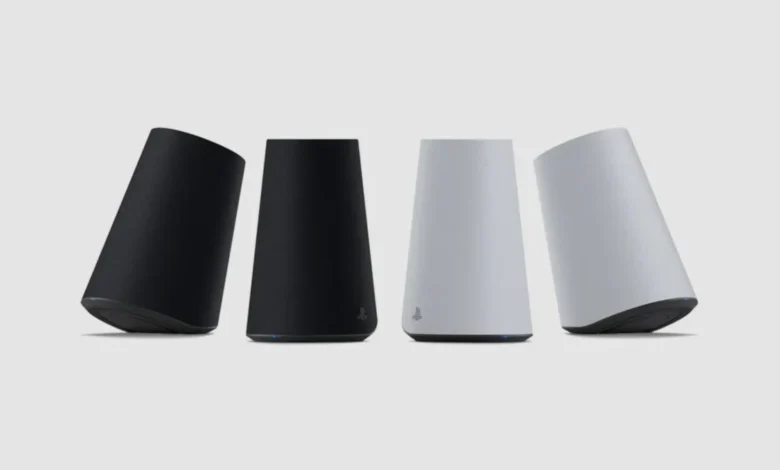
The release of the Midnight Black version (slated for global distribution) and the White version (limited to specific regions including the UK) remains a key part of the marketing narrative. Whether these color-specific variations are affected by the production issue or if they will remain part of the eventual launch plan remains to be seen.
As the industry watches for further updates, the situation serves as a stark reminder of the complexities involved in bringing new consumer hardware to market. For Sony, the pressure is on to maintain the quality standards expected of the PlayStation brand. The success of the Pulse Elevate will not only be measured by its eventual sound quality or design but by Sony’s ability to navigate this hurdle and deliver a product that justifies the high expectations of its global gaming audience. Until further notice, those who had hoped to upgrade their desktop audio setup with the Pulse Elevate will have to wait, as Sony continues its efforts to rectify the production defects that have stalled this significant release.