Alien: Isolation 2 developers commit to physical media as the iconic Xenomorph returns with enhanced AI

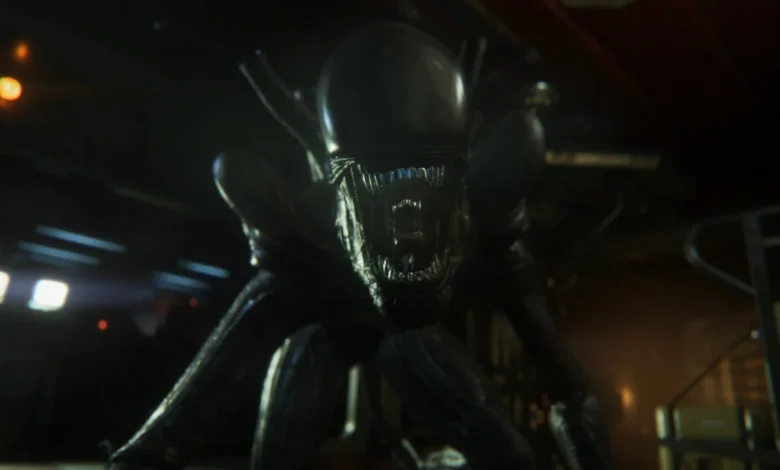
Creative Assembly has officially confirmed that the highly anticipated sequel to the seminal 2014 survival horror title, Alien: Isolation, will receive a dedicated physical edition upon launch. This announcement, delivered via a formal developer Q&A session, arrives at a critical juncture for the gaming industry, which is currently grappling with a significant shift toward all-digital distribution models. As developers from the studio reflected on the project’s development pillars, they emphasized that the tactile nature of physical media is inextricably linked to the "analogue" aesthetic that defined the original game’s terrifying, retro-futuristic atmosphere.
The Commitment to Physical Media
In an era where major hardware manufacturers are increasingly distancing themselves from physical discs, Creative Assembly’s decision serves as a notable stance for media preservation. The announcement comes in the shadow of Sony Interactive Entertainment’s disclosure that it plans to cease the production of new PlayStation discs by January 2028. This looming deadline has created a palpable tension within the gaming community, sparking debates among collectors, retail distributors, and consumer rights advocates regarding the longevity of digital-only ownership.
By committing to a physical release, Creative Assembly is positioning Alien: Isolation 2 as a premium, tangible collector’s item. However, the lack of a firm release date presents a logistical hurdle for PlayStation users. Should the title launch after the February 2028 cutoff, physical access on Sony platforms may be restricted. Despite this, the game remains slated for a broad multi-platform release, including PC, the upcoming Nintendo Switch 2, and the Xbox Series X/S ecosystem, ensuring that the physical version remains a viable option for a large portion of the player base.
Evolution of the Xenomorph and Gameplay Mechanics
The core of the Alien: Isolation experience—a single, relentless, and highly intelligent antagonist—remains the central focus of the sequel. Creative Director Al Hope and Lead Game Designer James Green have provided insights into how the team is iterating on the original’s acclaimed "A.I. director" system. In the 2014 original, the Xenomorph utilized a sophisticated hidden system to track the player’s location, creating an experience where the creature felt genuinely unpredictable.
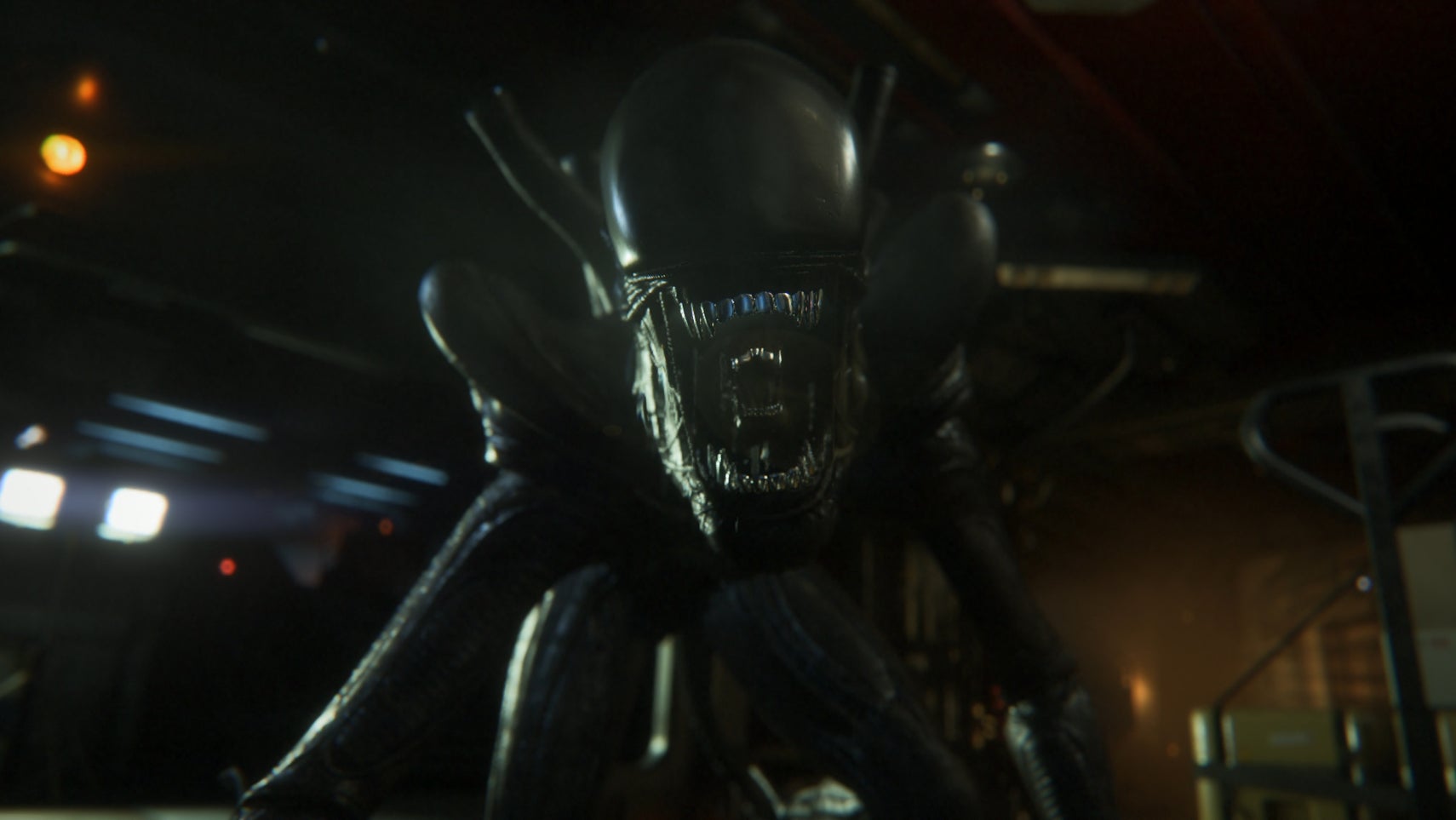
For the sequel, the developers have confirmed that the creature is "even more intelligent." Beyond mere pathfinding improvements, the Xenomorph is now capable of utilizing environmental variables, including extreme climate conditions, to stalk the player. This introduces a new layer of psychological horror, forcing players to account for environmental camouflage in addition to the creature’s heightened sensory perception.
Expanding the Horizon: From Claustrophobia to Vulnerability
One of the most significant design departures from the original title is the expansion of the map architecture. While the 2014 game focused almost exclusively on the tight, labyrinthine corridors of the Sevastopol space station, Alien: Isolation 2 will introduce exterior environments. Al Hope detailed the design philosophy behind this shift, framing it as a "see-saw" of emotional states.
"You have the interior spaces which feel claustrophobic and the player feels trapped, which is super familiar to Isolation fans," Hope noted. "But we also have exteriors as well where the creature is now learning to adapt and hunt in these open spaces." The intended effect is to manipulate the player’s sense of safety. While players will naturally crave the open air after the suffocating pressure of interior environments, that relief will be short-lived. Once outside, the lack of cover and the increased visibility will leave players feeling exposed, creating a dynamic cycle of tension that dictates the pacing of the game.
Historical Context and Team Composition
Creative Assembly has been careful to balance the preservation of the original’s identity with the necessity of innovation. James Green revealed that approximately 25% to 33% of the development team consists of veterans who worked on the original 2014 title. This retention of "legacy talent" is intended to ensure that the sequel maintains the specific visual and mechanical DNA of the predecessor, while the influx of new developers provides the necessary technical expertise to push the boundaries of modern hardware.
The 2014 Alien: Isolation remains a high-water mark for the survival horror genre. It was praised for its fidelity to Ridley Scott’s 1979 film, utilizing a "lo-fi sci-fi" aesthetic—crackle-tube monitors, bulky hardware, and analog sound design—that resonated deeply with franchise purists. The development team’s commitment to these pillars suggests that the sequel will not attempt to reinvent the franchise, but rather deepen the existing mechanics of stealth, resource management, and reactive AI.

Broader Industry Implications
The debate surrounding physical media is not merely about consumer preference; it touches on fundamental questions regarding digital rights management (DRM) and game preservation. Following the industry-wide backlash to the news of Sony’s impending disc-production shutdown, the "Physical Media Protest" movement has gained significant traction. By aligning with this sentiment, Creative Assembly is effectively marketing to a core demographic that values ownership and long-term access to their software.
From a market analysis perspective, the decision to produce a physical edition for a horror game—a genre that often relies on sustained engagement and cult-following longevity—is a strategic move. Physical copies allow for a secondary market, collector’s editions, and a sense of permanence that digital storefronts, which can be shuttered or updated, sometimes lack.
Looking Ahead
While the lack of a release date remains the primary point of speculation, the transparency provided by the developers in their latest Q&A suggests that the project is well into its production cycle. The combination of established design talent, an enhanced, climate-aware Xenomorph AI, and the expansion into varied, exterior environments positions Alien: Isolation 2 as one of the most anticipated titles in the survival horror space.
As the industry approaches the 2028 threshold, the status of physical media will continue to be a primary talking point for developers and publishers alike. Creative Assembly’s stance offers a reprieve for those concerned about the erosion of traditional gaming formats. For now, fans of the franchise can look forward to a title that promises to retain the crushing, claustrophobic dread of its predecessor while introducing new, open-air variables that threaten to make the Xenomorph more dangerous than it has ever been.
The studio has yet to provide a roadmap for further announcements, but with the development team actively engaging with the community via regular updates, fans should expect more granular details regarding the game’s mechanics and specific platform performance in the coming months. As it stands, Alien: Isolation 2 is shaping up to be a meticulous, design-led sequel that respects the lineage of the 1979 classic while pushing the technical limits of the current generation of consoles and PCs. Whether this translates to a successful launch depends on the team’s ability to maintain that precarious balance between the comfort of the familiar and the terror of the unknown.