The $399 Signal Ring provides actual systolic and diastolic readings, but it’s launching as a wellness device without FDA clearance

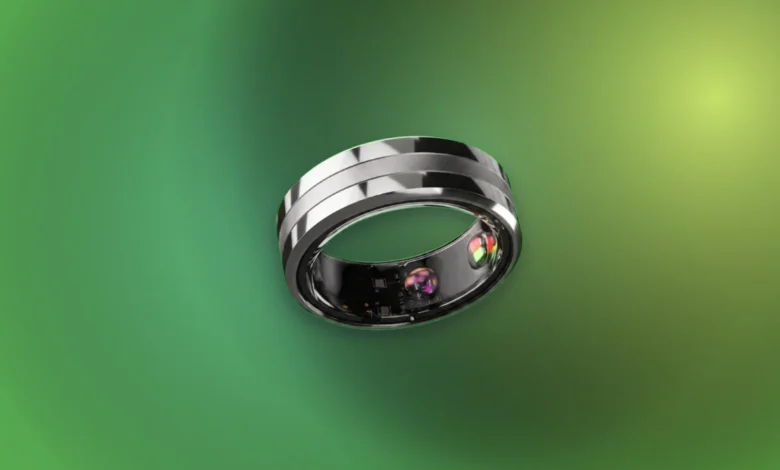
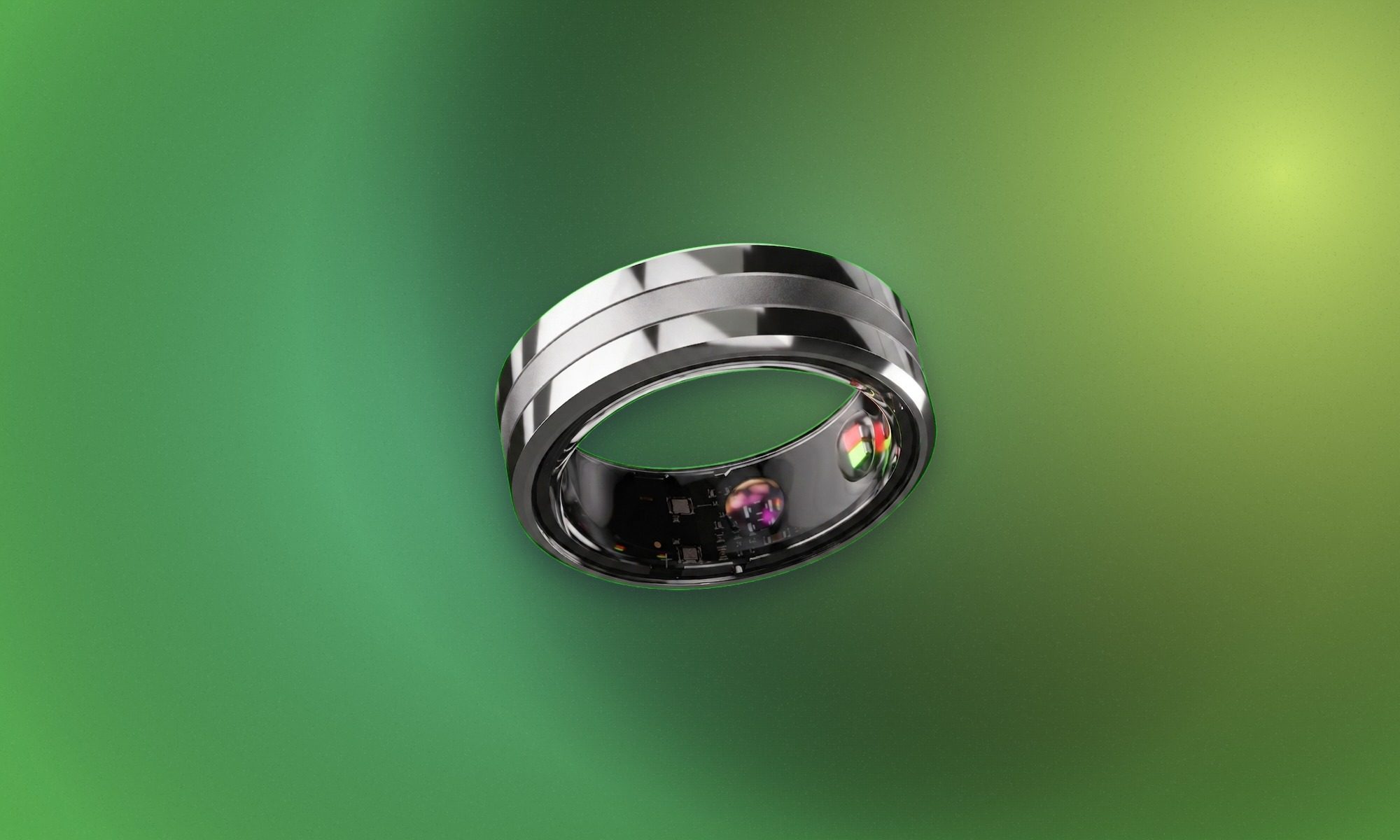
Vital Signals has unveiled its ambitious Signal Ring, priced at $399, positioning it as a groundbreaking wearable capable of delivering numerical systolic and diastolic blood pressure readings without the traditional reliance on an arm cuff for initial or recurring calibration. This bold move directly challenges the cautious approaches of established players like Apple and Oura, who have yet to offer such a direct measurement capability in their smart devices. However, the Signal Ring’s entry into the market as a "wellness device" lacking U.S. Food and Drug Administration (FDA) clearance for its consumer model immediately raises critical questions regarding accuracy, reliability, and its potential role in medical health management.
The Quest for Cuffless Blood Pressure Monitoring
The introduction of the Signal Ring marks a significant moment in the ongoing pursuit of convenient, continuous, and non-invasive blood pressure monitoring. Hypertension, often dubbed the "silent killer," affects an estimated 1.28 billion adults worldwide aged 30-79, according to the World Health Organization (WHO). In the United States alone, nearly half of adults (122 million, or 47%) have hypertension, with only about 1 in 4 (24%) having their condition under control, as reported by the Centers for Disease Control and Prevention (CDC). Regular blood pressure monitoring is crucial for diagnosis, management, and prevention of severe cardiovascular events like heart attacks and strokes. Yet, traditional cuff-based methods can be inconvenient, leading to inconsistent monitoring, particularly outside clinical settings.

The wearable technology industry has long eyed blood pressure measurement as a "holy grail" feature. Smartwatches and fitness trackers from companies like Apple, Samsung, and Google (Fitbit) offer a wide array of health metrics, including heart rate, ECG, blood oxygen, and even skin temperature, but continuous, cuffless blood pressure readings with medical-grade accuracy have remained elusive. This is largely due to the complex physiological mechanisms involved in blood pressure and the stringent regulatory requirements for devices making diagnostic claims. The Signal Ring’s promise to deliver actual systolic and diastolic numbers without calibration represents a leap if its claims can be validated and sustained in real-world use.
Unpacking the Technology: How the Signal Ring Claims to Work
At the heart of the Signal Ring’s innovation are custom electronics and proprietary algorithms designed to estimate blood pressure directly from the finger. Vital Signals asserts that its system utilizes optical sensors to capture cardiovascular signals, which are then processed by sophisticated software to derive estimated readings. This method aligns with the general approach for "cuffless" devices described by the American Heart Association (AHA), which typically relies on photoplethysmography (PPG) sensors to detect changes in blood volume in the capillaries, combined with algorithms that correlate these signals with blood pressure.
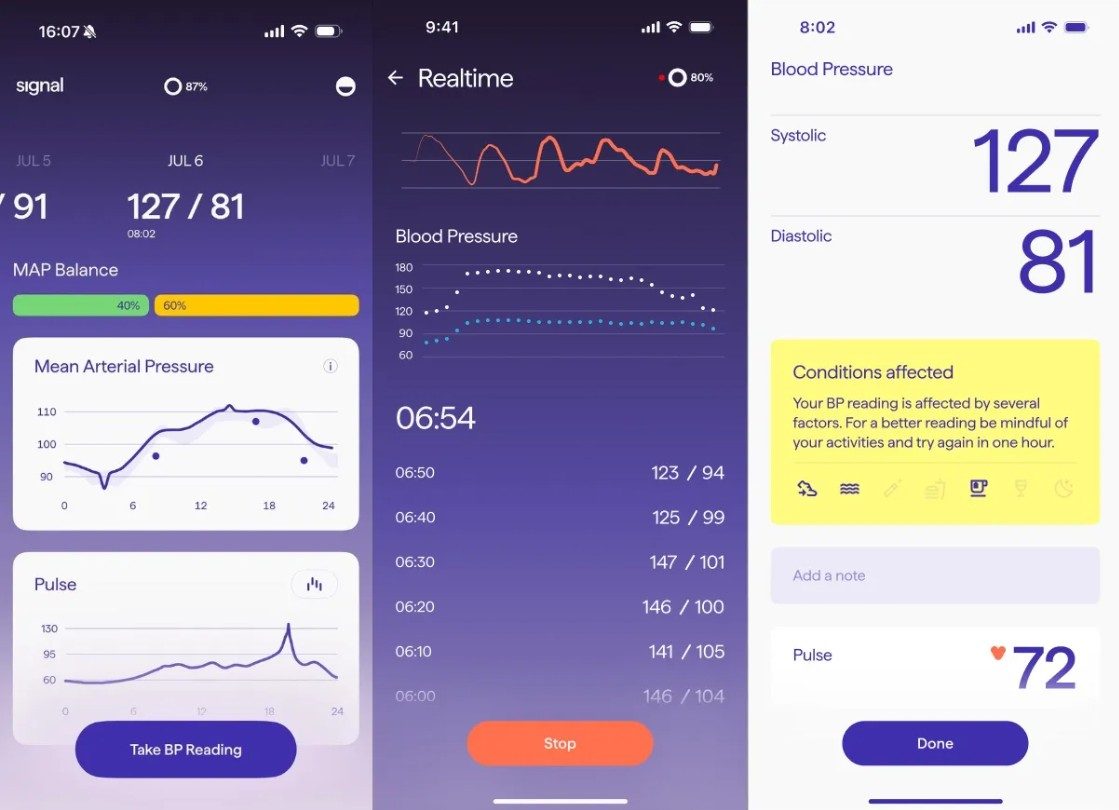
Crucially, Vital Signals claims its algorithms account for individual physiological differences, such as body mass and varying arterial stiffness, which are significant factors in blood pressure variability and a major challenge for cuffless technologies. Users are advised to initiate a session manually, sitting quietly for the cleanest measurement. The accompanying iOS or Android app is designed to guide users, offering breathing exercises and pausing measurements if it detects movement or talking, both of which can distort readings. The ring can collect data throughout the day and overnight, providing a comprehensive overview of blood pressure trends, which can be invaluable for understanding a user’s cardiovascular health patterns.
Regulatory Hurdles and the "Wellness Device" Classification
The decision by Vital Signals to launch the consumer model of the Signal Ring without FDA clearance as a medical device is a pivotal aspect of its market entry. The company is reportedly testing a separate, medical-grade version intended for diagnosing hypertension and flagging dangerous trends, with results from those clinical trials yet to be published. This dual strategy—a wellness device for consumers and a medical device for professional use—is a common pathway for health tech companies navigating the complex regulatory landscape.
For a device to be classified as a medical device and receive FDA clearance, it must undergo rigorous testing to demonstrate accuracy, reliability, and safety for its intended use. The FDA’s draft guidance for cuffless non-invasive blood pressure measuring devices outlines extensive performance testing requirements, emphasizing the need for robust clinical validation. Without this clearance, the consumer Signal Ring cannot legally make claims about diagnosing, treating, or preventing disease. Instead, it is positioned as a tool for "wellness" or "general health awareness," meaning its readings are not intended to be used for medical decisions or to replace professional medical advice.
This distinction is not merely semantic; it carries significant implications for users. The FDA explicitly warns against relying on unauthorized blood pressure wearables, stating that inaccurate readings could lead to delayed treatment for high blood pressure or prompt inappropriate changes in medication, both of which can have serious health consequences. Therefore, while the Signal Ring offers compelling technology, its current regulatory status necessitates a cautious approach from consumers and healthcare providers alike.
Expert and Industry Perspectives
The medical community and regulatory bodies remain circumspect about cuffless blood pressure monitoring. The American Heart Association acknowledges the potential of cuffless devices but stresses the importance of accuracy and validation. Their position underscores the complexity of reliably measuring blood pressure without direct arterial occlusion, highlighting that current cuffless technologies often face challenges related to calibration, individual variability, and susceptibility to motion artifacts.
The FDA’s stance, as articulated in its safety communications, reinforces the need for caution. The agency emphasizes that consumers should continue to use FDA-cleared or approved blood pressure measuring devices for medical purposes. For Vital Signals, obtaining FDA clearance for its medical-grade version will be a critical hurdle, requiring the publication of robust clinical trial data that unequivocally demonstrates accuracy comparable to traditional, validated methods. Until then, the consumer Signal Ring remains outside the realm of medically actionable devices.
Real-World Application and Early Observations
Early hands-on demonstrations, as reported by Bloomberg, provided a glimpse into the Signal Ring’s practical performance and its current limitations. During these demonstrations, some readings were noted to be inaccurate, which Vital Signals attributed to issues with ring fit. This observation highlights a fundamental challenge for finger-based optical sensors: consistent and proper skin contact is paramount for accurate data collection. An imperfect fit can lead to signal noise and unreliable readings, undermining the device’s utility.

Furthermore, a significant portion of the Signal Ring’s data processing occurs in the cloud. While the ring can record measurements offline, users will not be able to view their results until the device reconnects to the internet. This dependency on cloud processing could be a drawback for users in areas with intermittent connectivity or for those who prefer immediate access to their health data without external reliance. It also raises questions about data privacy and security, as sensitive health information is being transmitted and processed remotely.
Target Audience and Market Strategy
Vital Signals appears to be strategically targeting a specific demographic: individuals diagnosed with hypertension or those at an elevated risk of developing the condition. This contrasts with the broader "general fitness" market typically pursued by smart ring competitors like Oura or RingConn. While the Signal Ring does offer ancillary features such as heart rate monitoring and some basic sleep tracking, these are presented as supporting roles rather than primary functionalities. This focused approach suggests Vital Signals aims to address a specific, unmet need within chronic disease management.
An attractive aspect of the Signal Ring’s market strategy is the absence of a recurring subscription fee, a model that has become increasingly common for premium smart wearables like the Oura Ring. The $399 upfront price positions it as a significant investment, but the lack of ongoing costs could make it more appealing to long-term users, particularly those managing a chronic condition for whom continuous monitoring is essential. This pricing model could also differentiate it in a crowded market where many advanced features are locked behind monthly or annual subscriptions.

The Broader Implications for Healthcare and Consumers
The emergence of devices like the Signal Ring holds immense potential for transforming how individuals manage their health, especially chronic conditions like hypertension. If proven accurate and reliable through rigorous clinical validation and regulatory approval, cuffless blood pressure monitoring could empower millions to monitor their health more proactively and conveniently. This could lead to earlier detection of hypertension, better adherence to treatment plans, and more informed conversations with healthcare providers.
However, the current landscape necessitates a balanced perspective. For consumers, the appeal of a sleek, non-invasive device offering critical health data is strong. Yet, the absence of FDA clearance means that any readings from the Signal Ring should be considered informational for wellness purposes only and not as a substitute for medical-grade devices or professional clinical advice. Individuals whose treatment hinges on precise blood pressure readings are strongly advised to continue using authorized arm cuffs and consult with their clinicians.
The success of the Signal Ring, and indeed the broader category of cuffless blood pressure monitors, will ultimately depend on several factors: the ability of Vital Signals to achieve FDA clearance for its medical-grade version, consistent real-world accuracy that withstands scrutiny beyond controlled testing environments, and consumer trust built on transparency and reliable performance.

Challenges and the Path Forward
The path forward for Vital Signals and the Signal Ring is paved with both opportunity and significant challenges. The company must:
- Publish Clinical Trial Data: Transparently share the results of clinical trials for its medical-grade version, demonstrating accuracy and reliability against established gold standards.
- Seek Regulatory Clearance: Actively pursue and obtain FDA clearance (or equivalent international approvals) for its device to be recognized as a legitimate medical tool.
- Address Practical Limitations: Refine the device’s design and algorithms to minimize inaccuracies caused by factors like ring fit and user movement, ensuring consistent performance in diverse real-world scenarios.
- Build Trust: Overcome skepticism from the medical community and consumers by providing robust evidence and clear guidance on the device’s capabilities and limitations.
The Signal Ring represents an exciting, albeit cautious, step forward in wearable health technology. Its promise of accessible, cuffless blood pressure monitoring could profoundly impact hypertension management. However, until its claims are fully substantiated by independent clinical validation and regulatory bodies, its role will remain primarily as a wellness companion, urging users to maintain a healthy skepticism and prioritize medical advice from authorized sources. The journey from a promising innovation to a trusted medical device is a long one, and Vital Signals has just begun to chart its course. The coming months, particularly after its scheduled October shipping date, will reveal how well the Signal Ring performs under the scrutiny of everyday use and how it will ultimately shape the future of personal health monitoring.