Apple’s Bid to Overturn $634 Million Masimo Patent Verdict and Secure New Trial Denied

A California federal judge has decisively rejected Apple’s comprehensive attempts to overturn a $634 million patent infringement verdict and secure a new trial in its protracted legal battle with medical technology company Masimo. This ruling marks a significant setback for the Cupertino tech giant, solidifying the jury’s earlier finding that certain features within the Apple Watch infringe upon Masimo’s patented pulse oximetry technology. The decision, handed down by U.S. District Judge James V. Selna, underscores the increasing scrutiny on intellectual property in the rapidly evolving health technology sector and sets the stage for a likely appeal from Apple.
The Genesis of a High-Stakes Legal Confrontation
The intricate legal saga between Apple and Masimo began in early 2020 when Masimo, a renowned developer of non-invasive patient monitoring technologies, filed a lawsuit against Apple. The core of Masimo’s accusation was that Apple had illicitly acquired its trade secrets and infringed upon its patents related to pulse oximetry and other optical health-monitoring innovations. Masimo alleged that Apple had engaged in a systematic campaign to poach key employees and leverage their expertise to develop the health monitoring capabilities of the Apple Watch, particularly its blood oxygen sensing features. This initial lawsuit ignited a multi-front legal conflict that has since played out across various courts and regulatory bodies, highlighting the fierce competition at the intersection of consumer electronics and medical diagnostics.
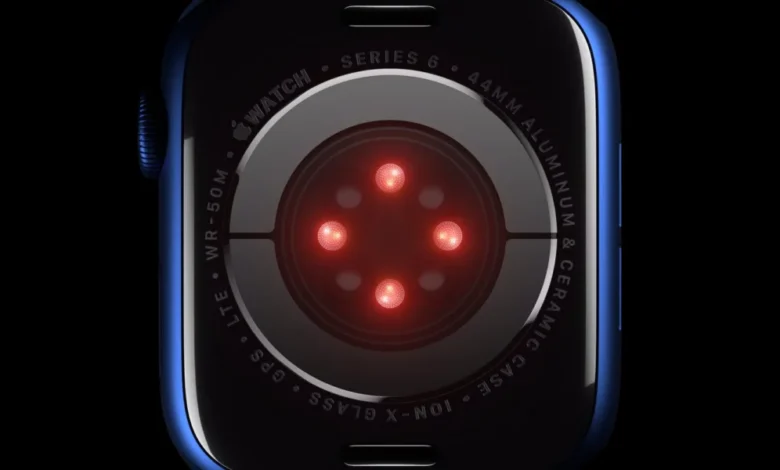
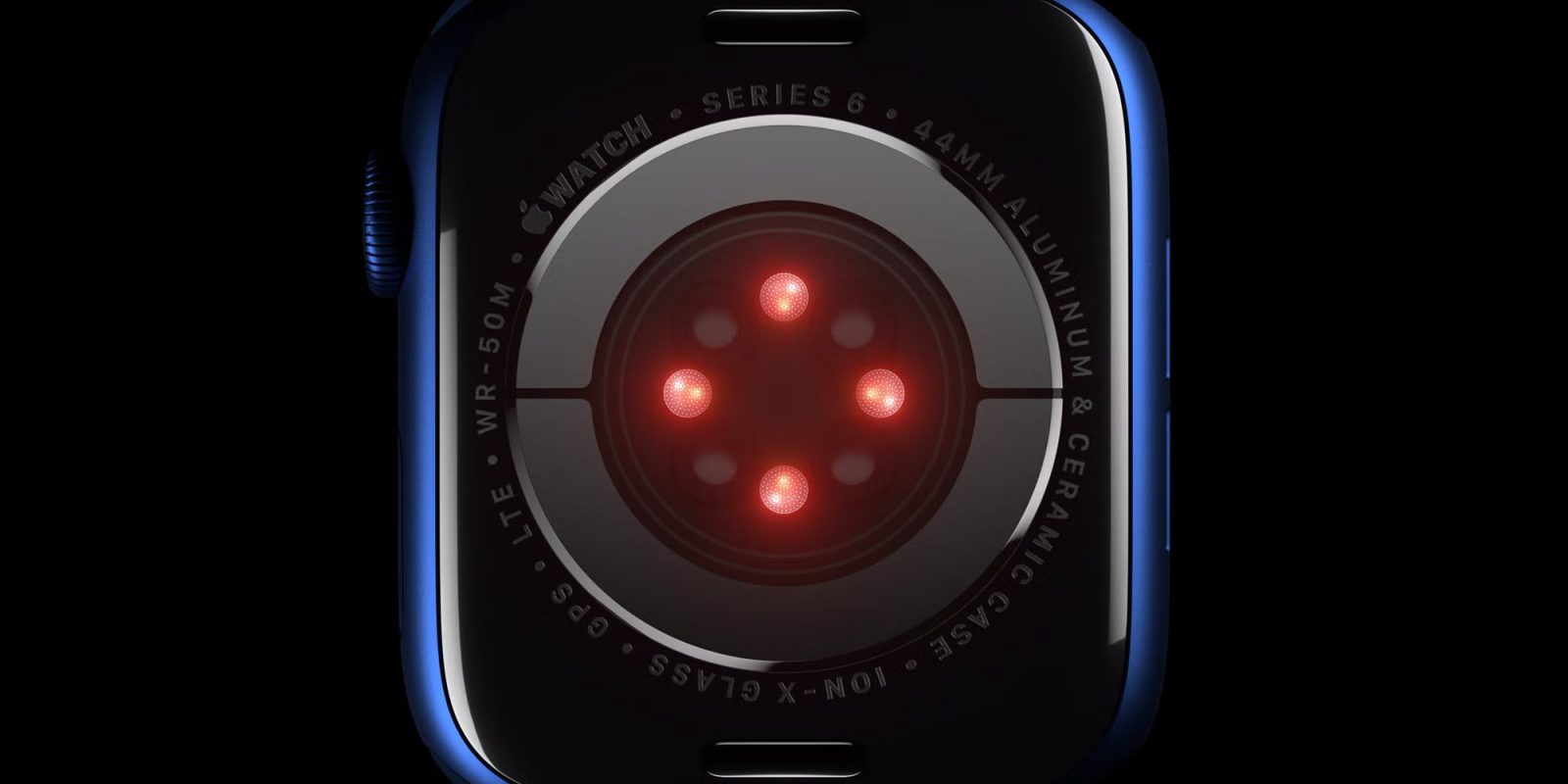
Masimo’s history provides critical context to this dispute. Founded in 1989, Masimo established itself as a leader in advanced signal processing technology for medical monitoring, particularly in pulse oximetry, a non-invasive method for monitoring a person’s oxygen saturation. Their technology is widely used in hospitals and clinics globally, known for its accuracy and reliability in challenging conditions. Apple’s entry into the health monitoring space with the Apple Watch, particularly its Series 6 model introduced in 2020 with blood oxygen monitoring, brought it into direct competition with companies like Masimo, whose expertise in this field was decades in the making.
Chronology of the Dual Legal Fronts
The legal confrontation unfolded primarily along two distinct but interconnected paths: a case before the International Trade Commission (ITC) and a separate patent infringement lawsuit in a California federal court.
The ITC Battle and Import Restrictions (2023-2024)

The ITC investigation, initiated by Masimo, focused on whether Apple Watch models infringed on Masimo’s patents, specifically related to the blood oxygen monitoring functionality. In October 2023, the ITC issued a landmark ruling affirming that Apple had indeed infringed on Masimo’s patents. This decision led to a significant development: a limited exclusion order, effectively imposing a U.S. import ban on certain Apple Watch models equipped with blood oxygen monitoring.
The impact of this ruling was immediate and profound. In December 2023, Apple was compelled to temporarily halt sales of its Apple Watch Series 9 and Apple Watch Ultra 2 in the United States, just ahead of the critical holiday shopping season. This unprecedented move sent shockwaves through the consumer electronics market. To circumvent the ban and resume sales, Apple implemented a "redesigned feature" in January 2024. This redesign involved modifications to the watch’s software and algorithms, specifically shifting some of the data processing and calculation related to blood oxygen levels from the watch itself to the paired iPhone, with results then displayed in the Health app. Apple argued that this new design no longer infringed upon Masimo’s patents.
However, Masimo was not appeased. In February 2024, Masimo filed a lawsuit against U.S. Customs and Border Protection, challenging its decision to allow imports of the redesigned Apple Watch models. Masimo contended that Apple’s software-based workaround was merely a cosmetic change and did not genuinely resolve the patent infringement issues, seeking to reinstate the import ban. This move underscored Masimo’s determination to protect its intellectual property and prevent what it viewed as Apple’s continued infringement.
The California Patent Lawsuit and the $634 Million Verdict (2023-2024)
Parallel to the ITC proceedings, the patent portion of Masimo’s original California lawsuit proceeded independently. This case focused on a different set of patents and allegations of infringement. After extensive discovery and legal proceedings, a jury trial commenced. In November 2023, a jury delivered a verdict that sent ripples through the tech and medical industries. The jury found that specific features of the Apple Watch, particularly its heart-rate monitoring and notification capabilities, infringed upon a distinct Masimo pulse oximetry patent. As a result, the jury ordered Apple to pay $634 million in damages to Masimo.
This verdict was a substantial victory for Masimo, validating its claims of intellectual property theft and infringement. For Apple, it represented a significant financial blow and a dent in its reputation for innovation. The sum of $634 million, while a fraction of Apple’s colossal revenue (which exceeded $380 billion in 2023), is nonetheless a substantial penalty, signaling the high costs associated with patent disputes.
Apple’s Challenge and Judge Selna’s Definitive Ruling
Following the jury’s verdict, Apple immediately launched a vigorous legal challenge, seeking to overturn the findings or, alternatively, secure a new trial. The company filed motions for "judgment as a matter of law" and for a new trial, presenting several arguments.
One of Apple’s primary contentions centered on the interpretation of a key term in Masimo’s patent: "patient monitor." Apple argued that its Apple Watch, being a consumer device, could not be classified as a "patient monitor" as intended by the patent, which it asserted should apply exclusively to traditional, specialized medical equipment used in clinical settings. The company maintained that its device served a general wellness purpose, not medical diagnosis or treatment, and therefore fell outside the scope of Masimo’s patent claims.
However, U.S. District Judge James V. Selna firmly rejected Apple’s argument. In his ruling, Judge Selna sided with the jury’s broader interpretation, concluding that the Apple Watch could indeed be considered a "patient-monitoring device" under the patent’s scope. He reasoned that the patent’s language allowed for an "everyday meaning" of the term, which could encompass a device like the Apple Watch, especially given its advanced health-tracking capabilities that extend beyond basic fitness. The judge’s decision acknowledged the evolving landscape of health technology, where consumer wearables are increasingly adopting features once exclusive to professional medical equipment.
Furthermore, Apple challenged the jury instructions provided during the trial and contested the decision to exclude testimony from one of its expert witnesses. Apple argued that these procedural errors prejudiced its case and warranted a retrial. Judge Selna, however, found no errors serious enough to justify overturning the jury’s verdict or granting a new trial. He concluded that the jury was properly instructed and that the exclusion of expert testimony was within the court’s discretion and did not constitute grounds for a retrial.
Statements and Reactions: A Glimpse into Corporate Stances
Upon the release of Judge Selna’s ruling, Apple reiterated its official stance, which it had previously provided to Law360. The company stated: "Masimo is a medical device company that does not sell any products to consumers. Over the past six years they have sued Apple in multiple courts and asserted over 25 patents, the majority of which have been found to be invalid, […] The single patent in this case expired in 2022, and is specific to historic patient monitoring technology from decades ago. We plan to appeal."
This statement from Apple provides several key insights into its defensive strategy. Firstly, by characterizing Masimo as a medical device company that does not directly sell to consumers, Apple attempts to draw a distinction between their respective market segments, implicitly suggesting that Masimo’s patents are not directly applicable to consumer electronics. Secondly, Apple highlights that "the majority" of Masimo’s asserted patents have been found invalid, attempting to diminish the overall strength of Masimo’s intellectual property claims. Thirdly, and perhaps most crucially, Apple points out that the specific patent in this case expired in 2022 and relates to "historic patient monitoring technology from decades ago." This argument seeks to downplay the contemporary relevance and applicability of the patent to modern Apple Watch technology. Finally, Apple’s clear intention to appeal signifies that this legal battle is far from over.
While Masimo has not issued an immediate public statement regarding Judge Selna’s latest ruling, their consistent legal actions suggest a firm belief in the validity of their patents and the infringement by Apple. The ruling will undoubtedly be seen as a significant vindication for Masimo, reinforcing their position as an innovator whose intellectual property deserves protection. Legal experts, observing the multi-faceted nature of this dispute, note that such rulings can embolden smaller, specialized companies to challenge tech giants on intellectual property grounds, potentially fostering a more level playing field for innovation.
Broader Impact and Future Implications

The denial of Apple’s motions carries substantial implications for both companies and the broader technology and healthcare industries.
Financial and Reputational Impact on Apple: The $634 million judgment, now upheld, represents a tangible financial cost for Apple. While the company’s vast financial reserves can absorb this amount, it still contributes to the rising legal expenditures associated with defending its intellectual property and product designs. More significantly, the ruling could have a reputational impact. Apple prides itself on innovation and design originality. A jury finding and subsequent judicial affirmation of patent infringement, especially from a company specializing in medical technology, could lead to questions about Apple’s development practices in the health sector.
Precedent for Wearable Technology and IP: Judge Selna’s interpretation of "patient monitor" in a broader context is particularly noteworthy. As consumer wearables increasingly integrate advanced health monitoring features, this ruling could set a precedent for how courts classify and evaluate such devices under existing medical technology patents. It suggests that even if a device is marketed for general wellness, its functional capabilities could bring it under the purview of medical device regulations and intellectual property laws. This could compel tech companies to be more cautious and thorough in their patent clearance processes when venturing into health-related functionalities.
Future of Apple Watch Health Features: The ongoing legal challenges, particularly concerning blood oxygen monitoring, could influence the trajectory of future Apple Watch health features. While Apple continues to innovate, as evidenced by persistent rumors of non-invasive blood glucose monitoring and advanced blood pressure tracking, these legal hurdles might necessitate more careful patent navigation and potentially even in-house development of entirely novel technologies to avoid similar disputes. The possibility of having to redesign or disable features due to patent infringement poses a risk to Apple’s product differentiation strategy in the highly competitive wearables market.
Strengthening IP Protection for Specialized Firms: For specialized medical technology companies like Masimo, the ruling is a significant victory that validates the importance of their intellectual property. It demonstrates that even against a formidable opponent like Apple, robust patent portfolios can be successfully defended, potentially encouraging further innovation in niche medical technology fields. This outcome could empower smaller innovators to assert their rights against larger corporations, fostering a more equitable environment for technological advancement.
The Path Ahead: Appeal and Ongoing Litigation
Apple’s stated intention to appeal means that this legal saga is far from its conclusion. The case will likely move to the U.S. Court of Appeals for the Federal Circuit, which specializes in patent law. The appeals process can be lengthy and complex, focusing on whether there were legal errors in the lower court’s proceedings, including the judge’s interpretation of patent terms or procedural rulings.
Simultaneously, the separate ITC case and Masimo’s challenge to the redesigned Apple Watch continue to unfold. The outcome of the patent lawsuit in California, while distinct, could nonetheless influence the broader legal and commercial strategies of both companies in the ongoing ITC dispute. The legal landscape surrounding Apple Watch’s health features remains dynamic and uncertain, underscoring the intense competition and significant intellectual property stakes in the booming digital health market. The confluence of consumer electronics innovation and specialized medical technology continues to be a fertile ground for both groundbreaking advancements and high-stakes legal battles.