WatchOS 27 Set to Introduce Proactive Battery Extension Notifications, Significantly Enhancing Apple Watch Endurance

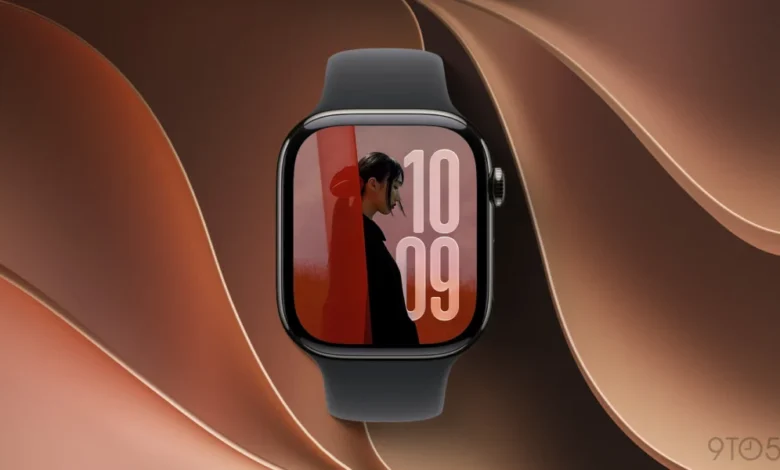
The forthcoming watchOS 27, slated for release this fall, is poised to deliver a significant enhancement to the Apple Watch user experience through the introduction of "proactive battery extension notifications." This innovative feature aims to intelligently optimize battery life by identifying and suggesting the disabling of unused functionalities, marking a crucial step in Apple’s continuous pursuit of improved power efficiency for its popular wearable device. The update, which also includes a suite of other new features, addresses a long-standing user concern regarding daily charging cycles and overall device longevity.
The Enduring Challenge of Smartwatch Battery Life
Battery life has consistently remained one of the most critical factors influencing user satisfaction and adoption in the wearable technology market. For smartwatches, which are designed for continuous wear and seamless integration into daily life, the need for frequent charging can be a significant inconvenience. Since its inception, the Apple Watch has aimed for an "all-day" battery life, initially targeting 18 hours of mixed usage. While subsequent generations have seen incremental improvements in both hardware efficiency and software optimization, extending practical usage beyond a single day typically requires compromises, such as disabling key features or utilizing low-power modes.
The delicate balance lies in offering a rich array of functionalities—including advanced health monitoring, cellular connectivity, GPS tracking, always-on displays, and interactive gestures—while simultaneously ensuring the device can reliably last through a user’s waking hours, and increasingly, through sleep tracking. Background processes, sensor data collection, display illumination, and wireless communications are constant drains on the compact batteries housed within these devices. Consequently, any innovation that intelligently extends battery life without requiring overt user intervention or sacrificing core utility is highly valued by both consumers and industry analysts.

Dissecting Proactive Battery Extension Notifications
The core of this new watchOS 27 feature lies in its intelligent detection system. When activated, watchOS 27 will monitor user interaction patterns to identify specific features that are rarely, if ever, utilized. Upon detecting such patterns, the system will proactively suggest disabling these dormant functionalities to conserve power. These include, but are not limited to, certain gestures, the "Raise to Speak" feature for invoking Siri, and "Start Workout" reminders. Each of these features, while offering convenience, relies on background processing, sensor monitoring, or constant microphone readiness, which contribute to incremental battery drain.
For instance, "Raise to Speak" requires the microphone to be consistently attentive for vocal cues, consuming power even when Siri is not actively engaged. Similarly, advanced gestures often involve continuous monitoring of accelerometer and gyroscope data to detect specific hand or wrist movements. "Start Workout" reminders utilize GPS and motion sensors to infer when a workout might be commencing, prompting the user to log it—a process that, while useful, consumes power in its background detection phase. By deactivating these unused functionalities, watchOS 27 can reduce the computational load and sensor activity, thereby preserving valuable battery reserves.
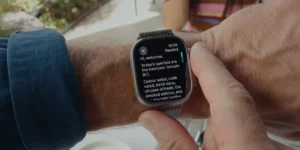
The "proactive battery extension notification" serves as a crucial user interface element for this feature. When the system identifies a feature eligible for disabling, it will issue an alert to the user. This notification will inform them of the proposed change and, critically, provide an immediate option to either accept the optimization or override it, keeping the feature enabled. This design ensures that users retain ultimate control over their device’s functionality while benefiting from intelligent, system-level recommendations. If a user regularly engages with these features, the system will recognize their active use, and no such alert will be triggered, preserving their preferred interaction methods. Users will also retain the ability to manually adjust these settings through the Apple Watch’s general settings menu at any time, allowing for personalized control over power consumption.
A Historical Perspective on Apple Watch Power Management
Apple’s journey in optimizing Apple Watch battery life has been a continuous one, marked by both hardware advancements and software innovations across successive watchOS generations.

- Initial Generations (watchOS 1-3): Early Apple Watch models focused on establishing core functionality. Battery life was a constant discussion point, often requiring daily charging. Software optimizations primarily aimed at improving app launch times and overall responsiveness without significantly extending battery life.
- watchOS 4-6: These versions introduced features like "Theater Mode" (later "Cinema Mode") and "Power Reserve Mode," which offered explicit user controls to conserve battery in specific scenarios. Hardware improvements, such as more efficient S-series chips, began to contribute to better endurance.
- watchOS 7-9: With the introduction of sleep tracking, battery life became even more critical, as users now needed their watch to last through the night. Optimized charging features, which learn user charging habits to reduce battery aging, were also implemented. The Always-On Display, while enhancing convenience, also posed a new challenge for battery optimization, leading to sophisticated display management techniques.
- watchOS 10-26 (Hypothetical Evolution): As the Apple Watch matured, subsequent watchOS updates likely refined existing power management protocols, potentially introducing more granular control over background app refresh, sensor sampling rates, and connectivity options. Advancements in chip architecture, like the introduction of low-power cores and more efficient manufacturing processes, would have continued to play a pivotal role. The focus would have broadened from simply lasting "all day" to offering more robust multi-day usage for lighter users or more intense single-day usage for power users.
The introduction of "proactive battery extension notifications" in watchOS 27 represents an evolution from reactive power-saving modes (like Power Reserve) and general system optimizations to a more intelligent, user-adaptive approach. Instead of a blanket reduction in functionality, it targets unused functionality, offering a more nuanced and less disruptive path to extended battery life.
Potential Impact and Broader Implications
While Apple has not yet disclosed specific figures regarding the battery life improvements users can expect from disabling these features, the very fact that such a system has been developed suggests that the cumulative power savings are substantial enough to warrant its implementation. Even marginal gains—an extra hour or two of battery life—can significantly enhance the user experience, particularly for individuals who push their devices to the limit or find themselves away from a charger for extended periods.
For the User:
- Reduced Charging Anxiety: Users can feel more confident that their Apple Watch will last through their activities without unexpectedly running out of power.
- Enhanced Convenience: Fewer interruptions for charging, especially for those who wish to utilize sleep tracking or wear their watch for extended periods.
- Personalized Optimization: The system adapts to individual usage patterns, offering tailored power-saving suggestions rather than a one-size-fits-all approach.
- Improved Longevity of the Device: By optimizing battery usage, the feature could theoretically contribute to better long-term battery health, potentially extending the overall lifespan of the device before battery degradation becomes a major issue.
For Apple and the Ecosystem:
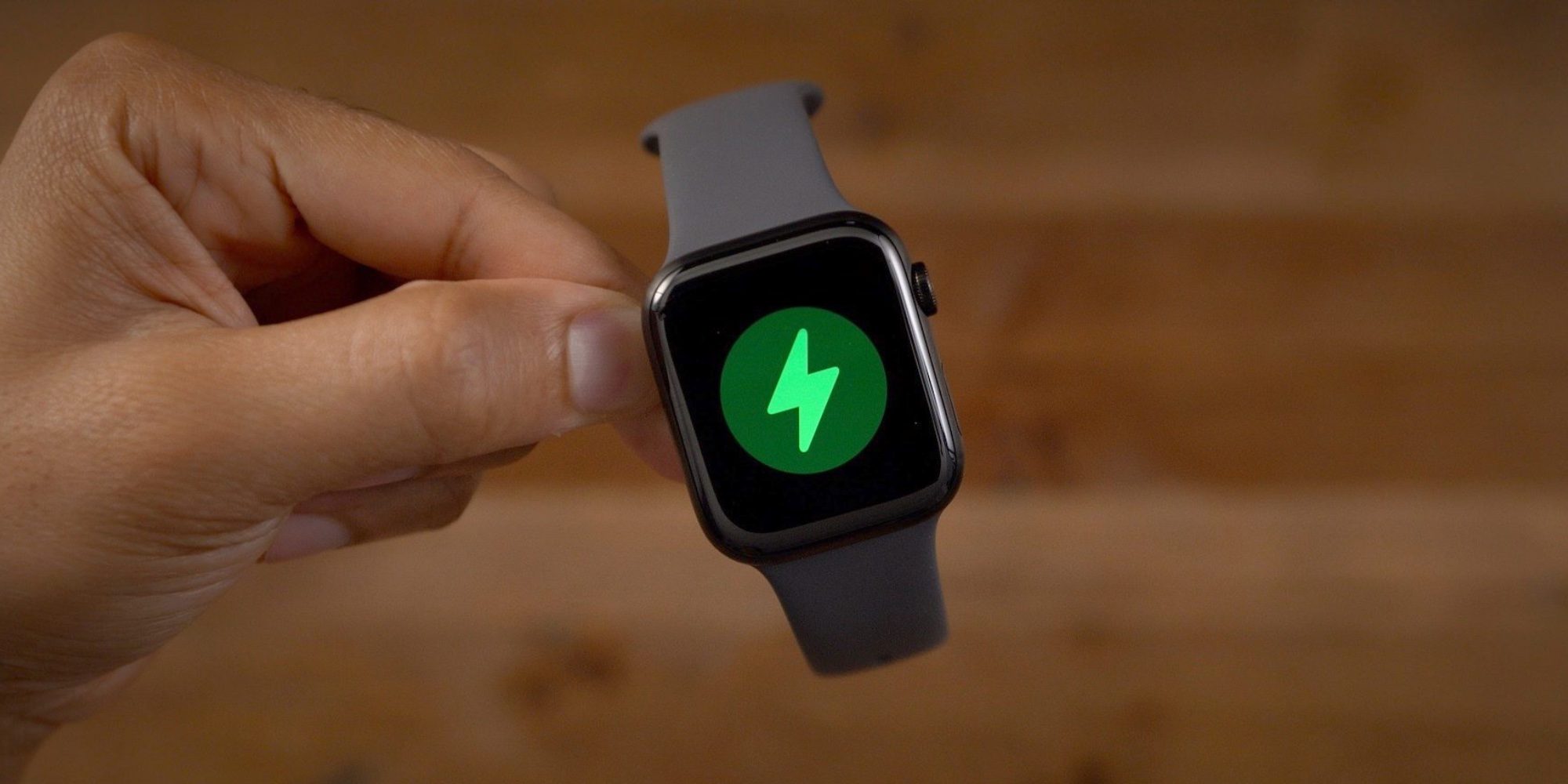
- Addressing Competitive Pressure: While competitors like Garmin and Fitbit often boast multi-day or even multi-week battery lives, Apple has traditionally focused on a feature-rich, integrated experience. This new feature helps Apple narrow the perceived battery gap by offering intelligent optimization, reinforcing its commitment to practical user benefits.
- Strategic Alignment: The feature aligns with Apple’s broader emphasis on sustainability and device longevity. Extending the functional life of a device through software optimization contributes to reduced electronic waste.
- Data-Driven Development: The underlying technology likely leverages anonymized user data and machine learning to understand usage patterns, showcasing Apple’s continued investment in intelligent, adaptive software.
- Enabling Future Innovations: By optimizing core power consumption, this feature could potentially free up power budgets for future Apple Watch hardware or software innovations that might otherwise be constrained by battery limitations.
Industry analysts view this as a shrewd move by Apple. "This isn’t just about adding an extra hour to battery life; it’s about making the Apple Watch more reliable and less demanding on the user’s attention," notes tech analyst Sarah Chen. "In an increasingly connected world, where wearables are becoming integral to health and daily organization, reducing the friction of daily charging cycles is a significant win for user experience. It reflects a maturing product line that is increasingly sophisticated in its ability to adapt to individual user needs."
Beyond Battery: Other watchOS 27 Innovations
While "proactive battery extension notifications" is a highlight, watchOS 27 is a comprehensive update bringing a host of other significant improvements that collectively aim to refine the Apple Watch experience:
- Two New Applications: The update introduces two new native applications to the Apple Watch. While specific details about these applications are pending, they are expected to expand the device’s utility in areas such as advanced productivity, specialized health tracking, or enhanced communication. The introduction of new apps often necessitates careful power management, making the battery extension feature even more critical.
- A Useful Tap Gesture: A new, intuitive tap gesture is being added, offering users another method for quick interactions or shortcuts. Such gestures typically involve sophisticated sensor fusion and processing, making efficient power management essential for their seamless operation.
- New Default Home Screen: watchOS 27 will feature a redesigned default Home Screen. This could mean a more customizable layout, improved glanceability of information, or more efficient navigation, all designed to make accessing apps and data faster and more intuitive.
- Three Health-Related Upgrades: Reflecting Apple’s unwavering commitment to health and wellness, watchOS 27 will include three new health-focused enhancements. These could range from more precise biometric data collection, advanced analytics for existing metrics (like sleep or heart rate variability), or entirely new health monitoring capabilities, further solidifying the Apple Watch’s position as a leading health companion. These features, by their nature, often rely on continuous sensor data, making battery optimization a constant design priority.
The holistic nature of watchOS 27, combining core performance enhancements with new features and refined user interfaces, underscores Apple’s strategy of continuous innovation across its product ecosystem. The "proactive battery extension notifications" feature stands out as a testament to Apple’s commitment to addressing fundamental user needs through intelligent, adaptive software design.
Conclusion
The upcoming launch of watchOS 27 and its "proactive battery extension notifications" feature represents a thoughtful evolution in Apple’s approach to smartwatch power management. By leveraging intelligent detection to identify and suggest the disabling of unused functionalities, Apple is empowering users with longer-lasting devices without demanding constant manual intervention. This innovation, alongside a suite of other enhancements including new applications, intuitive gestures, a revamped Home Screen, and advanced health upgrades, collectively positions watchOS 27 as a pivotal update for the Apple Watch ecosystem. It not only addresses a key user pain point but also reinforces Apple’s strategic focus on delivering a seamless, reliable, and intelligently optimized wearable experience, ensuring the Apple Watch remains a compelling and indispensable companion for millions worldwide. The fall release will undoubtedly see users keen to experience these extended capabilities firsthand, integrating their devices even more deeply into their daily lives with enhanced confidence in their endurance.