Born in the early 1990s, a period marked by significant global economic shifts, I’ve come to understand that volatility can often be a byproduct of a dynamic and evolving marketplace. The narrative that unfettered markets, devoid of traditional safety nets, can lead to robust growth is a familiar one. However, when the trajectory of an industry appears to be veering precariously close to a cliff’s edge, it prompts a critical examination of the leadership at its helm. The current state of the video game industry, characterized by a series of questionable strategic decisions, raises serious concerns about the competence of those steering its course.

The past decade has seen a significant shift in the gaming landscape, driven by a relentless pursuit of recurring revenue models and a pivot towards "games as a service." This has often come at the expense of established development practices and, critically, the well-being of development studios and their employees. Major players like Sony and Microsoft, despite their vast resources and established market presence, have demonstrated a pattern of missteps, leading to studio closures, mass layoffs, and a palpable sense of instability within the sector.
Sony’s Troubled Pursuit of Live Services
Sony Interactive Entertainment, once lauded for its curated approach to exclusive, high-quality single-player experiences, has embarked on a costly and largely unsuccessful journey into the live-service model. This strategic pivot has been marked by significant financial outlays and a series of high-profile failures.

In 2024, Sony’s ambitious live-service initiatives have been met with significant setbacks. The studio’s attempt to foster live-service titles, which were projected to constitute a significant portion of its future releases, has been largely abandoned. A report indicated that Sony had planned to launch 12 live-service games by 2025. However, as of early 2024, a staggering eight of these titles have been canceled, highlighting the significant challenges and miscalculations involved in this strategy.
A prime example of this costly endeavor was the development of Concord, a project that reportedly consumed hundreds of millions of dollars before its eventual cancellation. Further compounding these issues, Bluepoint Games, a studio renowned for its exceptional remaster work, was reportedly tasked with developing a live-service God of War spin-off. This project, a departure from the studio’s core strengths, ultimately proved unsustainable. The fallout from this misallocation of resources culminated in the studio’s closure in February 2026, a stark illustration of the risks associated with forcing studios into unproven genres.

Despite these numerous setbacks, Sony’s commitment to live-service games remains, albeit with a shifting narrative. In a recent statement, Hideaki Nishino, CEO and President of Sony Interactive Entertainment, indicated the company’s intent to "continue to take on" live-service projects. This declaration, however, was made in the wake of significant workforce reductions at Bungie, a studio acquired by Sony in 2020 for $3.6 billion, primarily to bolster its live-service capabilities.
Bungie’s Tumultuous Transition and Layoffs
The acquisition of Bungie was seen as a cornerstone of Sony’s live-service strategy. Bungie, the developer behind the Destiny franchise, was expected to leverage its experience in maintaining long-term, live-service games. However, the reality has been far more complex. In late 2023, Sony implemented significant layoffs at Bungie, reportedly impacting a substantial portion of the Destiny 2 development team. This occurred despite the game’s sustained player engagement and its consistent ability to draw players back with new content, a rarity in a market where many live-service titles suffer rapid decline.

The rationale behind these layoffs, according to industry analysts, points to the immense financial pressure associated with live-service games. While Destiny 2 has demonstrated longevity, its development costs and the ongoing need for new content have placed a significant strain on resources. Sony’s decision to reduce its investment in Destiny 2‘s ongoing development, leading to layoffs, and to reallocate remaining staff to projects like Marathon, suggests a strategic recalibration that prioritizes potential future successes over the continuation of existing, albeit costly, live-service ventures. The departure of Marathon‘s game director just months after its launch further underscores the volatile nature of these ambitious projects.
The Digital Shift and the Demise of Physical Media
Adding to the evolving landscape, Sony has announced its intention to cease the production of physical game discs by 2028, shifting entirely to digital distribution for new PlayStation titles. While this move is likely to improve quarterly financial reports by reducing manufacturing and distribution costs, it carries significant implications for the secondary market. The ability to resell used games has been a crucial factor in game affordability for many consumers, particularly those with limited budgets. The elimination of physical discs effectively severs this avenue, potentially alienating a segment of the player base and impacting the long-term accessibility of gaming as a hobby. This decision, driven by a focus on immediate financial gains, could inadvertently stifle future player acquisition and retention.

Microsoft’s Ambitious Gamble and its Costly Fallout
Microsoft’s gaming division, under the leadership of Phil Spencer and subsequently Asha Sharma, has also been characterized by a high-stakes strategy, primarily centered around the expansion of Xbox Game Pass. This subscription service, while popular, has reportedly fallen short of the subscriber numbers required to sustain the massive investments made in acquiring studios and content.
In early 2024, Microsoft executed a series of drastic measures, including significant layoffs and studio closures, underscoring the precariousness of its Game Pass strategy. These cuts, affecting numerous studios under the Xbox umbrella, including Bethesda, ZeniMax, Blizzard, King, and Mojang, have raised serious questions about the long-term viability of the company’s approach.

The Tango Gameworks Closure and the High Cost of "Success"
The closure of Tango Gameworks in 2024, just a year after the critically acclaimed launch of Hi-Fi Rush, serves as a particularly egregious example of this disconnect. Despite Hi-Fi Rush exceeding internal expectations and receiving widespread critical praise, the studio was deemed expendable. This decision sent a chilling message throughout the industry: even commercially successful games may not guarantee a studio’s survival if they do not align with the overarching, often opaque, strategic objectives of the parent company. This move, coupled with other studio closures and project cancellations, has led to widespread concern among developers about job security and the value placed on creative endeavors.
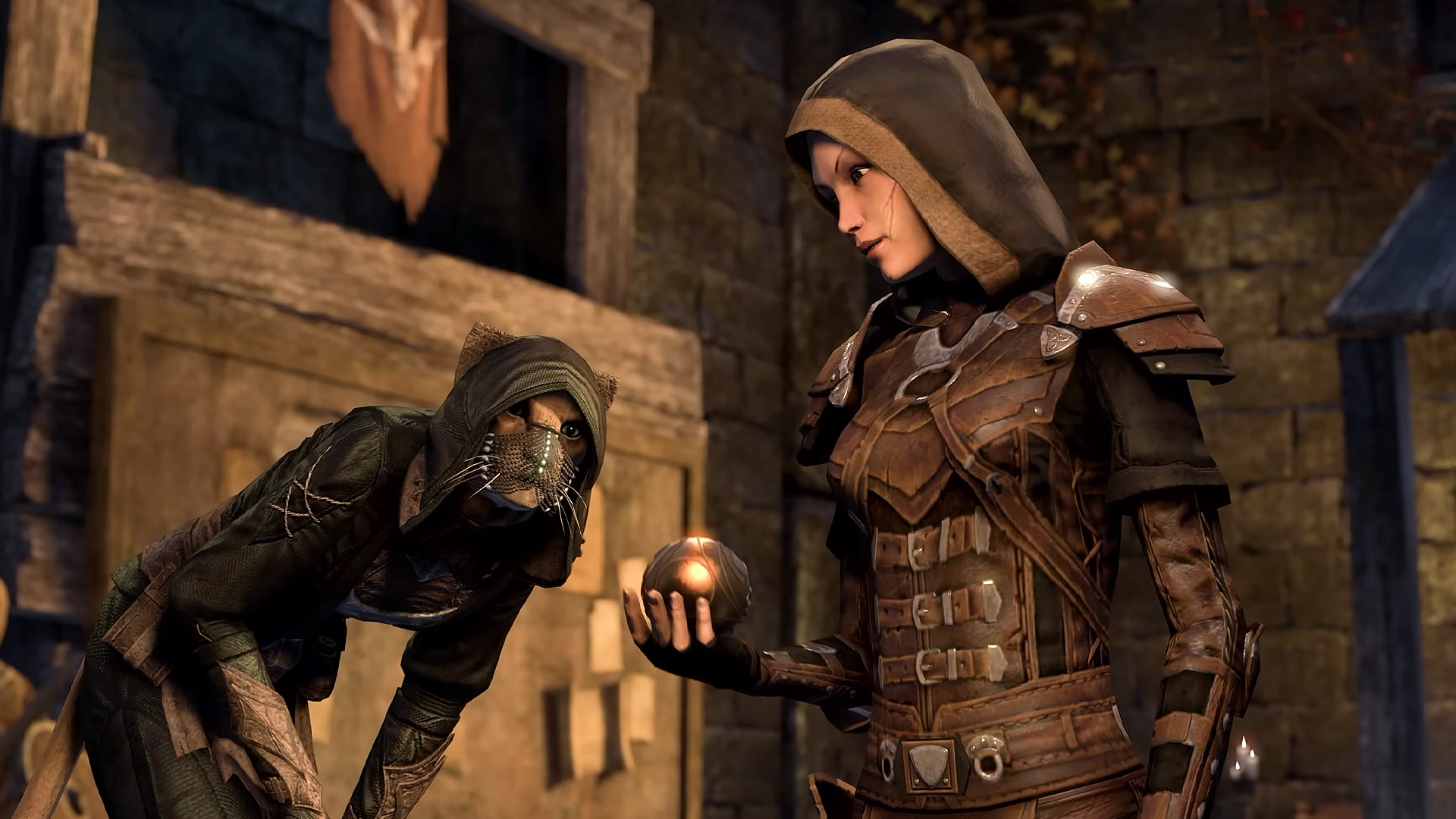
The ZeniMax Online Studios Cutbacks and the Future of The Elder Scrolls Online
Further illustrating the fallout from Microsoft’s strategic shifts, ZeniMax Online Studios, the developer behind The Elder Scrolls Online, has been significantly impacted by layoffs. With 213 employees reportedly let go, the studio’s capacity to maintain and develop its flagship MMORPG has come into question. The Elder Scrolls Online, which has generated an estimated $2 billion in revenue since its launch, was reportedly gaining momentum with a transition to a seasonal content model. The substantial reduction in staff jeopardizes the continued support and growth of a profitable and established title, raising concerns about the long-term stability of the game and its dedicated player base.
id Software’s Uncertain Future Amidst Layoffs
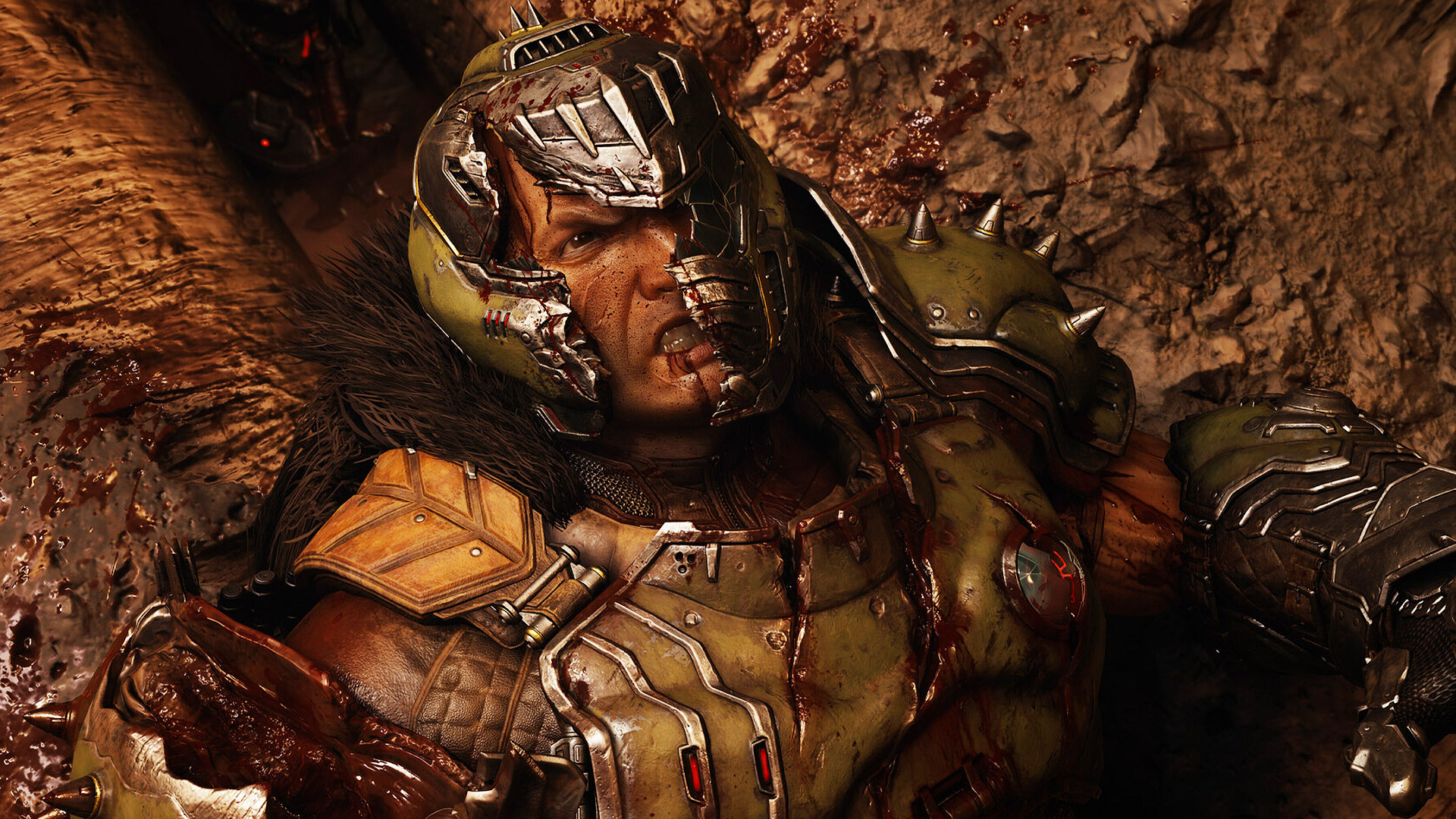
Even venerable studios with storied legacies have not been spared. id Software, the pioneering studio behind the Doom and Quake franchises, experienced significant layoffs, impacting 136 employees. This occurred despite the recent record-breaking success of Doom: The Dark Ages. While Microsoft and id Software leadership have sought to reassure the public about the studio’s continued operational capacity, reports from laid-off staff suggest that even the proprietary id Tech engine, a vital piece of technology powering both id’s and MachineGames’ projects, faces an uncertain future. This has fueled speculation that the studio might be transitioning to third-party engines like Unreal Engine, a move that could fundamentally alter its creative and technical identity.
The Broader Impact: Loss of Institutional Knowledge and Creative Stagnation
The relentless cycle of layoffs and studio closures across major publishers has a profound and detrimental impact on the industry. The loss of institutional knowledge, the expertise accumulated over years of development on specific projects and proprietary tools, creates significant workflow disruptions. Rebuilding these teams not only incurs financial costs but also leads to delays in development cycles and potentially compromises the quality and innovation of future titles.
Data from firms like Newzoo indicates that a significant portion of player time is spent on established, long-standing games. This suggests a sustained demand for quality content, but also highlights the difficulty in launching new titles that can capture player attention in a crowded market. The industry’s focus on creating "forever games" and replicating the success of platforms like Roblox and Fortnite, often through costly and ultimately unsuccessful endeavors, comes at the expense of nurturing and supporting traditional game development.
The Allure of Perpetual Platforms and the Neglect of Traditional Games
The current leadership in the games industry appears increasingly fixated on the "platform" model, seeking to replicate the sustained engagement and revenue streams of titles like Fortnite and Roblox. This pursuit often involves significant investment in user-generated content (UGC) initiatives and a focus on metaverse-adjacent technologies. However, the success of Fortnite and Roblox was not a result of deliberate strategic planning to become such platforms; rather, they evolved organically over years, adapting to player trends and technological advancements. Major publishers attempting to engineer similar phenomena risk significant financial losses and a diversion of resources from more traditional, and potentially successful, game development.
The emphasis on "exponential growth opportunities" and the diminishing value placed on simply creating "good games" is a concerning trend. This mindset often leads to the prioritization of cost-cutting measures, such as layoffs, over fostering stable and supportive development environments. The repeated instances of studios being gutted or shut down shortly after delivering successful titles, or even during the development of promising projects, suggest a fundamental disconnect between financial objectives and the realities of game creation.
A Call for Stability and a Re-evaluation of Strategy
The current trajectory of the video game industry, marked by a pervasive sense of instability and a relentless pursuit of short-term financial gains through cost-cutting, is unsustainable. The recurring layoffs, studio closures, and the abandonment of promising projects not only harm developers but also jeopardize the long-term health and creativity of the industry.

While the pursuit of innovation and profitability is inherent to any business, the current approach by major players like Sony and Microsoft appears to be characterized by a lack of foresight and a disregard for the human element of game development. A return to prioritizing stable development cycles, valuing institutional knowledge, and investing in the well-being of development teams could foster a more sustainable and creatively vibrant future for the industry. The success of studios like Larian, which has prioritized employee retention and fostered a culture of creative freedom, stands in stark contrast to the tumultuous environment fostered by companies engaging in repeated layoffs.
Ultimately, the question remains: will the industry’s leadership recognize the long-term damage being inflicted and pivot towards a more sustainable model, or will they continue on this path, risking a more significant and irreversible crash? The choices made today will undoubtedly shape the future of interactive entertainment for years to come.
Related posts: