Hisense UR8 Review: A Masterclass in RGB Mini-LED Performance and Future-Proofing

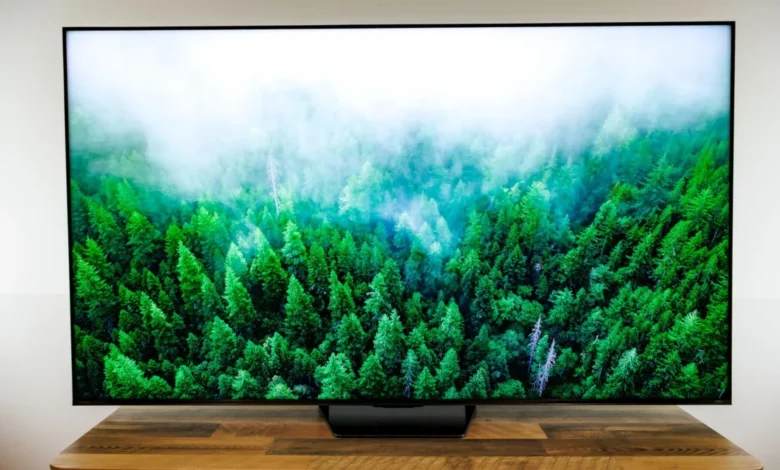
The television market in 2026 has reached a pivotal juncture, defined by the aggressive adoption of advanced backlighting technologies. Among the manufacturers pushing the envelope is Hisense, whose latest offering, the 75-inch UR8 RGB Mini-LED TV, represents a significant evolution in display engineering. By transitioning from the traditional white or blue LED arrays used by many competitors to a sophisticated, dense RGB mini-LED backlight architecture, Hisense is aiming to bridge the gap between high-end enthusiast displays and consumer-accessible home entertainment.
The Evolution of RGB Mini-LED Technology
The core of the UR8’s performance lies in its proprietary backlight system. Unlike standard LED TVs that pass a white or blue backlight through color filters, the UR8 utilizes a dense array of red, green, and blue LEDs. This approach allows for more precise control over the light output at the sub-pixel level, resulting in improved color saturation and higher peak brightness. This technology, once reserved for high-end professional monitors, has now been refined for a 75-inch consumer form factor, offering a glimpse into the future of display longevity and visual fidelity.
Hisense has positioned the UR8 as a premium product, sitting strategically below its flagship UR9 series but offering performance capabilities that comfortably surpass the standard U7 and U8 Mini-LED lineups. With a list price of $2,499.99, the unit is positioned to compete with high-tier offerings from TCL and established industry leaders. However, market trends indicate that competitive pricing at retail, often dipping below the $2,000 threshold, has made the UR8 a focal point for those seeking high-end specs without the extreme price tag associated with top-tier OLED panels.
Design and Physical Specifications
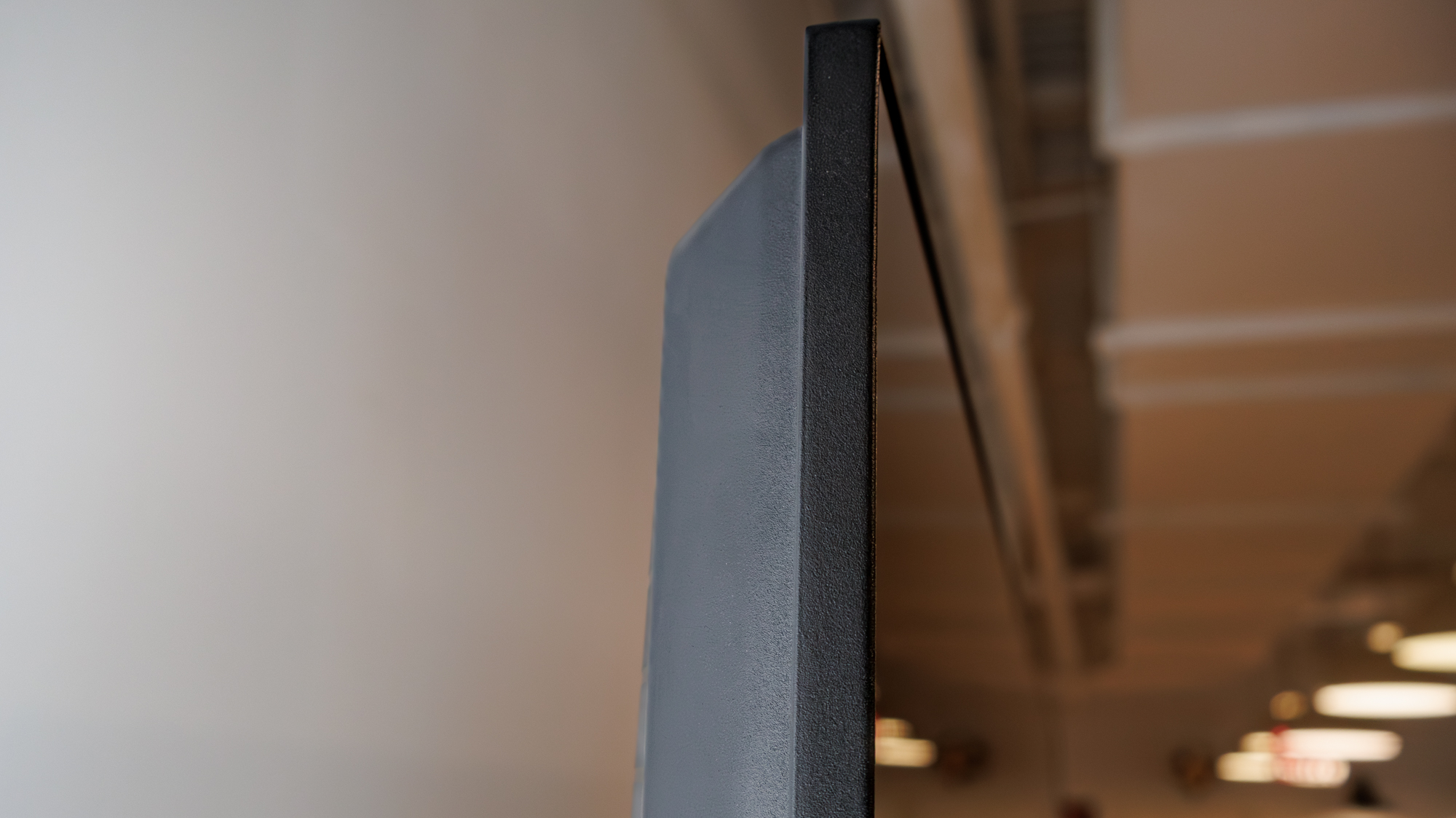
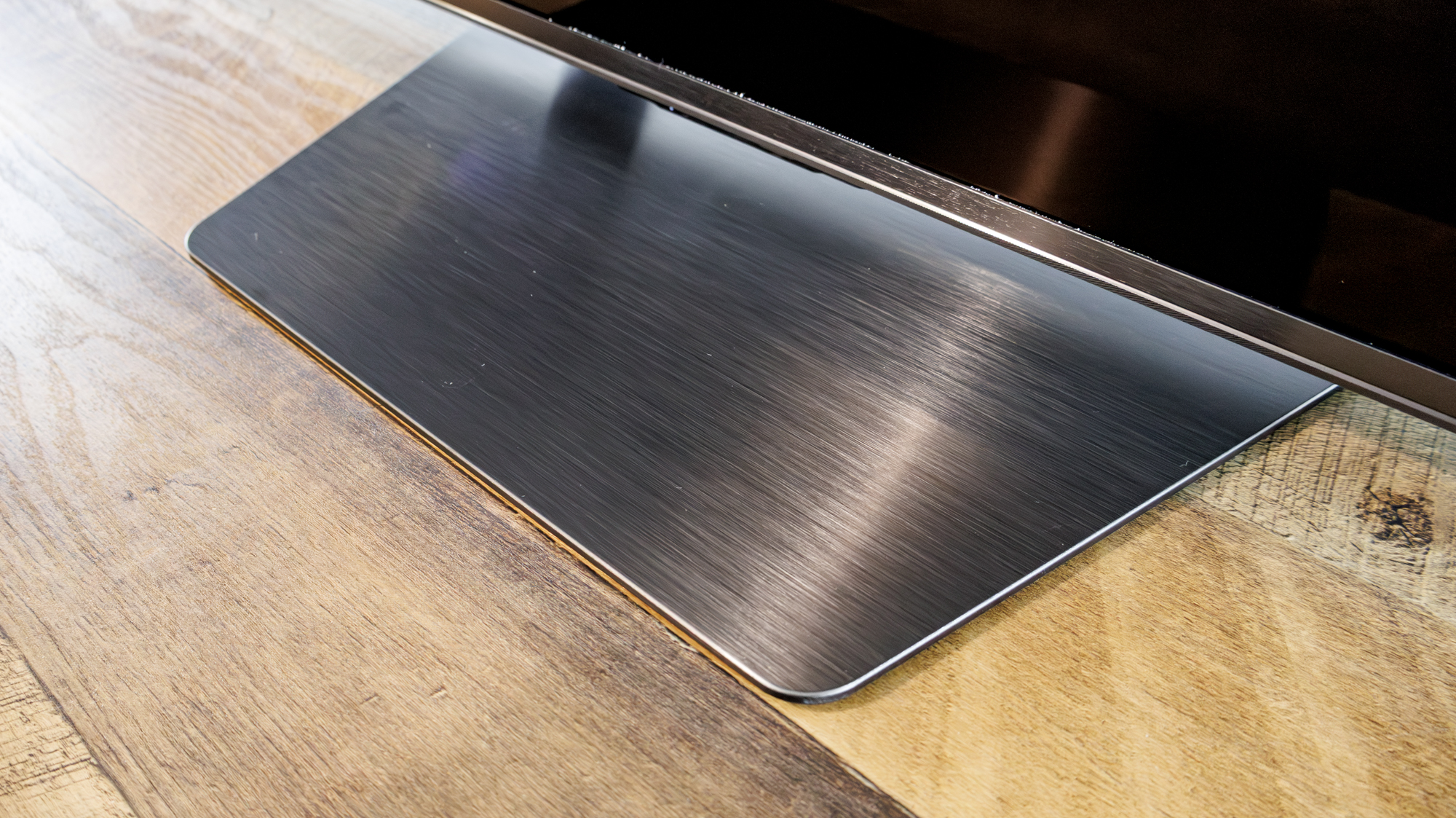
The UR8 is a departure from the ultra-minimalist, bezel-less aesthetic currently dominating the industry. Its design language is unapologetically industrial, featuring a silvery brushed-metal finish that wraps around the bezel. The lower corners serve as functional aesthetic markers: the left side proudly displays the "Hisense / RGB MiniLED" branding, while the right side acknowledges the company’s collaboration with the French luxury acoustic manufacturer Devialet.
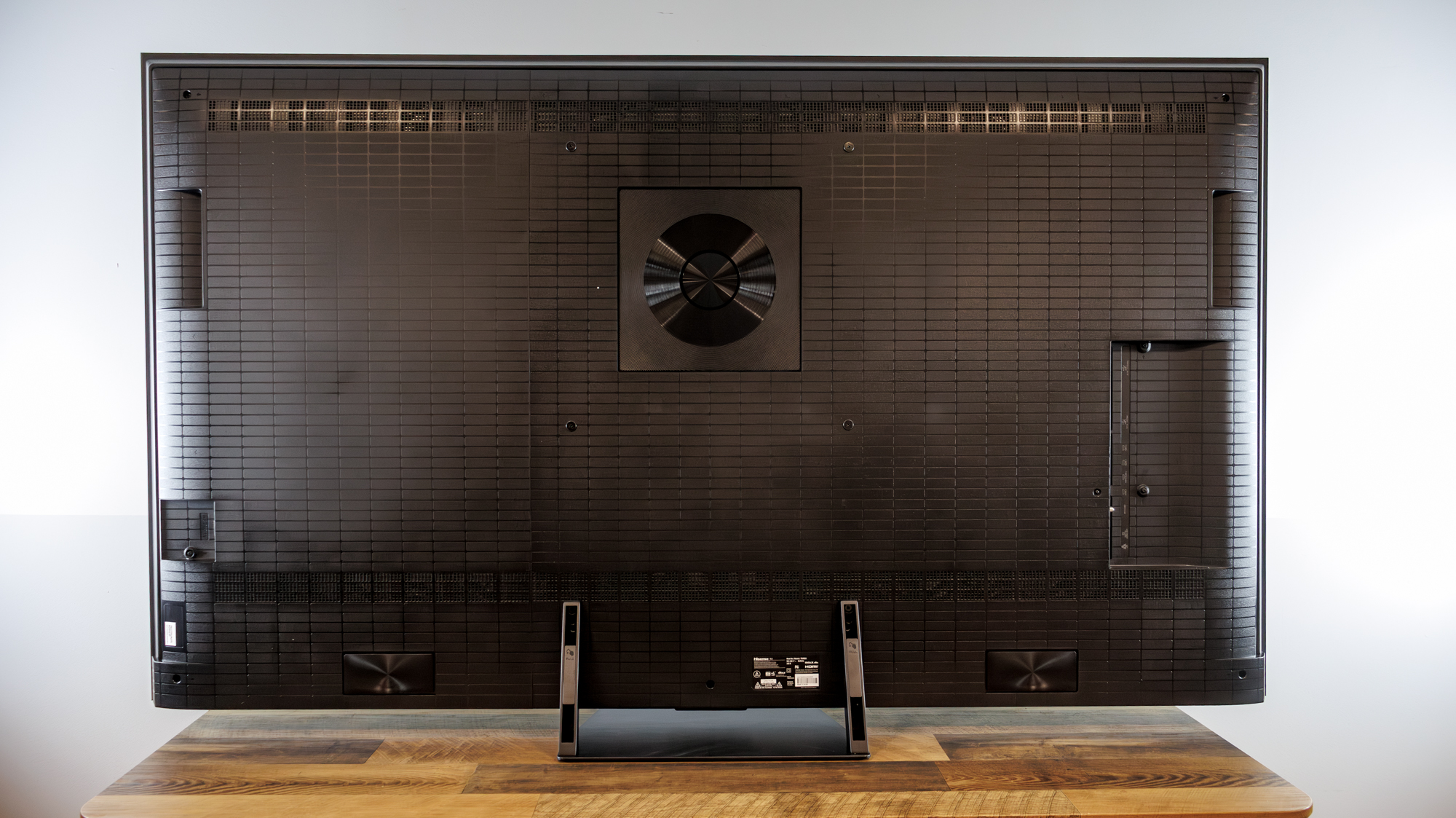
The physical construction is robust, with the 75-inch panel weighing in at 66.6 lbs. For those prioritizing wall mounting, the unit adheres to the VESA 400x400mm standard. The central pedestal, finished in matching metallic tones, provides a stable, albeit substantial, footprint for media consoles. Measuring 65.7 x 2.3 x 37.9 inches without the stand, the TV is clearly designed to be the centerpiece of a dedicated home cinema or gaming room.
Connectivity and Future-Proofing
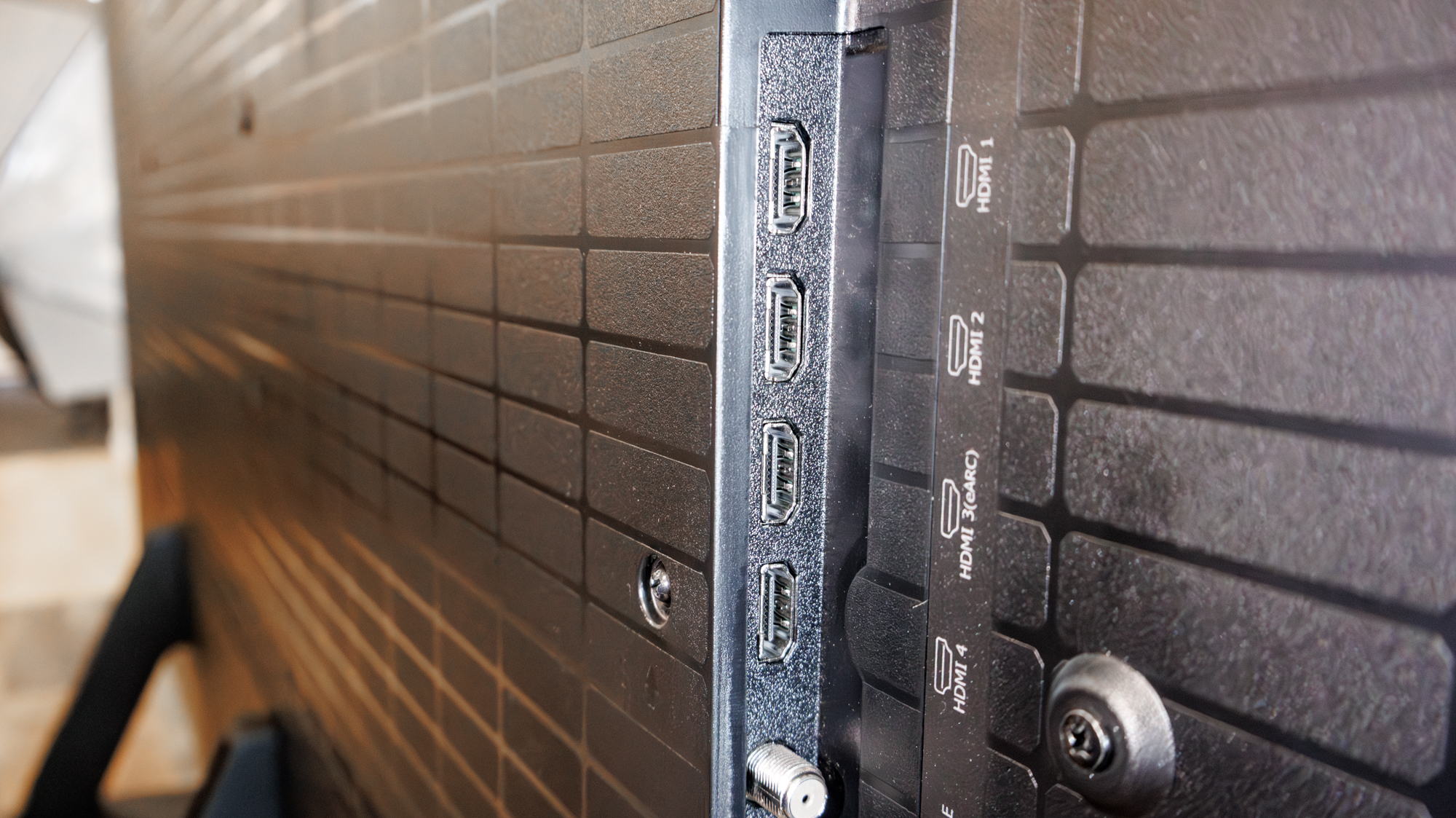
In an era where home entertainment hubs are increasingly complex, the UR8 offers a comprehensive suite of ports. The inclusion of four HDMI 2.1 ports is a standard requirement for high-performance sets, but the UR8 distinguishes itself by supporting a native 180Hz refresh rate across all inputs. This is a significant inclusion for PC gamers, who can push high-frame-rate signals that exceed the traditional 120Hz limit found on current-generation consoles like the PlayStation 5 and Xbox Series X.
Furthermore, the set includes an integrated ATSC 3.0 tuner, ensuring compatibility with the next generation of over-the-air broadcasting. This allows for 4K resolution and high-dynamic-range content to be received directly through an antenna, a feature that remains critical as more markets roll out ATSC 3.0 services. While some retailer documentation erroneously mentioned a USB-C display port with 10W charging capabilities, official specifications confirm that the unit relies on standard USB 3.0 and 2.0 connectivity, alongside an optical digital audio out for legacy sound systems.
Visual Performance: A Technical Deep Dive
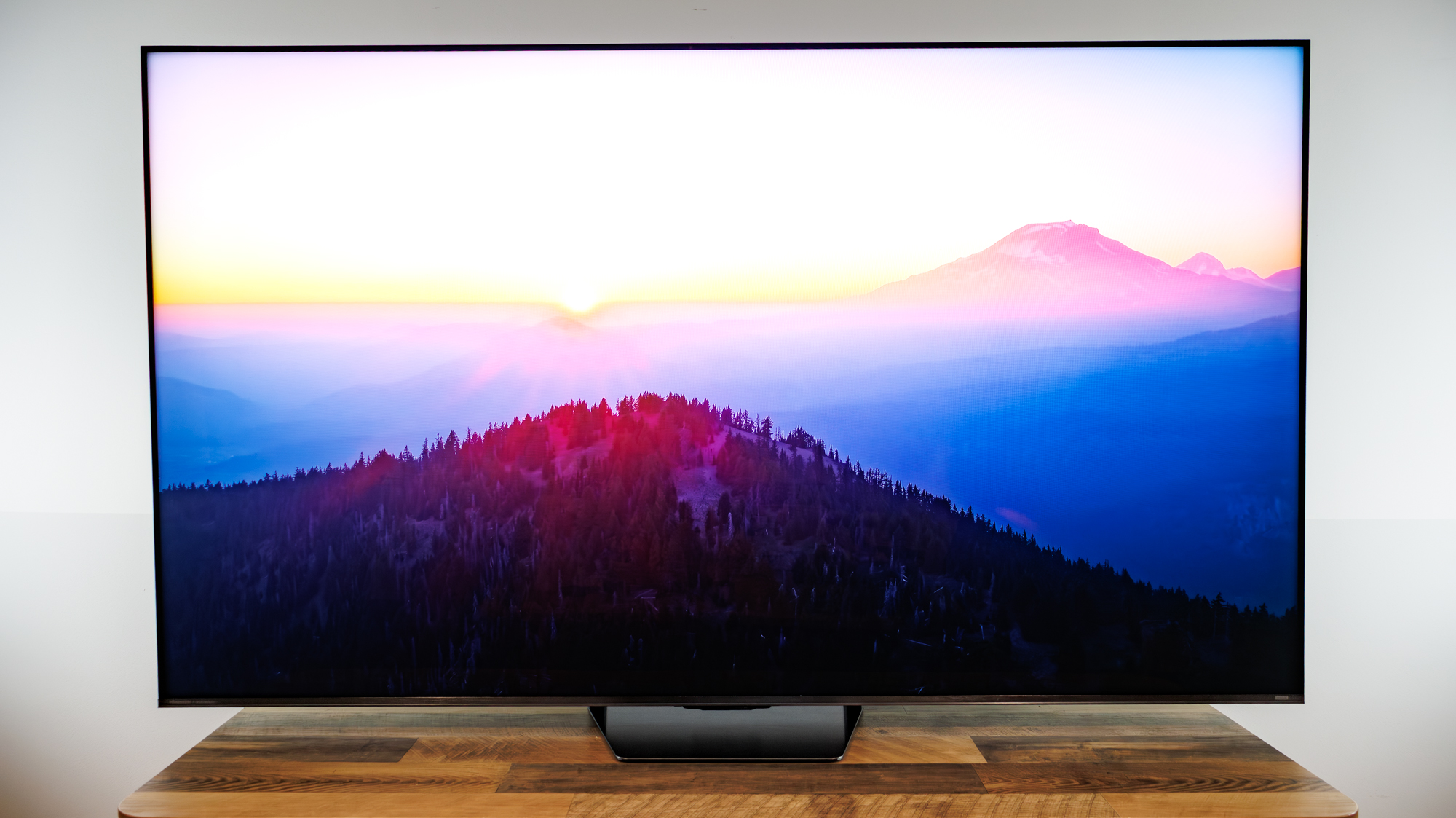
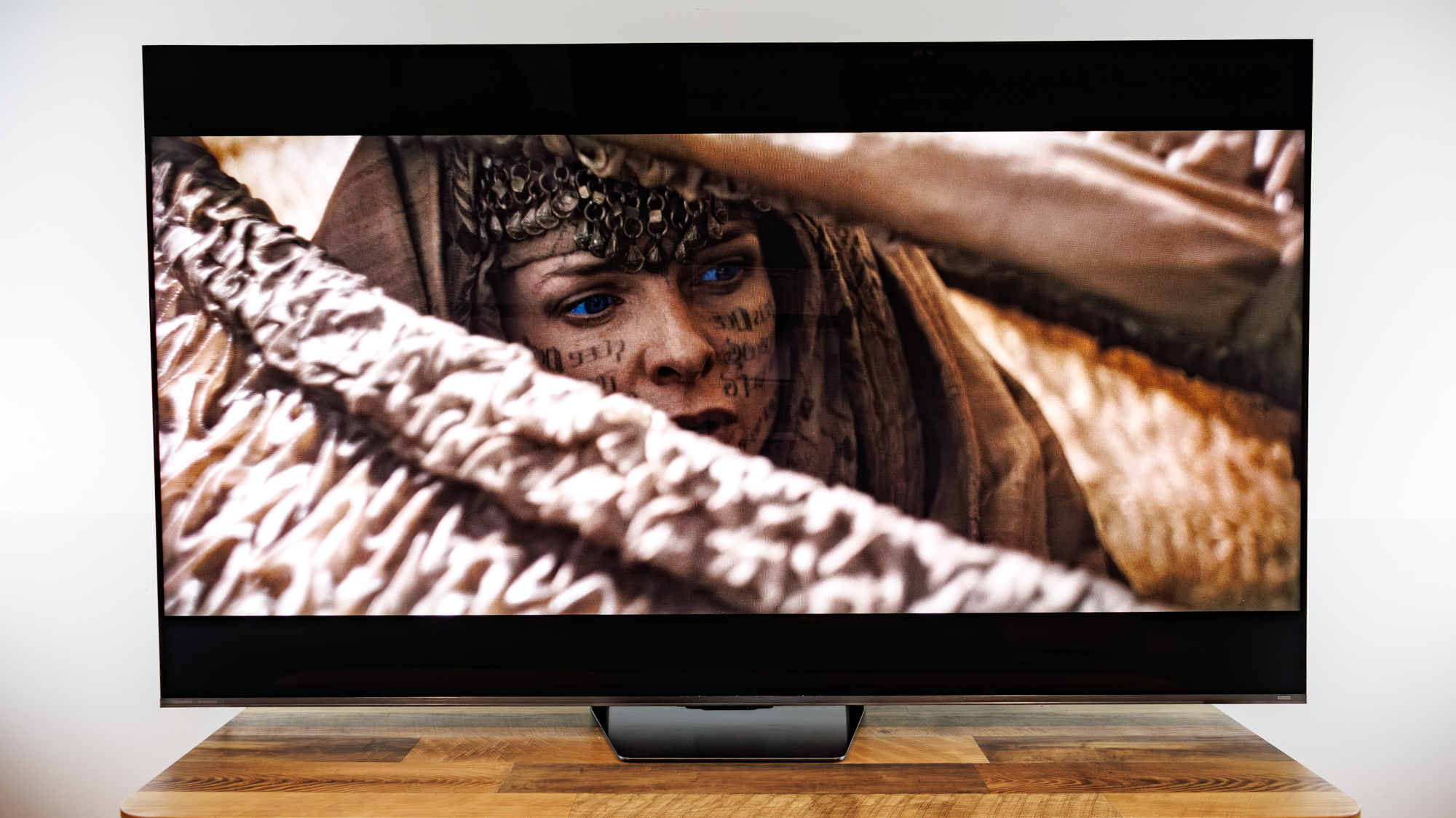
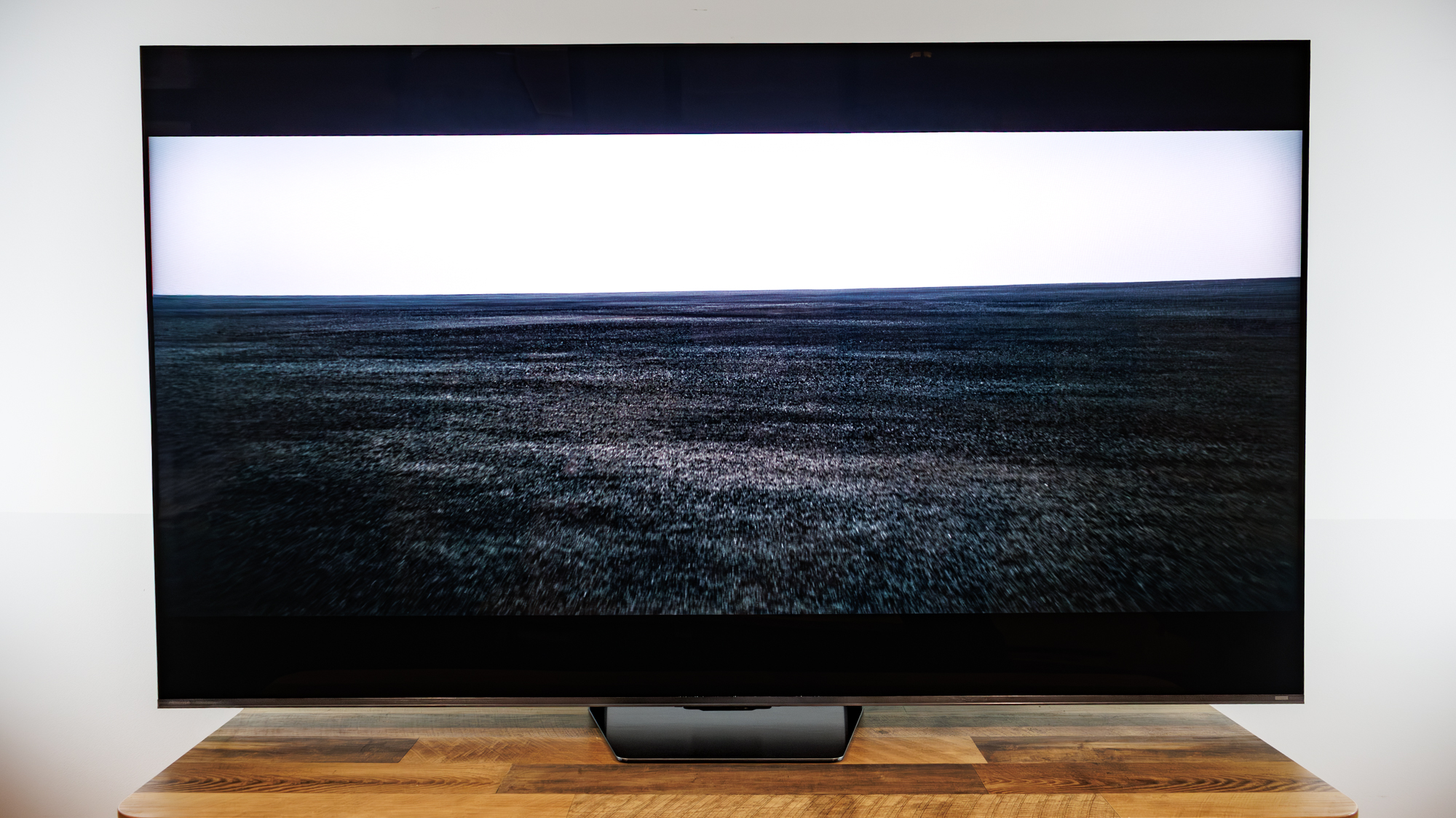
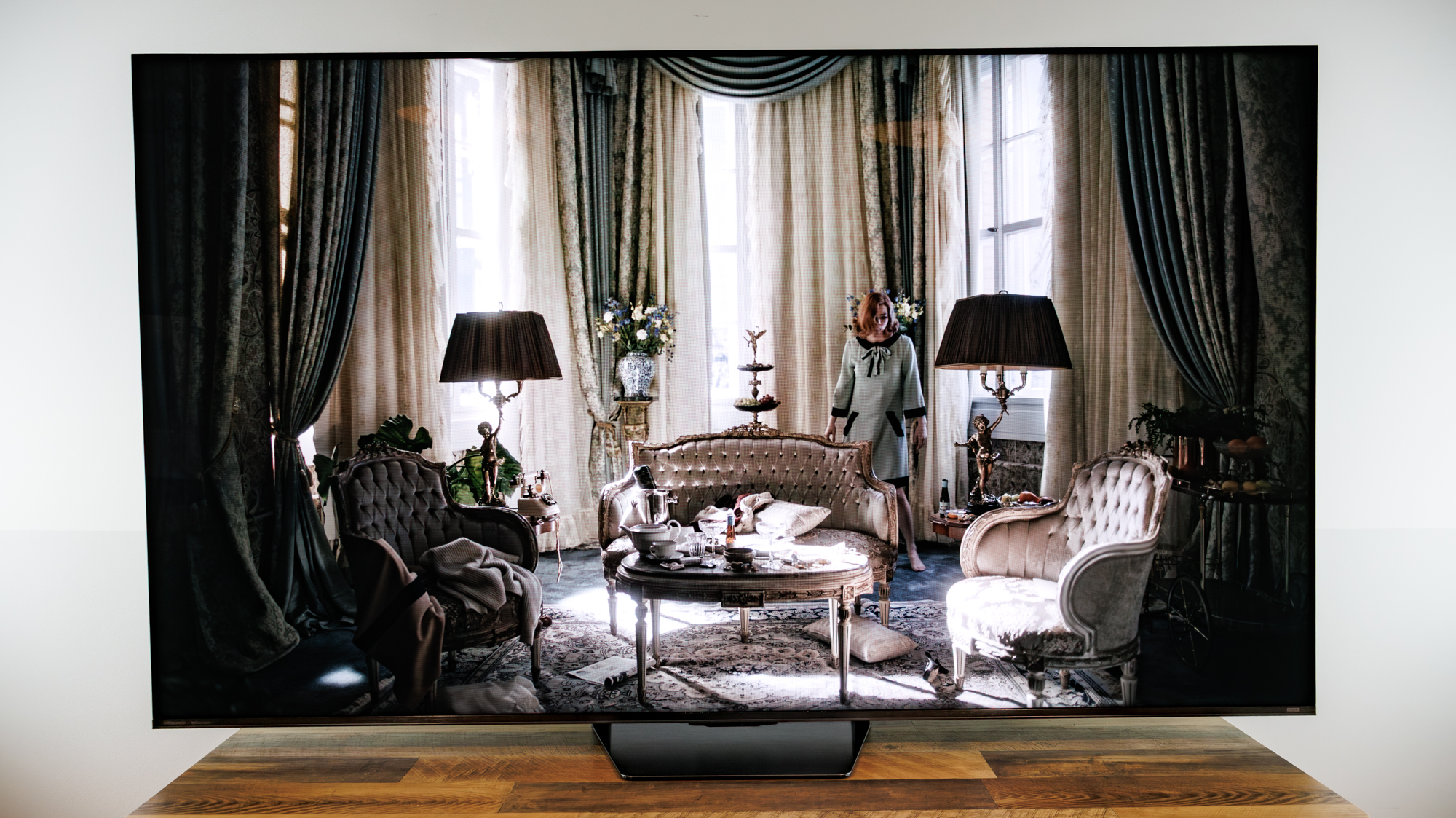
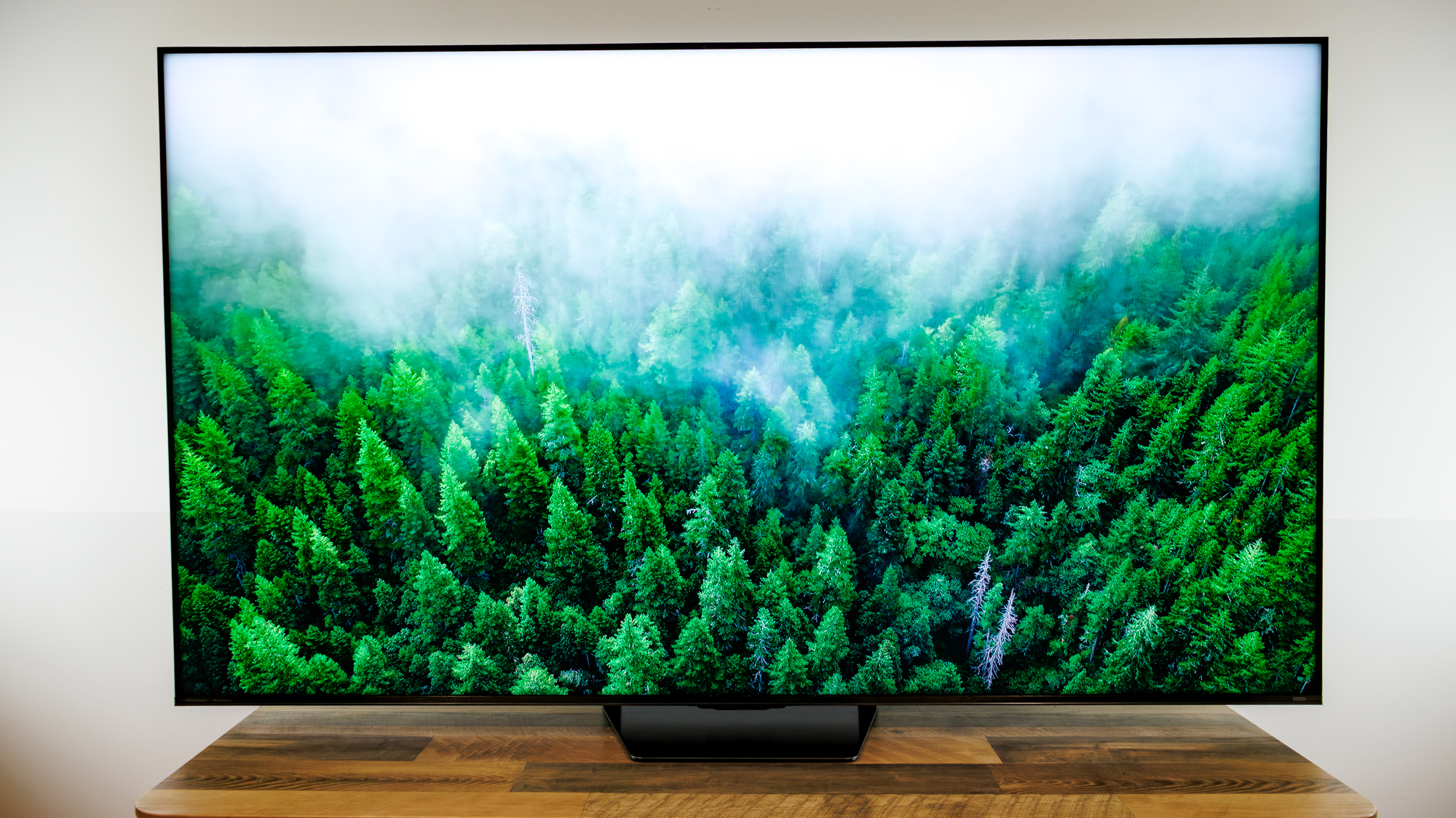
Laboratory testing reveals that the UR8’s RGB mini-LED implementation is not merely a marketing claim but a hardware achievement. In high-dynamic-range (HDR) scenarios, the display hits a staggering peak brightness of 3,542.7 nits in a 10% window. This significantly outperforms the market average for similar-sized LCDs, which typically hover around 1,900 nits. This level of luminance is essential for HDR, allowing the TV to render highlights—such as the sun reflecting off an aircraft canopy or the glow of an explosion—with startling realism.
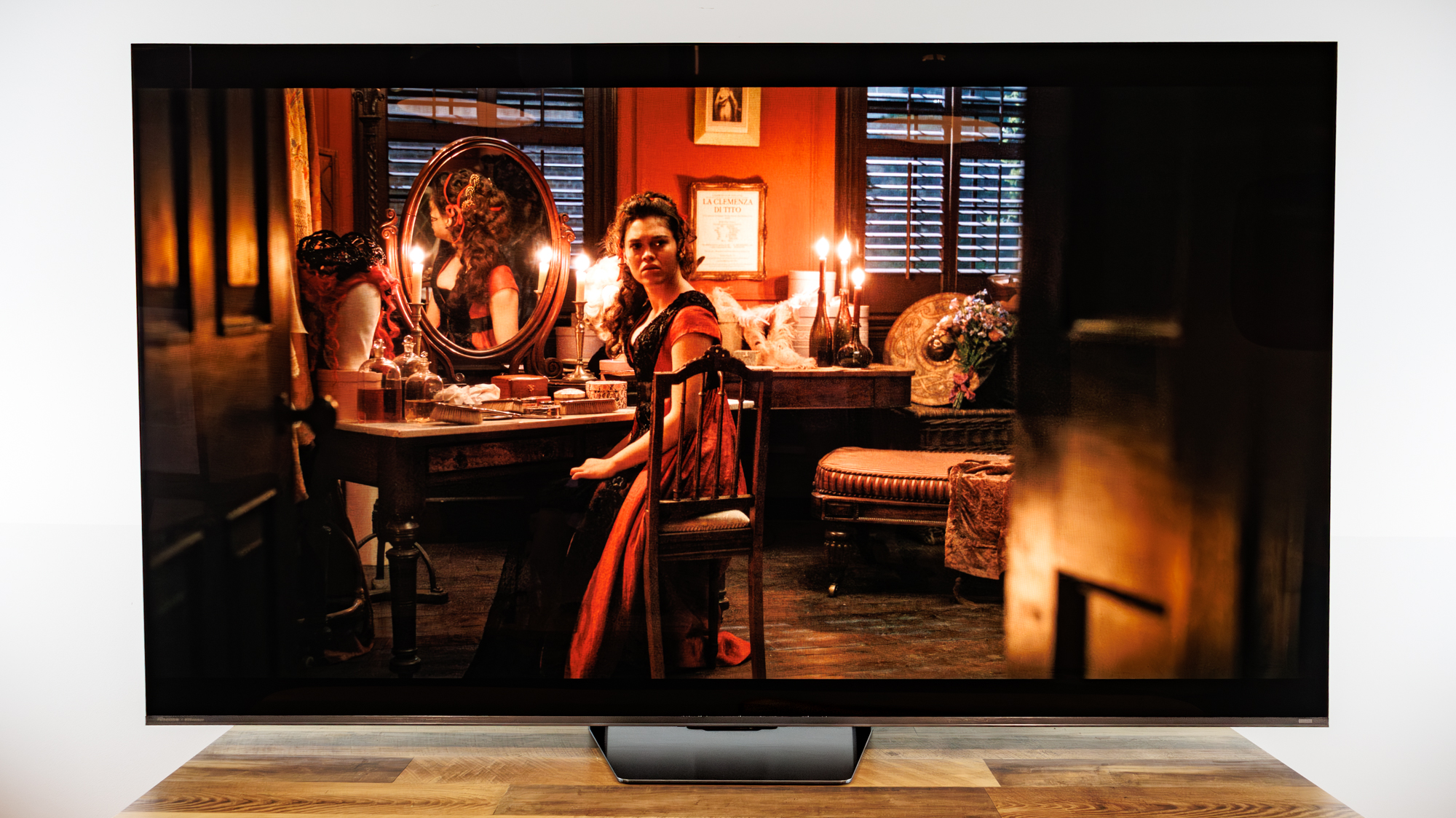
Color reproduction is another area where the UR8 excels. In tests measuring the UHDA-P3 color gamut, the unit reached 143.10% coverage. While human eyes may not perceive every incremental gain in color volume, this high percentage indicates the display’s ability to render complex hues that are currently pushed to their limits by high-end gaming and cinematic content. Even in standard dynamic range (SDR) content, the TV provides a bright, vibrant image, with the "Energy Saver" mode proving surprisingly capable in well-lit rooms.
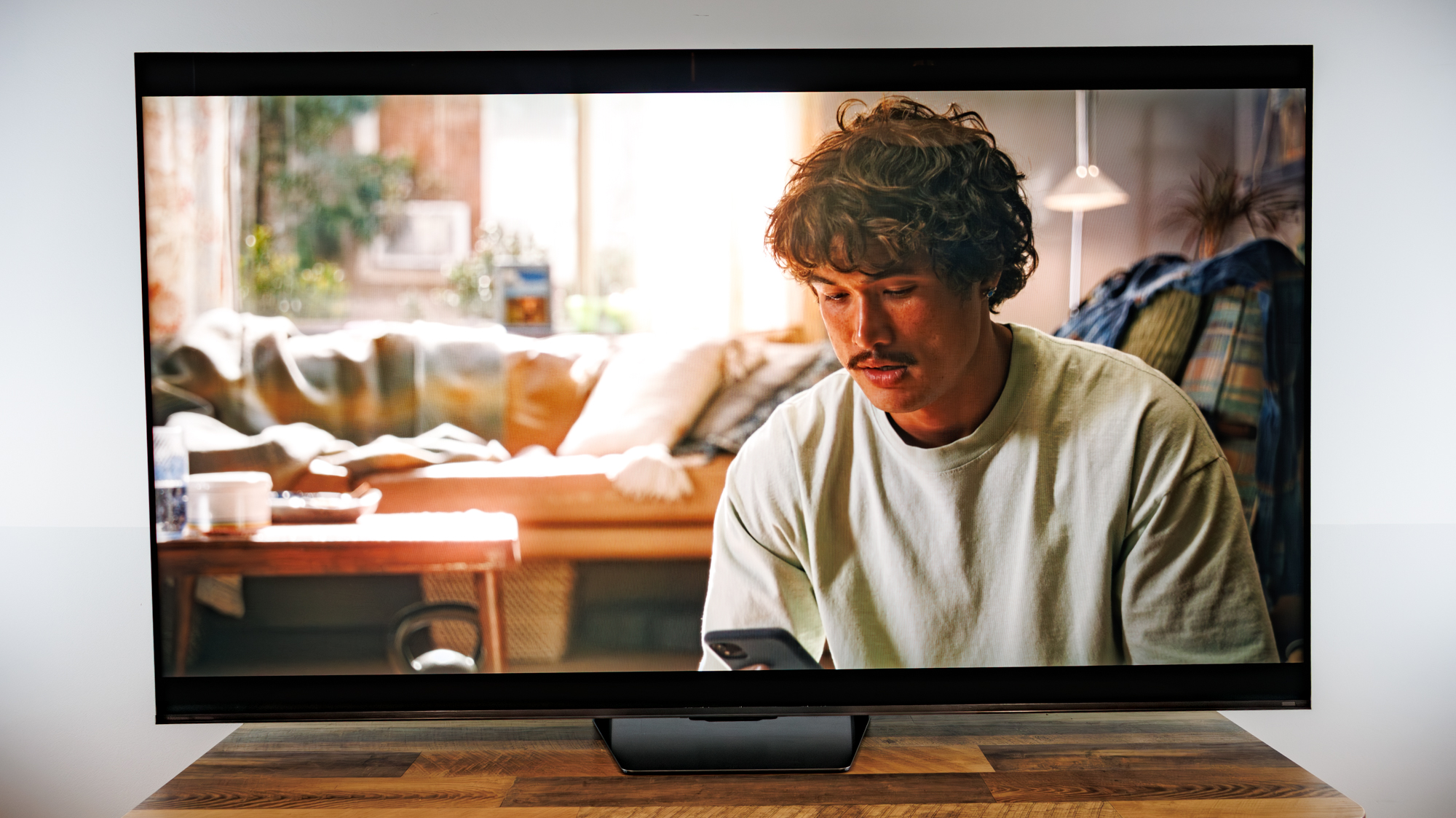
Critics of the technology point to a measured Delta-E of 4.80, which suggests that, out of the box, the colors may not be perfectly aligned with reference standards. However, in subjective testing, the difference is rarely noticeable to the average viewer. The inclusion of granular control settings—allowing users to adjust local dimming, peak brightness, and dark detail—provides enthusiasts the flexibility to calibrate the image to their personal preference or specific lighting conditions.
Gaming Prowess and Input Lag
The UR8 is clearly designed with the gaming community in mind. The "GameBooster" feature, which enables support for up to 180Hz refresh rates, is a standout for users with high-end gaming rigs. Even for console users capped at 120Hz, the experience is fluid and responsive. During rigorous testing, the display exhibited an input lag of 12.0ms. While professional competitive gamers often hunt for sub-10ms performance, 12ms is well within the threshold of "imperceptible" for the vast majority of users. The screen’s ability to handle fast-motion content without blurring or tearing, particularly in titles like "Spider-Man: Across the Spiderverse," confirms its status as a top-tier gaming display.
Audio Engineering by Devialet
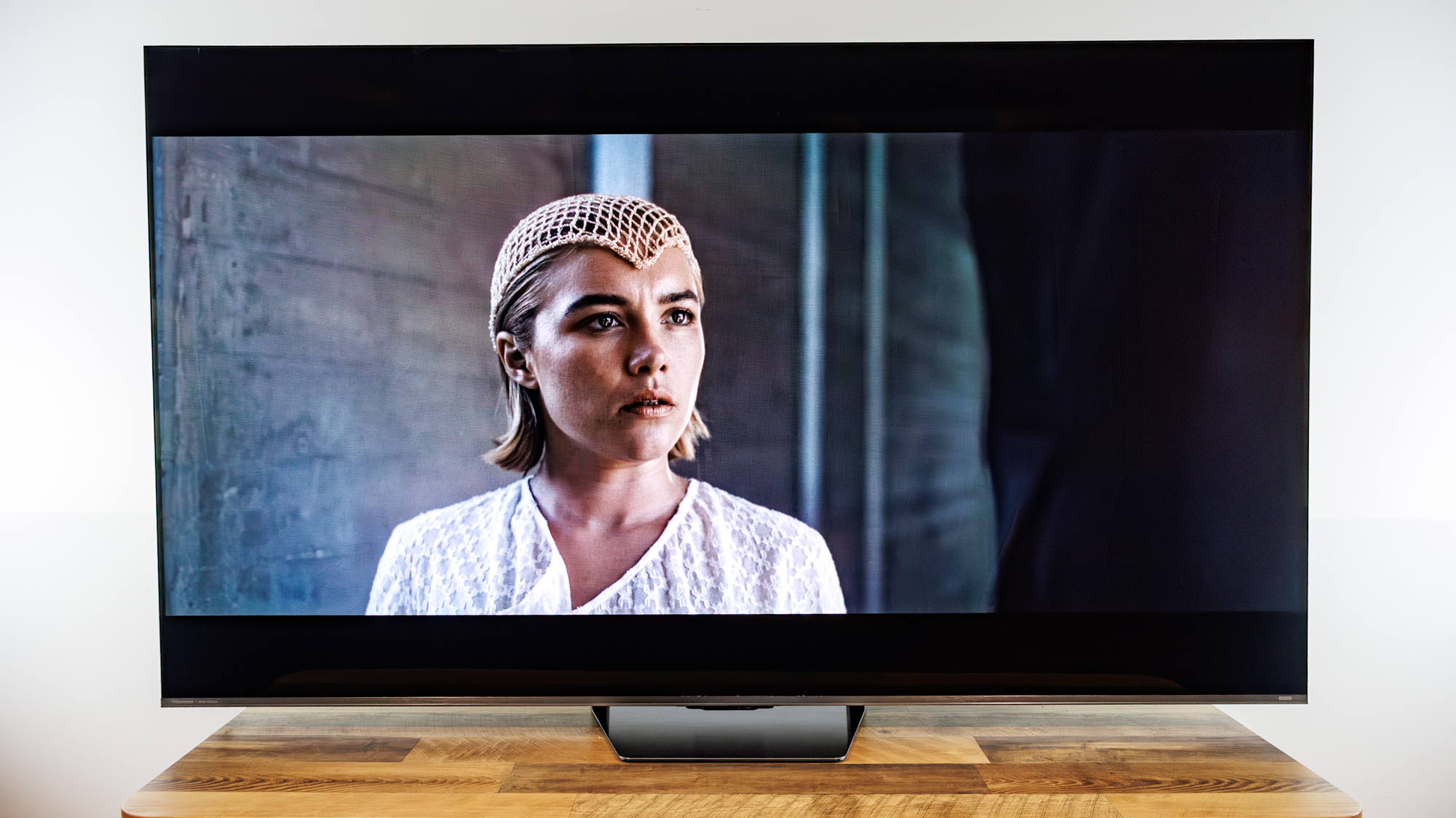
The collaboration with Devialet has resulted in a 2.1.2-channel sound system that delivers a surprisingly punchy audio profile. With 50 watts of total power, the system utilizes dedicated height speakers to simulate an overhead soundstage, a critical component for Dolby Atmos and DTS Virtual:X content. In practice, this provides a noticeable upgrade over standard internal TV speakers, particularly in action-oriented scenes where low-end frequencies are essential for immersion. While it cannot fully replace a dedicated multi-channel home theater system, it sets a high bar for internal audio, providing clear dialogue and impactful sound effects that hold their own against high-end OLED alternatives.
Software and User Interface
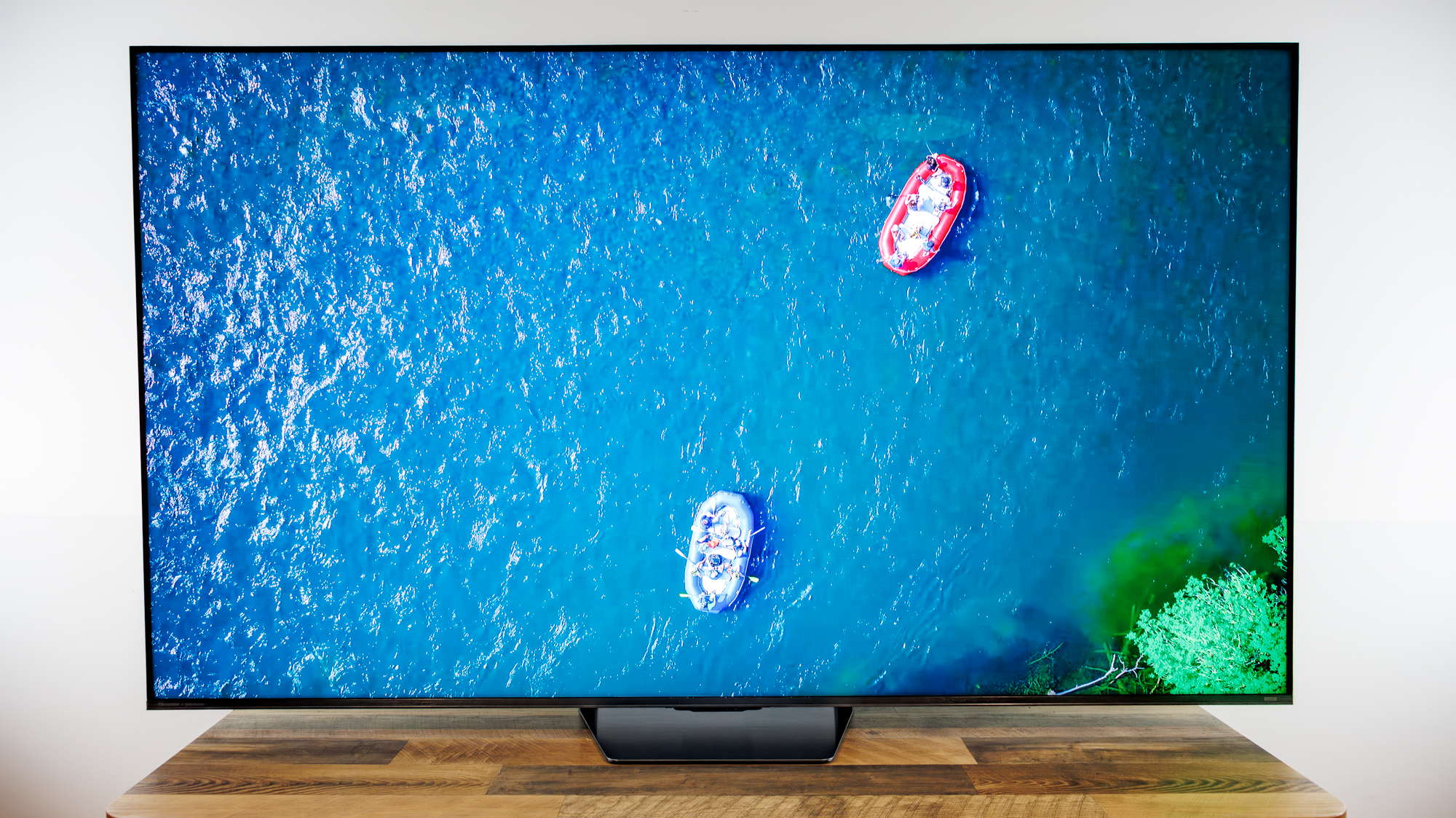
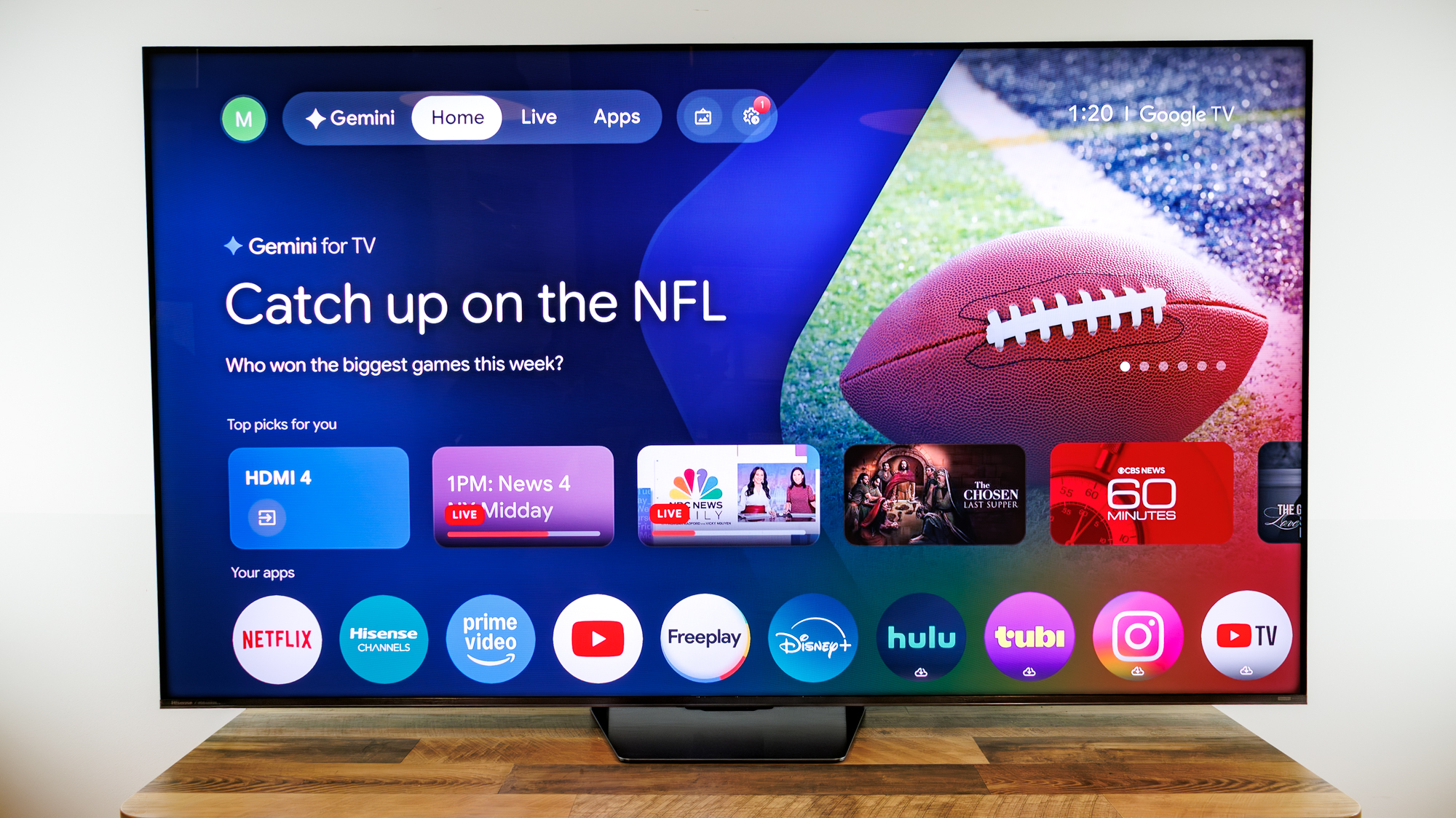
The UR8 utilizes the Google TV operating system, which is increasingly becoming the industry standard for high-end televisions. The interface is dominated by a carousel of promoted content, which may be a point of friction for some users, though the "Apps Only Mode" offers a cleaner, more minimalist alternative.
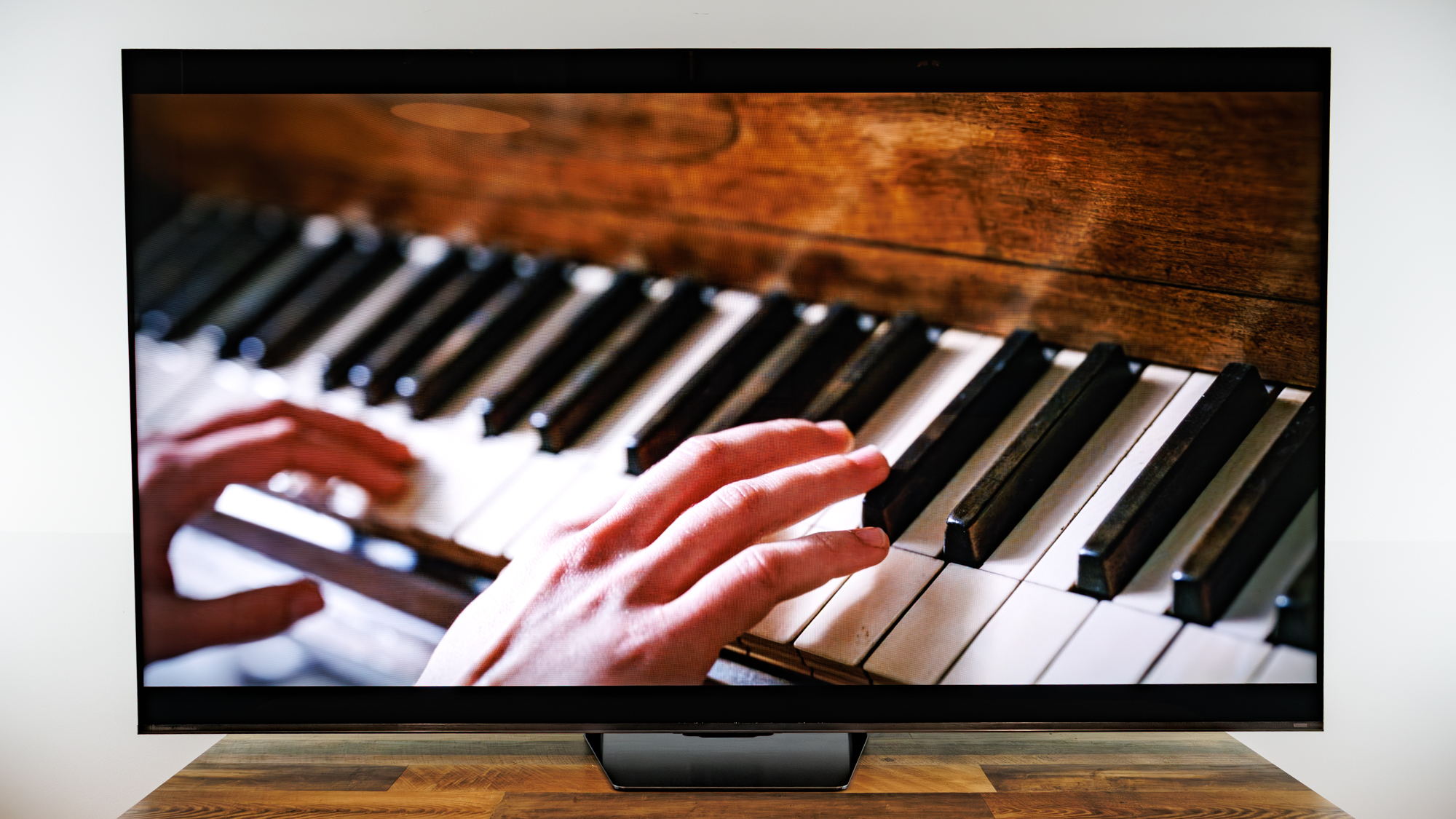
Gemini, Google’s AI assistant, is integrated deeply into the OS. Its natural language processing capabilities allow for complex search queries, such as identifying movies featuring specific actors in combination with certain genres. For users concerned about data privacy, Hisense has provided a robust menu under the "Settings" tab that allows for the granular management of permissions, including microphone access, location services, and personalized advertising. The inclusion of a dedicated, feature-rich remote—a stark contrast to the minimalist, button-sparse remotes favored by other brands—will be welcomed by users who prefer direct access to inputs and app shortcuts.
Implications for the Market
The Hisense UR8 is more than just a screen; it is a statement on the viability of RGB mini-LED technology as a challenger to OLED. By maximizing brightness and color gamut at a price point that undercuts legacy premium brands, Hisense is forcing a shift in market expectations. For the consumer, the implications are clear: high-performance, future-proofed display technology is becoming more accessible.
As manufacturers continue to compete, the success of the UR8 may accelerate the adoption of RGB-based backlighting across broader product lines. While the $2,500 list price may appear daunting, the reality of retail discounting suggests that the UR8 is intended to move volume, positioning itself as a value-oriented high-end TV. For those who prioritize screen size and cutting-edge display performance, the UR8 represents one of the most compelling options available in the 2026 landscape. Whether for high-fidelity gaming or cinematic home viewing, the device stands as a testament to the rapid maturation of mini-LED technology.