Apple officially launches macOS 27 Golden Gate with deep AI integration and refined design language

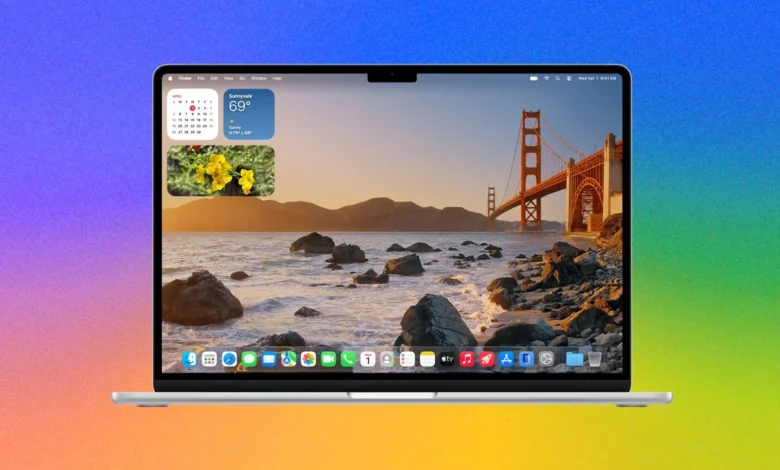
Apple has officially released macOS 27, codenamed Golden Gate, marking a significant milestone in the company’s transition toward an AI-integrated computing environment. Initially unveiled during the Worldwide Developers Conference (WWDC) in June 2026, the operating system became available to the general public on September 14. This release represents a pivot point for the Mac ecosystem, as it marks the first full version of the software designed exclusively for Apple Silicon, effectively ending support for legacy Intel-based hardware.
The hallmark of the Golden Gate update is the deployment of Siri AI, a revamped intelligent assistant powered by large language models (LLMs) derived from Google Gemini. This integration is designed to move beyond traditional command-based interactions, offering users systemwide contextual awareness, advanced image generation capabilities, and improved natural language processing.
Chronology and Development Roadmap
The journey to macOS 27 began with a series of strategic internal transitions following the release of macOS 26 Tahoe. Apple’s roadmap for 2026 was defined by the aggressive pursuit of "Apple Intelligence," a suite of generative AI features.

- June 2026: Apple announces macOS 27 Golden Gate at WWDC, outlining the shift to Apple Silicon-only support and the introduction of systemwide AI.
- July 2026: The developer and public beta programs commence, allowing testers to evaluate the stability of the new foundation models.
- September 14, 2026: The official public release of macOS 27 Golden Gate is distributed via the Software Update utility in System Settings.
- September 2026: Post-launch reviews confirm the rollout of "gradual" features, including waitlist-based access to the most advanced Siri AI capabilities.
System Requirements and Compatibility Constraints
The transition to an exclusive Apple Silicon architecture is the most rigid requirement of the Golden Gate update. Users running Intel-based MacBooks, iMacs, or Mac Pros are ineligible for the update, solidifying the 2020-era transition to M-series chips as the new baseline for Apple’s desktop ecosystem.
Beyond the hardware architecture, Apple has imposed specific performance tiers for advanced functionality. Features categorized under the "Advanced Voice Mode" or high-end generative tasks require an M3 processor or newer, accompanied by a minimum of 12 GB of RAM. This threshold excludes entry-level models, including the MacBook Neo and older MacBook Air variants released prior to 2024. Furthermore, regional regulatory frameworks have restricted the initial availability of Siri AI, with users in the European Union and China facing delays in accessing the full suite of generative features.
The Evolution of Siri AI: Technical Integration
Siri AI on macOS 27 represents a departure from the legacy architecture of the original assistant. By leveraging Google Gemini-based models, Apple has enabled a more responsive, context-aware interface. The assistant now operates as a systemwide entity accessible via the context menu in Finder or through integration with Spotlight.
The technical implications of this integration are profound. For instance, the "Visual Intelligence" feature allows the OS to analyze screenshots and documents in real-time, enabling users to query the content of files or request structural changes. By embedding these capabilities directly into the operating system, Apple is attempting to mitigate the friction often associated with web-based AI tools, providing a native, localized experience that prioritizes privacy and hardware acceleration.

Refinements to the Liquid Glass Interface
Building upon the design language introduced in macOS 26, the "Liquid Glass" interface has undergone significant aesthetic and functional refinement. In previous iterations, users reported that the high levels of transparency led to visual clutter, particularly when multiple windows overlapped.
In Golden Gate, Apple has introduced a refraction-based transparency model. This update modifies how the system renders background content, utilizing depth-of-field effects to increase the legibility of foreground text. Users are now provided with a granular slider in System Settings to adjust transparency levels, offering a balance between the aesthetic "glass" look and functional clarity. Additional visual updates include the standardization of window corner radii and the reintroduction of color-coded icons in sidebars, addressing long-standing criticisms regarding the lack of visual hierarchy in the UI.
Safari and Productivity Enhancements
The Safari browser, often the most utilized application on the platform, has received significant upgrades centered on organization and extensibility. The "Topics" feature is a primary addition, employing machine learning to group related tabs automatically, thereby reducing the manual overhead of window management.
Perhaps the most experimental feature is "Custom Extensions," which enables users to define browser functionality through natural language prompts. While the utility of this feature remains a subject of ongoing analysis, it signals a broader trend in software development where user intent, rather than code, dictates application behavior. Complementing this is the "Notify Me" feature, which monitors webpage changes—such as price fluctuations or content updates—and pushes notifications directly to the desktop.

Advanced Display and Performance Metrics
Though largely overshadowed by AI-related headlines, the technical improvements to display and performance are noteworthy. macOS 27 introduces systemwide High Dynamic Range (HDR) support for UI elements. By utilizing the XDR capabilities of Apple’s displays, the operating system now renders buttons, icons, and menus with higher luminance levels, improving visibility in high-contrast environments.
Furthermore, the update includes expanded support for high-refresh-rate external monitors. While official documentation remains cautious, the system architecture now supports display modes exceeding the previous 240 Hz standard, potentially opening the door for 360 Hz or 480 Hz configurations. These updates, combined with optimized memory and CPU usage for window transitions and Mission Control, suggest that Apple is focusing on high-fidelity performance for professional creative and gaming workflows.
Market Implications and Future Outlook
The release of macOS 27 Golden Gate underscores a broader industry trend: the integration of generative AI as a core operating system service rather than a peripheral application. By building these capabilities into the foundation of the OS—Shortcuts, Safari, and Spotlight—Apple is positioning the Mac as an intelligent agent rather than a passive tool.
However, the phased rollout of these features indicates that Apple is proceeding with caution. The decision to gate access to the most powerful models behind a waitlist and specific hardware requirements reflects the resource-heavy nature of current LLMs. Analysts note that while the shift to Google-backed models provides significant competitive parity with platforms like Windows and Linux, it also introduces a new dependency on cloud-based processing for certain tasks.

As the industry moves toward 2027, the success of Golden Gate will likely be measured by the stability of these AI integrations and the extent to which third-party developers adopt Apple’s new AI-driven APIs. For now, the update stands as a robust, if restrictive, vision of what a modern desktop operating system can achieve when the hardware and the software are developed in tandem to prioritize the emerging demands of generative intelligence. Users seeking to maximize their machine’s potential should ensure their systems are updated to the latest build, though those reliant on mission-critical workflows may choose to monitor the stability of the beta-tier Siri AI features before fully committing to a mission-critical migration.