Volkswagen Pushes Back US Return of All-Electric ID. Buzz to 2028 Model Year Amid Slowing Sales and Inventory Realignment

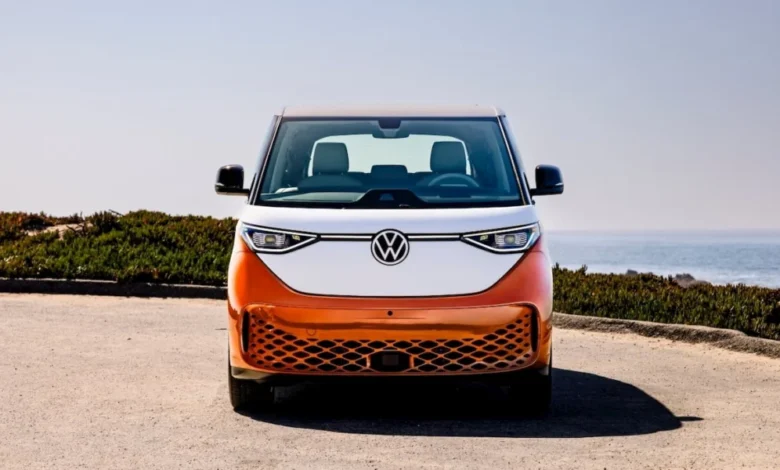
Volkswagen’s ambitious strategy to reintroduce its iconic electric minibus to the United States market has hit yet another roadblock. Following a previous decision to bypass the 2026 model year, the German automaker has officially notified its American dealer network that the Volkswagen ID. Buzz will not return for the 2027 model year either. According to recent industry reports, the distinctive electric people-mover is now delayed until the 2028 model year, marking a significant recalibration of Volkswagen’s electric vehicle roadmap in North America.
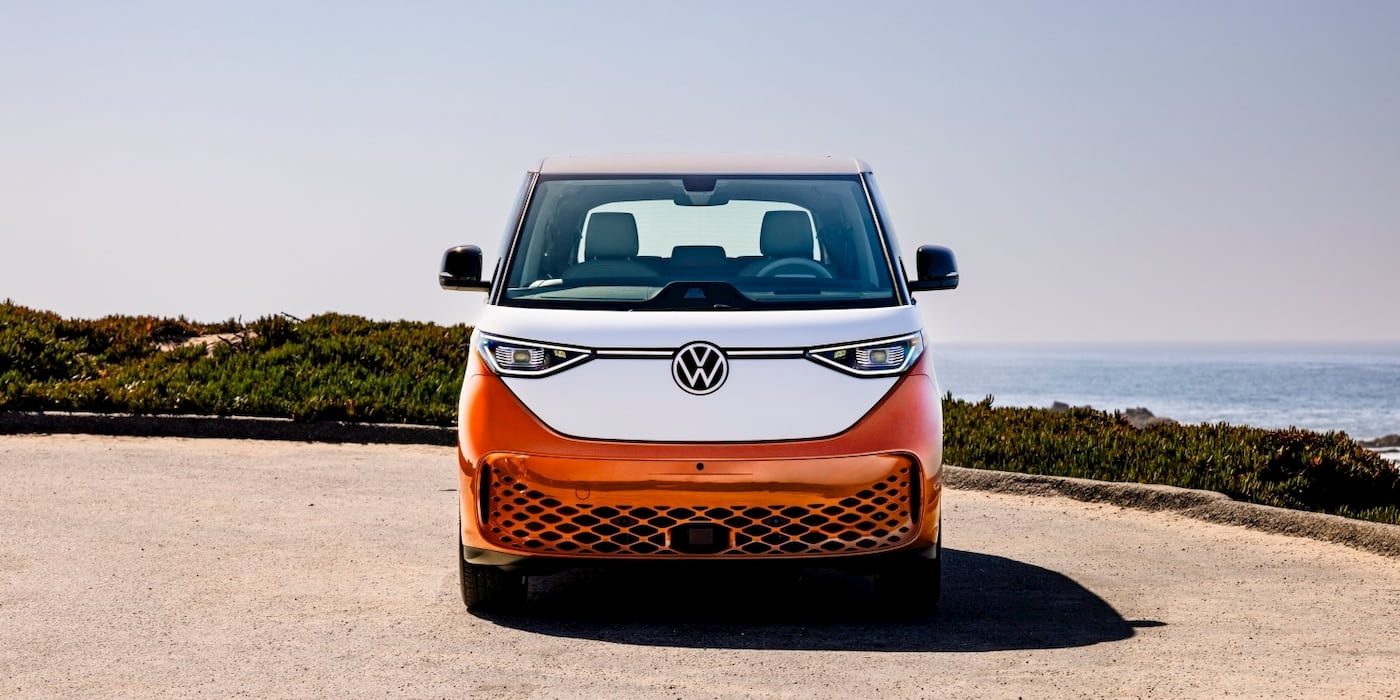
The shifting timeline underscores the complex realities facing traditional legacy automakers as they attempt to balance heritage-driven nostalgia with the rapidly evolving demands of modern consumers. When the ID. Buzz first debuted on American shores in 2024 as a spiritual, battery-powered successor to the beloved Type 2 Microbus, it was greeted with an initial wave of public fascination. However, that wave of nostalgia-fueled excitement quickly subsided, giving way to pragmatic consumer scrutiny regarding pricing, utility, and range performance.
A Chronology of the ID. Buzz Rollout and Subsequent Setbacks
The trajectory of the Volkswagen ID. Buzz in the United States has been marked by high expectations followed by operational and market adjustments.
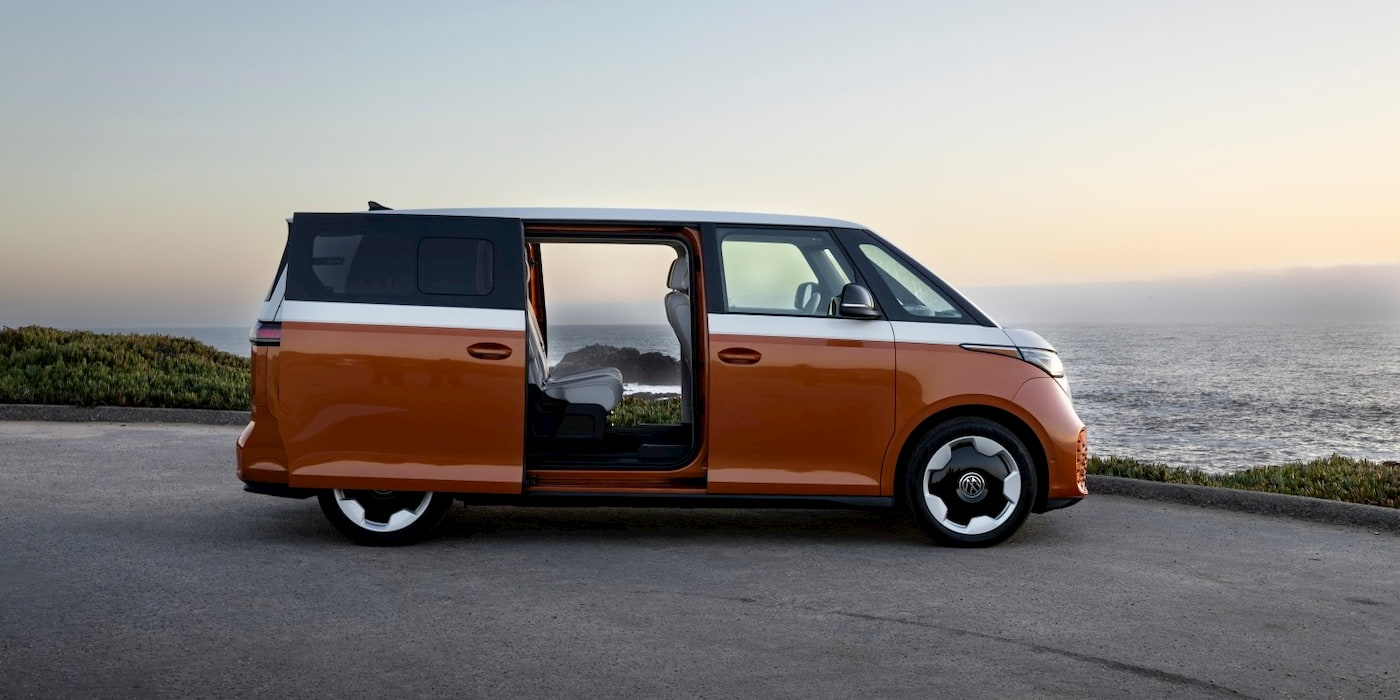
- 2024: The ID. Buzz officially goes on sale in the United States, positioning itself as a premium, all-electric halo vehicle for Volkswagen’s burgeoning EV lineup.
- Late 2024 to 2025: Initial sales momentum slows down. Volkswagen reports selling just 6,140 units of the ID. Buzz in the US over the course of the previous year, resulting in a surplus of inventory sitting on dealership lots nationwide.
- December 2025: Volkswagen Group of America confirms to industry media that the ID. Buzz will skip the 2026 model year in the US market, assuring stakeholders that the vehicle is not canceled and that existing inventory is sufficient to meet current demand.
- Early 2026: Volkswagen previews updates intended for a 2027 model year release—including a specialized "Tourer" trim designed for overnight camping and long-awaited compatibility with the North American Charging Standard (NACS).
- September 24, 2026: Volkswagen issues an updated memo to US dealers, formally communicating that the planned 2027 comeback has been scrapped in favor of a 2028 model year launch window.
Market Realities: Pricing, Range, and Competition
The primary driver behind the sluggish adoption of the ID. Buzz lies in the fiercely competitive and fast-moving landscape of American family transport. With a starting price hovering around $60,000, the ID. Buzz occupies a premium niche. While its retro styling commands attention, its functional specifications have struggled to convince mainstream buyers looking for optimal value and utility.
A critical hurdle for the vehicle has been its driving range. Offering up to 234 miles on a single charge, the ID. Buzz provides more than adequate daily range for urban commuting and routine errands. However, American consumers shopping for a three-row family vehicle—particularly those planning cross-country road trips or weekend getaways—frequently prioritize higher range thresholds.
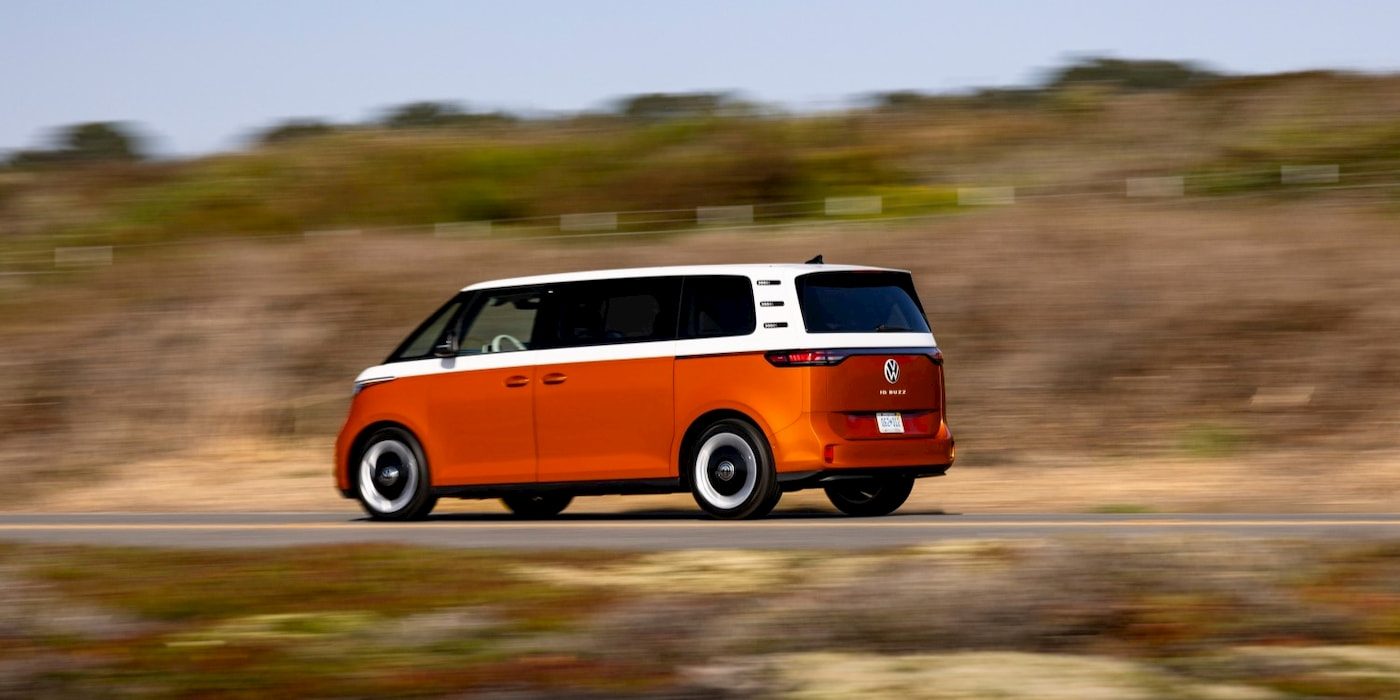
During the same period, competing three-row electric SUVs such as the Kia EV9 and the Hyundai IONIQ 9 entered the market offering robust battery architectures, advanced fast-charging capabilities, and driving ranges exceeding 300 miles. These alternatives deliver the passenger capacity and cargo flexibility that modern families demand, often at comparable or more aggressive price points. Consequently, inventory numbers for the Volkswagen ID. Buzz have dwindled down to minimal figures nationwide, with automotive listing trackers like Cars.com showing only a few dozen brand-new 2025 models remaining across the entire United States.
Broader Electrification Strategy and Lineup Revamp
The delay of the ID. Buzz does not occur in a vacuum; it is part of a broader, systemic restructuring of Volkswagen’s American electric portfolio. Alongside the adjustments to the minibus, Volkswagen has confirmed that its mainstream electric crossover, the ID.4, will also skip the 2027 model year as the company rethinks its product cadence and manufacturing priorities.
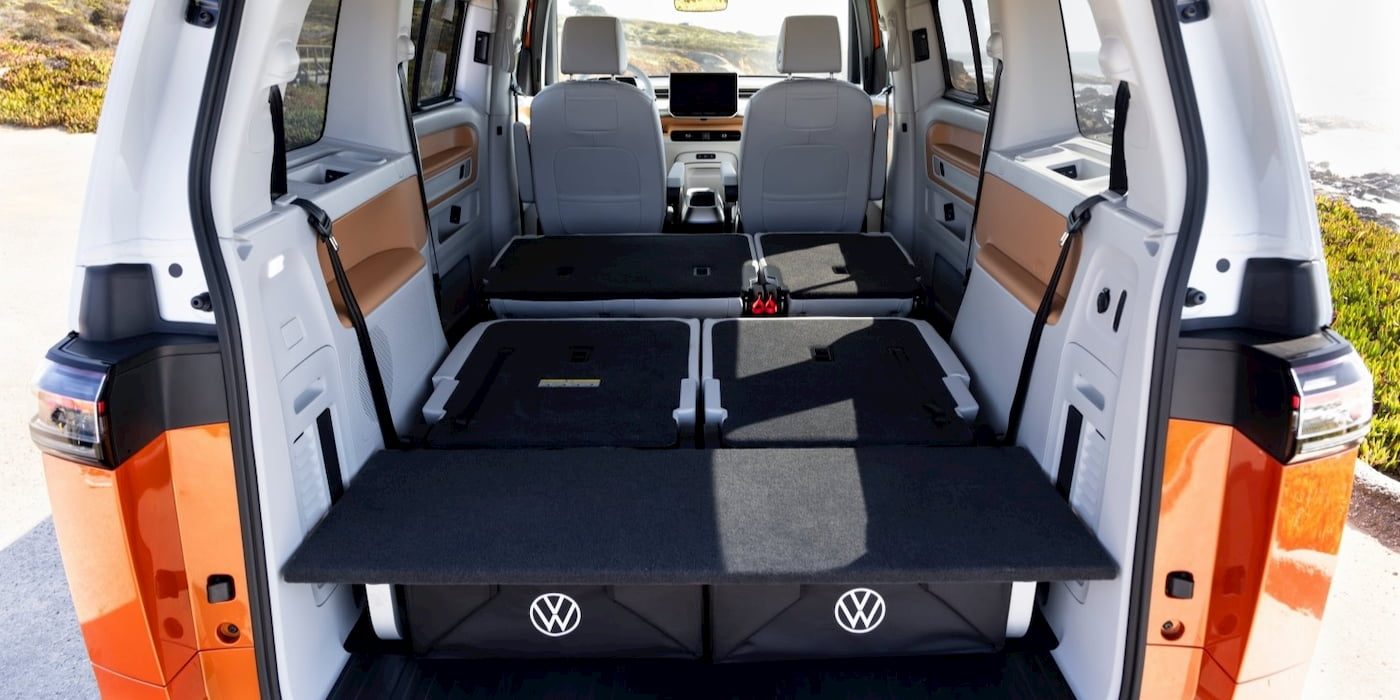
Automotive analysts view these moves as a necessary, albeit painful, pivot toward supply chain efficiency and margin preservation. Legacy manufacturers are currently navigating a transitional phase characterized by slower-than-projected consumer adoption curves for high-cost battery-electric vehicles. By temporarily pausing production models with excess inventory—such as the ID. Buzz and ID.4—automakers can clear dealership lots, reallocate capital, and prepare for the integration of next-generation software, improved battery chemistries, and native NACS charging ports.
Official Stances and Industry Implications
Despite the successive pushbacks, corporate leadership has remained steadfast in asserting that the ID. Buzz remains a core long-term fixture of the brand’s American identity. When addressing the initial omission of the 2026 model year, Jeannine Ginivan, Vice President and Chief Communications Officer for Volkswagen Group of America, emphasized that the vehicle was undergoing strategic scheduling rather than permanent termination, pointing to existing dealer stock as a buffer during the transition.

Nevertheless, the decision to delay the vehicle until the 2028 model year gives Volkswagen a crucial window of time to re-evaluate the pricing, feature sets, and marketing approach for the electric minibus. Whether the vehicle can recapture public enthusiasm upon its eventual return will depend heavily on whether Volkswagen can close the range gap with its competitors, refine its production costs, and convince American families that retro charm can successfully coexist with practical, long-distance utility.