Phasmophobia community raises over 230000 dollars for the American Heart Association during record-breaking charity event

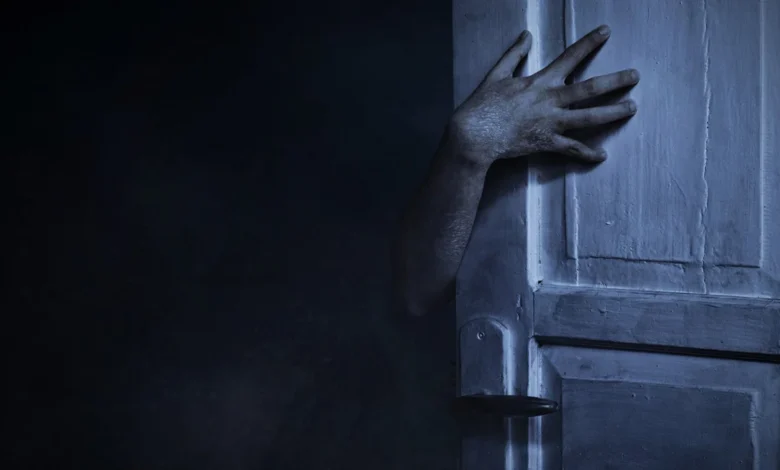
The dedicated player base of the popular cooperative horror title Phasmophobia has once again demonstrated its collective influence, raising more than $230,000 for the American Heart Association (AHA). This achievement, finalized on November 6, represents a significant milestone for the developer, Kinetic Games, and the AHA’s streaming outreach arm, Heart Liive. The funds, which equate to approximately £173,000, mark a substantial increase over the previous year’s performance, underscoring the growing efficacy of charitable initiatives within the gaming sector.
The fundraising initiative, titled "Ghost Hunts for Hearts," took place over a concentrated eight-day period, running from October 26 to November 2. During this window, the gaming community engaged in various livestreaming efforts designed to encourage viewer donations while playing the paranormal investigative simulator. The event saw participation from more than 500 individual content creators, making it the most successful fundraiser to date hosted under the Heart Liive banner.
A Chronology of the Ghost Hunts for Hearts Event
The progression of the 2026 fundraiser was characterized by rapid momentum and strong community engagement. Kinetic Games, the independent studio behind Phasmophobia, positioned the event as a central pillar of their autumn community calendar.
The campaign officially commenced on October 26, with the developer setting an ambitious primary fundraising goal of $200,000. This target was established as a threshold not only for financial success but also as a mechanism for unlocking digital rewards for the entire player base. Throughout the week, streamers integrated the game’s spooky, evidence-gathering mechanics into their broadcasts, providing a thematic backdrop for the charitable solicitation.
By the conclusion of the event on November 2, the community had not only reached the $200,000 benchmark but had exceeded it by over 15 percent. On November 3, the studio officially confirmed that the final tally had surpassed $230,000. As a direct result of surpassing the milestone, all Phasmophobia players were granted access to an exclusive, animated version of the "AHA Advocate ID Card and Badge," a digital cosmetic reward that serves as a permanent badge of honor for the community’s contribution. Players were instructed to log in to the game before November 15 to claim these items.
Analyzing the Impact of Gaming-Based Philanthropy
The success of the "Ghost Hunts for Hearts" event is reflective of a broader trend in the video game industry, where developers leverage their platforms to mobilize massive, globally dispersed communities for altruistic causes. Unlike traditional charitable drives, gaming fundraisers often utilize "gamification" to drive engagement. By offering exclusive in-game items—such as the ID cards and badges provided by Kinetic Games—developers create a tangible incentive that resonates with the player base, thereby increasing participation rates.
Comparing this year’s performance to the previous iteration reveals a significant upward trajectory. Last year, the event raised slightly more than $100,000. The doubling of these figures in a single year suggests that the partnership between Kinetic Games and the American Heart Association has gained significant institutional trust and visibility. The participation of over 500 streamers indicates that the event has become a "must-attend" date on the calendars of horror-focused content creators, providing them with a way to engage their audiences in a meaningful, positive way.
Official Responses and Community Engagement
The response from the development team has been one of gratitude and validation. Tom Dent, the lead social media and player experience manager at Kinetic Games, highlighted the unique culture surrounding the game. In a statement following the announcement, Dent remarked, "The Phasmophobia community never fails to amaze us, and this year they’ve outdone themselves. Thank you to every streamer, viewer, and player who took part."
For the American Heart Association, the success of this campaign is crucial. Heart Liive, the organization’s streaming initiative, is specifically designed to tap into the demographic of gamers and their viewers. By aligning with a game that emphasizes team coordination and shared objectives, the AHA is able to reach a younger, digital-native audience that might otherwise be less engaged with traditional charitable outreach methods. The funds raised are earmarked for cardiovascular research, public health education, and advocacy, providing a direct link between virtual ghost hunting and real-world health outcomes.
Contextualizing Phasmophobia’s Current Trajectory
While the charity event has been an unequivocal success, the broader context of Kinetic Games as a studio remains complex. Phasmophobia, which first arrived on the scene in an Early Access capacity in September 2020, has long been a titan of the indie horror space. However, the studio is currently navigating a period of transition and adjustment.
Earlier this year, Kinetic Games made the difficult decision to delay the game’s official 1.0 launch. Originally slated for a 2026 exit from Early Access, the transition to a full release has been pushed back into 2027. This decision follows a period of criticism regarding a recent "Player Character Update," which encountered significant technical hurdles and negative feedback. The studio’s management acknowledged that they "missed the mark" with the update, leading to a public apology and a pivot toward a more quality-focused development cycle.
This shift in strategy highlights a maturing independent studio that is attempting to balance the demands of a massive, active player base with the realities of long-term software development. The commitment to quality over speed is a common, if difficult, refrain in the industry, and the continued support from the community—evidenced by the record-breaking charity donations—suggests that players remain deeply invested in the game’s long-term health.
Future Developments and Expansion
Kinetic Games is also diversifying its operations. The launch of "Kinetic Publishing" earlier this year marks a strategic expansion, with the studio aiming to support other indie developers. The division’s first title, a starship job simulator titled Contact Protocol, is scheduled for release in the spring of 2027. This suggests that the studio is looking beyond Phasmophobia to establish a multi-title portfolio.
Meanwhile, the core Phasmophobia experience continues to expand. The game is currently accessible on PC (Steam), PS5, PS VR2, and Xbox Series X/S. Furthermore, a version for the highly anticipated, yet still under-wraps, Nintendo Switch 2 is in development. While the specific release date for the Switch 2 version remains speculative, its inclusion in the studio’s development roadmap underscores the brand’s enduring popularity across various hardware ecosystems.
The success of the "Ghost Hunts for Hearts" fundraiser serves as a reminder of the unique social dynamics inherent in modern gaming. In an era where digital spaces often struggle with toxicity, the ability of a studio and its community to rally behind a significant cause highlights the potential for positive social impact. As Kinetic Games looks toward its 1.0 launch in 2027 and the expansion of its publishing arm, the goodwill generated by these charitable initiatives will likely remain a foundational asset for the brand, fostering a loyal player base that feels directly connected to the studio’s mission and its values. The $230,000 raised is not merely a financial figure; it is an indicator of a thriving community that has successfully bridged the gap between the thrill of the hunt and the reality of humanitarian contribution.