Tesla quiet mode expands to Model Y Robotaxi fleet as autonomous travel milestones accelerate

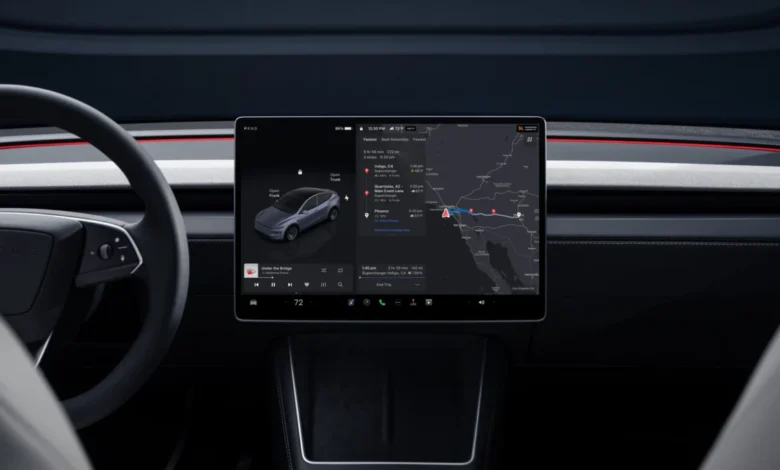
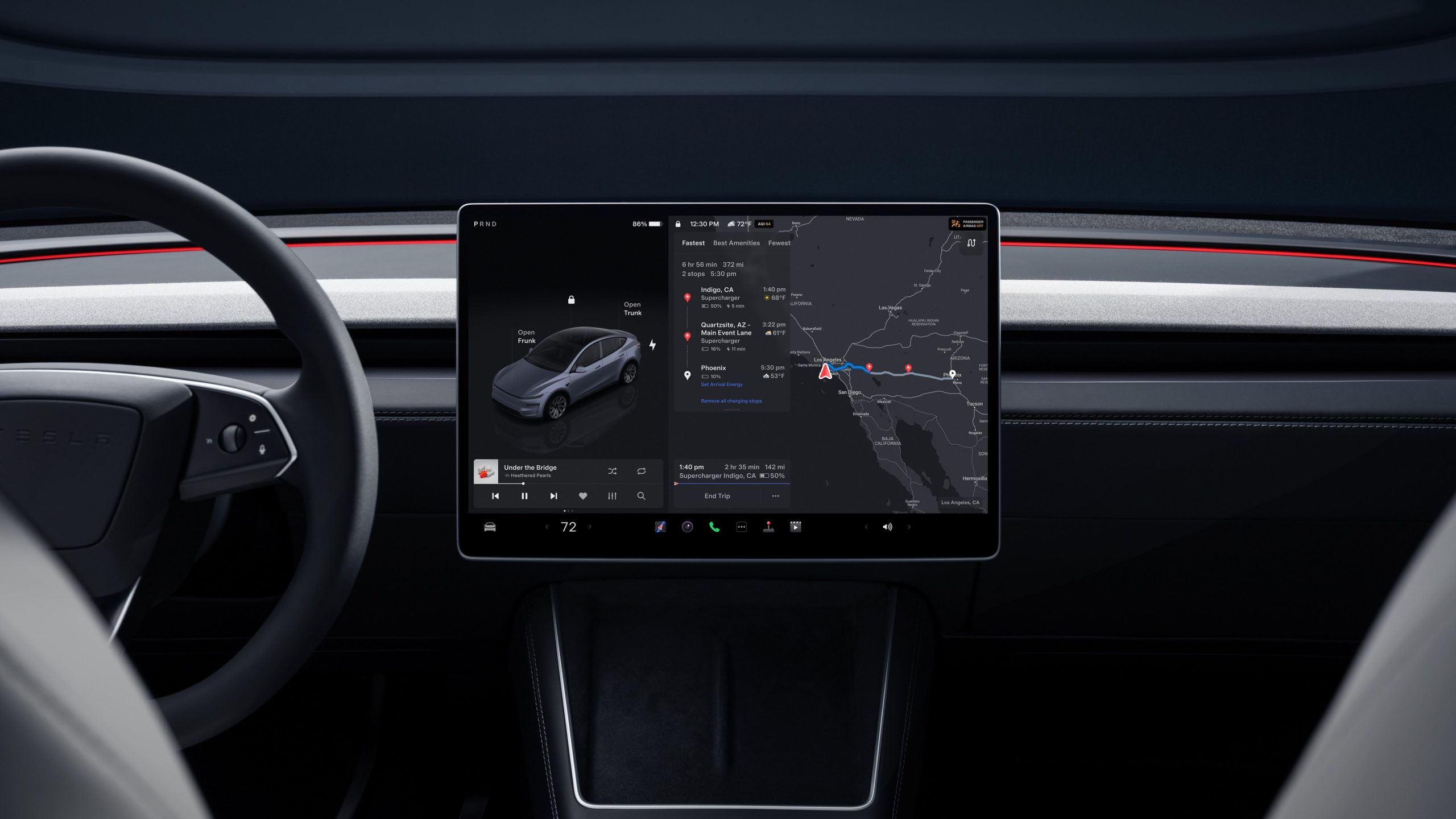
Tesla’s transition toward a fully autonomous transportation ecosystem has reached a new functional milestone with the deployment of “Quiet Mode” for its Model Y Robotaxi fleet. Originally debuted on the next-generation Cybercab platform, this feature allows passengers to black out the vehicle’s primary interior interface, creating a darkened environment conducive to rest. The expansion of this feature to the Model Y, currently operating in driverless capacities across Dallas and Houston, signals a maturation of the user experience design for ride-hailing services where human intervention is no longer a requirement.
Observations surfaced on October 29, 2026, when a passenger in Dallas documented the feature’s integration into a Model Y Robotaxi. By selecting a crescent moon icon located on the lower right of the interface, the vehicle suppresses non-essential visuals, including the map navigation, media controls, and AI-driven Grok prompts. Essential safety and comfort metrics—such as the “Arriving Soon” status, destination details, and core climate controls—remain accessible, ensuring that passenger agency is maintained even while the primary display remains dormant.
A Decade of Evolution: From Concept to Cab
The vision of a vehicle capable of serving as a mobile bedroom has been a cornerstone of Elon Musk’s public roadmap for over a decade. In October 2014, Musk posited that within five to six years, autonomous technology would allow passengers to board a vehicle, fall asleep, and wake up at their destination. By 2017, however, the narrative shifted toward a more conservative assessment of safety requirements. At the TED conference that year, Musk emphasized that the 99.9% reliability threshold was insufficient for passenger trust, noting that if a car were to crash even once in a thousand trips, the prospect of sleeping inside would remain unappealing to the public.
This pursuit of "nap-readiness" evolved through various iterations of Tesla’s software. In December 2019, following user requests for a dedicated "Nap Mode" that would maintain cabin climate and trigger a timed wake-up alarm, Musk confirmed the development of such a feature. The concept was further solidified during the "We, Robot" event in October 2024, where the unveiling of the Cybercab shifted the focus from supervised Full Self-Driving (FSD) to a fully unsupervised model. By the first quarter of 2025, Musk had defined the "acid test" for autonomy as the ability for a passenger to sleep through an entire journey, expressing confidence that this would become a standardized reality in multiple U.S. cities by the end of 2025.
Enhancing the Passenger Experience
Beyond the visual interface, Tesla has been methodically refining the acoustic and behavioral profile of its Robotaxi fleet. Reports from late October 2026 indicate that the vehicles have transitioned to a subtle, limited-chime system for turn signals, which activate only for the first four blinks before silencing. This reduction in cabin auditory noise, combined with the new Quiet Mode, addresses common pain points for passengers utilizing ride-hailing services for late-night or long-distance travel.

The deployment of these features coincides with aggressive growth in Tesla’s autonomous ride-hailing footprint. Since April 2025, the company has successfully operated driverless Model Y units in major Texas hubs. To bolster adoption, Tesla has introduced promotional incentives, including free initial trips for new users in Dallas and Houston. Furthermore, the company has confirmed that the specialized Cybercab platform is slated to begin service in Dallas in November 2026, further diversifying the available fleet.
Market Context and Strategic Implications
The integration of Quiet Mode is not merely a convenience feature; it represents a strategic differentiator in the competitive landscape of autonomous ride-hailing. As companies like Waymo and Zoox compete for market share, the ability to deliver a "premium" experience—one that prioritizes passenger privacy and comfort—may prove essential for long-term customer retention.
From a technological standpoint, the ability to scale these features across a mixed fleet of Model Ys and Cybercabs demonstrates the flexibility of Tesla’s unified software architecture. By decoupling the user interface from the driving task, Tesla allows for a highly personalized environment that adapts to the specific needs of the rider, whether they are commuting, working, or resting.

Broader Synergies: Infrastructure and Capital
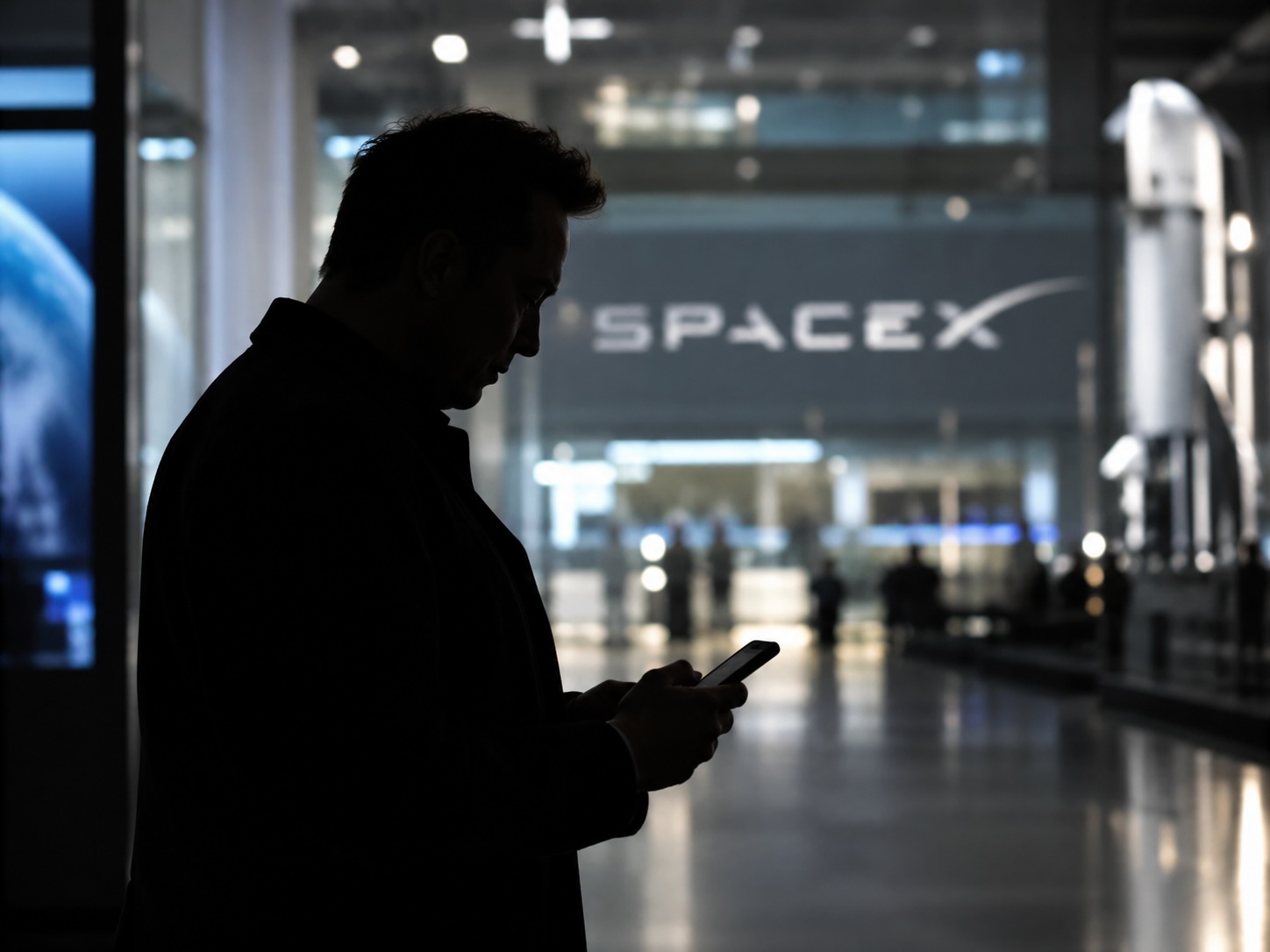
The refinement of the passenger experience is occurring in parallel with significant shifts in Tesla and SpaceX’s shared infrastructure. On November 1, 2026, Elon Musk commented on the scale of computational power, noting that terrestrial data centers will soon be "peanuts" compared to the orbital compute capacity SpaceX aims to deploy by 2029. This massive investment in AI infrastructure is the engine behind the real-time processing capabilities required for autonomous navigation.
SpaceX’s roadmap involves deploying up to 1 million AI-enabled satellites, each equipped with significant solar-powered compute resources. This orbital "Starmind" project is intended to provide the low-latency connectivity required to manage large-scale fleets of autonomous vehicles across the globe. The financial burden of this ambition is substantial, with analysts projecting SpaceX’s capital expenditure to reach hundreds of billions of dollars over the coming five quarters. However, Musk has consistently pushed back against these estimates, arguing that the company’s capex efficiency is significantly higher than market consensus suggests.
The Intersection of Hardware and Autonomy
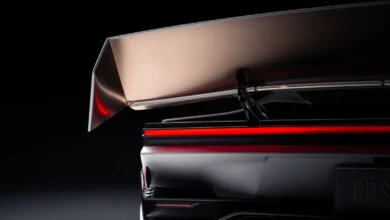
The physical manifestation of this collaborative engineering is perhaps best exemplified by the next-generation Tesla Roadster, which was recently spotted at SpaceX’s Hawthorne, California headquarters. The vehicle, which utilizes cold gas thrusters—a technology directly derived from SpaceX’s Falcon 9 rocket program—symbolizes the deepening integration between the two companies.

The Roadster’s presence at the site of the Falcon 9 "B1019" monument is a potent piece of symbolism for the industry. It highlights how hardware innovations, such as SpaceX’s reusable rocket tanks, have influenced Tesla’s high-performance vehicle design. As special committees at both companies continue to evaluate the potential for a formal merger, the Roadster serves as a tangible prototype of what a unified technology firm can produce.
Looking Ahead
The path to widespread autonomous travel is marked by both technical triumphs and public perception hurdles. By normalizing the "sleep-in-transit" experience, Tesla is attempting to cross the final psychological barrier for mass adoption of self-driving cars.
While regulators and safety advocates continue to monitor the progress of FSD in urban environments, the consistency of Tesla’s rollout suggests a high level of internal confidence in the system’s reliability. The combination of hardware-level upgrades, such as the SpaceX-derived thrusters, and software-level refinements, such as the new Quiet Mode, indicates that the Robotaxi fleet is moving out of its experimental phase and into a period of commercial maturity.
As Tesla moves toward its goal of launching the Cybercab in additional markets, the focus will likely remain on the "acid test" of autonomy: delivering a passenger to their destination safely, efficiently, and with minimal cognitive load. Whether through the silent operation of a Robotaxi or the advanced performance of a thruster-equipped Roadster, the narrative remains consistent: the intersection of aerospace technology and consumer transportation is rapidly reshaping the future of mobility.
The financial and operational success of these initiatives will be tested in the coming months as Tesla reports on its revenue growth and operational expansion. With the company guiding for significant increases in quarterly revenue—having already demonstrated a substantial leap from Q3 results—the ability to monetize autonomous transit will be the ultimate indicator of the program’s viability. For now, the introduction of a simple crescent moon icon on a dashboard is a quiet but significant step toward a fully autonomous future.