OpenAI Prepares Major Political and Public Relations Strategy Ahead of Midterm Elections and the 2028 Presidential Race


As artificial intelligence rapidly transforms from a niche technological pursuit into a foundational pillar of modern infrastructure, public friction over its physical footprint has intensified. Data centers—the colossal, humming warehouses of servers required to train and run massive frontier models—have quickly become deeply unpopular among local communities. Facing severe gridlock, surging electricity demands, and intense grassroots backlash, tech giants are searching for solutions. Enter OpenAI, which is reportedly preparing a sophisticated, high-stakes public relations and policy campaign designed to reshape the national narrative around artificial intelligence, starting immediately in the wake of the upcoming midterm elections.
According to recent reports, OpenAI is mapping out a comprehensive strategy to influence legislative frameworks, sway public perception, and position artificial intelligence as the definitive political issue of the decade. With shifting political landscapes in Washington, D.C., and growing community resistance from coast to coast, the artificial intelligence leader is deploying a multi-pronged approach that ranges from linguistic rebranding to establishing international governance standards.
The Political Landscape: The Midterm Elections as a Preview for 2028
The strategic pivot by OpenAI is heavily tied to the political calendar. Following the midterm elections, where Democrats are widely projected by political analysts to regain control of the House of Representatives and potentially make gains in the Senate, the federal legislative environment is expected to shift significantly. Rather than viewing this potential shift as a roadblock, OpenAI’s leadership views it as an opening to engage with a new configuration of lawmakers on critical infrastructure and regulatory policies.
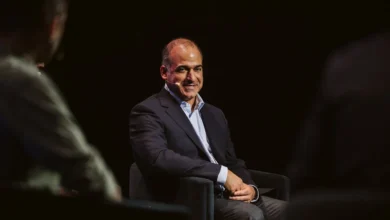
Chris Lehane, OpenAI’s Chief Global Affairs Officer, recently characterized the post-midterm environment during discussions with media outlets as a crucial dry run. He described the period as a "movie trailer for what you’re going to see in 2028," pointing directly to the upcoming presidential election cycle. In Lehane’s view, artificial intelligence will no longer be treated as a secondary policy portfolio item; instead, it is poised to become the single most dominant issue in American presidential politics.
By initiating its strategic PR blitz now, OpenAI aims to preemptively shape how politicians, regulators, and everyday citizens talk about and regulate the technology. The company hopes to avoid the reactive, fragmented regulatory battles that have plagued other emerging tech sectors, opting instead to guide the legislative agenda before the high-stakes theater of the 2028 presidential campaign officially kicks off.
The Crisis of Local Backlash: Rebranding Data Centers as AI Compute Campuses
At the heart of OpenAI’s public relations challenge is the physical reality of the artificial intelligence boom: data centers. These facilities consume staggering amounts of electricity and water, often straining local municipal grids and sparking fierce opposition from residents. Protests have already surfaced in various regions, including parts of Canada such as British Columbia and Manitoba, as well as numerous municipalities across the United States. Communities are increasingly pushing back against proposals to build massive server farms in their backyards, citing environmental concerns, noise pollution, and strained public utilities.
The resistance has become so severe that it is fundamentally altering how tech companies negotiate with local governments. Major cloud and artificial intelligence infrastructure providers, including Amazon and Microsoft, have recently faced intense public pressure regarding their transparency. In response to mounting backlash and demands from local officials, both companies announced that they would no longer utilize non-disclosure agreements (NDAs) in their negotiations with local municipalities, bowing to demands for open and public discussions.

Recognizing that the term "data center" carries heavy negative baggage in the public consciousness, OpenAI’s strategy includes a distinct linguistic pivot. In an effort to soften the image of these industrial hubs and align them with concepts of innovation and education, the company is reportedly exploring ways to rebrand data centers as "AI compute campuses."
This rebranding effort is designed to evoke images of modern university research parks or advanced technology hubs rather than sprawling, energy-hungry industrial warehouses. By framing these facilities as centers of high-tech progress and community investment, OpenAI hopes to mitigate local resistance and foster a more welcoming environment for the infrastructure required to power future models.
However, industry critics and community advocates argue that a mere name change will do little to solve the underlying logistical and environmental challenges. Power grid stability, carbon emissions, and water usage remain pressing concerns that require concrete technological and infrastructural solutions, regardless of what the facilities are called.
Balancing Accountability, Growth, and Global Standards
Despite the clear need to manage its public image, OpenAI leadership has acknowledged that the skepticism directed at tech companies is not entirely unfounded. Lehane described the ongoing public debate surrounding data centers as "good and healthy," emphasizing that local populations have a right to demand accountability.
"Communities should hold companies responsible and accountable so they really and truly get a transformative benefit from these projects," Lehane stated, signaling a willingness to engage in collaborative dialogues rather than imposing infrastructure from the top down.
Beyond local infrastructure, OpenAI’s comprehensive policy agenda encompasses several other ambitious proposals aimed at building trust and maintaining American leadership in the technology sector:
- Exploring AI "Speed Limits": As other industry leaders, such as Anthropic CEO Dario Amodei, have outlined plans to pace the development of frontier models, OpenAI is evaluating frameworks for responsible scaling and developmental safeguards to ensure safety does not take a backseat to competition.
- Empowering the Daily User: The campaign will focus heavily on shifting public perception so that everyday citizens view artificial intelligence not as a threat to their livelihoods or privacy, but as a practical tool that empowers them in their daily personal and professional lives.
- Global Governance and Standards: OpenAI is actively pushing for the United States government to take a leading role in establishing international standards for artificial intelligence development, ensuring that democratic values and safety protocols are embedded into global frameworks before adversarial nations can set the terms.
Looking Ahead: The Road to 2028
As the political dust settles following the midterm elections, the intersection of artificial intelligence, energy policy, and national security will undoubtedly take center stage in Washington. OpenAI’s preemptive public relations and policy blitz represents a calculated effort to steer this complex national conversation.
Whether a linguistic rebranding to "AI compute campuses" and a charm offensive targeting lawmakers and local communities will be enough to overcome the physical and political hurdles of the artificial intelligence revolution remains to be seen. What is certain, however, is that the stakes have never been higher. As the tech industry races toward ever-more powerful models, the battle for public trust and political alignment will dictate the very future of how artificial intelligence is built, housed, and governed for generations to come.