GM Expands Energy Pass Ecosystem with Full ChargePoint Integration for Electric Vehicle Drivers

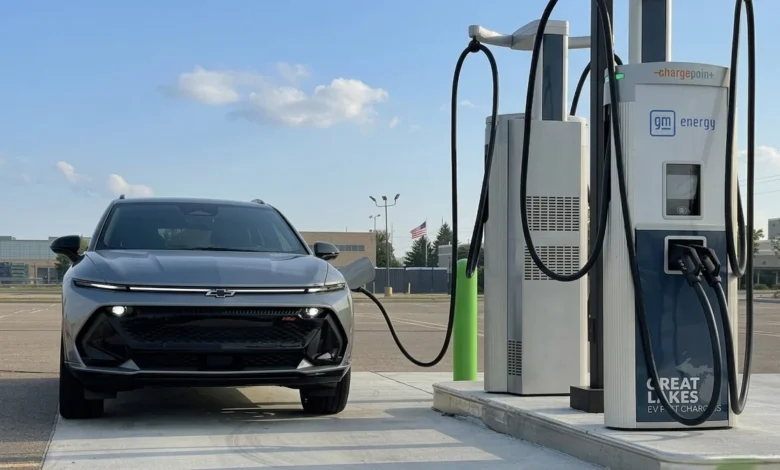
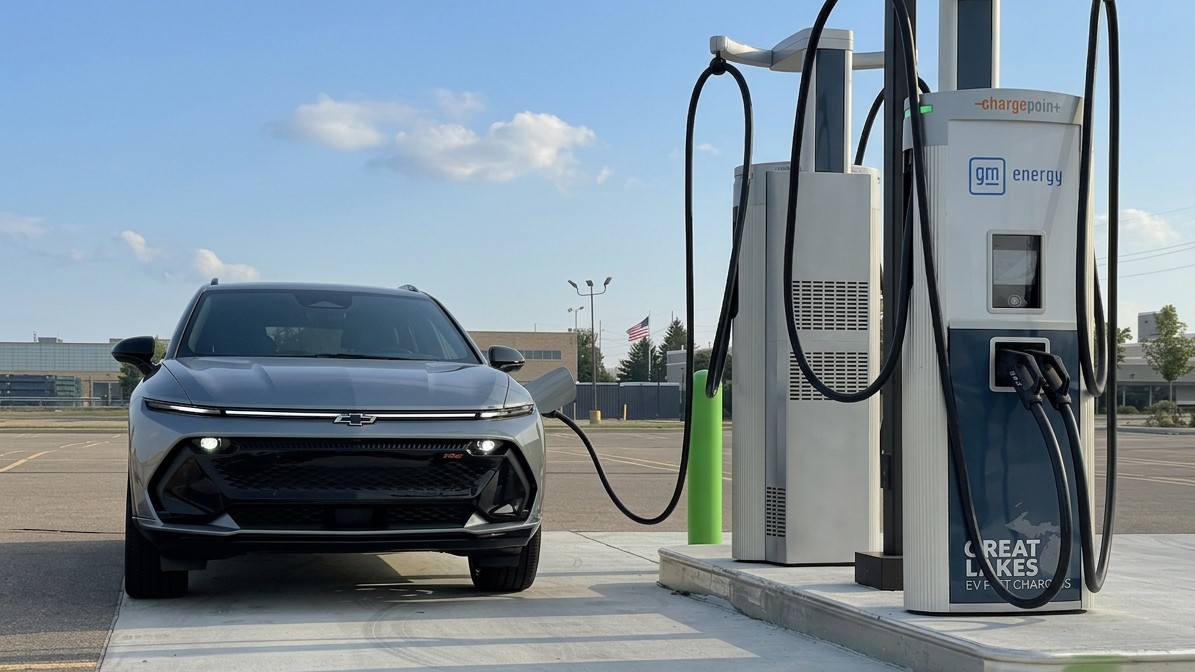
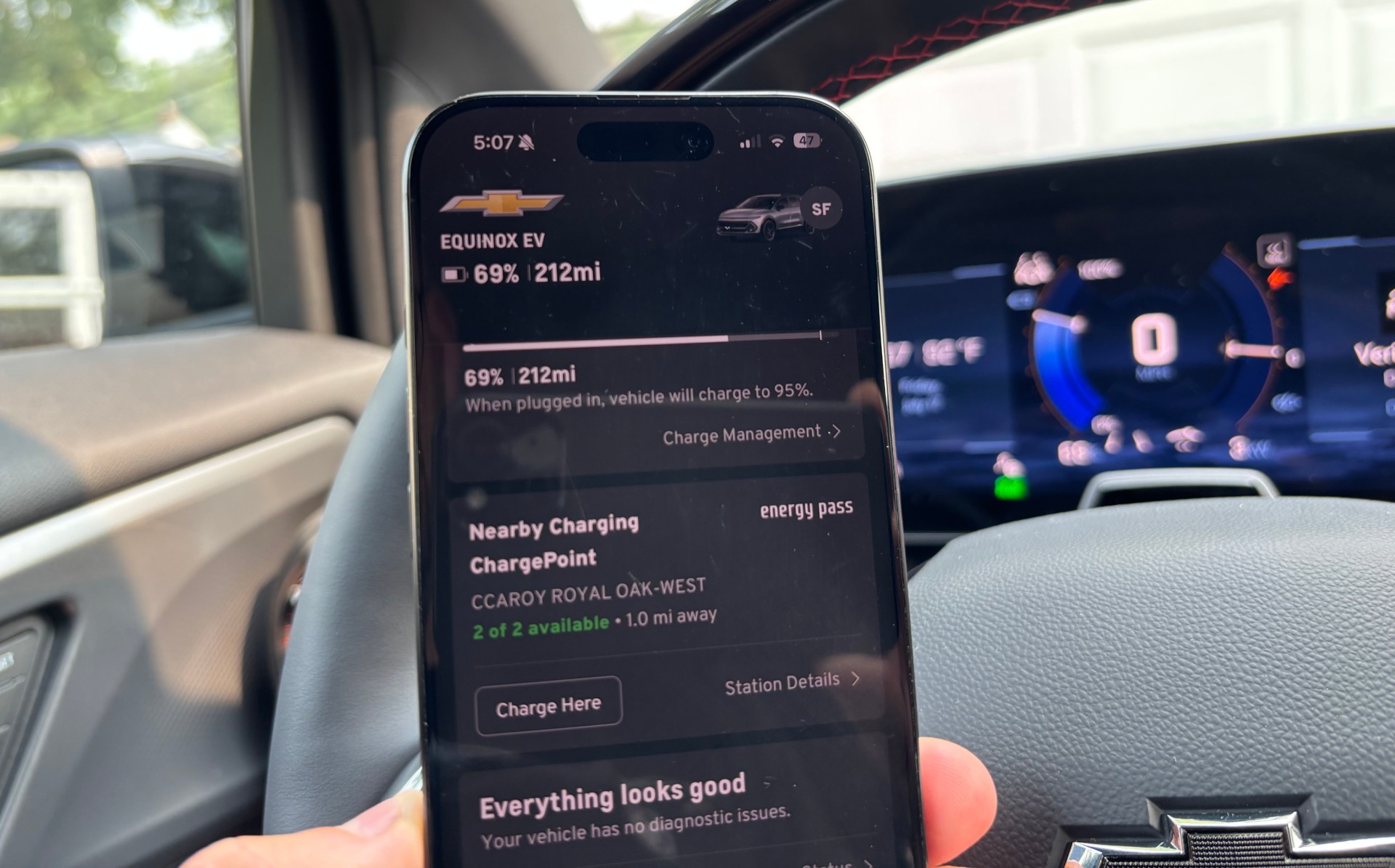
General Motors has officially announced the full integration of ChargePoint’s extensive charging network into the GM Energy Pass ecosystem, marking a significant milestone in the automaker’s effort to streamline the electric vehicle (EV) ownership experience. Through this partnership, drivers of Chevrolet, GMC, and Cadillac electric vehicles can now locate, initiate, and pay for charging sessions at tens of thousands of ChargePoint stations directly through their vehicle’s brand-specific mobile applications. This move effectively eliminates the need for users to maintain separate accounts or juggle multiple third-party applications, addressing one of the primary pain points cited by EV early adopters: the fragmented nature of public charging infrastructure.
The integration is a core component of GM’s broader "Energy Pass" initiative, a digital solution designed to aggregate various charging networks into a single, cohesive interface. By embedding ChargePoint’s functionality into the myChevrolet, myGMC, and myCadillac apps, GM is positioning itself as a central hub for its customers’ energy needs. This development follows the initial launch of Energy Pass earlier this summer, signaling a rapid expansion of GM’s software-driven services aimed at enhancing the utility of its Ultium-based vehicle lineup.

Technical Scope and Network Reach
The scale of this integration provides GM drivers with immediate access to one of the largest charging footprints in North America. According to data from the federal Alternative Fuels Data Center, ChargePoint operates nearly 80,000 public charging ports across the United States. This includes approximately 75,000 Level 2 charging ports—ideal for workplace or long-term destination charging—and more than 4,400 DC fast-charging ports, which are essential for long-distance travel and rapid energy replenishment.
With the addition of ChargePoint, GM estimates that its Energy Pass users will now have seamless access to approximately 60% of all public Level 2 chargers in the U.S. Furthermore, as GM continues to bring other planned network integrations online, the company projects that Energy Pass will eventually provide access to roughly 70% of all DC fast chargers nationwide. This aggressive expansion strategy is intended to mitigate "range anxiety" by ensuring that a compatible and functional charger is almost always within reach of a GM EV driver, regardless of their location.
A key technical feature of this integration is the support for "Plug & Charge" technology at compatible ChargePoint stations. Plug & Charge, based on the ISO 15118 international standard, allows the vehicle and the charging station to communicate directly. When a driver plugs their vehicle into a supported station, the system automatically handles authentication and billing through the user’s linked GM account. This "frictionless" experience removes the necessity of swiping a credit card or tapping a mobile device, bringing the user experience closer to the seamless model popularized by the Tesla Supercharger network.
A Chronology of GM’s Charging Strategy
The integration of ChargePoint is the latest step in a multi-year strategy by General Motors to build a robust support system for its transition to an all-electric future. The timeline of this evolution reflects a shift from hardware-centric planning to a more holistic, software-integrated approach:
- June 2021: GM announced an increase in its EV and AV (autonomous vehicle) investment to $35 billion through 2025, emphasizing the need for a comprehensive charging ecosystem.
- October 2022: The company launched "GM Energy," a new business unit focused on providing integrated energy management solutions, including home backup power and public charging services.
- Early 2024: GM began rolling out major software updates to its vehicle apps, laying the groundwork for a unified payment and navigation system.
- June 2024: The "Energy Pass" feature was officially launched within the myChevrolet, myGMC, and myCadillac apps, initially featuring a limited number of partner networks.
- July 2024: Full integration with ChargePoint was finalized, significantly expanding the number of available ports and introducing Plug & Charge capabilities to a wider audience.
This progression illustrates GM’s recognition that vehicle hardware alone is insufficient to capture market share in the EV segment. By focusing on the "connective tissue" of the charging experience, the company is attempting to lower the barrier to entry for mainstream consumers who may be intimidated by the complexities of non-Tesla public charging.
Supporting Data and Market Context
The North American EV charging landscape has historically been characterized by "walled gardens," where each charging provider required a specific app or RFID card. For a driver traveling across state lines, this often meant maintaining five or more different accounts. Industry analysts suggest that this fragmentation has been a significant deterrent for potential EV buyers.
Data from recent consumer surveys indicates that "ease of payment" and "reliability of chargers" are top priorities for EV owners. By integrating ChargePoint—a company that has consistently invested in station reliability and uptime monitoring—GM is aligning its brand with a premium charging experience. ChargePoint’s presence in suburban and urban areas, particularly with Level 2 stations, complements GM’s existing partnerships with high-speed corridor providers like EVgo and Pilot Flying J.
Furthermore, this integration occurs against the backdrop of the industry-wide shift toward the North American Charging Standard (NACS). While GM has committed to incorporating NACS ports in its future vehicles and providing adapters for current owners to use the Tesla Supercharger network, the ChargePoint partnership ensures that GM drivers are not solely dependent on a single provider. It maintains a competitive marketplace where drivers can choose stations based on price, location, or convenience, all while staying within the GM digital ecosystem.
Reactions and Strategic Implications
While official statements from ChargePoint and General Motors emphasize the convenience for the end-user, industry observers note the strategic importance for both entities. For ChargePoint, this integration secures a steady stream of "high-intent" users—GM EV drivers who are directed to their stations via native in-car navigation. As GM ramps up production of high-volume models like the Chevrolet Equinox EV and the Silverado EV, the volume of charging traffic is expected to grow exponentially.

For General Motors, the Energy Pass system serves as a powerful tool for customer retention. By providing a superior software experience, GM creates an ecosystem that rewards brand loyalty. If a customer finds that their Cadillac Lyriq makes charging effortless through a single app, they are more likely to remain within the GM family for their next vehicle purchase.
The move also has significant implications for data collection and grid management. Through GM Energy, the company can gain insights into charging patterns, peak demand times, and geographic "dead zones" where infrastructure is lacking. This data is invaluable for future planning of dealer-based charging installations and partnerships with utility companies for vehicle-to-grid (V2G) applications.
Broader Impact on the EV Industry
The GM-ChargePoint integration sets a precedent for other legacy automakers. As the market matures, the role of the "OEM app" is evolving from a simple remote-start tool into a comprehensive mobility platform. We are likely to see similar deep-level integrations from competitors like Ford, Hyundai, and Volkswagen as they vie for dominance in the software-defined vehicle space.

This trend also signals a move toward the "democratization" of charging. By supporting open standards and cross-network functionality, GM is helping to dismantle the barriers that have made EV ownership feel exclusive or overly technical. The goal is to reach a point where charging an electric vehicle is as intuitive and universal as refueling an internal combustion engine vehicle, but with the added convenience of digital automation.
In the long term, the success of Energy Pass and the ChargePoint integration will be measured by the reliability of the physical infrastructure. Software can simplify the payment process, but it cannot fix a broken charger. Therefore, the ongoing collaboration between GM and ChargePoint will likely include shared data on station health, ensuring that the "find, start, and pay" promise remains a reality for drivers on the road.
As the 2026 model year approaches, and with federal investments from the National Electric Vehicle Infrastructure (NEVI) Formula Program beginning to manifest in new charging sites across the country, the timing of this integration is critical. GM is ensuring that its customers are equipped with the tools necessary to navigate an increasingly electrified landscape, reinforcing its position as a leader in the transition to sustainable mobility.