Googlebook detachables confirmed as the next frontier for Google hardware following Android Dev Summit 2026 reveal

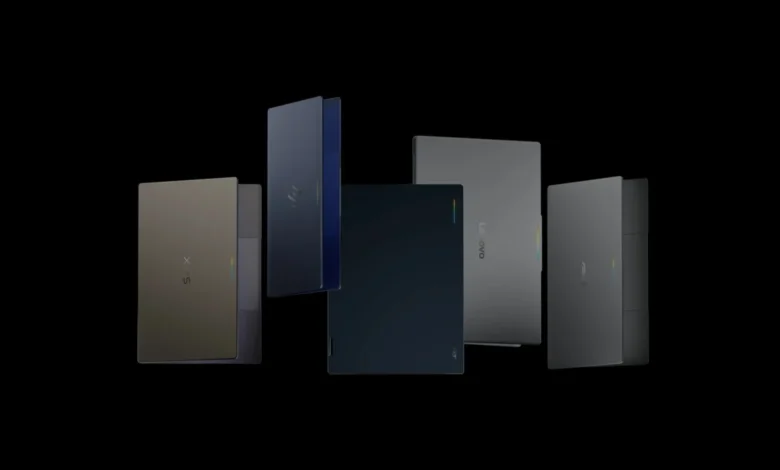
At the Android Dev Summit 2026 held earlier this week, Google executives officially confirmed that the Googlebook ecosystem is set to expand beyond its current clamshell and convertible form factors. By introducing support for detachable devices, Google is signaling a major shift in its strategy to unify the desktop and mobile computing experience. This announcement, delivered during the Wednesday developer keynote, serves as a pivotal moment for the burgeoning platform, which has thus far been defined by its reliance on traditional laptop designs.
The Evolution of the Googlebook Platform
The Googlebook initiative represents Google’s latest effort to refine the large-screen computing experience. Since the platform’s initial rollout, hardware partners have largely stuck to the industry-standard "clamshell" laptop configuration. While these devices have been praised for their build quality and integration with Google’s cloud-centric ecosystem, the lack of hardware variety has historically limited their appeal among power users and those seeking the versatility of a tablet-laptop hybrid.
The current market landscape includes four primary clamshell devices, with the Acer Googlebook 14 standing out as the lone exception to the rule. Priced at $899, the Acer model utilizes a 2-in-1 hinge design, allowing for standard laptop usage, tent mode, and tablet-like operation. Despite this flexibility, the operating system currently faces software constraints; while individual applications can scale to portrait mode, core elements such as the desktop environment, the app tray, and the task switcher remain locked in landscape orientation. This technical limitation is a primary focus for Google’s engineering teams as they prepare for the transition toward true, detachable hardware.
A Chronology of the Detachable Pivot
The path toward this announcement has been marked by a steady stream of industry rumors and internal leaks. The trajectory of the Googlebook project can be categorized into three distinct phases:
- Phase One: The Clamshell Era (Early 2026): Google launched the initial wave of Googlebook hardware, focusing on stability and platform consistency. These devices were designed to compete with mid-range laptops, emphasizing secure, web-first workflows.
- Phase Two: Market Testing and Feedback (Mid-2026): As developers began building for the platform, the need for more versatile input methods became apparent. In July 2026, initial reports surfaced regarding a Lenovo-manufactured device featuring a detachable keyboard and a dedicated kickstand, effectively marking the start of the "detachable" rumor cycle.
- Phase Three: The Official Reveal (October 2026): During the Android Dev Summit, Google moved beyond speculation, formally integrating the concept of detachable form factors into its roadmap for future hardware partners.
The leaked Lenovo hardware, which reportedly includes a "Glowbar" component adjacent to the camera module, suggests that Google is not merely porting existing tablet software but is actively working on hardware-specific features to differentiate the Googlebook experience from standard Android tablets.

Technical Challenges and Software Optimization
The shift to detachable devices presents significant software engineering hurdles for Google. The fundamental difference between a clamshell device and a detachable tablet lies in the fluid transition between "docked" and "undocked" states. For a platform like Googlebook, which relies heavily on a cursor-based, windowed interface, the OS must seamlessly switch between a keyboard-and-mouse environment and a touch-first interface.
Engineers at Google are currently prioritizing the "Overview" and "Desktop" interfaces to ensure that when a user detaches a keyboard, the software environment does not feel jarring or incomplete. Current reports from the developer summit indicate that while the underlying architecture is being rewritten to support these transitions, the primary focus remains on maintaining the "desktop-class" functionality that differentiates Googlebook from ChromeOS or standard Android.
The Broader Impact on the Tablet Market
Perhaps the most significant question emerging from the summit is the long-term positioning of high-end Android tablets. For years, the Android tablet market has struggled to find a consistent identity, oscillating between media consumption devices and productivity tools. By introducing Googlebook OS as a separate, more desktop-focused entity, Google appears to be creating a clear stratification in its portfolio.
Industry analysts suggest that Android will likely remain the operating system of choice for smaller, media-focused tablets, while Googlebook OS will increasingly serve as the standard for "pro-sumer" devices. This bifurcation allows Google to offer two distinct user experiences without cannibalizing its own market share. If successful, this strategy could provide the necessary hardware-software synergy to challenge incumbents in the tablet-laptop hybrid space, such as Microsoft’s Surface line or Apple’s iPad Pro with Magic Keyboard.
Implications for Developers and Partners
For the developer community, the move toward detachables requires a shift in UI/UX design. During the summit, Google emphasized the importance of "responsive design," urging developers to move away from static layouts. By providing developers with the tools to build apps that function across clamshells, convertibles, and now detachables, Google is attempting to solve the "app gap" that has plagued previous tablet-centric platforms.
Partnerships remain crucial to this rollout. The involvement of manufacturers like Lenovo suggests that Google is looking to maintain a premium feel for the initial launch of detachable Googlebooks. By targeting a specific price point and performance bracket, Google aims to avoid the pitfalls of low-quality, budget-tier tablets that have historically hindered the reputation of the Android ecosystem in the workplace.

Market Context and Future Outlook
The decision to pivot toward detachables is a direct response to changing consumer behavior. Post-pandemic, the demand for devices that can facilitate both heavy-duty document creation and casual, portable media consumption has surged. The Googlebook brand is positioning itself to capture the demographic that finds traditional laptops too restrictive but finds pure mobile operating systems like standard Android insufficient for multitasking.
According to data presented by internal analysts at the summit, the growth of the large-screen segment in the global PC market has outpaced traditional desktop sales for three consecutive quarters. Google’s commitment to this segment indicates a long-term belief that the "detachable" form factor is not merely a niche requirement, but a standard expectation for modern computing.
As we look toward 2027, the success of the Googlebook project will hinge on the quality of the first wave of detachable hardware. If the software can achieve the fluidity of an iPad while retaining the desktop-grade file management and windowing capabilities promised by Google, it could fundamentally alter the competitive landscape for portable computing.
In conclusion, the announcements made at the Android Dev Summit 2026 signal a maturing phase for Google’s hardware strategy. By evolving the Googlebook from a strictly clamshell-based platform to a flexible ecosystem that embraces detachable hardware, Google is positioning its software to bridge the gap between mobility and productivity. The coming months will likely see further disclosures regarding specific hardware specifications, pricing tiers, and the official release window for the first generation of detachable Googlebooks. For now, the developer community and the hardware industry at large have a clear mandate: the future of Google’s desktop-class computing is, quite literally, coming apart in the best way possible.