A Chronology of Physical Media Evolution
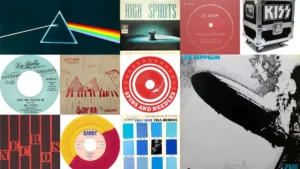
The history of recorded music is marked by distinct eras, each defined by the dominant medium of the time. The vinyl record, introduced in its modern microgroove form in 1948, became the standard for high-fidelity home listening for nearly four decades. By the 1960s and 70s, the introduction of the compact cassette—developed by Philips—brought portability to the masses, allowing for the creation of personal mixtapes and mobile listening.
The 1980s heralded the digital revolution with the commercial launch of the Compact Disc (CD) in 1982. The CD offered a cleaner, noise-free listening experience that arguably democratized high-fidelity audio. Throughout the 90s, niche formats like the Sony MiniDisc attempted to bridge the gap between digital convenience and physical permanence, though they ultimately faced competition from the rapid rise of MP3s and the eventual dominance of streaming platforms like Spotify and Apple Music. Despite the industry’s pivot toward cloud-based distribution, the last decade has seen a remarkable reversal: vinyl sales have experienced consistent year-over-year growth since 2006, and recent market reports indicate a stabilizing, if not rising, interest in CD formats.
Market Data and the Physical Media Resurgence
Data from the Recording Industry Association of America (RIAA) highlights this ongoing phenomenon. In recent years, vinyl revenue has eclipsed that of CDs for the first time since the 1980s, driven by a demographic shift that includes younger consumers who view vinyl as a collector’s item rather than a relic.
However, the CD has not disappeared. In 2022 and 2023, industry data showed a slight uptick in CD unit sales, a trend that market analysts attribute to "vinyl fatigue"—where consumers find the rising cost and storage requirements of vinyl prohibitive—as well as a desire for the lossless audio quality inherent in the CD format. While streaming remains the dominant revenue driver for the music industry, the "physical" sector accounts for a significant portion of music sales revenue, proving that tangible media remains a vital component of the modern music economy.
The Psychology of Tangibility
Beyond the data, there is a compelling psychological component to the ownership of physical media. Streaming services provide access to nearly the entire history of recorded music, yet they offer no sense of "possession." Physical media, by contrast, provides a curated experience. Holding a record sleeve or a CD booklet offers a tactile engagement with the artist’s work that a digital interface cannot replicate.
Furthermore, the longevity of physical media is a recurring point of discussion. Once a digital file is purchased or a streaming subscription is cancelled, the consumer is often at the mercy of licensing agreements. Physical media, once purchased, remains in the user’s library indefinitely, independent of internet connectivity or corporate server policies. This autonomy is a major factor driving the "anti-streaming" movement, where audiophiles return to physical formats to ensure they have permanent control over their music collections.
Technical Superiority and the Audiophile Perspective
The debate between streaming and physical media often centers on sound quality. While modern streaming services now offer "Hi-Res" audio, the compression and delivery methods used by various platforms can still lead to a loss of fidelity compared to the original master recording.
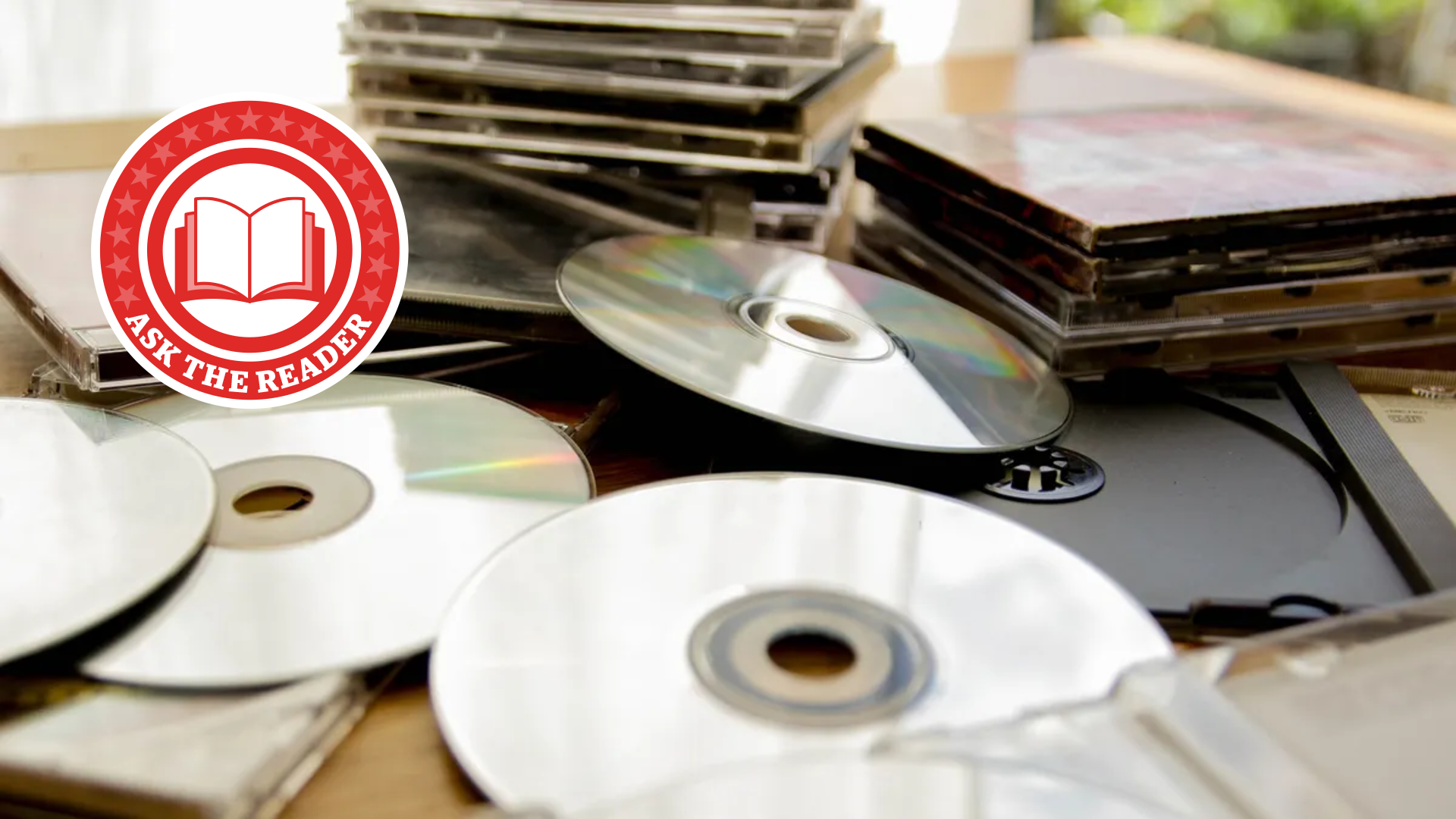
Audiophiles argue that the uncompressed nature of a CD or the warm, analog reproduction of a high-quality vinyl pressing offers a superior acoustic experience. This is particularly relevant for those who invest heavily in high-end amplifiers, speakers, and turntables. For these listeners, the physical format acts as a performance medium that honors the technical specifications of their hardware, ensuring that the sound profile is as close to the studio recording as possible.
Industry Responses and Future Outlook
Major record labels and independent distributors have taken note of these trends. The "vinyl revival" has prompted massive investments in pressing plants to meet demand, while CD production has seen renewed interest from artists who now view the physical release as a premium product. Limited-edition box sets, colored vinyl, and high-fidelity SACD (Super Audio CD) releases are increasingly common, signaling that the industry is treating physical media as a luxury good rather than a commoditized service.
The persistence of these formats also speaks to the cultural importance of the "album" as a cohesive artistic statement. Streaming platforms prioritize playlists and single-track engagement, which some critics argue detracts from the intent of the artist. Physical media, by design, encourages the listener to engage with the record from start to finish, fostering a deeper appreciation for the work as a whole.
Implications for the Digital Era
The enduring popularity of physical media is not a rejection of technology, but a refinement of it. It represents a balanced approach to media consumption where the user leverages the convenience of streaming for discovery while investing in physical copies for the music they value most. This "hybrid" model is likely to define the future of the industry.
As we look toward the next several decades of audio technology, the role of physical media will likely continue to evolve. While it may never again reach the market share it held in the 1990s, it has established a permanent niche as the preferred medium for collectors, audiophiles, and those who prioritize the sensory experience of music.
The conversation around these formats is not merely nostalgic; it is a critical dialogue about the value of art in an age of disposable digital content. Whether it is the crackle of a stylus on vinyl or the crisp, clinical precision of a CD, the act of playing a physical record remains an intentional, ritualistic practice that brings the listener closer to the music. As the industry celebrates significant milestones in hi-fi history, it becomes clear that the "death" of physical media was greatly exaggerated. Instead, these formats have found a new, resilient life, grounded in the timeless human need for connection, ownership, and high-quality sound.
The question remains for the listener: what does your collection say about your relationship with music? Is it a library of moments, a vault of technical excellence, or a curated display of artistic history? The ongoing dialogue within the hi-fi community suggests that for as long as music is produced, there will be a segment of the audience that demands to hold it in their hands. As we move forward, the coexistence of digital streaming and physical media will likely foster a richer, more diverse landscape for music enthusiasts worldwide, ensuring that the legacy of these formats continues to thrive for generations to come.