Apple Watch Series 12 Review: A Substantial S-Year Upgrade That Redefines Battery Life, Sleep Tracking, and Daily Fitness Metrics

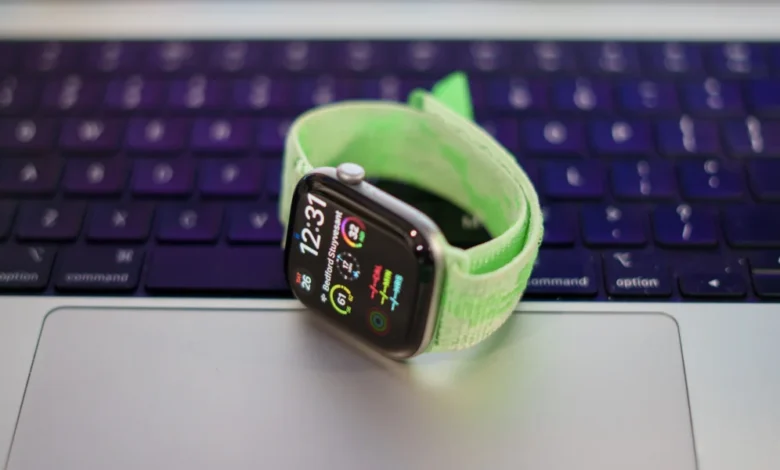
The consumer technology landscape has long treated "S-year" hardware releases with a degree of predictable skepticism. Traditionally defined by internal iterations rather than radical exterior redesigns, these product cycles often focus on minor processor bumps and incremental software updates. However, the commercial launch of the Apple Watch Series 12 challenges this narrative, emerging as one of the most comprehensive year-over-year generational leaps since the introduction of the Apple Watch Series 4. While initial consumer interest was heavily driven by headline features such as the advanced Siri Recap tool and a significantly overhauled heart rate monitoring system, extended daily use reveals a device fundamentally transformed by efficiency, enhanced software integrations, and structural durability refinements.
Main Facts and Hardware Overview
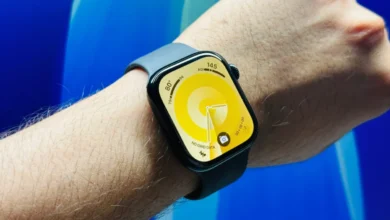
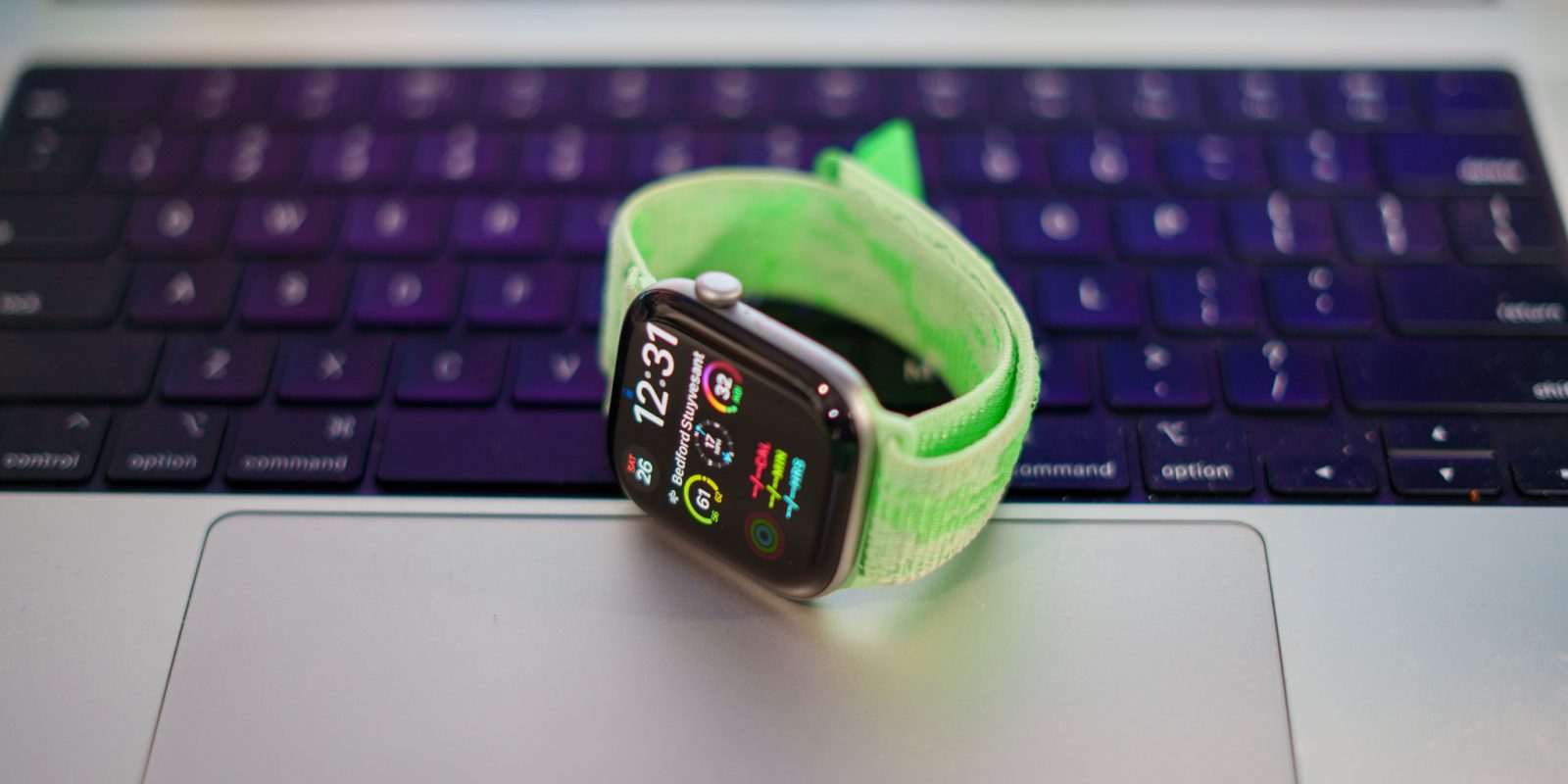
Unveiled during Apple’s annual September hardware event, the Apple Watch Series 12 enters the market carrying high expectations from both fitness enthusiasts and everyday users. Outwardly, the device maintains the familiar silhouette associated with recent iterations, though a closer inspection reveals subtle structural shifts. Notably, the display bezels have increased marginally compared to the Series 10 and Series 11 models—a design adjustment largely masked for users who preference watch faces with true black backgrounds. To bolster physical resilience, Apple has introduced Ceramic Shield 2 protection across its aluminum chassis lineup, offering substantially improved scratch resistance over previous generations without necessitating a transition to heavier titanium or stainless-steel variants.
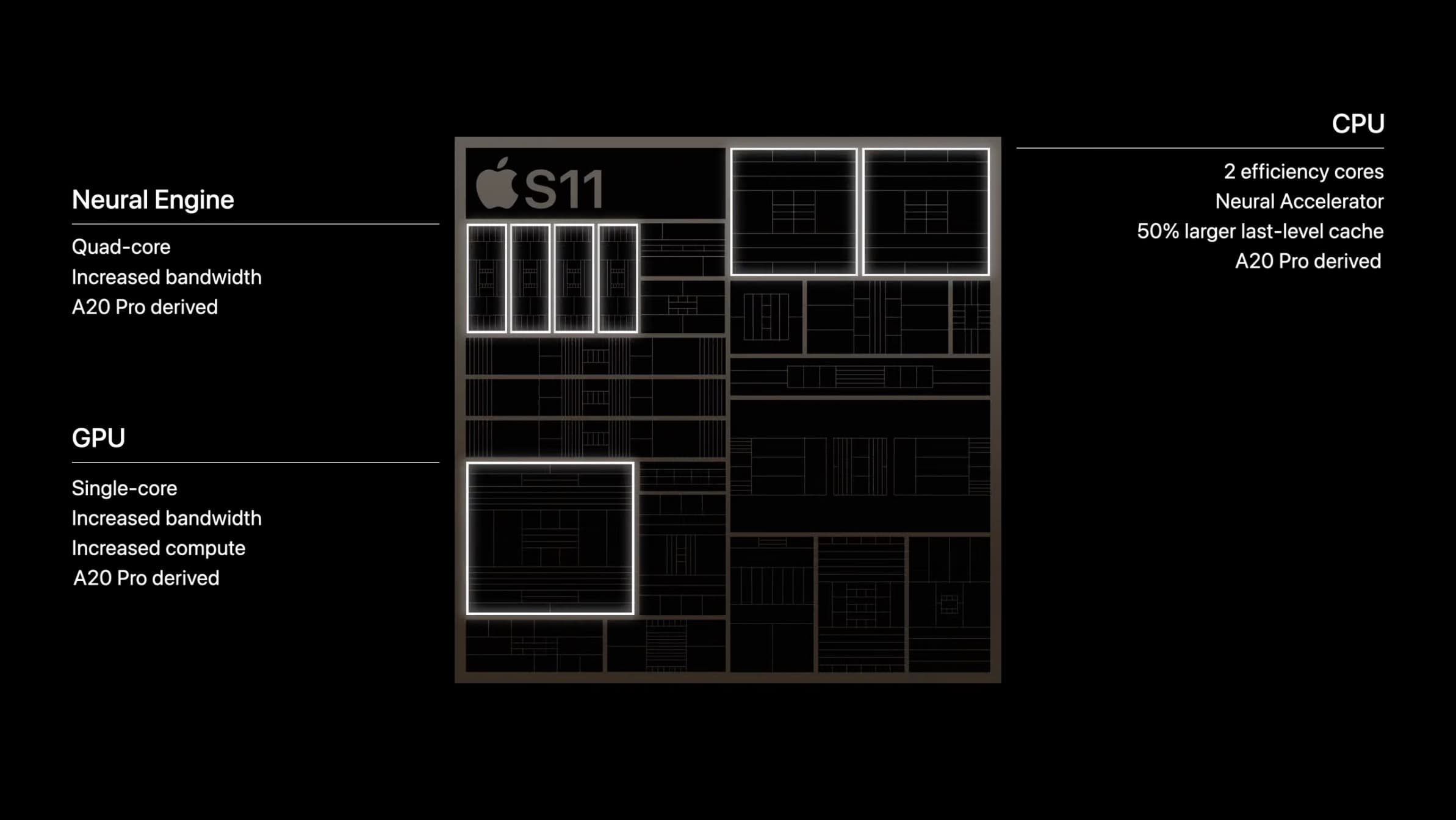
Beneath the glass lies the new custom S11 chip, an architectural marvel derived from the advanced 2-nanometer manufacturing process utilized in the A20 Pro processors. This silicon upgrade yields immediate performance dividends across the watch’s operating system. Siri interactions are noticeably swifter, app launches are instantaneous, and complex background operations execute with zero noticeable latency. Despite these performance gains, the primary triumph of the S11 architecture is its profound impact on power efficiency, reshaping how users interact with the device throughout a 24-hour cycle.
Chronology and the Evolution of Wearable Tracking
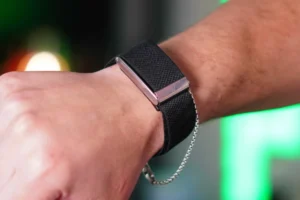
The trajectory of the modern smartwatch has increasingly leaned toward comprehensive health intelligence, bridging the gap between casual fitness tracking and clinical-grade health monitoring. For years, dedicated health platforms—most notably WHOOP—dominated the specialized recovery and sleep-tracking segment, pulling users away from multi-purpose devices due to battery limitations.
Prior to the introduction of the Series 12, standard Apple Watch usage patterns often proved cumbersome for individuals attempting round-the-clock biometric monitoring. Users of the Series 11, for instance, frequently faced a logistical hurdle: utilizing the device for overnight sleep tracking required deliberate midday and evening charging windows to maintain adequate operational capacity. This routine introduced persistent battery anxiety, compelling many users to rely on single-purpose wearable bands for sleep analytics while reserving the Apple Watch strictly for daytime hours.
The arrival of the Series 12 effectively disrupts this workflow. By synthesizing the power-sipping capabilities of the S11 chip with optimized power-management software, Apple has bridged the gap between all-day functionality and continuous nocturnal health observation.
Supporting Data: Battery Optimization and Rapid Charging
Battery performance remains the cornerstone of any wearable technology evaluation. Although official technical specifications published by Apple do not explicitly quote an extended raw hour-count for the Apple Watch Series 12 over its predecessor, real-world utilization tells a distinctly different story. The device effortlessly sustains a full day of active usage, transitions seamlessly into overnight sleep tracking, and retains sufficient reserves by morning to operate independently until its daily replenishment cycle.
Furthermore, Apple has refined its fast-charging architecture. Official data indicates that a brief 15-minute charge delivers up to 12 hours of normal usage. This high-speed replenishment capability dismantles the friction previously associated with sleep tracking. Users can now simply place the Series 12 on its magnetic charger during their morning routine—such as showering or preparing breakfast—and retrieve a fully or nearly fully replenished device ready for another full cycle of continuous wear.
Software Ecosystem and Exclusive Functional Additions
Hardware efficiency is mirrored by significant software enhancements exclusive to the Series 12 ecosystem. Among the most requested additions is a dedicated, native step-counter complication designed specifically for integration within the watch’s Smart Stack. While step-counting data has historically been processed by all modern Apple Watches, the Series 12 refines the underlying telemetry for heightened precision and finally surfaces the metric as a first-class citizen on customizable watch faces.
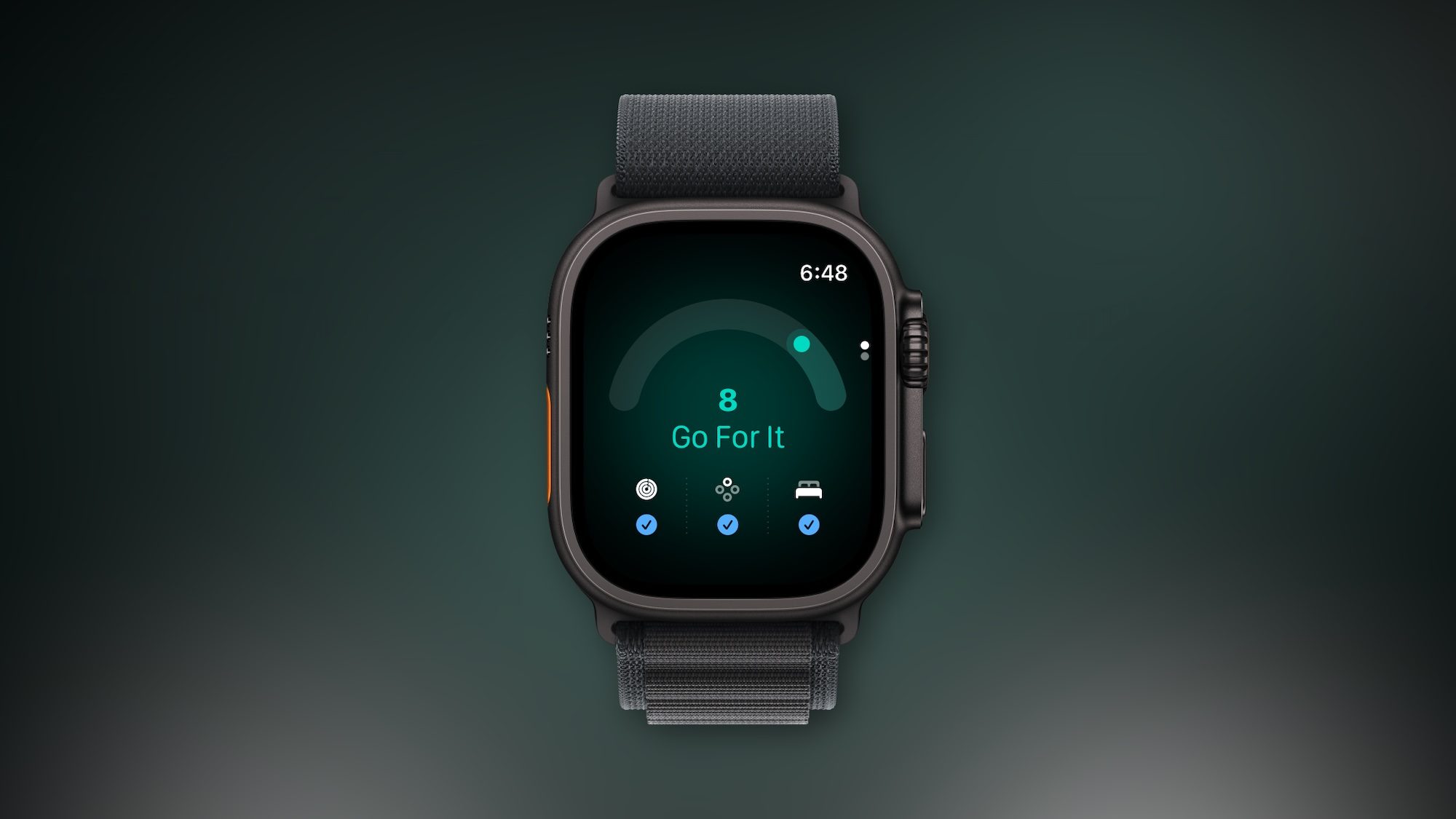
More ambitious is the introduction of the Readiness app. Operating similarly to recovery scores found on dedicated athletic platforms, the Readiness app aggregates three core data streams: previous-night sleep quality, prior-day physical exertion, and foundational biometric vitals. By synthesizing these metrics, the application delivers a unified score advising users on whether to push forward with high-intensity training or prioritize rest and recovery.
While the software architecture relies on high-precision sensor data exclusive to the Series 12 hardware—meaning older iterations miss out on the native feature—the inclusion transforms the Apple Watch from a passive collector of health data into an active lifestyle advisor.

Broader Impact and Industry Implications
The commercial release of the Apple Watch Series 12 carries significant implications for the broader wearable technology sector. By closing the gap on recovery analytics and eliminating sleep-tracking friction through superior power management, Apple continues to consolidate multiple device categories into a single wrist-worn ecosystem. Competitors specializing exclusively in recovery bands now face intensified pressure as mainstream smartwatches match their core value propositions while retaining advanced communication, safety, and productivity features.
At the same time, the integration of Ceramic Shield 2 into aluminum models signals a broader industry trend toward enhanced baseline durability in consumer electronics. By democratizing premium scratch resistance across more affordable price tiers, manufacturers are addressing one of the most common points of consumer wear and tear.
As the tech industry observes the maturation of the smartwatch market, the Apple Watch Series 12 demonstrates that iterative updates, when executed with profound silicon efficiency and thoughtful software alignment, can rival the impact of purely aesthetic redesigns. For consumers weighing an upgrade from older generations, the Series 12 moves past the traditional limitations of the form factor, delivering a cohesive, reliable, and deeply capable health and communication companion.