Eli Electric Vehicles Prepares to Unveil the Faster, More Versatile Eli ZERO MX Microcar at EICMA 2024

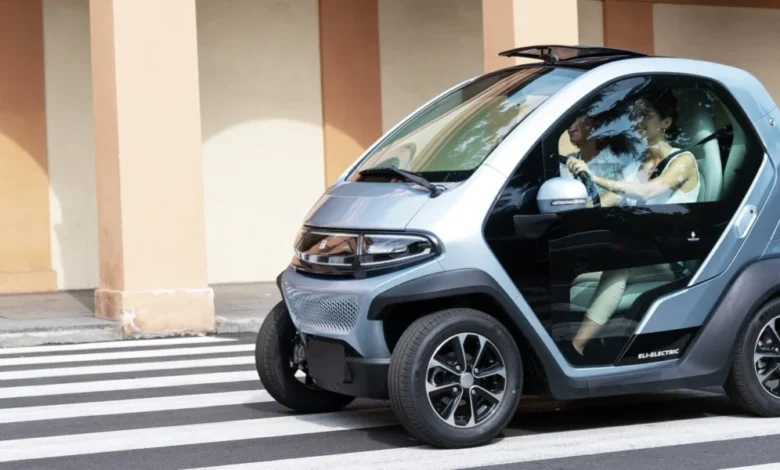
The landscape of urban mobility is on the verge of a significant evolution as Eli Electric Vehicles gears up for the official debut of its latest microcar iteration. Set against the backdrop of the prestigious EICMA motorcycle and mobility exhibition in Milan, Italy, the manufacturer has officially teased the upcoming Eli ZERO MX. This new addition to the company’s product portfolio represents a strategic pivot from traditional neighborhood electric vehicles toward a more capable class of quadricycles. By stepping up from the restricted speeds of conventional light quadricycles, the new vehicle aims to bridge the gap between ultra-compact city cars and full-sized automobiles, addressing long-standing criticisms regarding the practical limitations of micro-mobility solutions on faster roadways.
Background Context and the Evolution of the Eli ZERO
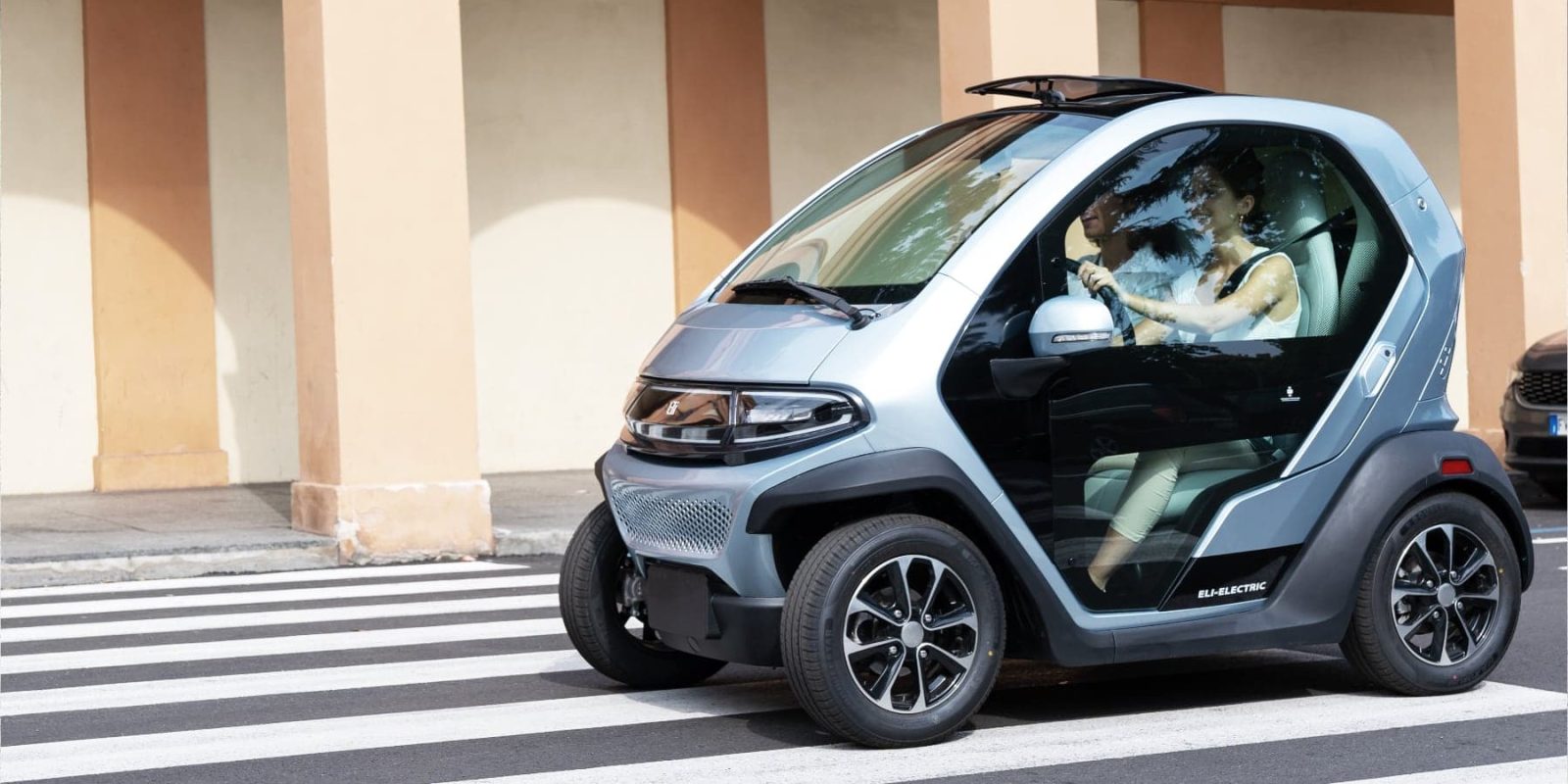
To understand the significance of the upcoming Eli ZERO MX, one must examine the origins and regulatory framework governing the current generation of the vehicle. The original Eli ZERO was introduced as a compact, two-seat urban runabout tailored specifically for dense metropolitan environments. In European markets, the vehicle is classified as an L6e light quadricycle. Under European Union regulations, L6e vehicles are strictly limited to a top speed of 45 kilometers per hour (approximately 28 miles per hour) and a maximum continuous rated power that does not exceed 6 kilowatts. Furthermore, their unladen mass must remain under 425 kilograms, excluding the weight of the batteries.
While these specifications make L6e vehicles exceptionally nimble, easy to park, and accessible to younger or less-experienced drivers—often operable with a lightweight moped license in various jurisdictions—they present a distinct operational constraint. The 45 km/h top speed restricts these microcars from utilizing arterial roads, bypasses, and urban highways where traffic flows significantly faster. Consequently, drivers are often forced to carefully plan their routes around slower city streets, limiting the vehicle’s utility for suburban commuters or those needing to traverse larger metropolitan expanses.
The introduction of the L7e classification marks a crucial departure from these limitations. Unlike L6e vehicles, L7e heavy quadricycles are permitted to reach higher speeds, typically ranging between 80 and 90 kilometers per hour (50 to 56 miles per hour), while accommodating higher power outputs and greater payloads. By transitioning the Eli ZERO into this higher regulatory category, the manufacturer is directly targeting the primary bottleneck that has historically hindered broader consumer adoption of microcars.
Decoding the Teaser: What We Know About the ZERO MX and Race Edition
In the lead-up to the EICMA 2024 conference, Eli Electric Vehicles utilized social media platforms, specifically Instagram, to generate industry anticipation. The promotional material introduced the moniker "ZERO MX" alongside a striking visual of a specialized "Race Edition."
According to promotional artwork released by the company, the Race Edition showcases a sophisticated, dark-themed exterior accented by bold red detailing. Visual cues suggest a more aggressive stance, potentially featuring alternative door configurations and specialized seating arrangements. However, industry analysts and automotive journalists have noted that the exact relationship between the mainline ZERO MX and the Race Edition remains ambiguous. It is currently unclear whether the "Race" designation signifies a genuine enhancement in powertrain performance, track-oriented handling dynamics, and suspension tuning, or if it represents an aesthetic styling package designed to appeal to enthusiasts seeking a distinctive look.
Concurrently, the designation of the ZERO MX as an L7e vehicle provides substantial substance behind the marketing campaign. Clues found on regional digital storefronts, including Eli’s official Italian web portal, point toward specifications that could redefine the brand’s market position. Preliminary data listed on these platforms outlines an L7e variant capable of achieving a top speed of 85 km/h (53 mph) and a projected driving range of up to 200 kilometers (124 miles) on a single charge. If these specifications directly translate to the production-ready ZERO MX, the vehicle would instantly transform from a niche urban novelty into a viable daily commuter for a much wider demographic of drivers.
Timeline and Event Chronology
The rollout of the Eli ZERO MX follows a carefully orchestrated timeline designed to maximize visibility within the global automotive and two-wheel mobility sectors:
- Early Years (2020–2022): The initial rollout and European deployment of the L6e Eli ZERO microcar, accompanied by early media test drives highlighting its urban agility and parking convenience.
- Fall 2024 Teaser Campaign: Eli Electric Vehicles initiates a digital marketing push on platforms like Instagram, confirming the development of the L7e ZERO MX and the mysterious Race Edition ahead of the autumn trade show season.
- November 3–8, 2024: The official physical reveal scheduled to take place at the EICMA exhibition in Milan, Italy, hosted specifically in Hall 22, Stand B40.
- Post-Reveal Phase (Late 2024 and Beyond): Anticipated announcement of regional pricing, homologation timelines, and initial customer delivery schedules across key European and international markets.
Industry Implications and Market Impact
The shift toward L7e-capable microcars reflects a broader trend within the automotive industry. As cities worldwide grapple with rising traffic congestion, tightening emissions regulations, and a scarcity of urban parking spaces, manufacturers are increasingly looking for ways to downsize personal transport without sacrificing functional utility.

Standard passenger cars are frequently oversized and underutilized for daily commuting, with most single-occupancy vehicles carrying excessive weight and occupying unnecessary spatial footprints. Microcars offer an efficient alternative, consuming a fraction of the raw materials required to build a traditional internal combustion engine vehicle or a large battery-electric SUV. Furthermore, their compact dimensions allow three to four microcars to fit into a single standard parallel parking space, potentially revolutionizing municipal parking infrastructure.
However, historical consumer hesitation toward microcars has centered on safety perceptions and speed limitations. By elevating the performance envelope to roughly 50 to 53 miles per hour, vehicles like the Eli ZERO MX can safely navigate multi-lane suburban thoroughfares and ring roads where slower quadricycles might otherwise create traffic hazards or induce driver anxiety.
At the same time, transitioning to the L7e category introduces new regulatory and manufacturing challenges. Vehicles in this class must meet more stringent safety homologation standards compared to light quadricycles, potentially requiring enhanced structural rigidity, advanced braking systems, and comprehensive occupant restraint systems. How Eli Electric Vehicles addresses these engineering requirements while maintaining the lightweight, cost-effective ethos of the original design will be a critical factor in the commercial success of the ZERO MX.
Anticipation at EICMA 2024
As the dates for EICMA 2024 approach, industry observers, prospective buyers, and automotive press representatives are turning their attention to Hall 22, Stand B40, in Milan. The event is expected to provide definitive answers regarding the powertrain specifications, battery capacity, pricing strategy, and market availability of both the standard ZERO MX and the enigmatic Race Edition.
Should Eli Electric Vehicles successfully deliver an L7e microcar that pairs a 50-mph top speed and a 124-mile range with the brand’s trademark ultra-compact footprint, the company could carve out a highly lucrative niche. For urban dwellers seeking an efficient, agile, and highway-capable commuter that fundamentally rethinks the scale of daily transportation, the upcoming vehicle may well mark a significant milestone in the evolution of modern electric mobility.