IFixit Teardowns Reveal Inside Look at Apple Watch Series 12 and Ultra 4 Repairability Challenges and Upgrades

The perennial debate surrounding consumer electronics repairability has returned to the spotlight following the release of the latest hardware teardowns from iFixit. Concluding its teardown sequence for Apple’s September product launch cycle, the independent repair advocacy and teardown authority published its comprehensive analysis of the Apple Watch Series 12 and the Apple Watch Ultra 4. The findings offer consumers, technicians, and industry analysts a detailed look at the internal engineering choices made by Apple, highlighting incremental design shifts alongside persistent structural barriers that continue to complicate independent and self-service repairs.
For years, the architecture of smartwatches has presented unique engineering hurdles. Balancing water resistance, thermal management, battery longevity, and structural rigidity within an exceptionally small form factor forces manufacturers to make difficult compromises. Apple’s latest iterations—the rugged, high-end Apple Watch Ultra 4 and the mainstream flagship Apple Watch Series 12—illustrate these competing priorities. While the teardowns revealed subtle internal refinements aimed at easing certain aspects of disassembly, the overall repairability landscape for Apple’s wearable lineup remains largely unchanged, drawing stark contrasts with competing devices on the market.
Inside the Apple Watch Ultra 4: Incremental Power, Familiar Hurdles
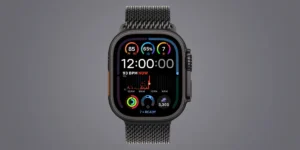
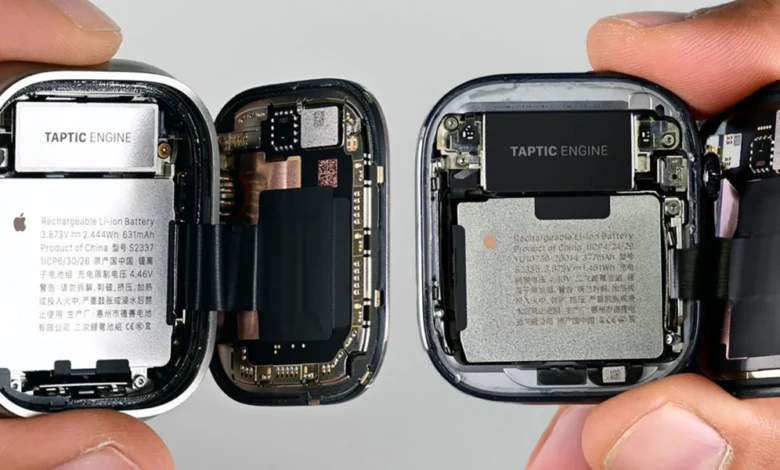
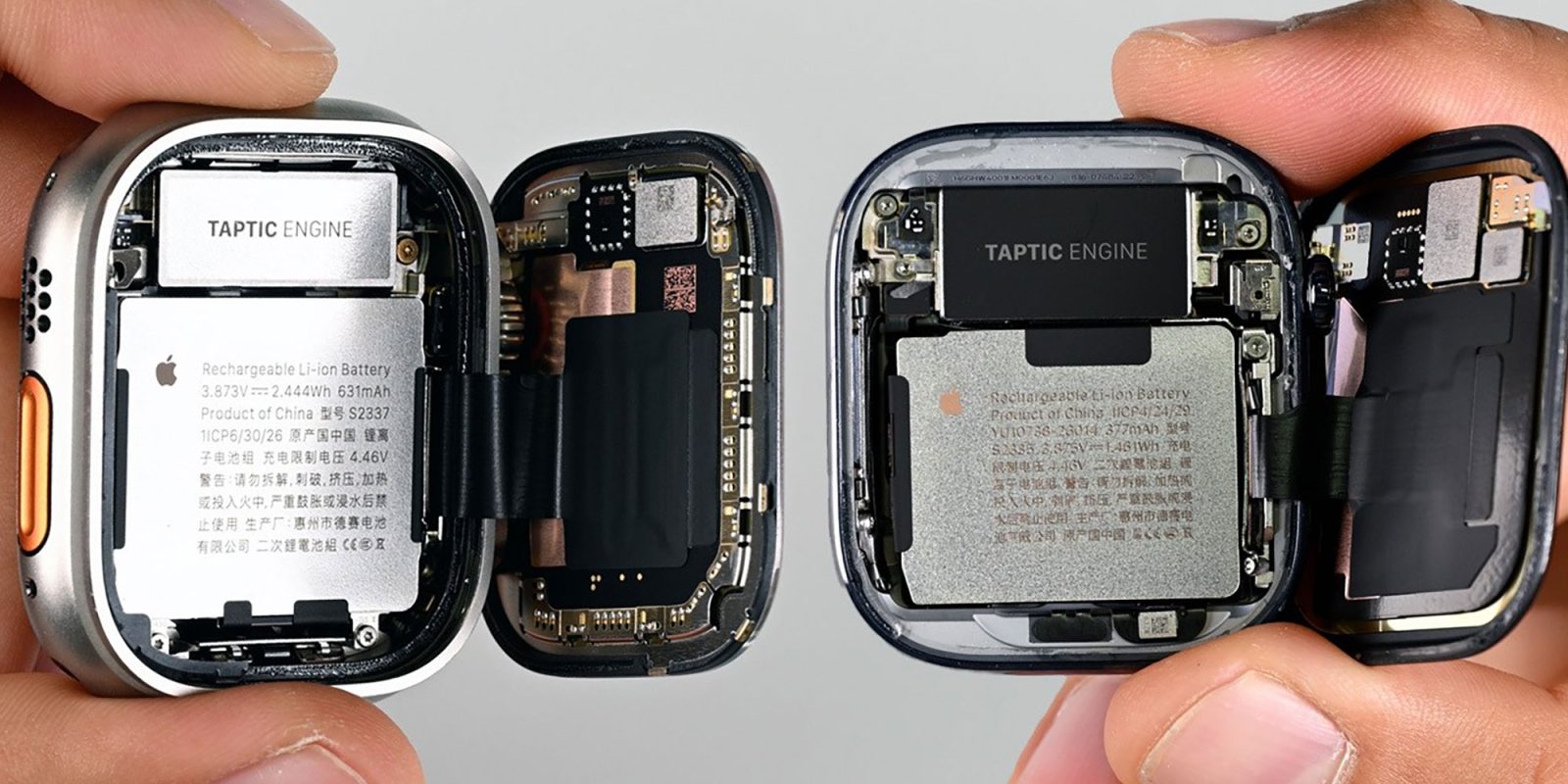
The teardown of the Apple Watch Ultra 4, conducted by iFixit’s Shahram Mokhtari, began with the application of controlled heat to soften the powerful waterproof adhesives securing the device’s display assembly. Utilizing a newly developed specialized metal pick, Mokhtari carefully separated the screen from the titanium chassis, instantly exposing the internal arrangement of the Taptic Engine and the primary power source.
A closer examination of the Ultra 4’s internal power supply revealed a slight capacity increase. The device houses a 2.444 Wh battery, an upgrade compared to the 2.313 Wh battery found in the preceding Apple Watch Ultra 3. Despite this marginal increase in energy density, the fundamental method for replacing the component remains unchanged and restrictive. Accessing the battery still necessitates the complete removal of the glued-down screen, a procedure that introduces significant risk of accidental damage to the delicate underlying display flex cables.
Interestingly, the Ultra 4 continues to feature four visible exterior screws on the bottom plate of the case. However, as in previous generations, these screws do not provide a shortcut to the core internal components. Instead, they serve solely to secure the specialized sensor array on the underside of the back cover and provide access to the S11 system-in-package (SiP) situated on the main body of the case. Consequently, technicians must still approach the device from the front glass panel, a design choice that prioritizes environmental sealing and structural durability over modular serviceability.
Once the display is successfully unglued and disconnected, removing the battery and detaching the display’s press connector is relatively straightforward. Nevertheless, because the initial breach of the adhesive seal requires extreme precision and patience, the margin for error remains narrow. Factoring in these persistent design limitations, iFixit awarded the Apple Watch Ultra 4 a repairability score of 4 out of 10, identical to its predecessor.
Apple Watch Series 12: Minor Improvements and Tighter Tolerances
Turning to the mainstream flagship, the iFixit teardown of the Apple Watch Series 12 uncovered a mix of encouraging modernization efforts and frustrating physical constraints. Most notably, Apple incorporated stretch-release adhesive and an integrated pull tab to anchor the battery. This addition represents a welcome nod to modern repair standards, allowing technicians to extract the 1.461 Wh power cell—a modest step up from the 1.403 Wh battery in the 46mm Series 11—without resorting to aggressive chemical solvents or excessive leverage.
However, gaining access to that battery remains as arduous as ever. Like its rugged counterpart, the Series 12 requires repair technicians to pry off a heavily glued front display. Mokhtari noted during the teardown process that the manufacturing tolerances surrounding the Series 12 display are noticeably tighter than those on the Ultra 4. The structural rigidity and minimal clearance required immense physical force to break the adhesive bond, raising genuine concerns about potential screen fracture during standard opening procedures.
Further internal examination revealed that Apple has streamlined certain electronic connections. The traditional Zero Insertion Force (ZIF) connector and securing tape utilized for the display assembly in previous generations have been replaced with a simpler, more robust press connector. While this simplifies the reconnection process during reassembly, it introduces a mandatory workflow dependency: replacing the screen now inherently requires the removal and replacement of the battery. As Mokhtari remarked during the video documentation, this procedural overlap ultimately streamlines the logic of doing both repairs simultaneously once the casing is breached, though it removes modular independence for single-component swaps.
Weighed against these mixed design adjustments, the Apple Watch Series 12 earned a 4 out of 10 repairability score from iFixit. While this marks a modest one-point improvement over the last base-model Apple Watch evaluated by the organization, it underscores the persistent difficulty of servicing tightly integrated consumer wearables.
Industry Comparisons: The Contrast with Competitors

The repairability scores assigned to Apple’s latest smartwatches gain sharper context when measured against competing offerings in the global wearable technology market. While Apple continues to prioritize seamless aesthetics, high-grade waterproofing, and ultra-slim profiles—design philosophies that inherently rely on structural adhesives and fused components—other manufacturers have demonstrated alternative engineering paths.
For instance, iFixit recently evaluated Google’s Pixel Watch 5, awarding the competing device an impressive 9 out of 10 repairability score. The stark divergence in scores highlights fundamentally different design methodologies. In the case of the Pixel Watch 5, the display module can be removed utilizing just two standard Torx screws and a removable physical gasket, bypassing the need for thermal softening or hazardous prying tools. Furthermore, the battery within the Google device can be extracted independently without navigating complex adhesive strips or risking damage to primary display ribbons.
This disparity emphasizes the ongoing engineering trade-offs faced by consumer electronics designers. Apple’s architectural choices reflect a long-standing commitment to maximizing internal volume for computational hardware, health sensors, and battery capacity, often at the direct expense of modularity and field serviceability. Conversely, competitors willing to incorporate visible fasteners and modular gaskets achieve significantly higher repair scores, appealing directly to the burgeoning "Right to Repair" consumer movement and independent service networks.
Background Context and Evolution of the Repairability Debate
The dialogue surrounding the repairability of Apple Watch models is part of a broader, systemic shift within the consumer technology sector. Over the past decade, regulatory bodies across the European Union, the United States, and various global jurisdictions have introduced or proposed stringent "Right to Repair" legislation. These legal frameworks aim to combat planned obsolescence, reduce electronic waste, and empower consumers and independent repair shops to service devices rather than discarding them prematurely.
Apple has responded to these regulatory pressures over recent years by expanding its Self Service Repair program, introducing diagnostic tools, and providing genuine parts and manuals for iPhones, select Mac computers, and iPads. However, the Apple Watch lineup has historically remained one of the most challenging product categories to integrate into these programs. Due to the extreme miniaturization required for wrist-worn computers, components are frequently micro-soldered, densely packed, and heavily protected by industrial-grade adhesives to maintain stringent water and dust resistance ratings.
The inclusion of stretch-release pull tabs in the Apple Watch Series 12 suggests that Apple’s engineering teams are actively exploring ways to simplify internal component replacement without compromising structural integrity or ingress protection. Yet, the necessity of thermal separation and adhesive cutting for display removal remains a core bottleneck that prevents significant upward movement in standardized repairability ratings.

Implications for Consumers and the Independent Repair Industry
For the average consumer, the findings of the iFixit teardowns carry direct practical implications regarding device ownership, maintenance costs, and lifecycle planning. Because internal components such as batteries and display assemblies are tightly integrated and protected by robust seals, out-of-warranty hardware failures on both the Apple Watch Series 12 and the Apple Watch Ultra 4 frequently result in device replacement rather than component-level repair through traditional channels.
For independent repair technicians, the continued reliance on glued display panels and tightly toleranced chassis structures means that servicing modern smartwatches remains a high-risk, specialized operation. While the inclusion of a pull tab for the Series 12 battery represents a welcome mechanical improvement, the overarching barrier to entry—namely, safely separating the display glass without destroying underlying flex cables—continues to require expensive specialized equipment and high levels of technical expertise.
As the consumer electronics market moves further into an era defined by sustainability and regulatory accountability, manufacturers face mounting pressure to bridge the gap between durable, waterproof exterior designs and accessible internal architecture. Whether future iterations of the Apple Watch lineage will adopt more modular, screw-secured construction remains to be seen. For now, users of the Apple Watch Series 12 and Apple Watch Ultra 4 must continue to rely heavily on preventative care, protective accessories, and official manufacturer coverage plans to navigate the realities of modern smartwatch hardware maintenance.