Apple Unveils Official watchOS 27 Release Notes Ahead of Next Week’s Public Rollout for Compatible Apple Watch Models

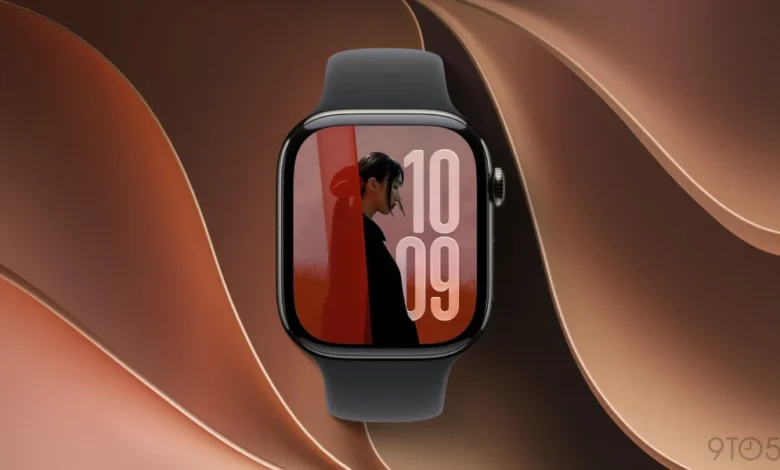
Apple is set to release watchOS 27 to the public next week, bringing a comprehensive suite of software enhancements, system-wide integrations, and advanced capabilities to millions of existing Apple Watch users globally. The upcoming software distribution follows closely on the heels of Apple’s major autumn hardware announcement, during which the technology conglomerate introduced the Apple Watch Series 12 and the rugged Apple Watch Ultra 4. While those newly announced flagship devices showcase state-of-the-art chip architectures and an entirely new Health Sensing System, the watchOS 27 update guarantees that owners of previous-generation hardware will also benefit from significant software longevity, performance optimization, and innovative user interface refinements.
As anticipation builds for the official release, Apple has published its official release notes detailing the specific functional additions arriving on user wrists. The software update focuses heavily on expanding the footprint of on-device intelligence, refining biometric tracking mechanisms, improving the contextual relevance of the Smart Stack, and introducing new aesthetic and utilitarian watch faces.
Main Facts and Scope of the watchOS 27 Update
The rollout of watchOS 27 represents the latest annual evolutionary step for Apple’s wearable operating system. Historically, Apple utilizes its major September software updates to bridge the gap between legacy hardware and newly introduced innovations, ensuring a unified ecosystem experience. Although certain advanced functionalities—particularly those demanding the heavy processing overhead of the newly minted Series 12 and Ultra 4 processors—will remain exclusive to the newest hardware, watchOS 27 delivers a robust slate of updates applicable across a wide array of supported Apple Watch models.

The primary pillars of the watchOS 27 update center around enhanced Siri capabilities, deeper integration of Apple Intelligence features across native applications, refined health and wellness monitoring, and overarching system stability improvements. By bringing broader computational intelligence directly to the wrist, Apple aims to reduce user reliance on paired iPhone devices for complex contextual tasks, streamlining everyday interactions.
Chronology of the Apple Watch Ecosystem and the watchOS 27 Release Cycle
To understand the weight of the watchOS 27 deployment, it is instructive to examine the timeline that led to its imminent release. Apple’s software development lifecycle for wearable devices typically follows a predictable cadence established over the past decade:
- June: Apple officially previews the next-generation operating system during its Worldwide Developers Conference (WWDC), providing developers with early beta builds to test app compatibility and integration with new APIs.
- June through September: Throughout the summer months, iterative beta builds are released to registered developers and public beta testers. These builds undergo rigorous stress testing, bug hunting, and performance tuning based on telemetry and user feedback.
- Early September: Apple hosts its annual autumn hardware keynote. This year, the event featured the unveiling of the Apple Watch Series 12 and the Apple Watch Ultra 4, alongside the finalization of the Gold Master (GM) or Release Candidate (RC) build of watchOS 27 for developers and testers.
- Mid-September (Upcoming Week): The official, public-facing deployment of watchOS 27 becomes available over-the-air to all compatible Apple Watch models worldwide.
This structured rollout ensures that developers have had ample time to optimize their third-party complications and applications, minimizing post-launch software instability for the consumer base.
Deep Dive into watchOS 27 Feature Categories
While the official release notes outline various categories of upgrades, industry analysts and early beta testers have highlighted several key areas of transformation within the operating system:
Siri AI and Advanced Conversational Context
Artificial intelligence forms a cornerstone of Apple’s current software generation. In watchOS 27, Siri receives a fundamental architectural upgrade. Rather than relying on simple, rigid command structures, the updated assistant leverages enhanced on-device machine learning models to better understand natural language phrasing, contextual queries, and multi-step requests. This advancement allows users to dictate complex messages, query cross-application data, and control smart home devices with greater conversational fluidity directly from their wrist.
Apple Intelligence Across Native Applications
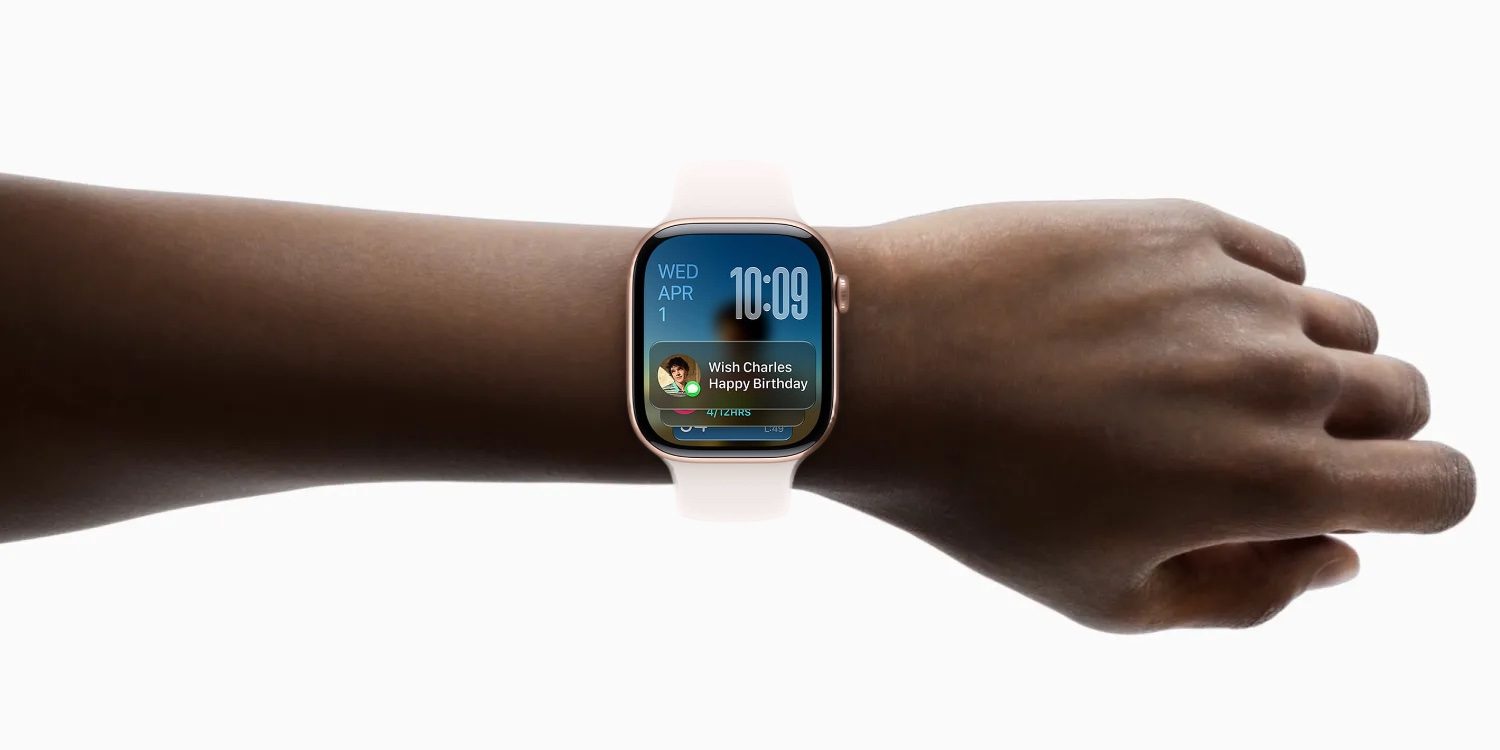
Bringing the broader suite of Apple Intelligence features to the Apple Watch ecosystem required careful balancing of energy efficiency and computational limits. In watchOS 27, select intelligent features manifest across native applications. Users can expect smarter notification summarization, priority sorting for urgent communications, and enhanced writing tools that facilitate quick responses to incoming messages without requiring the user to transition to their iPhone or type out lengthy text responses manually.
Health Tracking and Cycle Monitoring Enhancements
Health and wellness have long been primary selling points for the Apple Watch line. In watchOS 27, Apple continues to refine its software-based health metrics. The Cycle Tracking application receives targeted updates designed to improve predictive accuracy, data visualization, and privacy protections. These enhancements work in tandem with background biometric monitoring to provide wearers with a more holistic view of their long-term physiological trends.
Smart Stack and Interface Customization
The Smart Stack, introduced in earlier iterations of watchOS to surface timely widgets based on time of day, location, and routine, becomes significantly more dynamic in watchOS 27. The system utilizes predictive algorithms to surface relevant widgets with higher fidelity. Furthermore, the update introduces new watch faces designed to maximize the screen real estate of both legacy and modern edge-to-edge displays, offering users deeper personalization options ranging from minimalist aesthetics to data-dense utility layouts.

Supporting Data and Technical Considerations
Deploying a major operating system upgrade across a vast install base naturally brings technical considerations regarding performance and hardware compatibility. According to Apple’s support documentation, certain operational parameters apply to watchOS 27:
- Apple Intelligence Usage Limits: Due to the intensive processing demands of advanced artificial intelligence tasks, certain feature sets within watchOS 27 may be subject to usage thresholds or require specific paired hardware (such as newer iPhone models equipped with compatible neural engines) to handle heavy cloud-based computational offloading.
- Battery Life and Performance Impact: Historically, major software updates can temporarily increase background indexing and processing overhead immediately following installation. Apple notes that while watchOS 27 is optimized for energy efficiency, users may experience minor fluctuations in daily battery longevity during the initial post-update period as system databases re-index and sync with paired iOS devices.
- Security Protocols: In alignment with Apple’s commitment to consumer privacy, watchOS 27 incorporates the latest cryptographic protocols and security patches. Users are encouraged to review Apple’s official security advisory portal (support.apple.com/100100) for comprehensive documentation regarding vulnerability mitigations included in the software package.
Broader Impact and Industry Implications
The release of watchOS 27 arrives at a time of heightened competition within the global wearable technology market. Competitors in the smartwatch and fitness tracker space have increasingly emphasized advanced health analytics, artificial intelligence integration, and extended battery life.
By pushing substantial software enhancements to older hardware models via watchOS 27, Apple reinforces its ecosystem retention strategy. Rather than forcing consumers to upgrade their physical hardware annually to access modern software capabilities, Apple extends the lifecycle of existing devices. This approach bolsters consumer trust and maintains high user satisfaction rates across the installed base.
At the same time, the inclusion of deeper AI integration on the wrist signals a strategic shift in how users interact with wearable technology. The industry is rapidly moving away from simple step-counting and notification-mirroring toward proactive, context-aware personal assistance. watchOS 27 positions Apple at the forefront of this transition, bridging the gap between passive health monitoring and active, intelligent daily companionship.

Availability and Installation Instructions
Eligible users running compatible Apple Watch models—paired with an iPhone running the corresponding iOS update—will receive a notification when watchOS 27 becomes available for download next week. To initiate the installation manually once released, users must ensure their Apple Watch is connected to its magnetic charger, possesses at least 50 percent battery life, and is within range of the paired iPhone. Updates can be downloaded and installed by navigating to the Apple Watch application on the iPhone, selecting General > Software Update, and following the on-screen prompts.
As the deployment date approaches, users are advised to back up their device data and ensure their paired iPhone is updated to the latest available software version to guarantee seamless compatibility and smooth execution of the watchOS 27 upgrade process.