Hands-On With the Apple Watch Series 12: Three Standout Upgrades After Days of Testing

The wearable technology market has experienced a significant shift following the official release and subsequent consumer rollout of the Apple Watch Series 12. Priced starting at $399, the latest iteration of Apple’s flagship smartwatch arrives after a prolonged period of incremental updates that left many industry analysts and long-time users anticipating a more substantive generational leap. Following the company’s decision to bypass major internal silicon revisions in previous product cycles—maintaining architectural continuity since the introduction of the S9 chip—the debut of the S11 processor marks a notable return to performance-driven hardware development.
Early adopters and technology reviewers putting the device through rigorous testing over its initial days on the market have identified several key areas of improvement. Beyond raw processing power, the hardware enhancements extend to newly integrated health-sensing architecture, dynamic watch face complications, and optimized power management systems designed to address common user pain points regarding battery longevity and charging speeds.
Performance and Silicon Evolution: The Impact of the S11 Chip
For years, critics of the wearable sector noted a plateau in smartwatch processing capabilities, largely because successive annual iterations relied on architecture closely resembling prior generations. The introduction of the S11 chip in the Apple Watch Series 12 directly addresses this hardware bottleneck, delivering a measurable increase in computational speed, app launch times, and overall system fluidity.
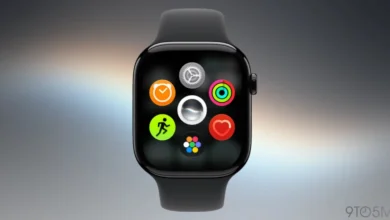
This performance upgrade is particularly consequential for software ecosystems heavily reliant on machine learning and local processing. Specifically, the advanced natural language and generative capabilities introduced via watchOS 27—often referred to collectively as Siri AI—previously exhibited noticeable latency and responsiveness issues when deployed on older hardware platforms. Testing indicates that the S11 architecture provides the necessary headroom for these features, allowing Siri to process queries and execute commands with the speed and reliability originally envisioned by software developers.

By eliminating the micro-stutters and delays that historically characterized complex watchOS interactions, the S11 chip ensures that everyday tasks, from navigation to real-time notification management, operate with seamless efficiency.
Advanced Health Sensing and Real-Time Complications
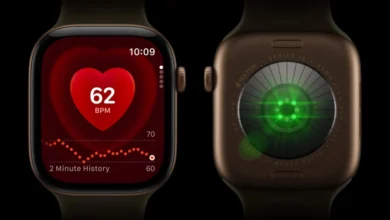
A cornerstone of the Apple Watch value proposition has consistently been its comprehensive health and fitness tracking suite. With the Apple Watch Series 12, the integration of an upgraded Health Sensing System expands both the precision of existing metrics and the scope of data presented directly to the user.
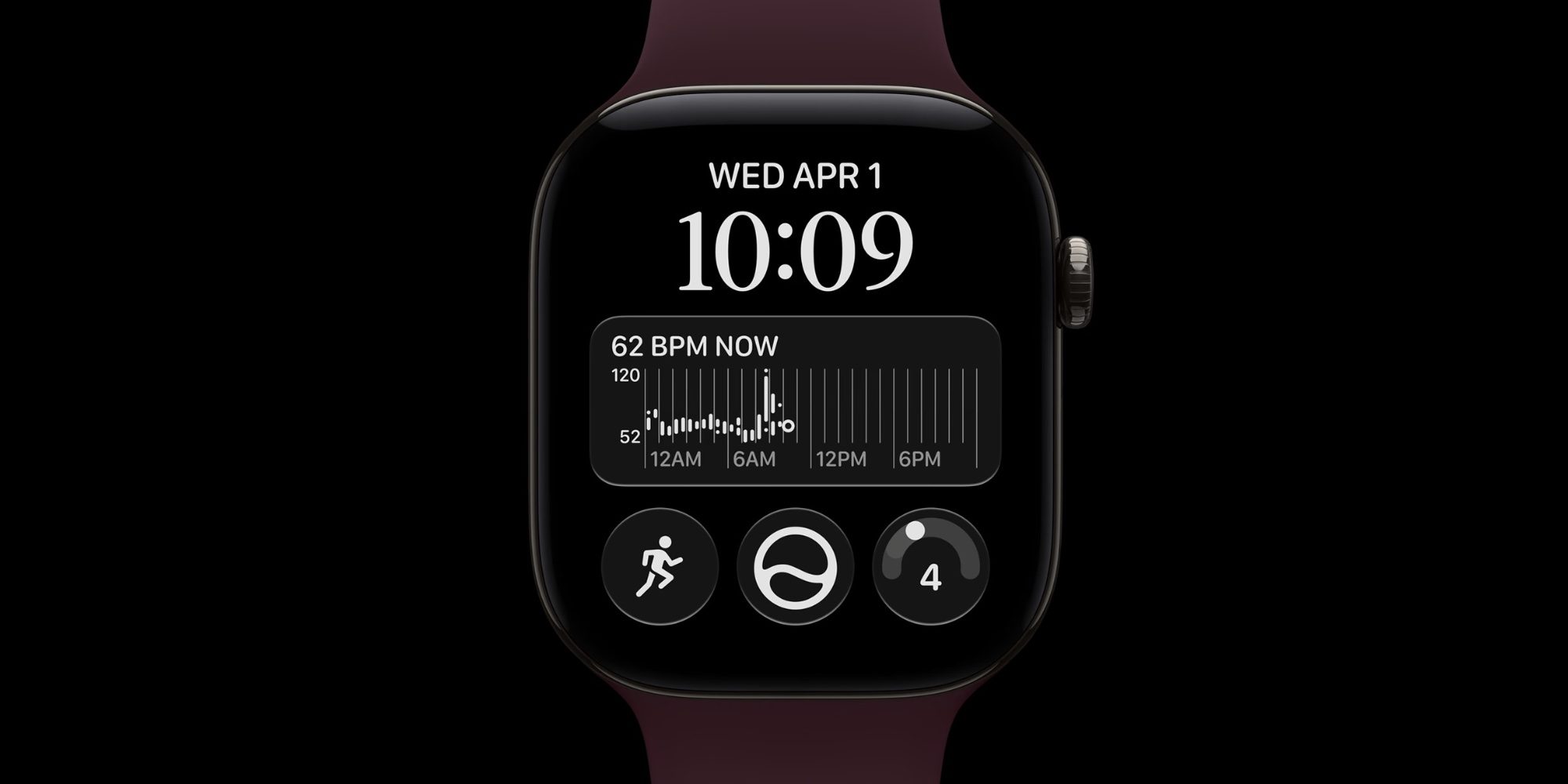
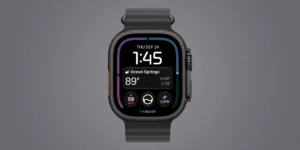
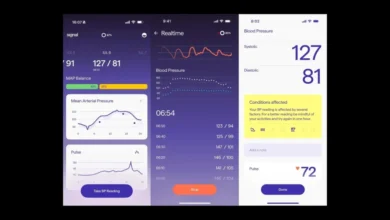
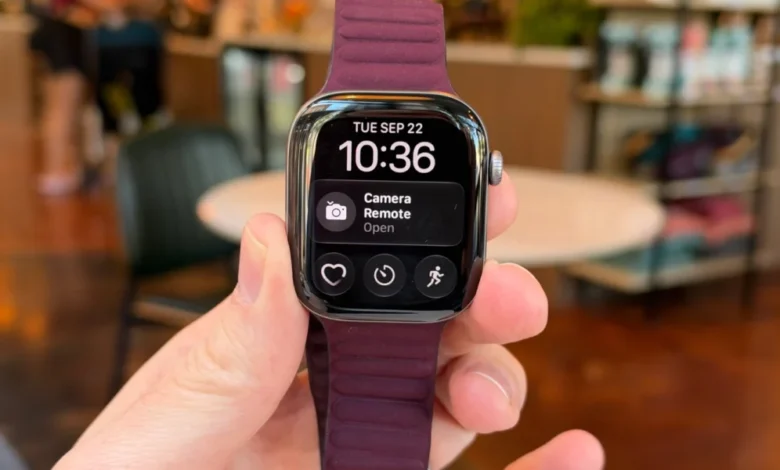
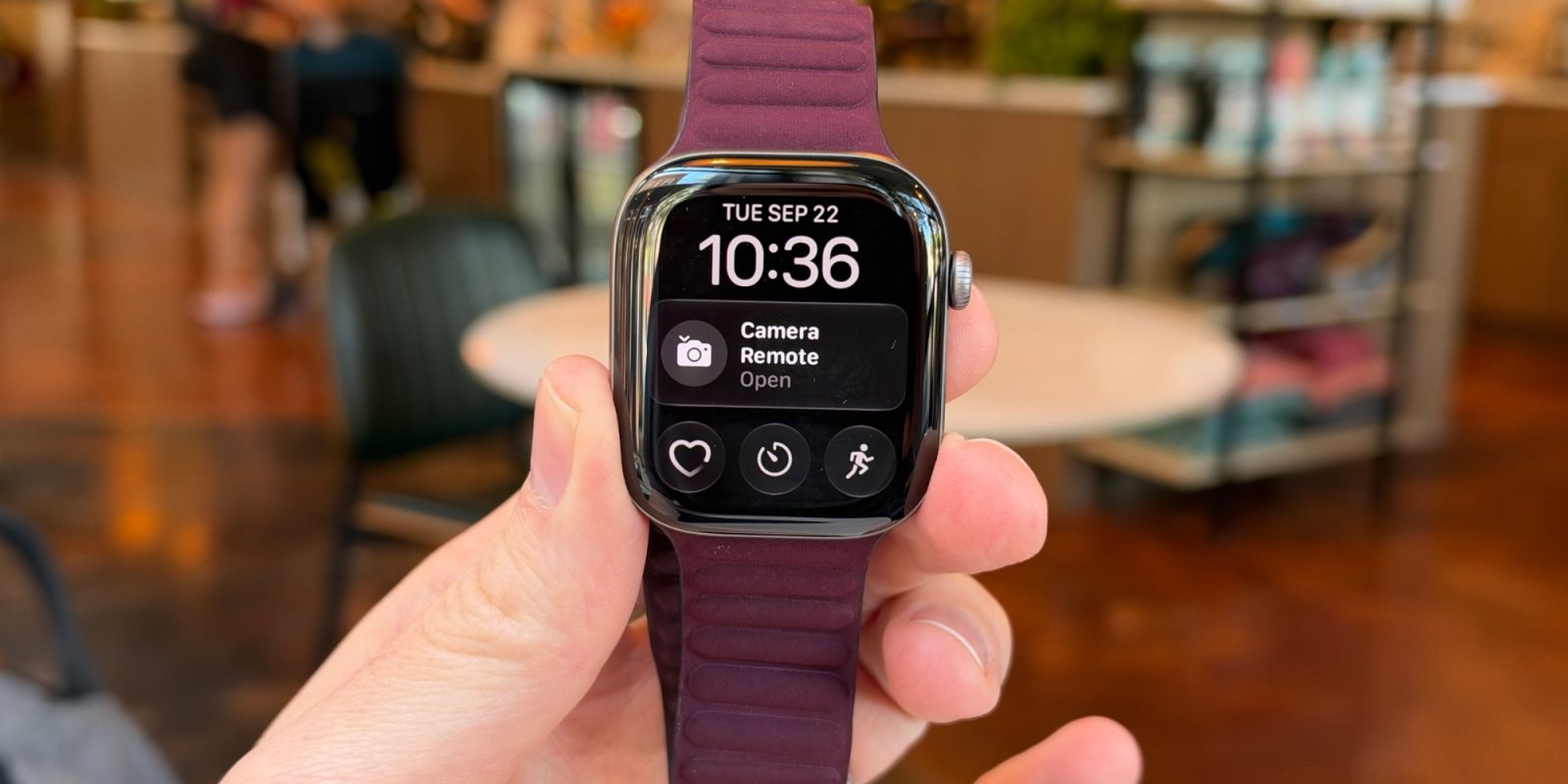
Historically, accessing specialized wellness data required navigating deep into the companion application on a paired iPhone. The Series 12 changes this dynamic by leveraging its sophisticated sensor array to power three distinct complications previously unavailable on earlier hardware tiers. Users can now monitor up-to-date readings for core physiological indicators—including real-time heart rate fluctuations, precise daily step counts, and a newly formulated overall readiness score—directly from customizable watch faces.
While metrics such as heart rate and activity tracking require minimal baseline information, advanced features like the readiness score necessitate a calibration period of continuous wear to analyze autonomic nervous system recovery, sleep patterns, and exertion history. Industry analysts view these persistent, glanceable metrics as a crucial step toward proactive health monitoring, bridging the gap between passive data collection and actionable daily wellness insights.
Optimized Power Efficiency and Rapid Charging Solutions
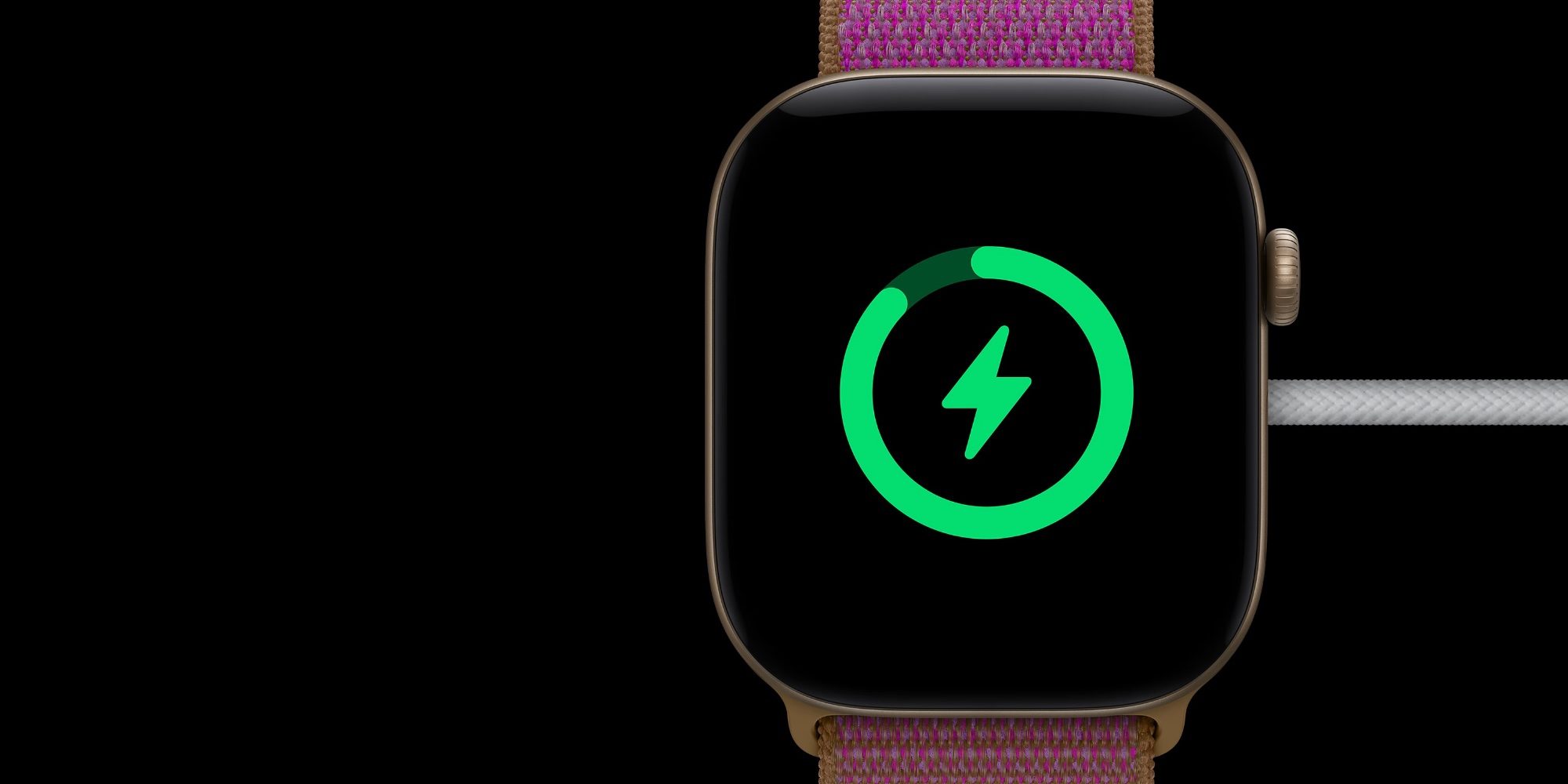
Battery longevity remains one of the most critical metrics by which consumers evaluate wearable technology. While the Apple Watch Series 12 delivers a baseline battery life comparable to its predecessor, the Series 11, engineering optimizations have yielded a 25 percent reduction in power consumption during sustained outdoor workout tracking sessions utilizing GPS and continuous heart rate monitoring.
More transformative for daily usability, however, is the implementation of enhanced rapid charging technology. For users who maintain a 24-hour wear cycle—incorporating daytime activity tracking with overnight sleep monitoring—finding an opportune window to replenish the battery can present a logistical challenge. The Series 12 significantly mitigates this issue by drastically reducing the time required to achieve a meaningful charge.
Comparative charging benchmarks demonstrate that even a brief placement on the charging puck during evening routines provides sufficient power to sustain overnight wear and morning tracking. This enhancement reduces reliance on meticulous scheduling, directly addressing one of the most common user inconveniences associated with modern smartwatches.

Market Availability and Broader Industry Implications
The Apple Watch Series 12 is currently available through authorized retailers and Apple’s direct sales channels, with a base manufacturer’s suggested retail price starting at $399. Alongside standard retail options, Apple continues to support sustainability and consumer choice by offering certified refurbished units through official channels at discounted rates.
The release of the Series 12 arrives at a time of heightened competition within the global smartwatch and wearable fitness tracker market. Competitors from traditional watchmaking conglomerates and consumer electronics giants alike have increasingly focused on medical-grade sensors and artificial intelligence integration. By combining the processing power of the S11 chip with deeper health analytics and expedited power management, Apple has reinforced its market positioning.

As consumers increasingly demand devices capable of functioning as comprehensive wellness hubs rather than mere notification mirrors, the architectural upgrades embedded within the Series 12 establish a new benchmark for what users can expect from a mainstream enterprise smartwatch. Long-term evaluations will ultimately determine how these features hold up under diverse environmental conditions and intensive daily usage, but initial market reception underscores a strong consumer appetite for meaningful generational performance gains.