Statik PowerStand: A New Paradigm in Mobile Charging and Device Ergonomics

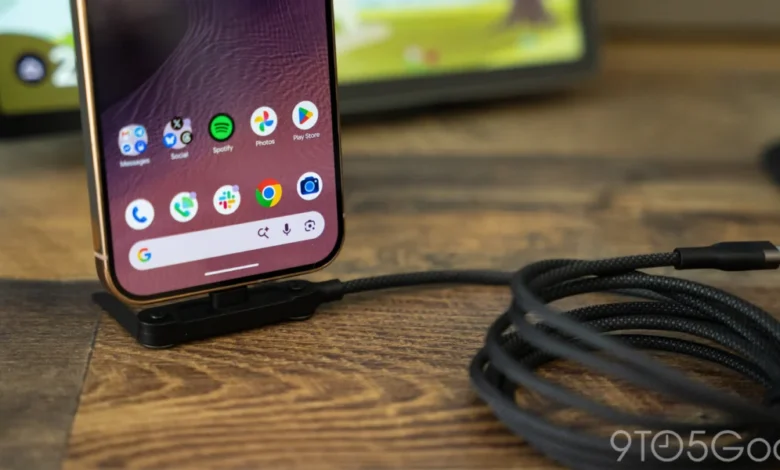
The evolution of mobile device accessories has consistently moved toward reducing physical clutter, a trend exemplified by the recent release of the Statik PowerStand. This innovative product addresses a long-standing compromise between the utility of stationary phone charging docks and the necessity of portable connectivity. By integrating a mechanical kickstand directly into a 6.6-foot braided USB-C cable, Statik has introduced a hybrid solution that aims to eliminate the need for bulky travel stands while maintaining structural stability for various mobile devices.
The Mechanics of the Statik PowerStand
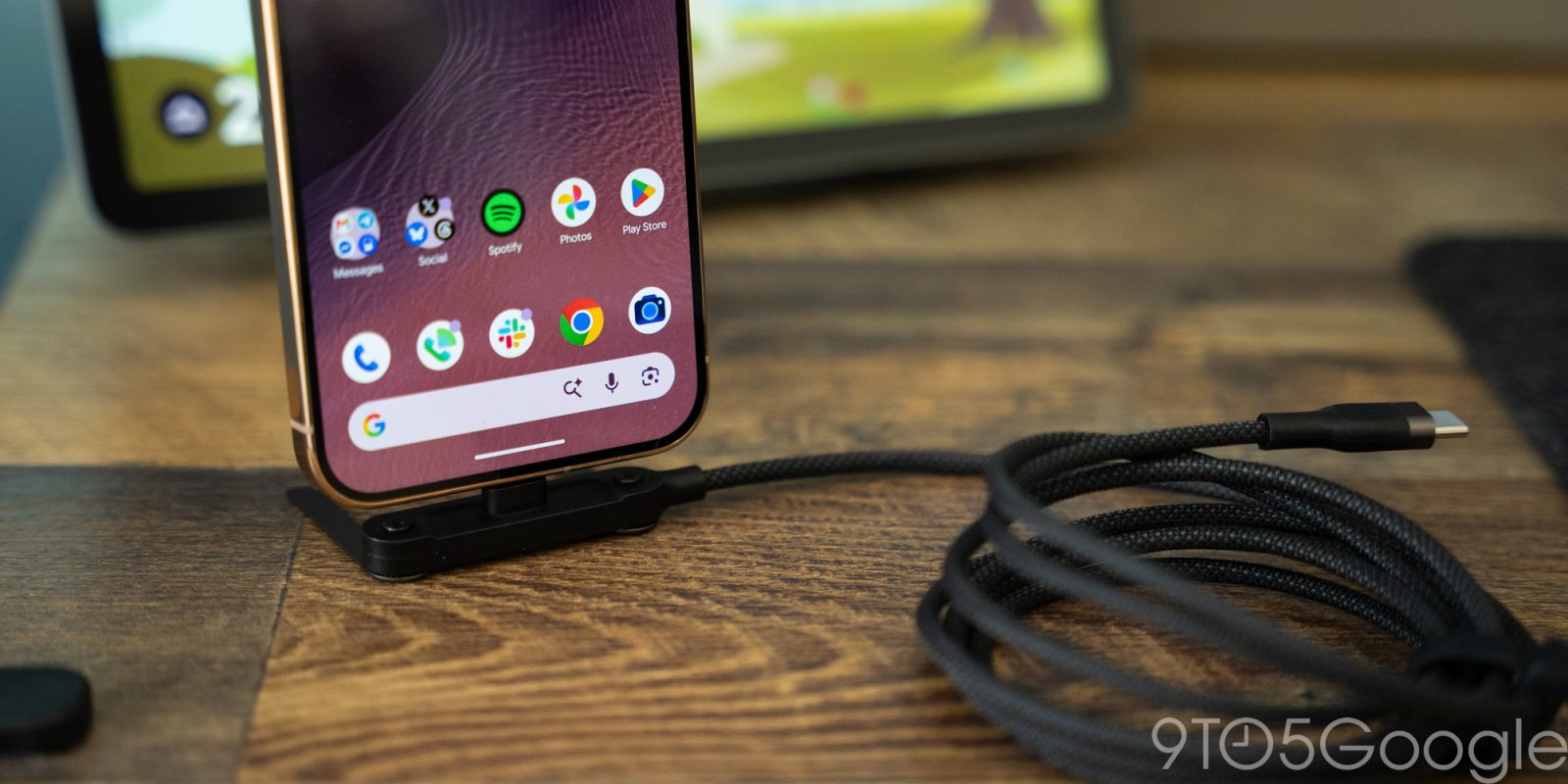
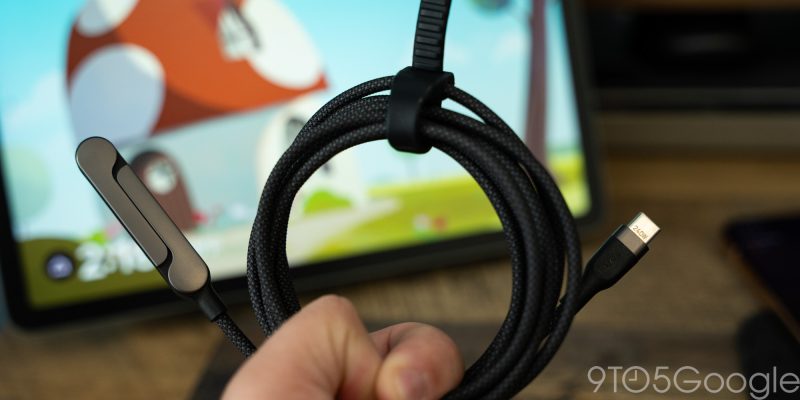
At its core, the Statik PowerStand functions as a high-capacity charging cable capable of delivering up to 240W of power. This specification aligns with the latest USB Power Delivery (USB-PD) standards, ensuring that it is sufficient to power not only modern smartphones but also power-hungry laptops and tablets. The integration of a physical, foldable kickstand at the device-end plug represents a novel approach to hardware design.
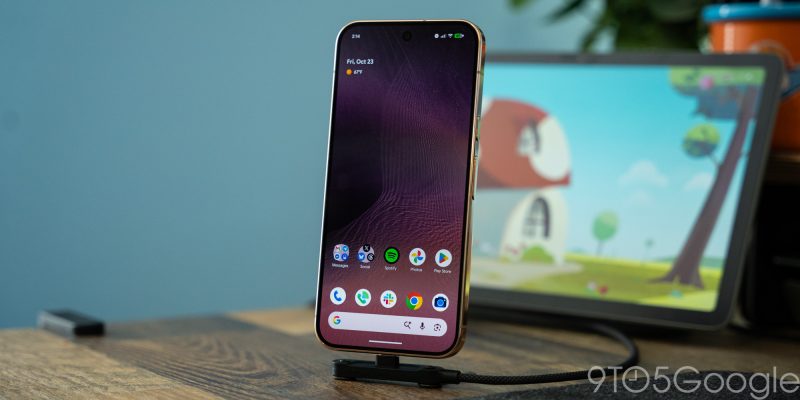
The architecture consists of a reinforced, raised base attached to a right-angled USB-C connector. Two retractable, foldable "feet" serve as the primary support mechanism. When deployed, these feet allow a device to rest in either a vertical portrait orientation—suitable for notifications and video conferencing—or a horizontal landscape orientation, ideal for media consumption. The design has been engineered to accommodate most standard smartphone cases, including those with added thickness, without requiring the user to compromise on the connection’s security.
Chronology of Portable Charging Innovation
The transition from simple charging cables to multifunctional accessories has occurred over the last decade, driven by the increasing reliance on smartphones for both productivity and entertainment.
- 2015–2018: The market saw a proliferation of "docking stations," which were typically heavy, static plastic units that occupied significant desk space.
- 2019–2021: The rise of magnetic wireless charging, most notably Apple’s MagSafe ecosystem, began to shift consumer preference toward smaller, magnetic stands. While these offered convenience, they often required proprietary chargers and lacked the raw power delivery of wired connections.
- 2022–2024: The industry pivoted toward high-wattage charging, with 100W and 240W cables becoming common. Consumers began demanding cables that were not only faster but more durable, leading to the adoption of braided nylon exteriors and reinforced stress-relief points.
- 2026: The release of the Statik PowerStand marks the current peak of this convergence, where structural utility (the stand) is physically bonded to the medium of power delivery (the cable).
Technical Specifications and Market Context
The Statik PowerStand is categorized as a USB 2.0 data transfer cable. While it does not support the high-speed data transfer rates found in USB 4.0 or Thunderbolt cables, its primary value proposition is power delivery and structural utility. The 6.6-foot length provides sufficient reach for users in hotels, airports, or office environments where power outlets may be inconveniently located.
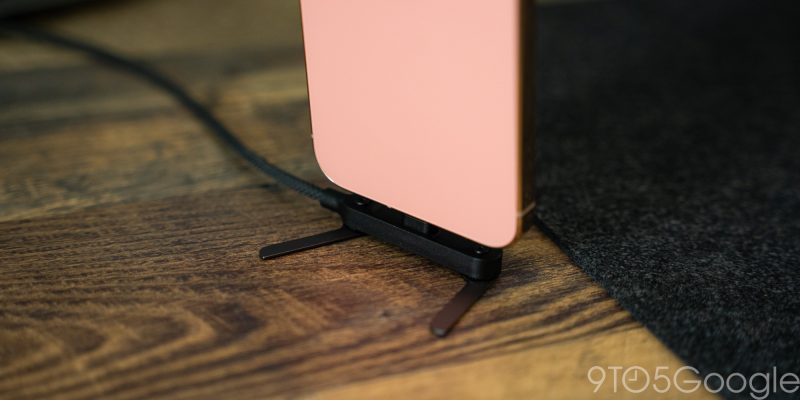
The durability of the cable is a critical factor for professional travelers. Statik has utilized a braided texture, which in laboratory stress tests—as cited by the manufacturer—indicates a significant increase in tensile strength compared to standard PVC-coated cables. The right-angle connector, a staple in gaming and professional setups, minimizes the "lever effect" that often causes standard straight connectors to fail at the strain relief point after repeated bending.
Industry Implications and User Ergonomics
The emergence of such hybrid accessories reflects a broader shift toward "minimalist mobility." Modern professionals, particularly those operating in hybrid work environments, seek to reduce the total weight and volume of their carry-on luggage. By consolidating a charging stand and a high-wattage cable into a single unit, the Statik PowerStand reduces the need for secondary peripherals.
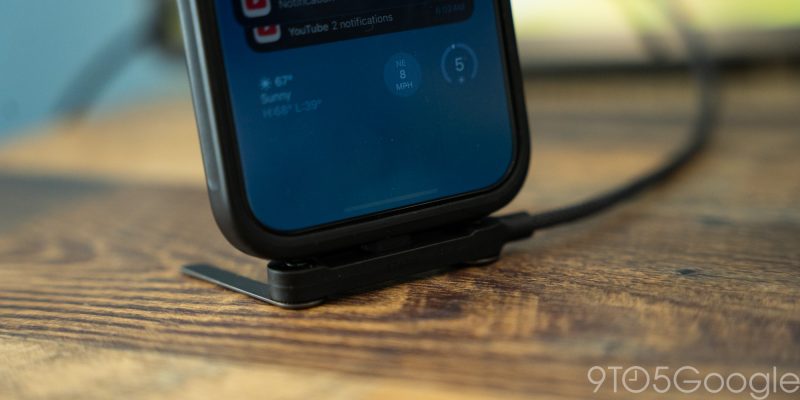
Furthermore, the design addresses the ergonomic challenges of mobile device use. Research into "text neck" and repetitive strain injuries has long suggested that elevating mobile screens to eye level is beneficial. While a cable-based stand is not a permanent desktop replacement, it provides an immediate, on-the-go solution for maintaining proper posture during long periods of device usage, whether in a cafe or a transient workspace.
Comparative Analysis: The Statik PowerPivot Pro
Statik has expanded its product line to include the PowerPivot Pro, which further illustrates the company’s focus on specialized cable design. Unlike the PowerStand, which focuses on stability, the PowerPivot Pro emphasizes flexibility. It features a rotating tip that allows the USB-C connector to swivel, providing easier access to ports in cramped environments, such as a vehicle’s center console or behind furniture.
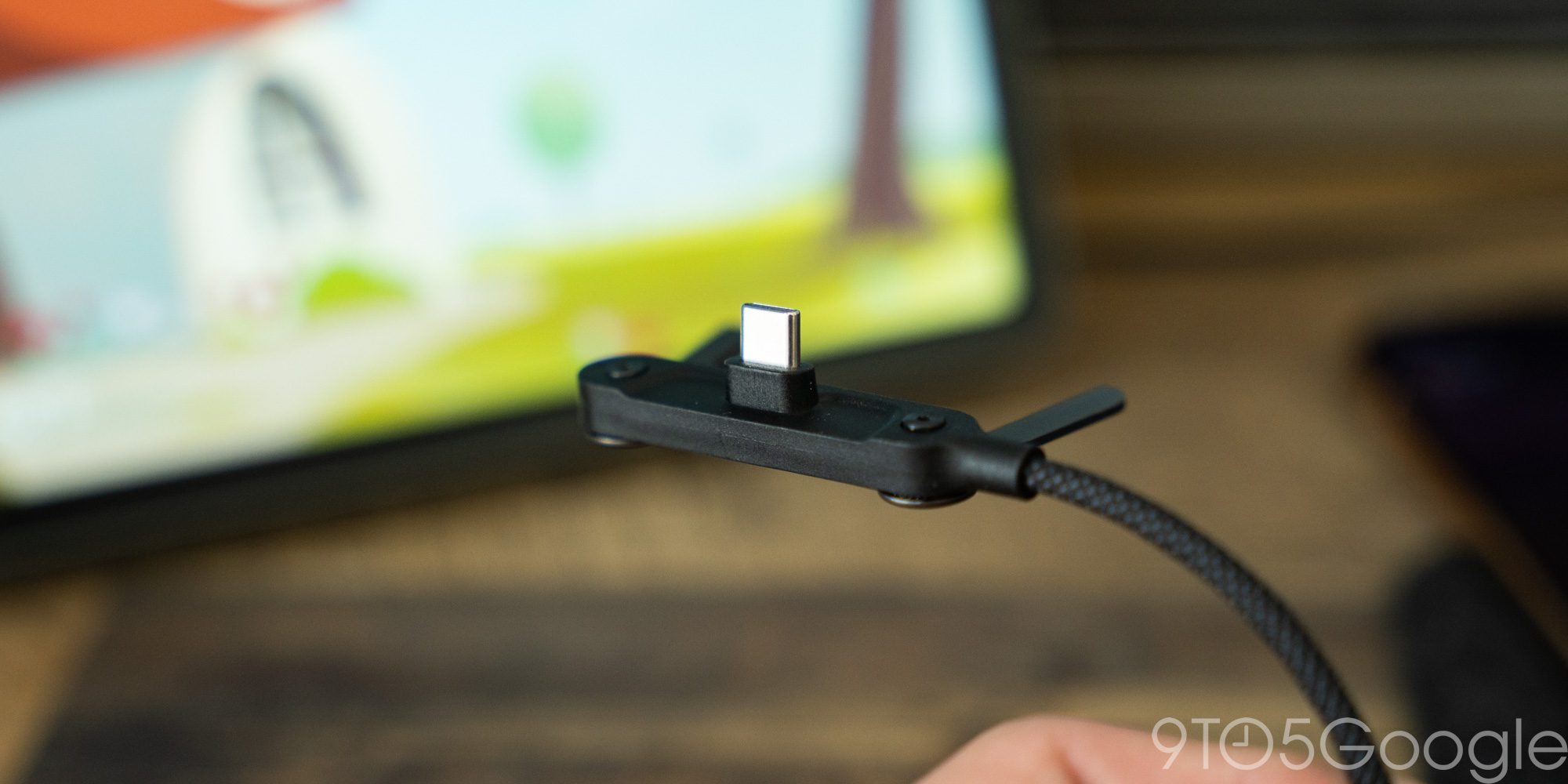
While the PowerPivot Pro is marketed as 20 times more durable than standard cables, it serves a different niche than the PowerStand. The PowerPivot Pro is engineered for tight-clearance situations where a rigid cable would otherwise bend and eventually snap. When analyzed alongside the PowerStand, it is clear that Statik is attempting to segment the market based on the specific constraints of the user’s environment: the PowerStand for viewing and stability, and the PowerPivot Pro for spatial constraints and durability.
Broader Market Trends and Sustainability
The $20 price point for the PowerStand is strategically positioned within the "impulse buy" segment of the tech accessory market, yet it offers functional value that rivals more expensive, branded docking solutions. As the industry moves toward universal standards—most notably the mandatory transition to USB-C in many global markets—the demand for high-quality, versatile cables is expected to grow.
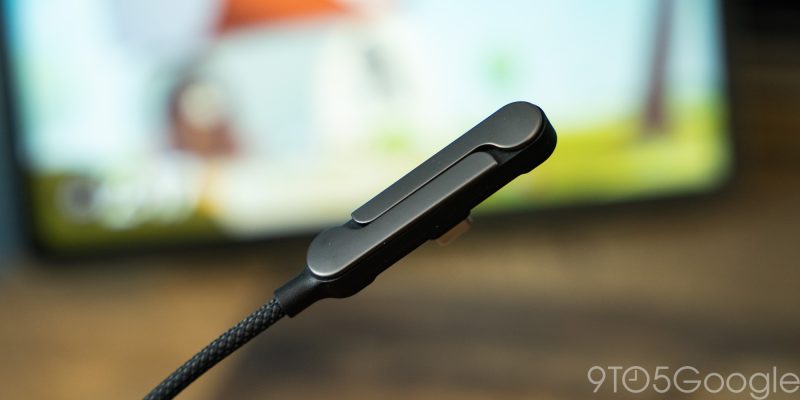
From a sustainability perspective, the focus on "tougher" cables that resist fraying and failure directly counters the "disposable tech" narrative. By creating a product that lasts longer and serves multiple purposes, the manufacturer aligns with the growing consumer interest in products that offer longevity and reduced e-waste.
Future Outlook
The success of the Statik PowerStand will likely be measured by its adoption among frequent travelers and remote workers. If the product proves resilient under long-term daily use, it may set a new standard for cable manufacturers. Future iterations could potentially incorporate higher data transfer capabilities, such as USB 3.2 or USB4, to appeal to creative professionals who need to transfer large media files while simultaneously keeping their devices propped up and powered.
For now, the Statik PowerStand serves as a case study in practical innovation. By observing the daily frustrations of modern tech users—the need to watch content while charging, the desire for a lighter bag, and the frustration of damaged cables—the company has delivered a solution that is simple in concept but sophisticated in its execution. As the digital and physical worlds continue to blur, the demand for accessories that provide both utility and convenience will remain a driving force in the consumer electronics sector.