Sony Unveils First Footage and Pricing for the Ultra-Large Sensor Rialto 65 Cinema System

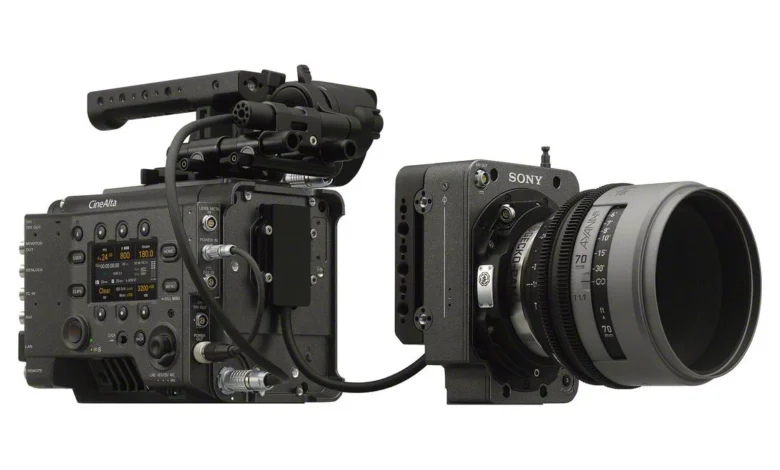
Sony has officially pulled back the curtain on its highly anticipated Rialto 65 cinema camera system, providing the first public look at its technical capabilities through debut footage while confirming a premium price tag of $80,000. This groundbreaking sensor module, which effectively transforms the Sony Venice 2 into a medium-format powerhouse, represents a significant leap forward for high-end digital cinematography. By utilizing a sensor that measures 53.75mm by 35.83mm—an area roughly 2.2 times the size of a standard full-frame sensor—Sony is positioning the Rialto 65 to compete directly with elite, large-format cinema cameras that have historically dominated high-budget film production.
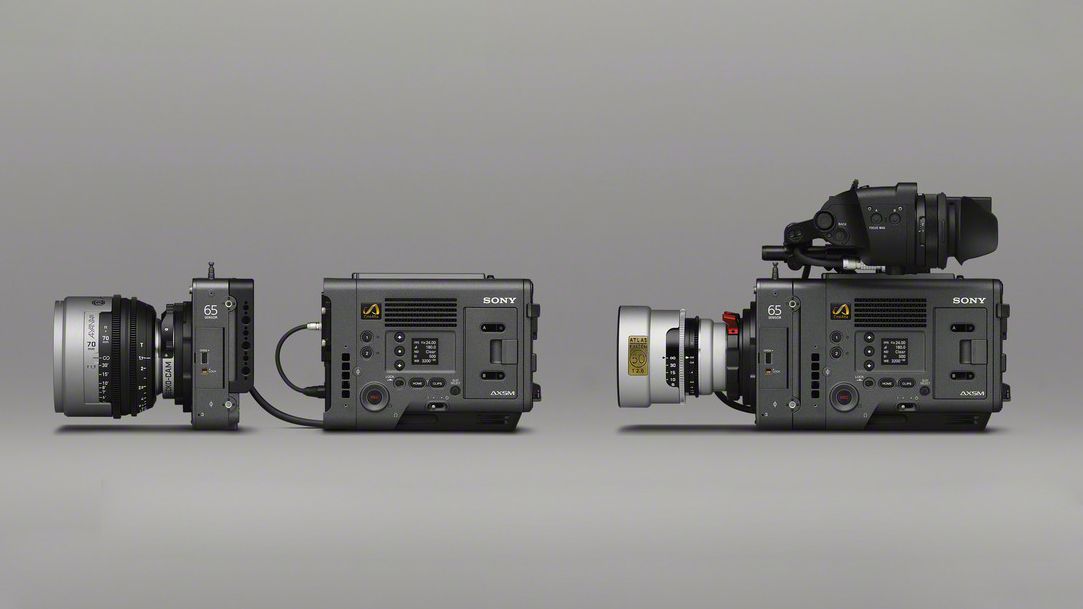
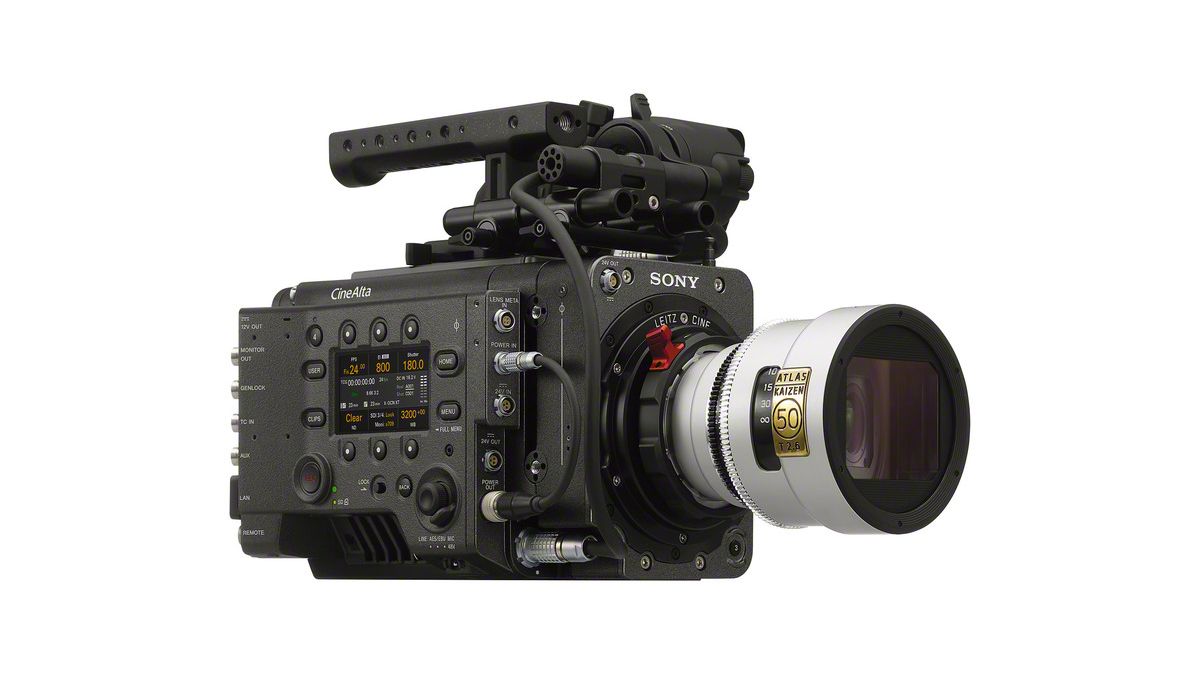
The Rialto 65 is not a standalone camera body but rather a specialized, high-resolution sensor unit designed to integrate seamlessly with the existing Venice 2 ecosystem. This modular design allows cinematographers to leverage the established, industry-leading color science and the robust 16-bit X-OCN (Extended Original Camera Negative) workflow that has made the Venice 2 a staple on Hollywood sets. By building upon this architecture, Sony is offering current owners a pathway to 65mm-format production without requiring a complete overhaul of their existing Venice 2 camera infrastructure.
The Evolution of the Rialto 65 Project
The journey of the Rialto 65 began in July, when Sony first teased the development of this massive sensor, sparking intense speculation among professional cinematographers and industry insiders. The initial announcement focused on the physical dimensions of the sensor and the promise of a "medium-format" aesthetic that could deliver a shallower depth of field and a more immersive field of view than current full-frame sensors.
Since that initial reveal, the industry has been waiting for two critical pieces of information: visual proof of the system’s performance and the cost of entry. With the recent unveiling of the "Local People" short film, shot by acclaimed cinematographer Łukasz Żal, PSC, the industry now has a clear indication of the system’s aesthetic output. While the public-facing version of this footage is currently limited to 4K resolution on YouTube, industry experts point out that the underlying raw data captured by the Rialto 65’s massive sensor offers far greater resolution and dynamic range capabilities than consumer platforms can currently display.
The timeline for the product’s rollout remains ambitious yet cautious. Sony has indicated that the Rialto 65 is slated for a market release in the first half of 2027. However, the company has explicitly labeled this a tentative schedule, acknowledging the complexities involved in the precision manufacturing of such a large-scale silicon wafer. In the world of high-end cinema technology, such timelines are standard, as the development of optics and sensor cooling systems for 65mm formats requires significant calibration.
Technical Specifications and System Integration
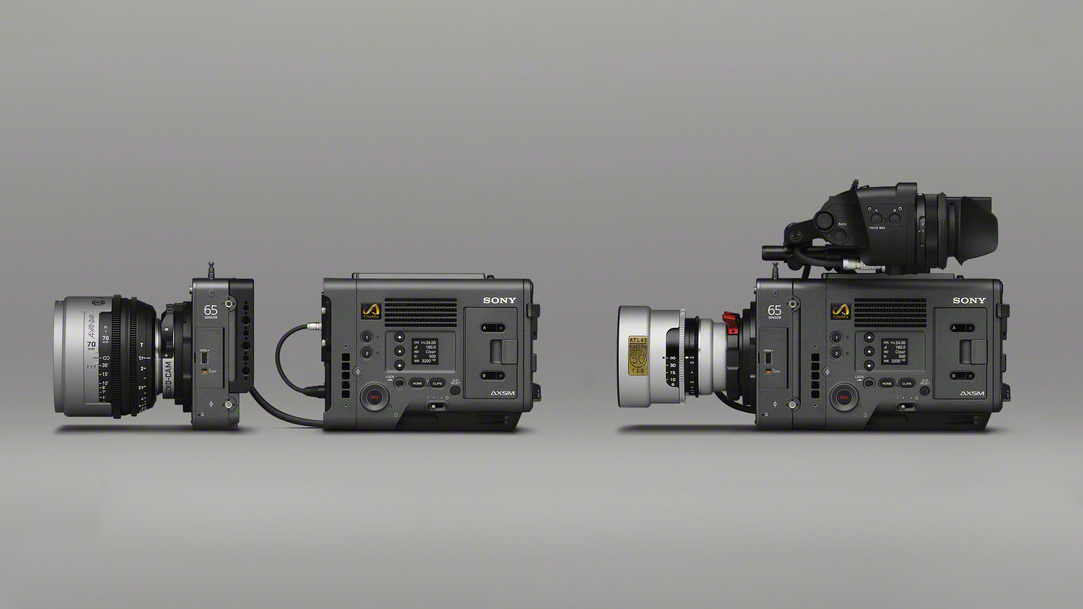
At the heart of the Rialto 65 is its unique sensor architecture, which supports specialized 65mm lenses. This creates a distinctive "look" characterized by a unique fall-off and separation of the subject from the background, a hallmark of the classic 65mm film aesthetic. Because the Rialto 65 functions as an extension system, it retains the flexibility that the Venice 2 is famous for. Operators can detach the sensor head from the main body, allowing the camera to be squeezed into tight spaces, mounted on gimbals, or used in unique configurations that would be impossible with traditional, bulky large-format cameras.
The system relies on the Venice 2’s processing capabilities, meaning that users will benefit from the same dual-base ISO (800/3200) and the wide latitude that has become a benchmark for digital cinematography. Integrating this sensor into the Venice 2 body allows for a streamlined production workflow; the camera can record to the same high-speed media, and the metadata remains compatible with existing post-production software suites that already support Sony’s X-OCN codec.
Economic Implications and Market Positioning
The announcement of an $80,000 price point (approximately CA$113,800, £59,811, or AU$113,658) firmly places the Rialto 65 in the category of high-end equipment intended for rental houses and major studio productions. While this cost is substantial, it is competitive within the niche market of large-format cinema capture. By providing a modular system, Sony is attempting to lower the barrier to entry for productions that wish to achieve a "large-format" look without the need to purchase entirely new camera bodies.
Analysts suggest that the Rialto 65 is a strategic play to maintain Sony’s dominance in the professional cinema market. As Netflix, Amazon, and other streaming giants push for higher quality masters, the demand for sensors that exceed the capabilities of standard full-frame units is growing. By offering a medium-format-style sensor, Sony is effectively future-proofing its top-tier users, ensuring that they can capture content that meets the most rigorous visual standards for years to come.
Industry Reactions and Future Outlook
Early reactions from the cinematography community have been largely positive, with many praising Sony’s commitment to modularity. The ability to switch between standard full-frame sensors and the Rialto 65 within the same Venice 2 body is seen as a major operational advantage. It reduces the need for rental houses to carry multiple proprietary camera systems, instead allowing them to stock a single primary unit that can be reconfigured based on the specific needs of the production.
However, the transition to such a large sensor brings its own set of challenges, particularly regarding lenses. The 65mm format requires optics that can cover the larger image circle without vignetting or loss of sharpness at the edges. This will likely drive a renewed interest in vintage 65mm glass and the development of new, high-performance prime lenses designed specifically for this sensor size.
As we look toward the 2027 release window, the industry will be watching closely to see how Sony refines the Rialto 65’s thermal management and power consumption. A sensor of this size generates a significant amount of data and heat, and the ability to manage these factors in an "extension" form factor will be the ultimate test of the system’s design.
Broader Impact on Digital Cinematography
The introduction of the Rialto 65 signifies a turning point in the "format wars" of digital cinema. For decades, the industry has been moving toward standardizing 35mm-equivalent full-frame sensors. By jumping to a sensor 2.2 times that size, Sony is effectively challenging the current definition of the "cinematic standard."
This shift suggests that in the coming years, we may see a bifurcation in the market: mid-range productions will continue to rely on full-frame mirrorless and cinema cameras, while prestige, high-budget, and large-format feature films will gravitate toward systems like the Rialto 65 to achieve a distinct, large-format aesthetic.
Ultimately, the Rialto 65 is not just a sensor; it is a testament to the ongoing evolution of image capture. As the lines between film and digital continue to blur, the tools that offer the most flexibility, the best color science, and the most expansive capture area will continue to define the visual language of modern cinema. Whether the Rialto 65 will become the new industry workhorse or remain an elite specialty tool for high-end productions, its arrival is undeniably one of the most significant developments in camera technology this decade. With the tentative 2027 release date approaching, Sony has set the stage for a new era of digital imaging, one where the boundaries of the frame are wider and more detailed than ever before.
Related posts: