The shift toward remote and hybrid work models over the last several years has fundamentally altered the domestic landscape, turning living rooms into offices and bedrooms into boardrooms. While this transition offered unprecedented flexibility, it also exacerbated a public health crisis: sedentary behavior. Health professionals have long warned that prolonged sitting is linked to a litany of issues, including poor posture, cardiovascular disease, and diminished mental well-being. In response, the "walking pad"—a slim, often motor-driven treadmill designed for low-speed use—has emerged as a vital tool for the modern professional. Unlike traditional, bulky treadmills that dominate entire rooms and emit significant noise, these compact machines are engineered to slide under standing desks, allowing users to maintain physical activity without interrupting their professional output.
The Health Implications of the Sedentary Workspace
The physiological toll of a desk-bound lifestyle is well-documented. According to the Mayo Clinic, sitting for extended periods is associated with health concerns including obesity, increased blood pressure, high blood sugar, and abnormal cholesterol levels. Furthermore, the "hunched-over keyboard gargoyle" posture leads to chronic back and neck pain. Walking pads offer a solution by facilitating Low-Intensity Steady State (LISS) cardio.
LISS exercise has been shown to boost metabolic rates and improve insulin sensitivity without the high impact or sweat-inducing intensity of a traditional run. Beyond the physical, the psychological benefits of movement during the workday are significant. Regular walking increases blood flow to the brain, which correlates with improved focus, creativity, and mood regulation. For many remote workers, the ability to "crush daily steps" while attending virtual meetings or clearing an inbox is not merely a fitness goal but a productivity strategy.

Market Overview and Technical Evolution
The walking pad market has seen a surge in innovation, moving from basic motorized belts to sophisticated fitness devices equipped with AI-powered controls, high-incline capabilities, and advanced folding mechanisms. Today’s consumers prioritize three primary factors: storage footprint, noise levels, and durability.
Industry data suggests that the global home fitness equipment market is projected to continue its upward trajectory, with space-saving designs leading the demand. This has led manufacturers to develop "2-in-1" hybrids—machines that function as walking pads with a handrail down (usually capped at 4 mph) and as light-running treadmills with the rail up.
Top Performers: A Detailed Evaluation
Following extensive testing by remote professionals who integrated these machines into their actual workdays, several models have distinguished themselves based on specific use cases.
Best Overall: Urevo CyberPad for Home
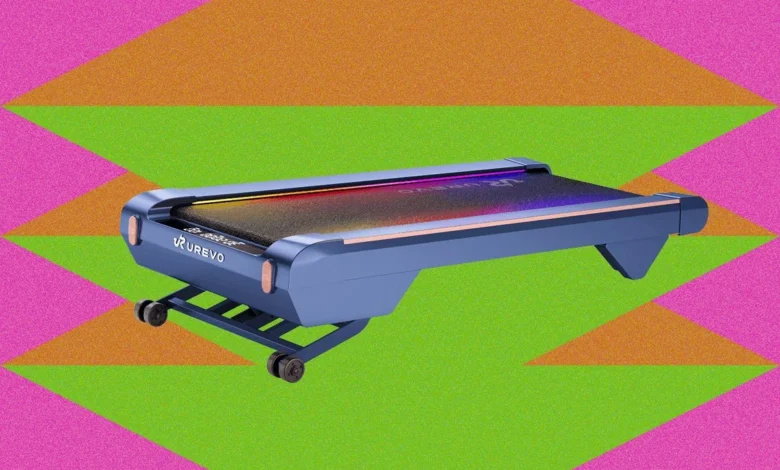
The Urevo CyberPad has redefined expectations for the category by incorporating a 14-percent incline capability. In the world of walking pads, where most decks are flat, this feature is a significant outlier. Walking at an incline of 14 percent significantly increases caloric expenditure and muscle activation in the glutes and hamstrings compared to level walking.

Testers noted that the CyberPad feels exceptionally stable underfoot, a rarity for machines weighing approximately 71 pounds. It features a brushless motor designed for longevity and a belt that provides adequate cushioning for long-duration use. While its height makes it difficult to store under low-profile furniture, its performance as a workout tool and a work aid makes it the premier choice for those prioritizing fitness results.
Best Foldable Design: WalkingPad C2
For users in cramped urban environments or small apartments, the WalkingPad C2 offers a patented double-fold technology. The machine’s length of 57 inches provides ample space for taller users with longer strides, yet it reduces to just 32.5 inches when folded.
Despite its portability, the C2 maintains a stable deck. However, the testing process revealed a steeper learning curve regarding its companion app, KS Fit. Users must "unlock" higher speeds by completing a set amount of walking at lower velocities—a safety feature that some may find frustrating. Additionally, its weight makes it less "portable" than its wheels might suggest, requiring significant effort to move between rooms.
Most Versatile: Urevo Strol 2S Pro
The Strol 2S Pro serves as a bridge between a walking pad and a traditional treadmill. It remains stable even at its top speed of 7.6 mph and an incline of 9 percent. This versatility allows a user to transition from a 2-mph stroll during a morning meeting to a vigorous jog during a lunch break.
-Front-Full-Reviewer-Photo-SOURCE-Adrienne-So.png)
One of its standout features is the intuitive integration with the Urevo app. Unlike many competitors, the app consistently syncs workout data, including daily step counts, regardless of whether the session was started via the phone or the remote. The inclusion of a tablet holder and a dual-display system (on the deck and the handrail) further cements its status as a complete workstation.
Quietest Operation: Flexispot Auto Incline Walking Treadmill
Noise is a critical factor for those who spend their days on calls. The Flexispot Auto Incline model was identified as the quietest unit in the current lineup. It omits the often-glitchy companion apps found in other models in favor of a straightforward remote-controlled interface.
With an incline reaching 12 percent (Level 9), it offers a challenging workout without the mechanical whine associated with cheaper motors. While it lacks step-tracking features, its ease of setup—taking only minutes from box to floor—makes it an attractive option for the less tech-savvy consumer.
Safety Warnings and Regulatory Action
As the popularity of these devices has grown, so has the scrutiny from safety regulators. In July 2026, the U.S. Consumer Product Safety Commission (CPSC) issued a critical warning regarding Sperax walking pads and treadmills. The warning specifically cited the Pro, Q1, RM-01, and RM-02 models.
-Reviewer-Photo-SOURCE-Adrienne-So.jpg)
The CPSC reported that these machines pose significant fall and fire hazards. Documented incidents include machines unexpectedly changing speeds, coming to sudden stops, and overheating. In some cases, the friction or electrical components have led to fires. This regulatory intervention highlights the importance of choosing reputable brands that adhere to UL (Underwriters Laboratories) safety standards. Consumers are urged to stop using affected Sperax models immediately and to prioritize machines with proven track records of mechanical reliability.
Strategic Selection: How to Choose a Walking Pad
Selecting the appropriate machine requires a balance of technical specifications and spatial constraints.
- Weight Capacity and Durability: Walking pads typically have lower weight limits than commercial treadmills, often ranging from 220 to 300 pounds. Exceeding these limits can lead to motor burnout and belt slippage.
- Belt Dimensions: A track length of at least 39 to 40 inches is recommended for average-height users. Taller individuals (over 6 feet) should look for decks exceeding 45 inches to accommodate a natural stride.
- Incline Functionality: Fixed-incline pads (usually at 5 percent) are common, but adjustable electronic inclines allow for varied intensity. Incline walking is particularly beneficial for reducing "anterior knee loading," making it a joint-friendly alternative to running.
- Connectivity: While apps allow for long-term data tracking, a reliable physical remote is essential. Testers have found that smartphone-only controls can be cumbersome when trying to adjust speed while typing.
The Future of the Active Workstation
The integration of walking pads into the home office represents a broader shift in workplace ergonomics. It signifies a move away from static environments toward dynamic ones. Employers are increasingly recognizing the value of these tools, with some companies offering "wellness stipends" to cover the cost of standing desks and walking pads.
The long-term impact of this trend is likely to be a reduction in workplace-related musculoskeletal disorders and a shift in how we perceive "exercise." By decoupling physical activity from the gym and integrating it into the 9-to-5 schedule, the walking pad has become more than a piece of equipment—it is a cornerstone of a modern, health-conscious lifestyle. As technology continues to miniaturize motors and improve belt materials, these machines will likely become even quieter, lighter, and more essential to the remote work toolkit.