Ford Launches Official Home Backup Power Solution for F-150 Lightning and Hybrid Trucks via GenerLink Collaboration

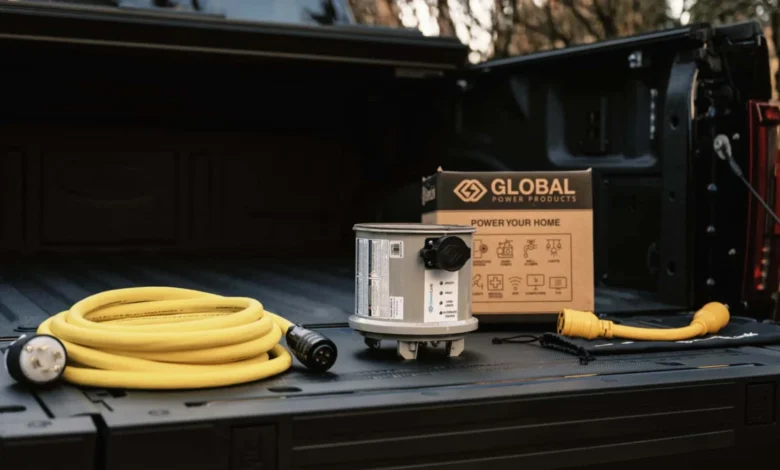
In a significant move toward integrating electric and hybrid vehicles into the residential energy ecosystem, Ford Motor Company has officially announced a new, streamlined solution for home backup power. By partnering with Global Power Products, Ford is making the GenerLink transfer switch compatible with its flagship F-150 Lightning and F-150 PowerBoost Hybrid pickups. This development addresses a growing demand among truck owners to utilize their vehicles as mobile power plants during emergencies, offering a more accessible and cost-effective alternative to complex, permanent home-integration systems.
The new solution centers on the Pro Power Onboard system, a feature that has become a cornerstone of Ford’s marketing strategy for its electrified trucks. While vehicle-to-home (V2H) capabilities have existed in various forms, this specific partnership aims to eliminate the "nest of extension cords" typically required to run appliances during a blackout. By utilizing a 240-volt outlet located in the truck’s bed, owners can now link their vehicle directly to their home’s main electrical panel through a specialized transfer switch.
Technical Specifications and Capability
The compatibility of the GenerLink system extends to two primary configurations of the F-150 lineup. For owners of the all-electric F-150 Lightning, the system is designed to work with the 9.6-kW Pro Power Onboard variant. This setup provides enough wattage to sustain essential household loads, including refrigerators, well pumps, lighting circuits, and medical equipment.
For those driving the F-150 PowerBoost Hybrid, the system supports the 7.2-kW Pro Power Onboard configuration. While slightly lower in output than the full EV version, the hybrid model offers the unique advantage of using its internal combustion engine as a range extender for the onboard battery, potentially providing days of backup power as long as there is fuel in the tank.
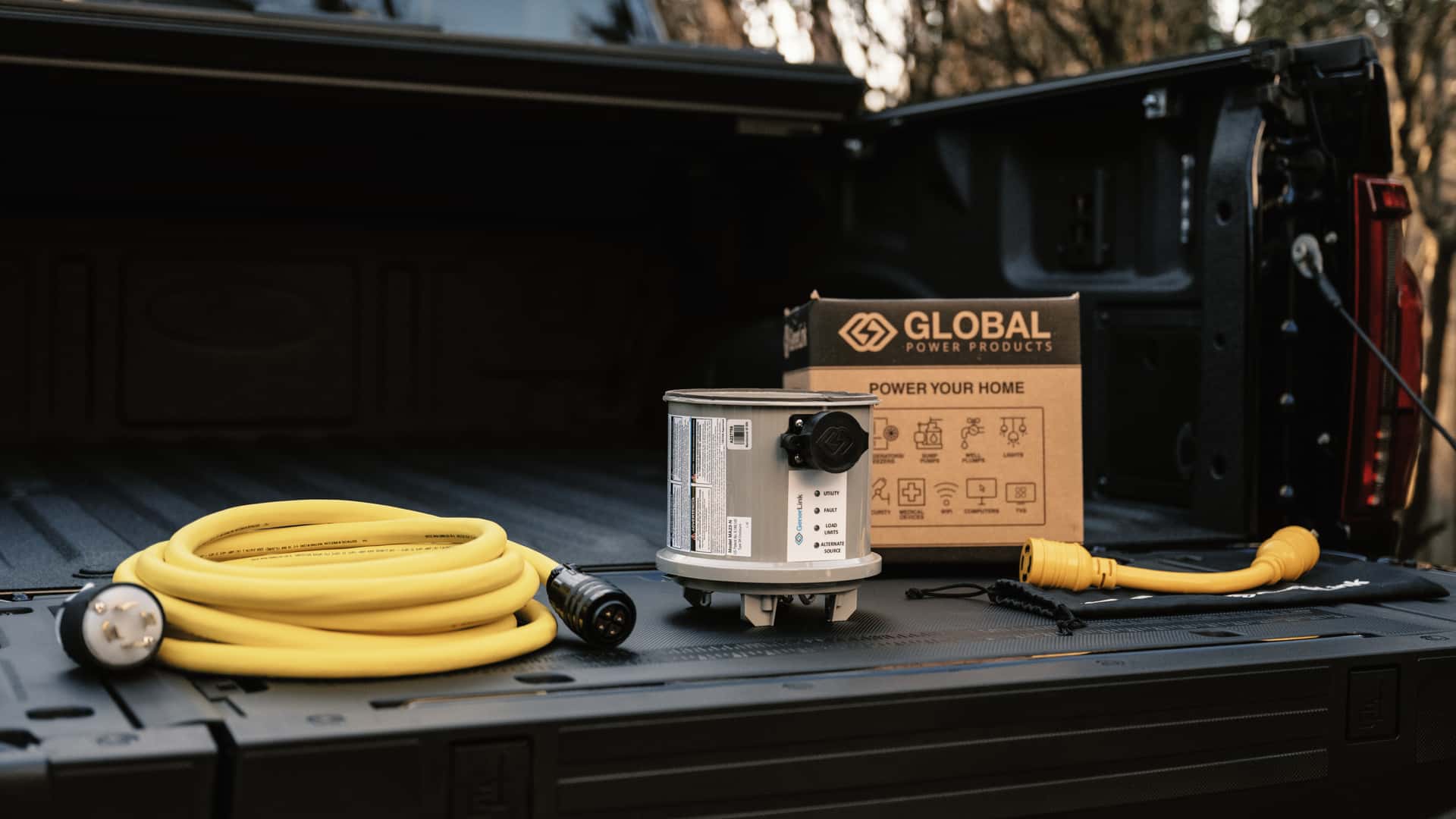
The hardware kit is anchored by the Ford Vehicle Connector, a 12-inch heavy-duty cord that bridges the gap between the truck’s bed outlet and the GenerLink transfer switch. This connector is more than just a simple cable; it has been engineered and "Ford-approved" to ensure that the truck’s sophisticated electrical safety sensors—which are designed to detect ground faults and surges—do not trip when connected to a home’s wiring.
A Chronology of Vehicle-to-Home Innovation at Ford
Ford’s journey into the V2H space began in earnest with the 2021 launch of the F-150 Hybrid. During the catastrophic Texas winter storms of February 2021, stories went viral of truck owners using their F-150s to power heaters and appliances while the state’s grid failed. Recognizing a massive marketing and utility opportunity, Ford accelerated the development of its "Intelligent Backup Power" system for the F-150 Lightning.
Initially, Ford’s primary solution for home backup was a high-end, fully automated system developed in partnership with Sunrun. This system required the 80-amp Ford Charge Station Pro and a Home Integration Kit, including an inverter and a dark-start battery. While seamless, this setup often cost upwards of $5,000 to $10,000 after installation, pricing out many consumers.
The announcement on Wednesday represents a "middle-ground" chronology in Ford’s energy strategy. It acknowledges that many owners do not need a fully automated system that kicks in within milliseconds, but rather a safe, manual way to keep the lights on without the hazards of DIY electrical "hacks" that have circulated on enthusiast forums for years.
The Cost of Resilience: Hardware and Installation
The financial barrier to entry for this new system is significantly lower than previous iterations. Ford has confirmed that the GenerLink hardware itself is priced at approximately $1,100. However, the total cost to the consumer will depend heavily on local utility regulations and the existing electrical infrastructure of the home.
Installation generally falls into two categories:
- At-the-Meter Installation: This is the most streamlined method, where the GenerLink switch is installed directly behind the electric meter. Ford estimates this cost at $250 to $450. However, this method is subject to utility company approval, as many providers prohibit third-party devices between the meter and the grid.
- Next-to-Meter Installation: For homes where the utility company does not allow meter-mounted devices, a "next-to-meter" setup is required. This involves a more traditional transfer switch box and professional wiring, with costs ranging from $1,000 to $1,500.
Even at the higher end of the installation spectrum, the total investment remains thousands of dollars cheaper than a dedicated home battery system like the Tesla Powerwall or the previously mentioned Sunrun integration.
Safety and the "DIY" Community Reaction
For years, members of the F-150 Lightning Forum and other online communities have shared blueprints for "back-feeding" their homes using the truck’s 240V outlet. These methods often involved third-party transfer switches or, in dangerous cases, "male-to-male" cords that bypassed safety protocols.
Ford’s official entry into this specific niche is a direct response to these aftermarket behaviors. A Ford spokesperson emphasized that while the company cannot endorse aftermarket connectors, they have rigorously tested the Global Power Products partnership to ensure it meets automotive and residential safety standards. One of the primary technical hurdles has been the truck’s internal safety monitoring. Standard transfer switches often cause the truck to sense a ground fault, leading it to shut off power to the bed outlet as a protective measure. The new Ford-approved connector is specifically designed to bypass these communication errors while maintaining actual electrical safety.
Market Implications and Competitive Landscape
This move by Ford comes at a time when the automotive industry is shifting its focus from "EV range" to "EV utility." As the American electrical grid faces increasing pressure from extreme weather and aging infrastructure, the ability for a vehicle to serve as a backup battery is becoming a major selling point.
Ford’s strategy contrasts with competitors like Tesla and General Motors. Tesla has traditionally pushed consumers toward its Powerwall ecosystem, though it has recently begun opening up bidirectional charging capabilities for the Cybertruck. GM, through its "GM Energy" division, has launched a suite of home energy products that are highly integrated but also come with a premium price tag.
By opting for a partnership with a third-party hardware provider like Global Power Products, Ford is positioning itself as a pragmatist in the space. The GenerLink system is a "manual" transfer switch, meaning the homeowner must physically plug the truck in and flip a switch during an outage. This lack of automation is the trade-off for a significantly lower price point, a move that aligns with the F-150’s identity as a "work" vehicle.
Broader Impact on Grid Stability and Emergency Preparedness
Industry analysts suggest that the widespread adoption of V2H technology could eventually play a role in grid stabilization. While the current Ford solution is designed for "islanded" use (powering a home when the grid is down), the underlying technology paves the way for vehicle-to-grid (V2G) applications. In a V2G scenario, utilities could potentially pay EV owners to discharge small amounts of power back into the grid during peak demand hours.

Furthermore, the integration of hybrid trucks into this ecosystem is a vital step for rural resilience. In areas where charging infrastructure is sparse or where long-duration outages are common, the F-150 PowerBoost Hybrid acts as a bridge. It provides the benefits of a large battery bank with the reliability of a gasoline-powered generator, all integrated into a single, mobile unit.
As climate-related power disruptions become more frequent, the role of the personal vehicle is expanding. Ford’s latest announcement signals a future where the distinction between a "car" and a "home appliance" continues to blur. For the average consumer, the message is clear: the truck in the driveway is no longer just for transportation; it is an insurance policy against a darkening grid.
Summary of the Ford-GenerLink Solution
The partnership represents a maturation of the EV market, moving away from novelty and toward practical, everyday utility. By providing a Ford-approved pathway for home backup, the company is protecting its customers’ warranties while offering a legitimate safety feature.
Key Takeaways:
- Hardware: $1,100 for the GenerLink switch and Ford Vehicle Connector.
- Compatibility: F-150 Lightning (9.6 kW) and F-150 Hybrid (7.2 kW).
- Ease of Use: Eliminates extension cords; uses a single 240V bed-to-house connection.
- Installation: Tiered pricing from $250 to $1,500 based on home configuration.
- Availability: The solution is being rolled out through Ford’s parts channels and approved electrical partners.
This initiative is expected to bolster F-150 sales among homeowners in "storm-belt" regions and further solidify Ford’s lead in the utility-focused electric vehicle segment. As the company continues to refine its energy services, the F-150 is increasingly being viewed not just as a leader in the truck market, but as a central component of the modern, resilient home.