Why The Elder Scrolls Never Received a New Vegas-Style Spin-Off: Inside Bethesda’s Protective Strategy

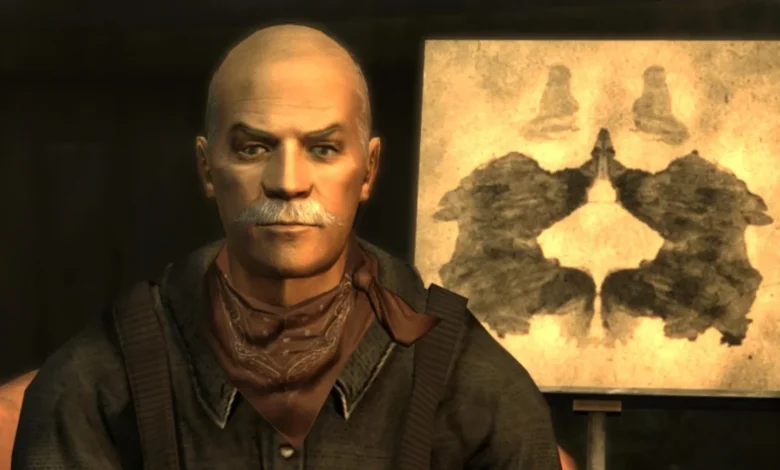
The debate surrounding franchise stewardship in the video game industry has long fascinated developers and players alike. Recently, former Bethesda Game Studios designer Kurt Kuhlmann shed light on a long-standing mystery within the gaming community: why The Elder Scrolls franchise never received a spin-off akin to Obsidian Entertainment’s critically acclaimed Fallout: New Vegas. Speaking on the FRVR Podcast, Kuhlmann provided rare insights into the corporate and creative mindset of Bethesda, pointing to studio leadership, the protective nature of director Todd Howard, and the strategic positioning of The Elder Scrolls Online as key factors that shaped the trajectory of one of gaming’s most iconic fantasy universes.
The Shadow of Fallout: New Vegas
Released in 2010, Fallout: New Vegas was developed by Obsidian Entertainment—a studio founded by several alumni of Black Isle Studios, the original creators of the Fallout franchise. Built using the engine and assets of Bethesda’s Fallout 3, New Vegas was lauded for its branching narratives, faction systems, and deep role-playing elements. For many traditional RPG fans, the title set a high watermark for the modern era of the series.
However, the success of New Vegas inadvertently fostered a divisive narrative within the fan community. A vocal faction of players began to frame the relationship between Bethesda and Obsidian as a rivalry, frequently arguing that Obsidian was inherently better suited to craft deep, systemic role-playing experiences. According to Kuhlmann, this dynamic created an unhelpful dichotomy in the public perception of who "best" handles the iconic post-nuclear franchise.

Kuhlmann suggested that Todd Howard, executive producer and director at Bethesda Game Studios, was understandably cautious about replicating a scenario where an external studio could unintentionally disrupt the singular creative vision and brand identity of The Elder Scrolls. Given Bethesda’s meticulous oversight of its intellectual properties, maintaining tight control over the primary entries of The Elder Scrolls became a foundational pillar for the studio.
The Role of The Elder Scrolls Online
While single-player purists often clamor for new standalone entries between major generational releases—such as the lengthy gap between 2011’s The Elder Scrolls V: Skyrim and the anticipated The Elder Scrolls VI—Bethesda found an alternative outlet to satisfy player demand without handing the reins of the main franchise to an outside developer.
The launch and sustained evolution of The Elder Scrolls Online (ESO), developed by ZeniMax Online Studios and published by Bethesda Softworks in 2014, fundamentally altered the ecosystem of the franchise. Kuhlmann noted that ESO effectively "took the heat off" the studio by providing a continuous stream of new content, lore, and regional explorations within Tamriel.
For millions of players, ESO transformed into their definitive Elder Scrolls experience. By maintaining an active, massively multiplayer online environment, Bethesda ensured that the franchise remained perpetually visible in the cultural zeitgeist, mitigating the pressure to rush out single-player spin-offs or hand off the intellectual property to external teams.

Industry Dynamics and Intellectual Property Protection
Bethesda’s approach to its core intellectual properties reflects a broader industry trend where major publishers maintain strict stewardship over multi-billion-dollar franchises. Companies like Nintendo, Rockstar Games, and Bethesda invest decades into building expansive fictional universes, making brand consistency a paramount priority.
Todd Howard has frequently emphasized the importance of internal continuity and unified creative vision at Bethesda Game Studios. Allowing an external studio to develop a major entry in The Elder Scrolls series carries inherent risks, including creative divergence, tonal inconsistencies, and potential brand dilution. By keeping development largely in-house, Bethesda preserves the distinct design philosophy that has defined its titles since the release of The Elder Scrolls III: Morrowind in 2002.
Furthermore, the operational structure of modern game development has evolved significantly since 2010. Crafting open-world role-playing games of the scale associated with Bethesda requires massive budgets, years of dedicated production time, and thousands of personnel. The collaborative landscape that allowed for the rapid development of Fallout: New Vegas—which was famously completed by Obsidian in roughly 18 months—is largely untenable in today’s high-definition, highly complex development environment.
Implications for the Future of Open-World RPGs
The discussion surrounding franchise delegation highlights the ongoing tension between fan expectations and corporate strategy. While communities often champion the idea of independent or external studios taking fresh stabs at beloved legacies, corporate realities dictate a more conservative approach to risk management.

Recent shifts within the industry, particularly following Microsoft’s acquisition of Bethesda’s parent company, ZeniMax Media, have further complicated the landscape of studio collaborations. With industry-wide restructuring, layoffs, and shifting studio priorities under Xbox, the traditional avenues for outsourcing or partnering on major franchise extensions have grown increasingly narrow.
Ultimately, Kuhlmann’s revelations underscore that Bethesda’s decision to keep The Elder Scrolls firmly under its own umbrella was not merely a matter of creative stubbornness, but a calculated strategy to protect a multi-generational legacy. As anticipation for The Elder Scrolls VI continues to mount, the studio remains committed to its proprietary development model, ensuring that the next chapter of Tamriel will bear the unmistakable, centralized vision of its creators.
Related posts: