The Best Chromebooks of 2025: A Comprehensive Guide to Performance, Productivity, and AI Integration

The landscape of personal computing has undergone a radical transformation since June 2011, when the first Chromebooks arrived as low-cost, web-centric alternatives to traditional laptops. Initially dismissed as glorified web browsers, Chromebooks have evolved into sophisticated, high-performance devices that compete directly with premium Windows laptops and Apple’s MacBook lineup. As of 2025, the market features ultra-thin designs, vibrant OLED displays, and robust internal hardware capable of handling demanding workflows, artificial intelligence, and cloud-based gaming.

The shift in the Chromebook narrative is largely driven by the "Chromebook Plus" initiative, introduced by Google in October 2023. This branding standard mandates higher performance floors, including updated processors—ranging from 13th Generation Intel Core chips to the latest Intel Core 100 series—and enhanced AI capabilities. With the integration of Gemini AI, these devices have transitioned from simple educational tools to powerful productivity hubs for professionals, students, and creative users.
Chronology of Evolution: From Browser to Powerhouse
The journey of the Chromebook began as a response to the need for secure, manageable, and affordable computing in the education sector. Throughout the mid-2010s, Google refined ChromeOS to prioritize speed and security over local storage capacity. By 2018, the introduction of support for Android applications via the Google Play Store fundamentally changed the value proposition, allowing users to move beyond the browser to access a vast library of mobile-optimized software.
The COVID-19 pandemic served as a major catalyst, accelerating the adoption of Chromebooks as the primary tool for remote learning and work. This period necessitated hardware upgrades, leading manufacturers like Samsung, Acer, and Lenovo to experiment with premium materials, 2-in-1 form factors, and improved thermal management. Today, the 2025 market reflects this maturity, with devices featuring dedicated AI keys, such as the Quick Insert button, and advanced connectivity options that mimic high-end enterprise laptops.
Key Performers in the 2025 Market
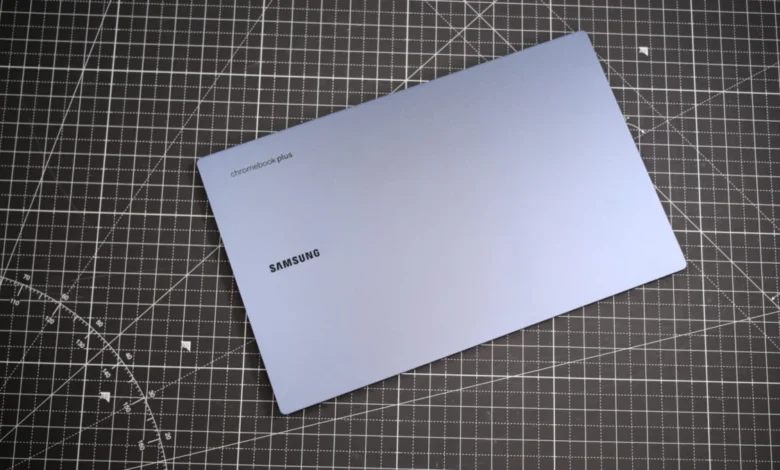
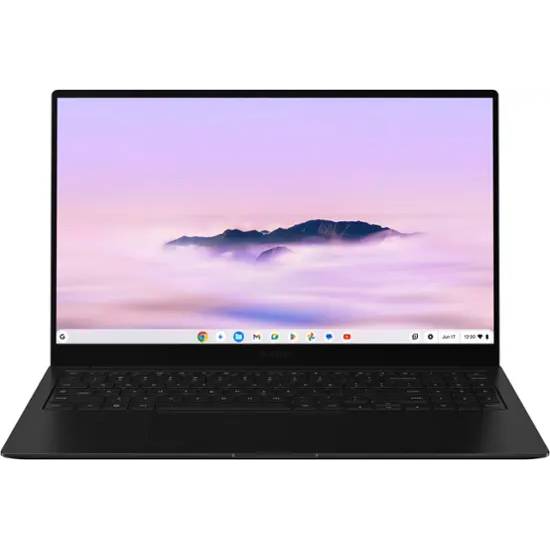
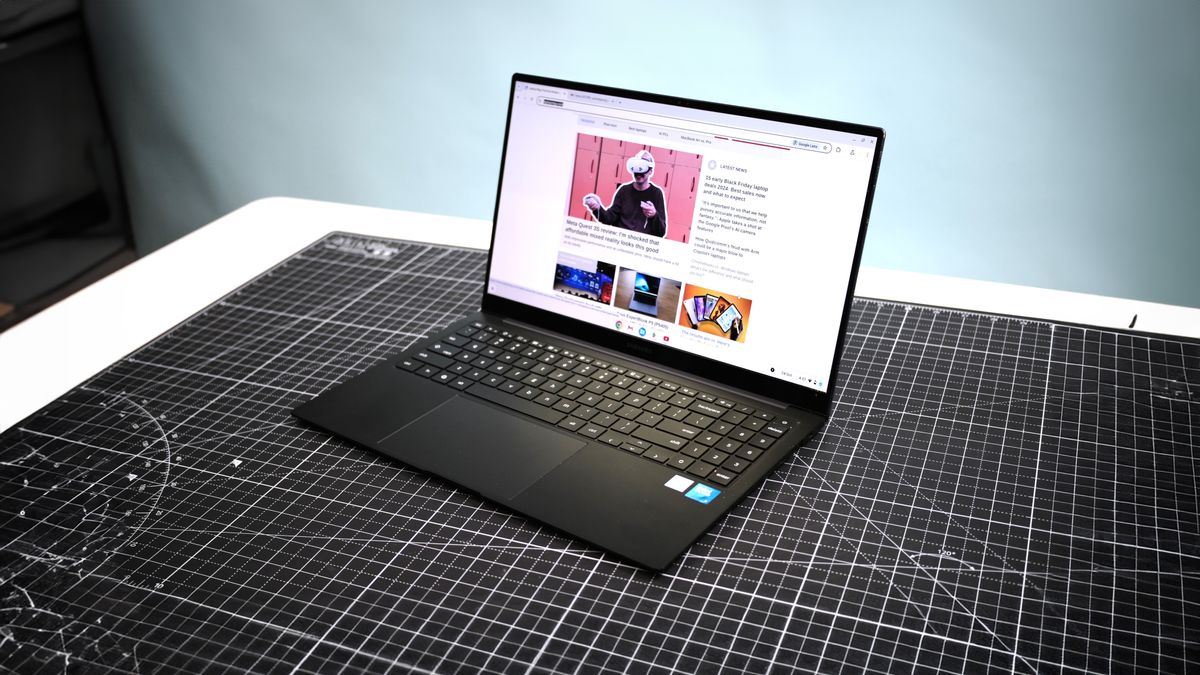
The current market is segmented by use-case, with manufacturers tailoring hardware to specific demographics. The Samsung Galaxy Chromebook Plus currently stands as the definitive, all-around champion. Equipped with an Intel Core 3 100U processor and a 15.6-inch AMOLED display, it offers a visual fidelity rarely seen in the ChromeOS ecosystem. Its ability to maintain over 11 hours of battery life during standard web-surfing benchmarks makes it a formidable competitor against traditional ultrabooks.
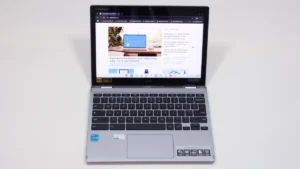
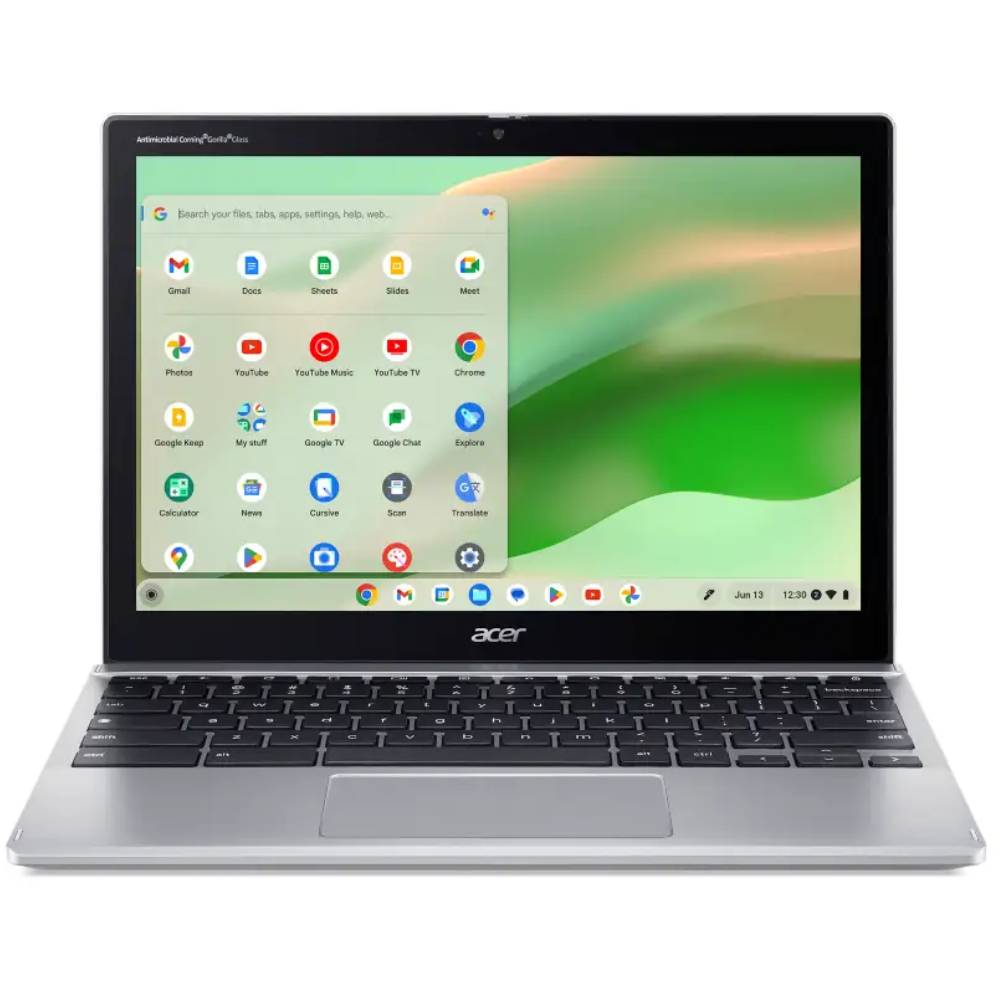
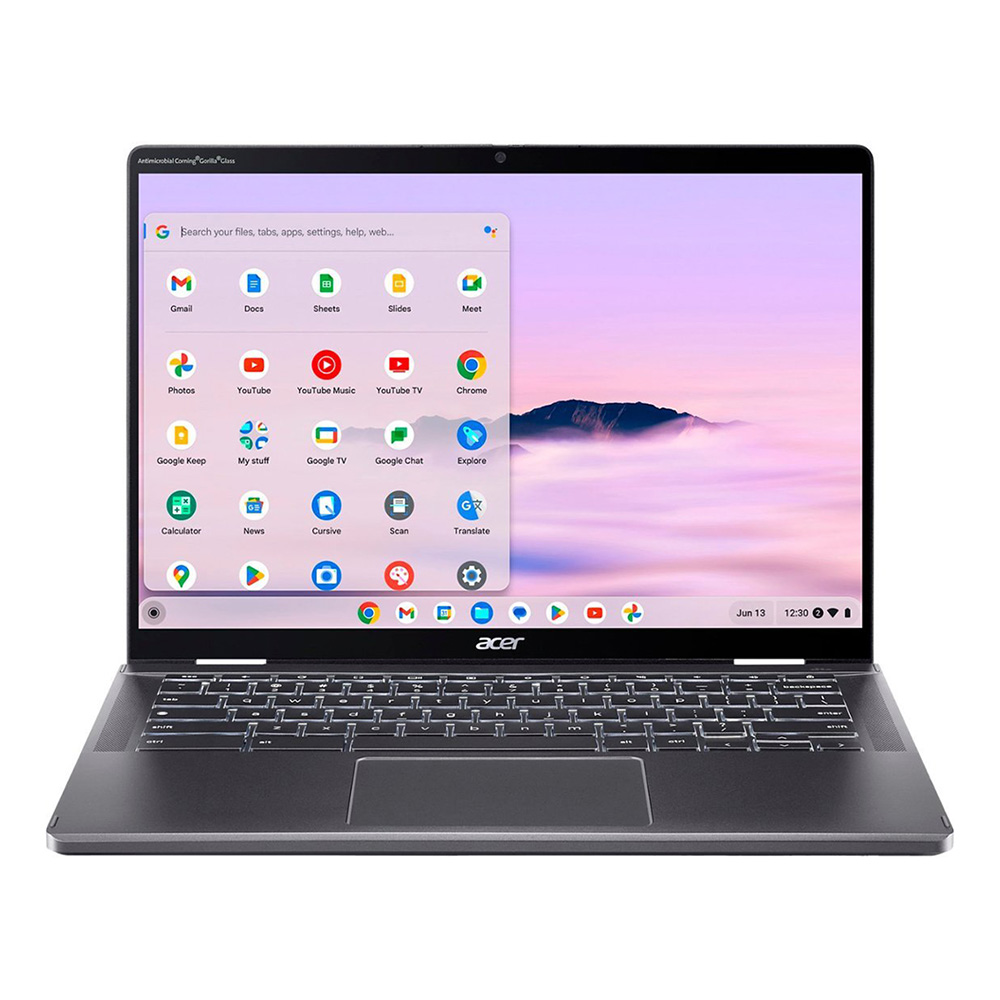
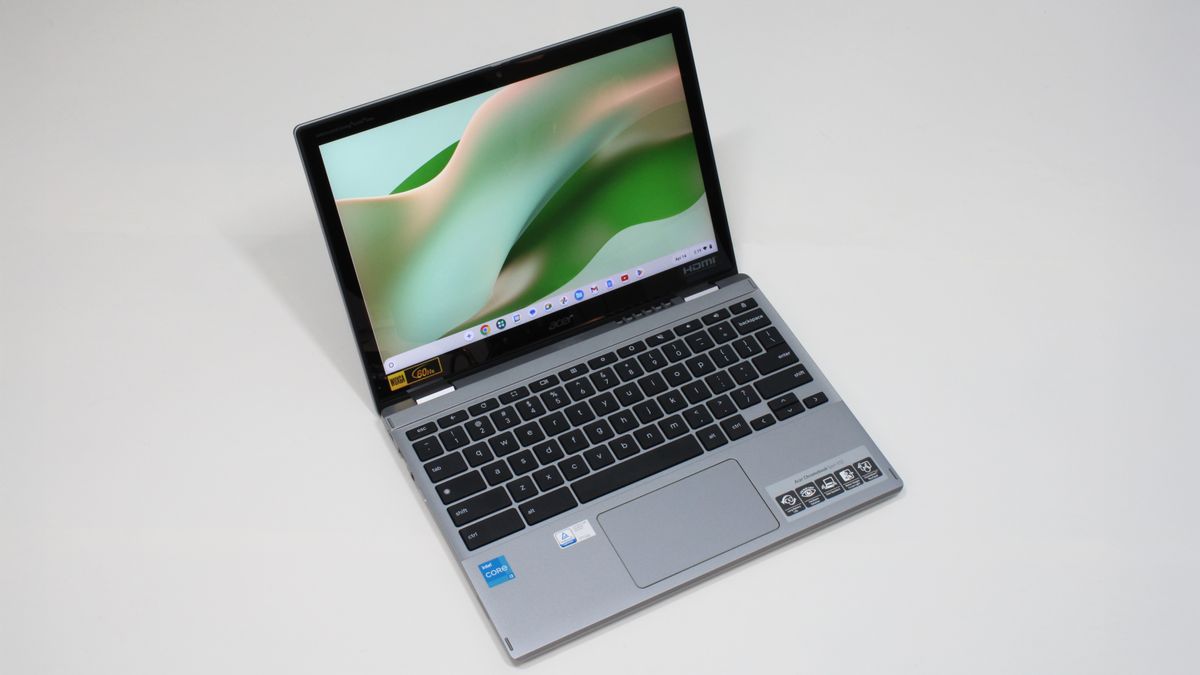
For the student demographic, the Acer Chromebook Spin 312 has emerged as the industry standard for value and durability. Priced under $500, it provides a versatile 2-in-1 design that accommodates both typing-intensive essays and stylus-based note-taking. While its hardware specs are more modest, the build quality and battery efficiency ensure it remains a reliable companion for academic life.
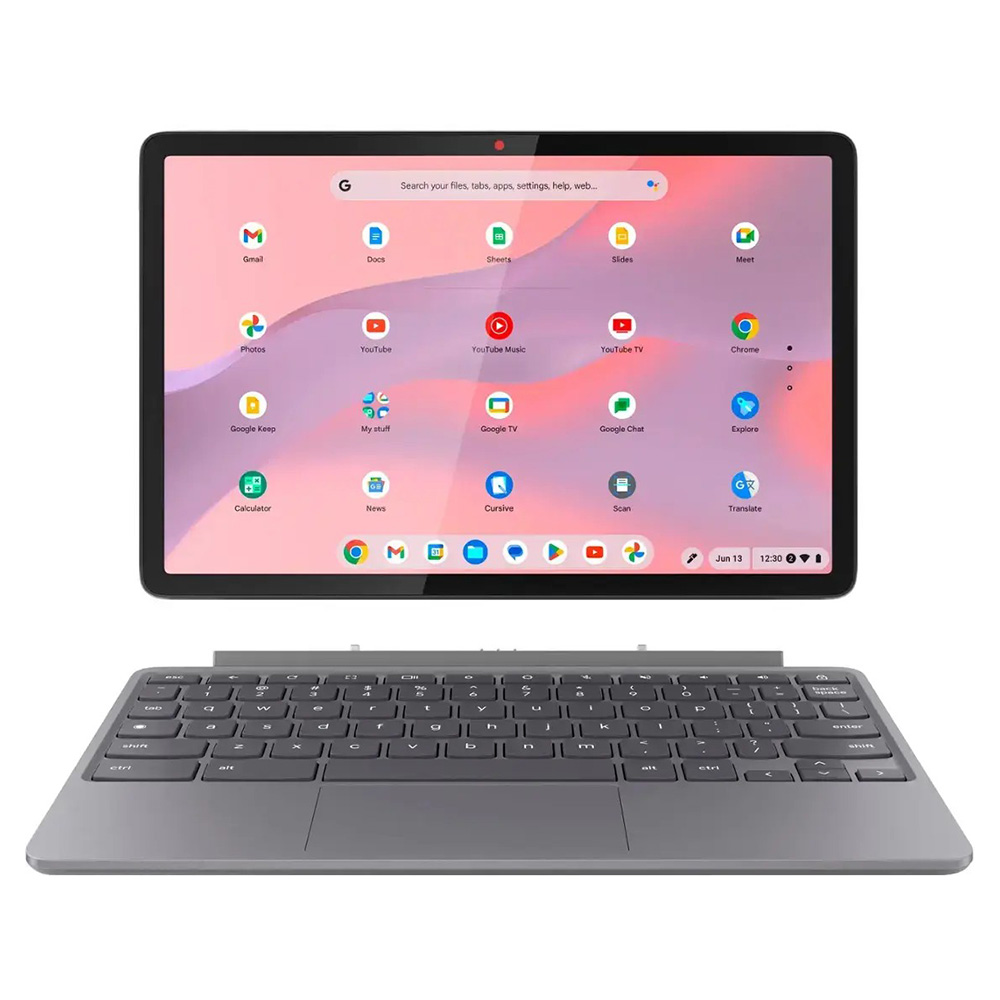
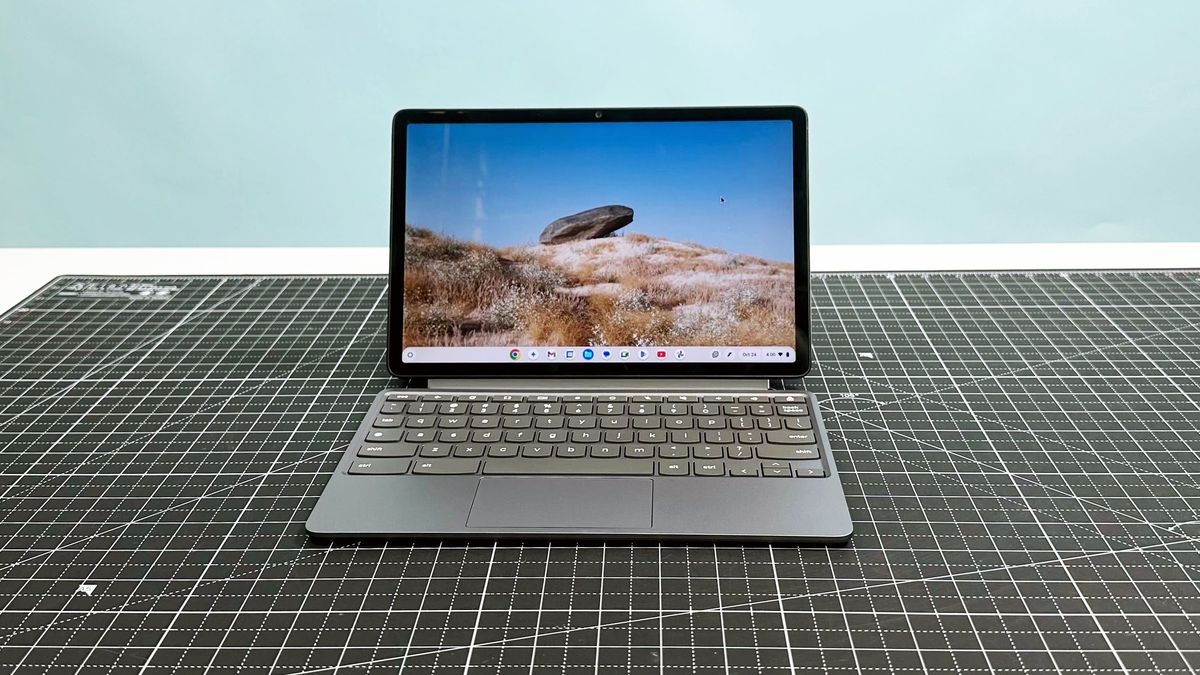
Conversely, for younger users, the Lenovo Chromebook Duet 11 Gen 9 offers a unique, tablet-first experience. By utilizing the MediaTek Kompanio 838 processor, the device achieves an impressive balance of power and power-efficiency. Its inclusion of high-resolution front and rear cameras (5MP and 8MP, respectively) addresses the growing demand for interactive video-based learning tools.
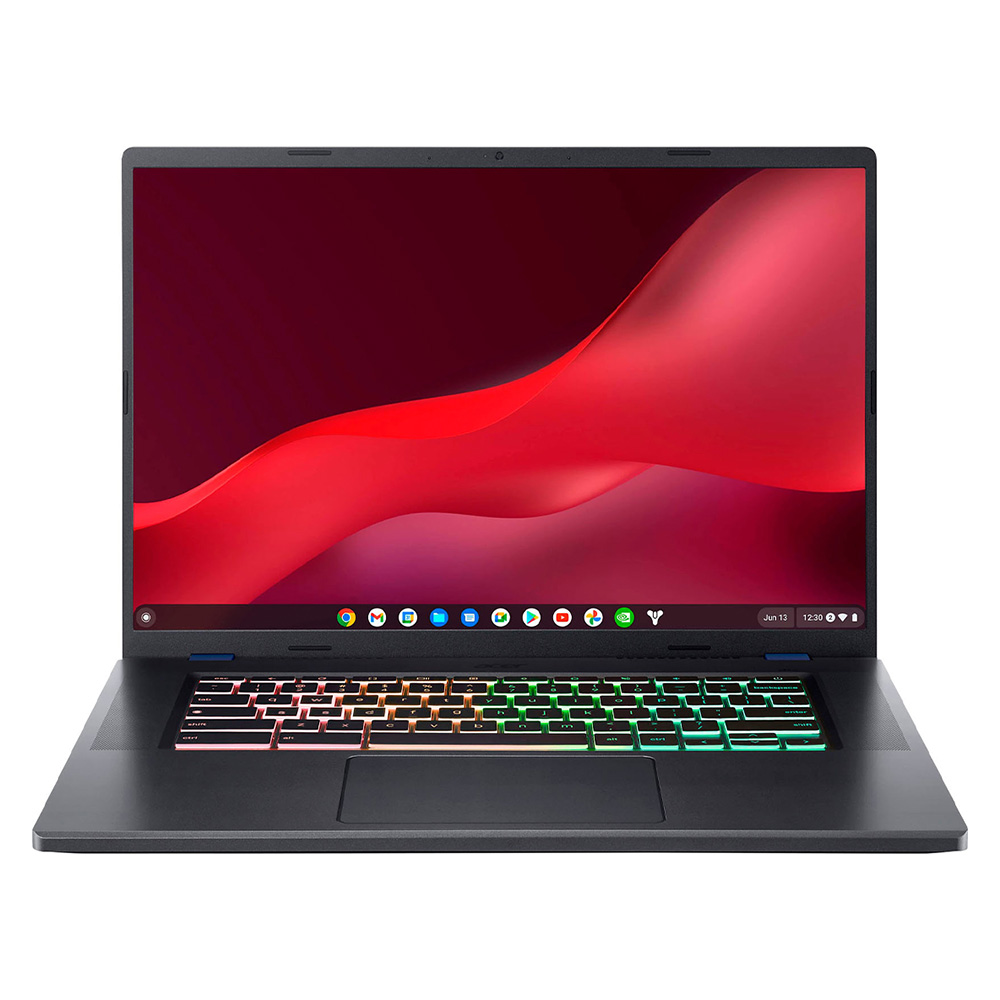
For those requiring a professional-grade typing experience, the Acer Chromebook Plus Spin 714 remains the premier choice. Beyond its robust Intel Core Ultra 5 performance, it is frequently cited for its superior tactile feedback, outperforming many competitors in the "keyboard enthusiast" category. Finally, for the gaming sector, the Acer Chromebook 516 GE continues to occupy a niche as the only dedicated cloud-gaming Chromebook, featuring a 120Hz display and Ethernet connectivity to minimize latency during Nvidia GeForce Now sessions.
Technical Data and Performance Benchmarks
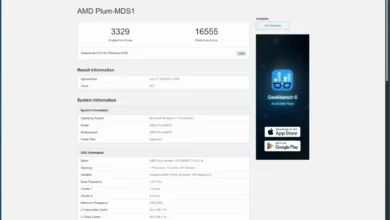
Performance metrics in 2025 highlight a clear stratification between entry-level and premium devices. In Geekbench 6 multi-core testing, top-tier Chromebooks like the Acer Chromebook Plus Spin 714 consistently exceed 6,300 points, showcasing their capability to handle multitasking that would have crippled 2011-era models.
Display quality has also become a battleground. While base models may feature standard IPS panels, premium offerings now consistently hit over 100% of the DCI-P3 color gamut. Brightness levels are equally critical; for instance, the Lenovo Duet 11 hits 402 nits, ensuring usability in diverse lighting conditions. These technical improvements demonstrate that manufacturers are no longer treating display and build quality as secondary features, but as core components of the user experience.

Implications of AI and Cloud Integration
The integration of Gemini AI is perhaps the most significant structural change for ChromeOS in 2025. By embedding AI-driven features at the operating system level, Google is positioning Chromebooks as the most accessible entry point into generative AI for the general public. These tools assist in writing, image generation, and workflow automation, effectively increasing the perceived value of the hardware without requiring the massive local storage or processing power of a high-end gaming PC.

Furthermore, the shift toward cloud-based gaming and professional applications indicates a broader industry trend toward "thin-client" computing. As high-speed internet becomes ubiquitous, the need for localized, heavy-duty processing power diminishes for the average user. This trend allows Chromebooks to remain lightweight and affordable while offering performance that effectively rivals traditional desktop environments.
Strategic Considerations for Consumers
Choosing the right device requires a nuanced understanding of specific requirements. For enterprise and professional environments, the focus remains on security and manageability. Enterprise-edition Chromebooks offer IT administrators tools for real-time threat detection and integration with third-party software like CrowdStrike. These security features, combined with the inherently sandboxed nature of ChromeOS, make them increasingly popular in cybersecurity-conscious industries.
Schools, meanwhile, prioritize longevity and ease of deployment. The ability for educational institutions to manage thousands of devices through Google Workspace for Education, while shielding students from targeted advertisements, provides a distinct advantage over other OS environments.
Future Outlook
As the market approaches the mid-2020s, the line between "Chromebook" and "Premium Laptop" continues to blur. Future iterations are expected to focus on further enhancing battery density, improving the integration of local and cloud-based AI, and refining the durability of the hardware to ensure multi-year lifecycles. With major manufacturers committing to the Chromebook Plus standard, the consistency and quality of these machines are likely to continue rising, further challenging the dominance of traditional Windows and macOS systems in the entry-to-mid-level market.
In summary, the 2025 Chromebook market offers a device for every need, from the casual user and student to the professional and gaming enthusiast. By moving beyond its origins as a budget-conscious browser, the Chromebook has solidified its place as a cornerstone of modern digital life, providing a secure, efficient, and increasingly powerful path forward for global computing.