As the smart home ecosystem approaches a decade of mainstream consumer adoption, the industry finds itself at a critical crossroads defined by leadership transitions, shifting hardware paradigms, evolving cybersecurity mandates, and emerging protocol integrations. Next year marks the tenth anniversary of the Amazon Echo and its voice-activated assistant, Alexa—milestones that invite a rigorous reassessment of how connected living has evolved, where it has stagnated, and whether the foundational technologies of the smart home can successfully stand on their own without perpetual corporate subsidies and ecosystem lock-in.
Compounding these industry-wide reflections is a significant executive departure at Amazon. David Limp, the long-serving head of devices and services who oversaw the rollout and expansion of the Echo and Alexa lineups, has announced his plans to retire. Limp’s departure forms part of a broader, notable wave of executive exits that have reshaped Amazon’s corporate leadership over the past year. As the architect behind some of the most ubiquitous consumer hardware of the 21st century, Limp’s exit raises questions about the future strategic direction of Amazon’s ambient computing ambitions, particularly as the division faces increasing pressure to demonstrate long-term financial sustainability.
The State of Consumer Hardware: Innovation Versus Practicality
To understand the current health of the smart home market, one need look no further than recent high-profile product releases and reviews that encapsulate both the promise and the frustration of modern connected devices. On one hand, ingenuity continues to drive form factors, such as the newly reviewed Mill composting system, engineered by Nest co-founder Matt Rodgers. The automated kitchen waste management bin represents a high-end approach to sustainability and smart home integration, yet its hefty price tag and specialized utility highlight a recurring industry trend: connected home technology often remains a luxury good rather than an accessible utility.
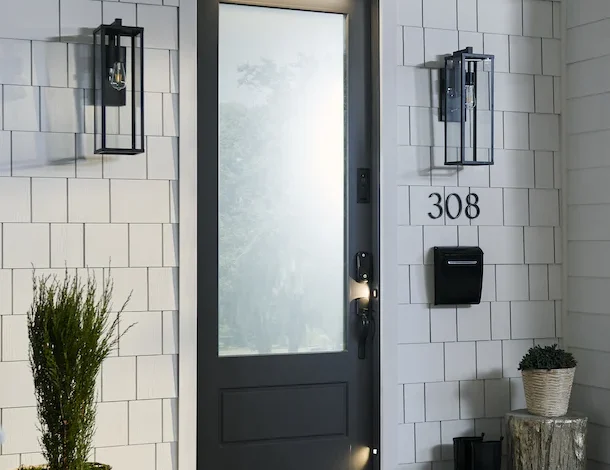
Similarly, the commercial rollout of the Masonite M-Pwr smart door—now officially on sale at major home improvement retailers like Home Depot—illustrates the push to embed smart technology directly into the structural architecture of the home. Featuring integrated power, LED lighting, and smart lock compatibility, the door represents a significant leap forward in home automation. However, its prohibitive cost places it out of reach for the average consumer, underscoring a persistent market divide between high-end architectural integrations and practical, retrofit solutions for everyday households.
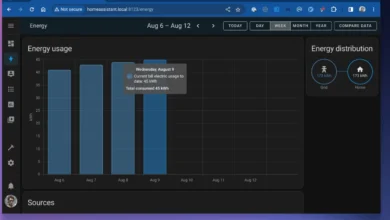
Amid these consumer-facing hardware developments, the market is also seeing critical evaluations of local versus cloud-dependent control hubs. Recent hands-on testing of advanced hubs like the Homey Pro demonstrates a growing consumer appetite for local processing. While such devices come with premium price tags and require careful cross-referencing of device compatibility lists, they offer a vital alternative to cloud-reliant architectures by allowing users to maintain local control over their networks, thereby enhancing response times and mitigating privacy concerns.
Regulatory Intervention: The FCC’s IoT Cybersecurity Push
While hardware manufacturers grapple with pricing and adoption barriers, regulatory bodies are stepping in to address one of the most vulnerable aspects of the Internet of Things (IoT): cybersecurity. The Federal Communications Commission (FCC) has officially released its Notice of Proposed Rule Making regarding a standardized IoT cybersecurity labeling program.
The proposed initiative aims to create a clear, easily recognizable trust mark for smart devices that meet rigorous federal cybersecurity standards, helping consumers distinguish securely manufactured hardware from vulnerable imports. With a strictly enforced public comment window of just 30 days following the announcement, industry stakeholders, manufacturers, and consumer advocacy groups have rushed to evaluate the technical criteria and compliance frameworks necessary to shape the final rule.

The introduction of a federal labeling system arrives not a moment too soon. Cybersecurity researchers continue to uncover alarming vulnerabilities across both consumer and industrial infrastructure. Notably, Microsoft security analysts recently identified a severe set of vulnerabilities affecting industrial control systems and operational technology. Experts warn that, if exploited, these systemic flaws could potentially be leveraged by malicious actors to shut down critical infrastructure, including power plants. The discovery serves as a stark reminder that the security of connected devices extends far beyond smart thermostats and automated locks, carrying profound implications for national security and public safety.
The Evolution of Connectivity: Z-Wave’s Strategic Renaissance
Beneath the layer of consumer gadgets and regulatory frameworks, the underlying radio protocols that allow smart home devices to communicate are undergoing a vital structural evolution. For years, the Z-Wave ecosystem operated under a single-source semiconductor model, which occasionally created supply chain bottlenecks and limited market flexibility. That paradigm is shifting with the emergence of new secondary chip providers, most notably Trident IoT, founded by industry veteran Mariusz Malkowski.
The introduction of alternative Z-Wave chip manufacturers marks a major milestone for the Z-Wave Alliance, injecting renewed competition and supply chain resilience into the market. According to Malkowski, the expansion of chip providers is designed to accelerate innovation, reduce component costs, and broaden the adoption of Z-Wave technology across various hardware manufacturers. Furthermore, Trident IoT is positioning itself not only as a silicon provider but also as a dedicated Z-Wave certification facility, streamlining the testing and deployment pipeline for developers looking to bring interoperable products to market.
A central theme in the modern connectivity landscape is interoperability, particularly the relationship between legacy mesh networks like Z-Wave and the universal smart home standard, Matter. Industry discussions increasingly center on how Matter will bridge disparate ecosystems, allowing devices operating on different radio frequencies and communication protocols to work seamlessly together. Malkowski and other connectivity experts emphasize that effective bridging mechanisms are essential to prevent consumer fragmentation.
Looking ahead, the Z-Wave roadmap includes the continued deployment of Z-Wave Long Range (Z-Wave LR), which significantly extends the transmission range of smart home devices while reducing power consumption and supporting dense network topologies. Coupled with planned security upgrades, these technological advancements ensure that Z-Wave will remain a cornerstone of professional and advanced DIY smart home installations, even as newer protocols like Thread and Matter capture mainstream headlines.
Implications for the Next Decade of Connected Living
As the smart home ecosystem prepares to enter its second decade, the convergence of leadership changes at major tech firms, tightening federal cybersecurity regulations, and infrastructural improvements in device communication paints a complex picture of maturity.
The departure of figures like David Limp at Amazon signals the end of an era defined by rapid, speculative expansion. Moving forward, the industry is pivoting toward consolidation, standardization, and security compliance. Consumers are no longer content with novelty gadgets that require constant cloud connectivity and expose their home networks to external threats. Instead, the demand is shifting toward robust local control, standardized interoperability via frameworks like Matter, and transparent security certifications backed by regulatory oversight.
Whether platforms like Alexa can truly stand on their own feet financially and technologically without relying on broader corporate ecosystems remains one of the defining questions for the next ten years. Yet, with foundational protocols becoming more resilient, regulatory standards stepping up to protect consumers, and hardware manufacturers exploring deeper architectural integrations, the smart home is steadily transitioning from a collection of disparate novelty items into a secure, dependable utility of modern life.