Episode 437: Goodbye and Good Luck Marks the End of The Internet of Things Podcast’s Eight-Year Run

The digital airwaves recently marked a significant transition with the broadcast of Episode 437, titled "Goodbye and Good Luck," signaling the conclusion of "The Internet of Things Podcast" after an impactful eight-year journey. Rather than delving into the week’s major technological headlines, such as Arm’s highly anticipated initial public offering (IPO), the introduction of a new display option from Brilliant, or the latest smart home innovations from Leviton, the hosts dedicated their final episode to a reflective exploration of their decision to step back from the weekly broadcast. This poignant farewell offered listeners an intimate glimpse into the motivations behind their departure, alongside insights into their future endeavors and a curated list of valuable resources for those seeking to remain informed within the dynamic Internet of Things (IoT) landscape.
A Definitive Farewell to a Pioneering Voice in IoT
The decision to conclude "The Internet of Things Podcast" after nearly a decade of consistent content delivery underscores a broader narrative within the tech media ecosystem, where even well-established platforms reach natural inflection points. For eight years, the podcast served as a crucial guide, dissecting the complexities and rapid advancements of the Internet of Things for a dedicated audience. The final episode, rather than focusing on the immediate news cycle, prioritized a heartfelt message from its creators. The hosts articulated their personal and professional reasons for concluding the show, a move that suggests a thoughtful assessment of their contributions and the evolving landscape of IoT discourse. This approach allowed for a deeper connection with their long-time listeners, transforming a typical news update into a moment of shared reflection and community building.
The episode was structured to provide closure while also empowering its audience to continue their engagement with the IoT world. A significant portion was dedicated to sharing a comprehensive list of recommended resources, ranging from other specialized podcasts and reputable tech publications to active online communities and insightful newsletters. This gesture highlights the hosts’ enduring commitment to fostering an informed IoT community, even as they transition to new ventures. The episode culminated with answering a final listener question, a tradition that underscored the interactive and listener-centric nature of the podcast throughout its run. This last query focused on what constitutes a "complete smart home" and the hosts’ perspectives on future innovations poised to drive the industry forward, providing a forward-looking yet conclusive note to their extensive coverage.
The Genesis and Evolution of The Internet of Things Podcast
Chronicling a Decade of Connected Innovation
"The Internet of Things Podcast" launched approximately in 2015, a period when the concept of the Internet of Things was rapidly moving from a niche industry term to a mainstream technological aspiration. At its inception, IoT was largely characterized by fragmented ecosystems, proprietary standards, and a nascent understanding of its full potential, both in consumer smart homes and industrial applications. Early smart home devices were often siloed, requiring multiple apps and complex setups, while the industrial IoT (IIoT) was just beginning to explore the transformative power of connected sensors and data analytics for operational efficiency.
Over its eight-year tenure, the podcast effectively chronicled this remarkable evolution. From the early discussions around basic smart plugs and rudimentary home automation routines, the show expanded its scope to encompass the burgeoning smart assistant market, the challenges of data privacy and security, the complexities of enterprise-level IoT deployments, and the critical need for interoperability. The hosts consistently provided clear, accessible explanations of intricate technical concepts, making the burgeoning field of IoT understandable to both tech enthusiasts and industry professionals. They navigated the hype cycles, critically analyzed emerging technologies, and highlighted the real-world implications of connected devices, cementing their role as trusted voices in the space.
Key milestones in IoT development that likely formed the backbone of the podcast’s discussions include:
- The rise of voice assistants (Amazon Alexa, Google Assistant): These platforms dramatically simplified user interaction with smart devices, propelling smart home adoption.
- Increased focus on security and privacy: As more devices connected, concerns about data breaches and surveillance grew, becoming a recurring theme in IoT discourse.
- Development of new connectivity standards: Efforts to unify fragmented ecosystems, culminating in initiatives like Project CHIP, which eventually became the Matter standard.
- Expansion of Industrial IoT (IIoT): The application of IoT in manufacturing, logistics, healthcare, and agriculture, driving efficiency and predictive maintenance.
- Edge computing: The shift of data processing closer to the source, enabling faster insights and reducing reliance on cloud infrastructure.
- Integration with Artificial Intelligence (AI): The merging of IoT data with AI for smarter automation, predictive analytics, and personalized experiences.
The podcast’s ability to adapt its content to these shifting tides, providing timely analysis and expert interviews, ensured its relevance throughout a period of unprecedented technological change. It served as a valuable repository of knowledge, documenting the triumphs and tribulations of an industry in constant flux.
Navigating the Future: Hosts’ Next Chapters and Recommended Resources
The hosts’ "reasons for stepping back" from "The Internet of Things Podcast" can be inferred as a strategic pivot rather than a retreat from the industry. After eight years of dedicated analysis and reporting, it is common for individuals in the fast-paced tech media landscape to seek new challenges, consolidate their expertise into different formats, or pursue ventures that leverage their accumulated knowledge in novel ways. This transition often signifies a natural culmination of a project, having achieved its core objectives and leaving behind a substantial legacy of informed commentary. The thoughtful sharing of extensive resources further supports this interpretation, indicating a desire to ensure their community remains well-served and engaged with quality information, even in their absence.
The comprehensive list of resources provided by the hosts is a testament to their deep understanding of the IoT information ecosystem and their commitment to their audience. This curated selection offers a robust roadmap for listeners seeking to continue their education and stay abreast of developments in smart home technology and industrial IoT.
For audio content, the recommendations included:
- The Mr. Beacon Show: Known for its interviews with industry leaders, offering deep dives into specific technologies and market trends, particularly in the realm of proximity technologies and asset tracking.
- The IoT Podcast (another one): This likely refers to other podcasts specifically dedicated to IoT, demonstrating the breadth of the podcasting landscape for this topic.
In terms of written publications and news outlets, the hosts highlighted several essential reads:
- The Verge: A prominent tech news website renowned for its comprehensive coverage of consumer electronics, including extensive reviews and analysis of smart home devices and broader tech trends.
- TechHive: Specializing in smart home technology, providing practical advice, product comparisons, and in-depth guides for consumers.
- The Ambient: Focused exclusively on smart home news, reviews, and features, offering a dedicated perspective on the connected home ecosystem.
- The Journal of Innovation published by the Industrial IoT Consortium: A peer-reviewed publication that delves into the strategic and technical aspects of Industrial IoT, catering to a more specialized audience interested in enterprise applications.
- RCR Wireless News: Particularly citing the work of James Blackman, this outlet provides critical analysis and news on wireless technology, telecommunications, and their applications in IoT, especially in the industrial sector. Blackman’s insights are highly regarded for their depth and focus on foundational network infrastructure.
Community engagement was also emphasized, with recommendations for popular Reddit forums:
- r/smarthome: A broad community for discussing smart home devices, setups, troubleshooting, and general advice.
- r/homeautomation: A more technically oriented community focused on advanced home automation systems, programming, and DIY projects.
Finally, for high-level industry insights and financial news, two newsletters were recommended:
- Axios Pro Rata from Dan Primack: A leading newsletter for venture capital, mergers and acquisitions, and private equity news, providing crucial insights into the financial movements shaping the tech industry, including significant IoT funding rounds and company acquisitions.
- Target is New by Iskander Smit: This subscription offers thoughtful takes on the convergence of IoT, Artificial Intelligence (AI), and design, appealing to those interested in the strategic and philosophical implications of connected technologies.
This comprehensive list not only serves as a valuable guide for listeners but also underscores the hosts’ commitment to the IoT community. It ensures that the knowledge transfer extends beyond their own platform, facilitating continued learning and engagement with the rapidly evolving sector.
The State of the Smart Home: A Concluding Dialogue with Jennifer Pattison Tuohy
The concluding segment of the final episode featured a highly relevant guest, Jennifer Pattison Tuohy from The Verge. Her appearance was particularly fitting, given her extensive background in covering the smart home industry for nearly a decade across various publications. Tuohy is recognized for her practical, hands-on approach to technology journalism, often testing products herself, coupled with a keen ability to contextualize current trends within the broader historical trajectory of technology. Her expertise offered a critical and informed perspective on the current and future state of the smart home, providing a perfect intellectual capstone to the podcast’s legacy.
Matter, Business Models, and Infrastructure
The discussion with Jennifer Pattison Tuohy delved into several critical facets shaping the smart home landscape today:
-
The Current Smart Home Landscape: Tuohy likely articulated the prevailing sentiment that while smart homes have made significant strides, they still face challenges related to interoperability, complexity of setup, and perceived value. Consumer adoption, while growing, often hits hurdles when devices from different manufacturers struggle to communicate seamlessly. Security and privacy concerns also remain top-of-mind for users. However, advancements in processing power, miniaturization, and wireless communication have enabled a richer array of connected devices.
-
The State of Matter: A significant focus was undoubtedly placed on Matter, the new universal smart home connectivity standard spearheaded by the Connectivity Standards Alliance (CSA), formerly the Zigbee Alliance. Matter aims to address the long-standing issue of fragmentation in the smart home by enabling devices from different brands to work together reliably, securely, and locally. Tuohy likely discussed Matter’s progress since its official launch, its initial device compatibility, and the challenges still ahead for widespread adoption and seamless user experience. The promise of Matter lies in simplifying the smart home, making it more accessible and user-friendly, thereby potentially unlocking broader market growth.
-
Sustainable Business Models for Connected Home Devices: The conversation extended to the economic underpinnings of the smart home industry. Beyond the initial sale of hardware, companies are increasingly exploring recurring revenue models. Tuohy probably offered insights into subscription services for enhanced features, data analytics for personalized experiences, energy management services that leverage smart devices, and the potential for device-as-a-service offerings. The challenge lies in creating value propositions that justify ongoing costs for consumers, moving beyond novelty to indispensable utility.
-
Insights into the Connectivity Standards Alliance’s (CSA) Plans: Given Tuohy’s close observation of the industry, she likely shared informed perspectives on future initiatives from the CSA. This could include plans for expanding Matter’s device categories, enhancing its features, or addressing specific use cases. The CSA’s role is crucial in driving standardization and ensuring a cohesive future for the smart home.
-
Smart Home Infrastructure versus Devices: A critical distinction was drawn between the foundational infrastructure of a smart home (reliable Wi-Fi, robust mesh networks, centralized hubs, energy management systems) and the end-user devices (smart lights, thermostats, cameras). Tuohy likely emphasized that a truly "smart" home relies on a robust and secure underlying infrastructure to support the proliferation of devices. Investing in quality networking and foundational systems is often more impactful for long-term satisfaction than merely accumulating individual gadgets.
-
Jennifer Pattison Tuohy’s Current Smart Home Setup: A practical, real-world glimpse into an expert’s personal smart home setup provided valuable context. This detail humanizes the technology, showcasing how an informed user balances functionality, cost, and personal preference in building a connected living space. It often highlights the pragmatic choices made when confronted with the vast array of options and the ongoing evolution of products.
This concluding dialogue with Jennifer Pattison Tuohy served as a powerful summary of the smart home’s journey and its anticipated trajectory, offering both a retrospective and a prospective view that aligns perfectly with the podcast’s mission to inform and guide its audience.
Broader Implications: The IoT Landscape Post-Podcast
A Maturing Industry and Evolving Media
The conclusion of "The Internet of Things Podcast" after eight years is not merely the end of a specific media platform; it can be interpreted as a significant marker in the ongoing maturation of the IoT industry itself. When the podcast began, IoT was largely an emerging field, necessitating dedicated educational content to explain its fundamental concepts, potential, and challenges. The long run of the podcast, chronicling countless innovations, industry shifts, and technological breakthroughs, has coincided with IoT’s transition from a nascent, fragmented sector to a more integrated and increasingly ubiquitous aspect of daily life and industrial operations.
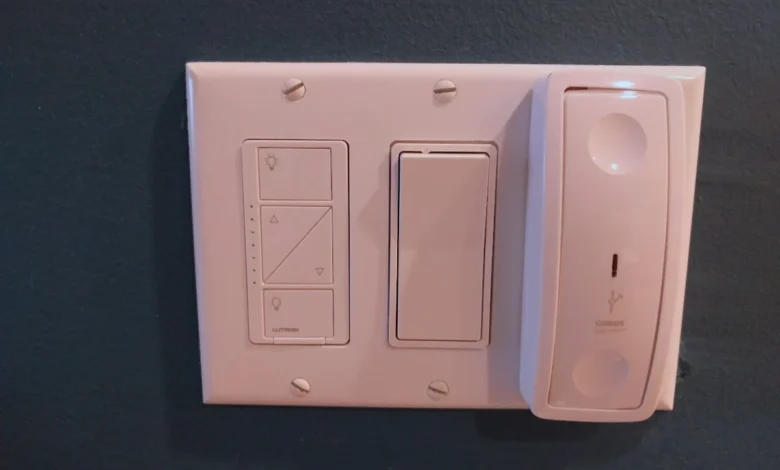
The ongoing relevance of the topics that the final episode deliberately chose not to cover underscores the dynamic nature of the IoT landscape. Arm’s planned IPO, for instance, highlights the immense financial value and foundational role of semiconductor design in powering billions of connected devices globally. Arm’s architecture is ubiquitous in edge devices, microcontrollers, and processors critical to IoT applications, making its public offering a bellwether for investment confidence in the underlying technology. Similarly, Brilliant’s new display options point to the continuous evolution of user interfaces and control mechanisms within the smart home, emphasizing the importance of intuitive interaction for broader consumer adoption. Leviton’s new smart circuit breakers and whole-home energy monitors signify a move towards deeper integration of smart technology into core home infrastructure, focusing on energy efficiency and system-level intelligence—a crucial step beyond mere gadgetry.
The industry is now grappling with challenges typical of mature technologies: not just what can be connected, but how to connect it securely, sustainably, and in a way that truly adds value. Issues of data governance, cybersecurity at scale, energy consumption of vast networks of devices, and the long-term maintainability of connected systems are paramount. The smart home, in particular, is moving towards ambient intelligence, where technology anticipates needs rather than merely responding to commands, further blurring the lines between infrastructure and device.
The departure of a prominent voice like "The Internet of Things Podcast" also prompts reflection on the evolving role of specialized journalism and podcasts in complex tech fields. As IoT becomes more integrated into broader tech narratives (AI, cloud computing, 5G), the demand for foundational, introductory content might shift towards more granular, specialized analysis, or content integrated within larger tech news platforms. This evolution reflects a natural progression, where initial evangelism and education give way to deeper specialization and integration.
The Legacy of Insight and Guidance
The enduring legacy of "The Internet of Things Podcast" will undoubtedly be its role as a consistent source of insight and guidance during a formative period for the IoT industry. For eight years, it served as a trusted companion for early adopters, developers, industry professionals, and curious listeners, helping them navigate the complexities of connected technologies. The podcast’s commitment to answering fundamental questions, such as "what makes a complete smart home" and "what future innovation will keep the industry moving forward," encapsulates its holistic approach. A complete smart home, as often discussed on the show, is not just about having many smart devices but about seamless interoperability, robust security, energy efficiency, and a user experience that genuinely simplifies life rather than complicates it. Future innovation, the hosts would often argue, hinges on advancements in AI, pervasive and resilient connectivity (like 5G and future iterations), enhanced security protocols, and sustainable power solutions that enable truly ubiquitous and low-maintenance IoT deployments.
The podcast’s contribution extended beyond mere reporting; it fostered a community, provided a platform for expert voices, and offered critical analysis that helped shape informed opinions. In a rapidly evolving sector prone to hype and fragmentation, the consistent, objective, and factual approach of the show provided a much-needed anchor. Its curated list of successor resources further reinforces this legacy, demonstrating a commitment to the audience’s continued enlightenment even as the hosts embark on new paths. The conclusion of "The Internet of Things Podcast" marks the end of an era for its creators and listeners, but the principles of informed analysis, critical thinking, and community engagement that it championed will continue to be vital as the Internet of Things continues its inexorable march into every facet of our lives.