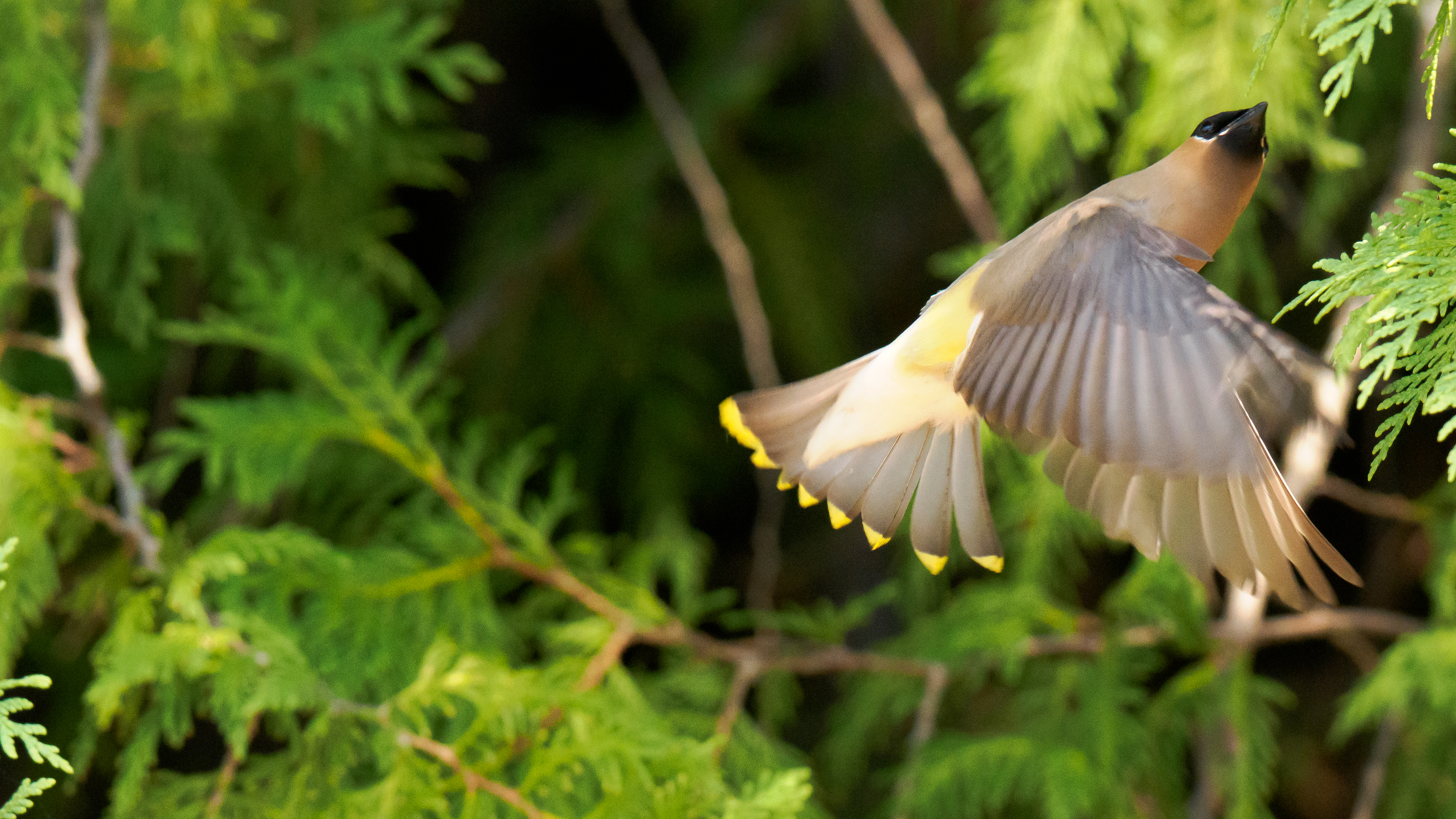
The quiet routine of a writer’s day was dramatically interrupted by a vibrant flash of movement just beyond the windowpane. What began as a fleeting glimpse transformed into an extraordinary wildlife encounter, as a flock of cedar waxwings descended upon a bounty of insects just outside a secluded cabin. This unexpected spectacle offered a rare and intimate opportunity for wildlife photography, showcasing the birds’ remarkable tolerance for human presence and their captivating aerial acrobatics.
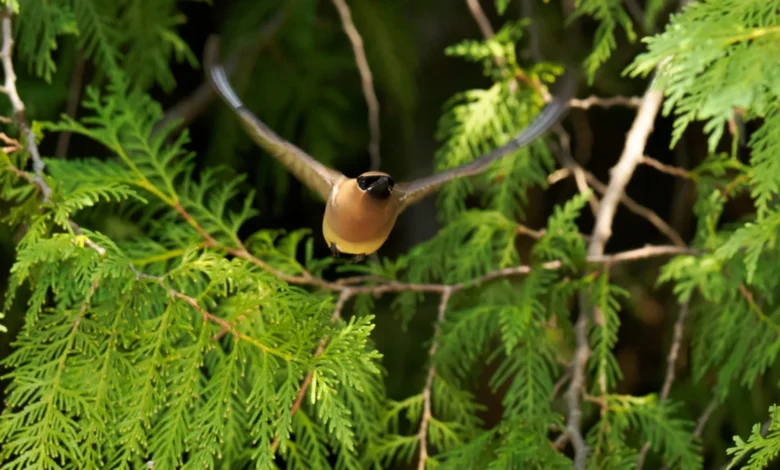
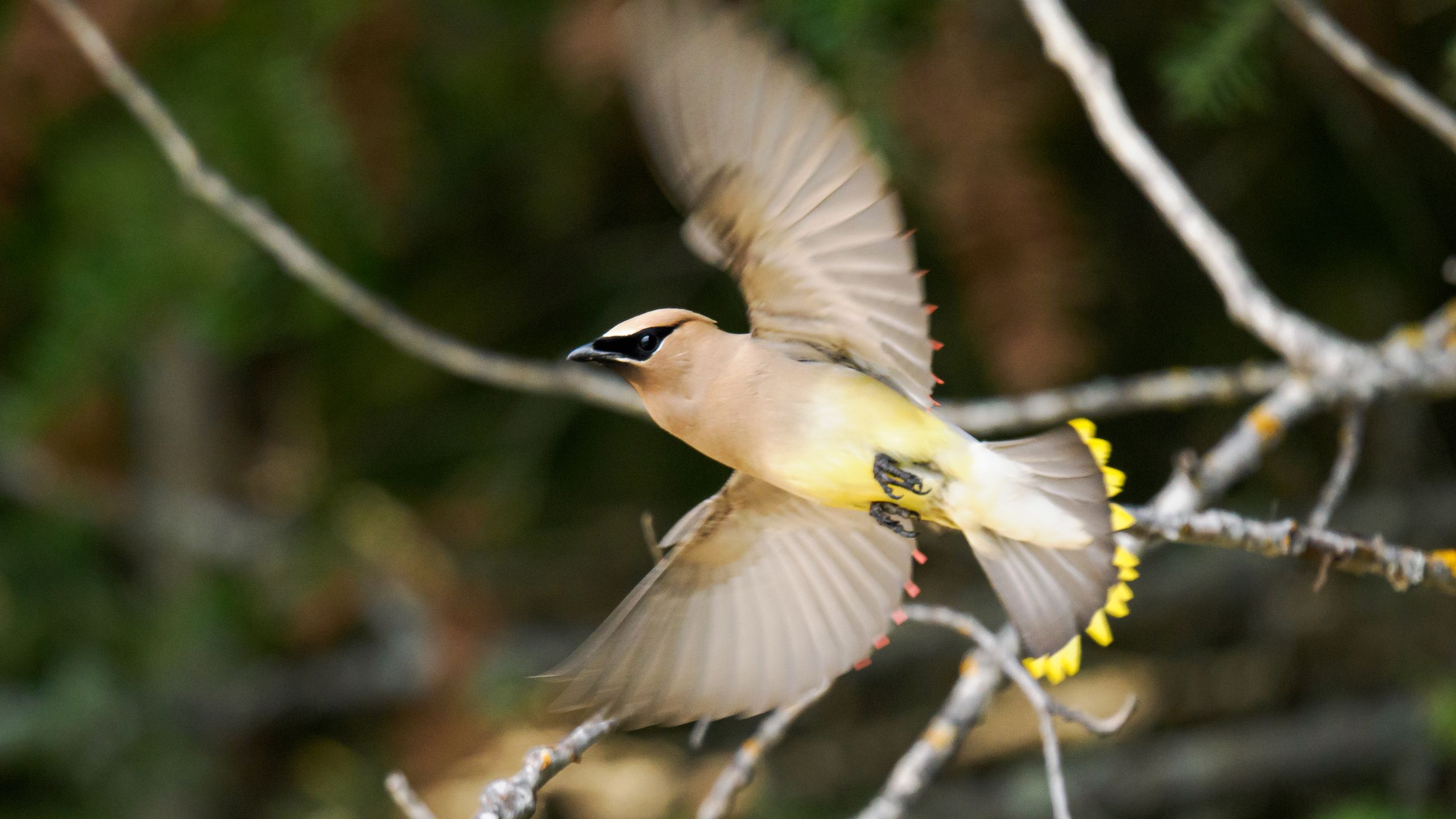
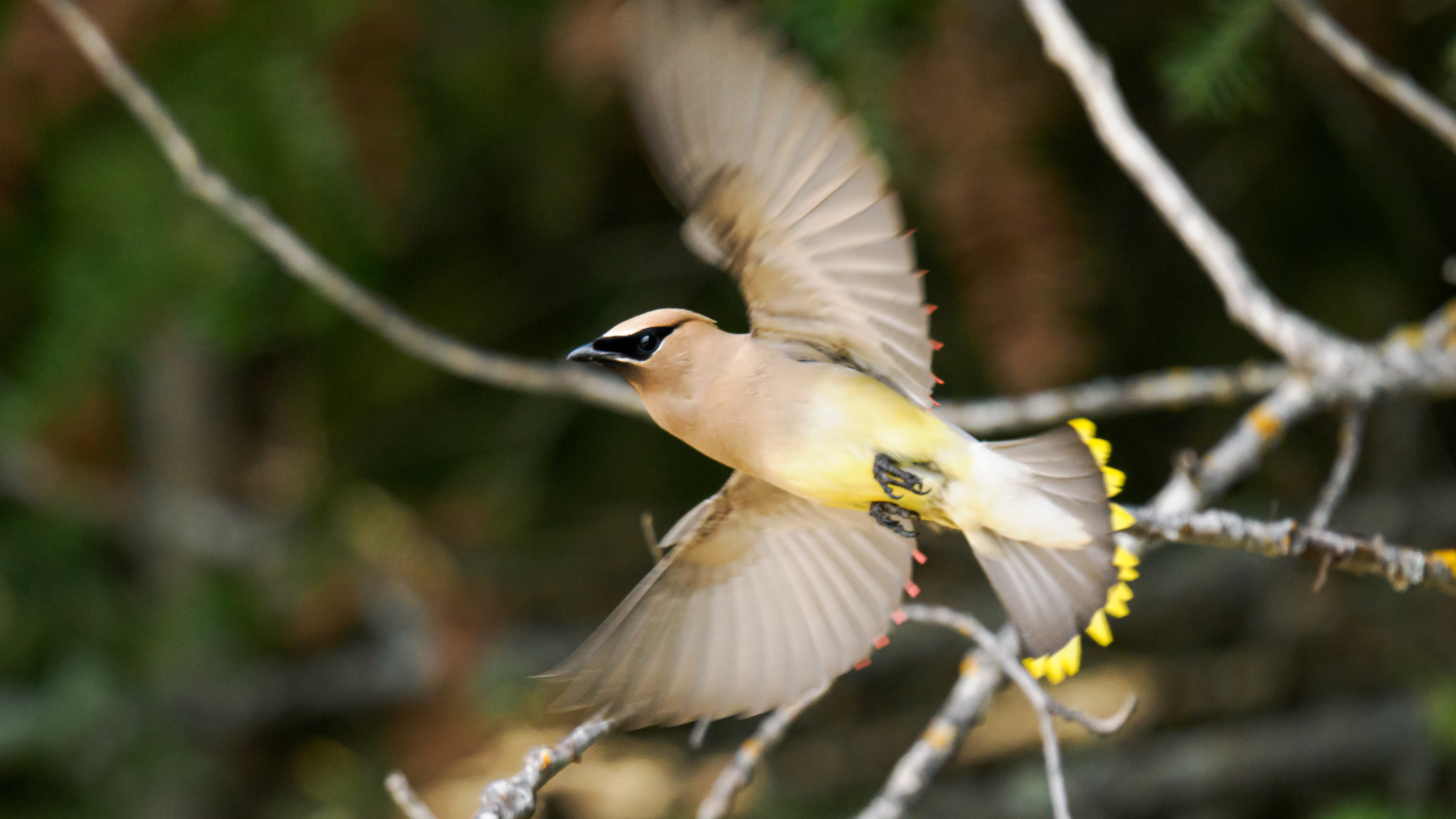
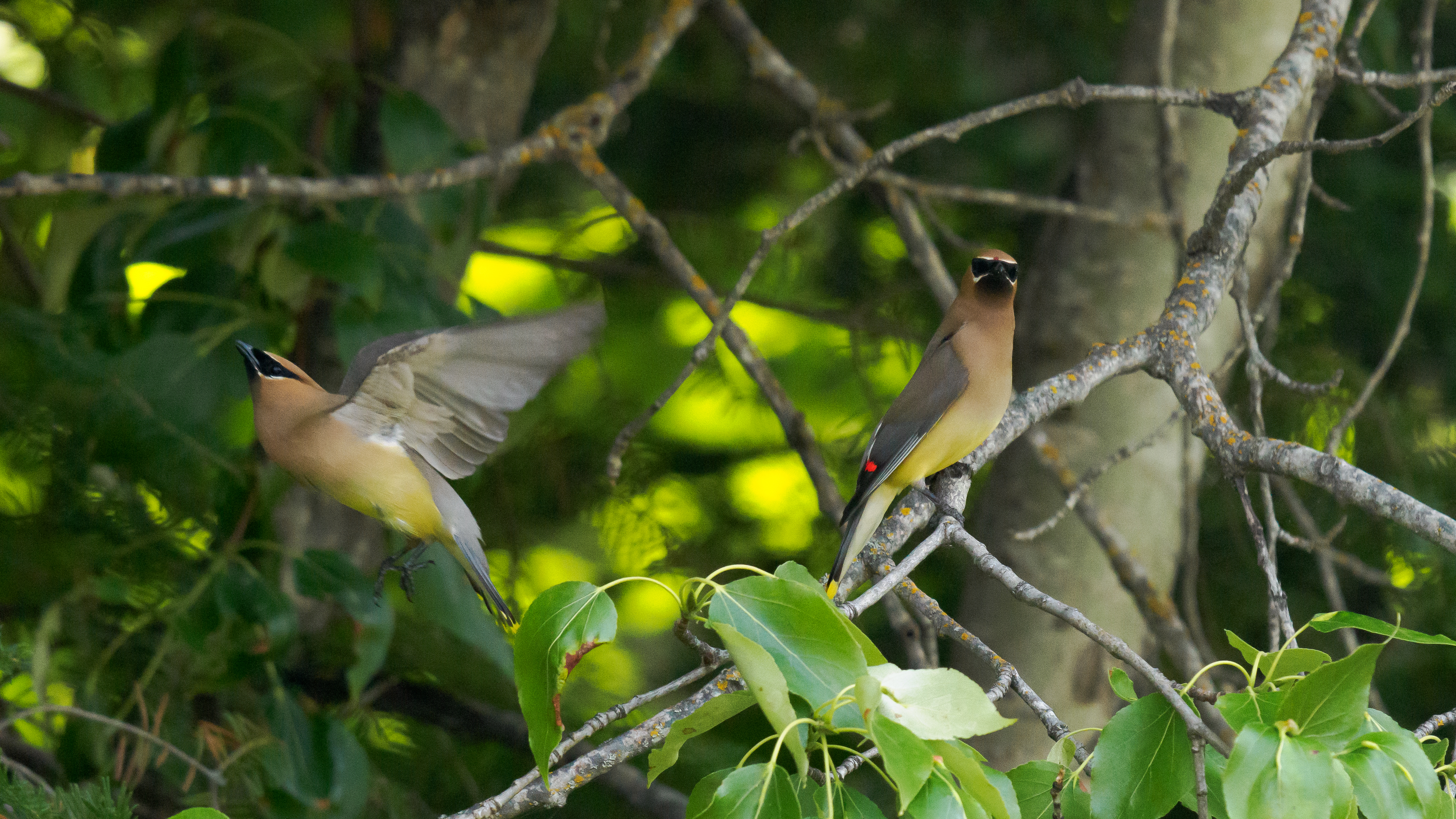
The photographer, Hillary K. Grigonis, described the moment as an almost instinctual reach for her wildlife photography gear. The cedar waxwings, renowned for their impossibly smooth, almost plastic-like wing feathers, exhibited an unusual lack of apprehension towards a human observer. This boldness allowed for close-range observation and photographic opportunities, with the birds darting and weaving through the air mere feet away, snatching moths, mayflies, and dragonflies in mid-flight.
The Allure of the Cedar Waxwing
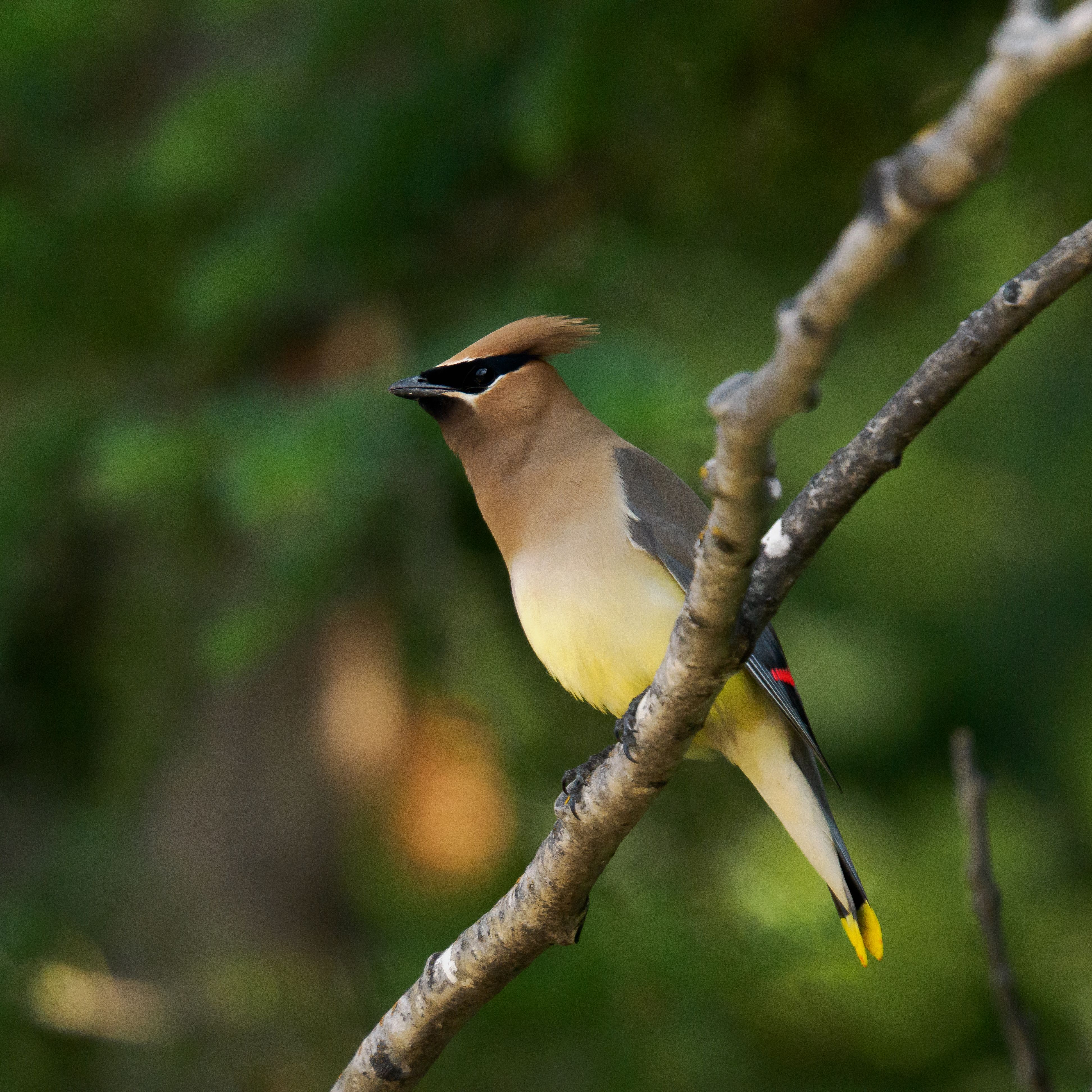
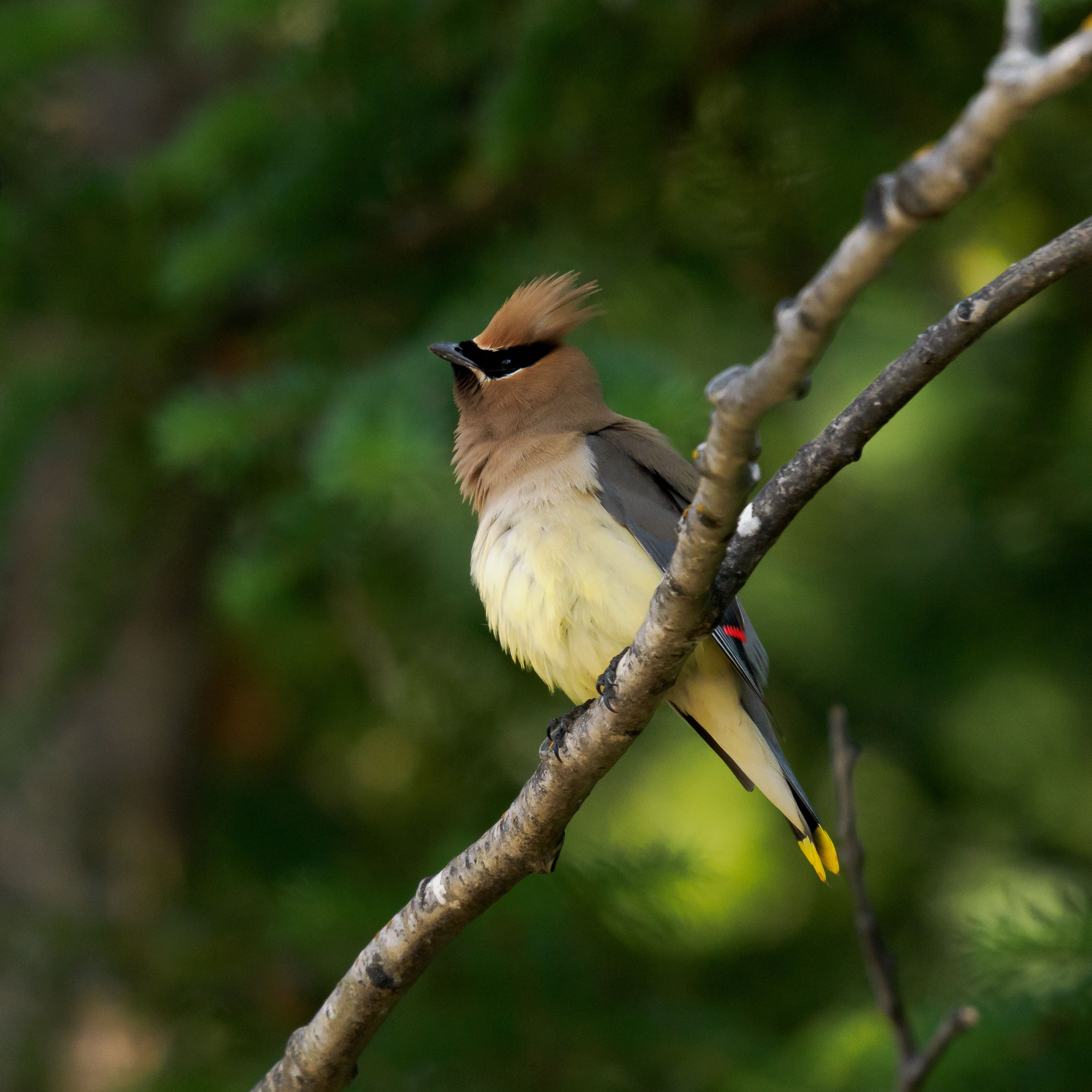
Cedar waxwings (Bombycilla cedrorum) are migratory songbirds native to North America. They are easily recognizable by their sleek, dark plumage, a black mask across their eyes, and distinctive waxy red tips on their secondary wing feathers, which give them their name. These birds are primarily frugivores, with a diet consisting mainly of berries, especially from species like juniper (cedar) and hawthorn. However, during the breeding season and at other times, they supplement their diet with insects, which they are adept at catching on the wing. This insectivorous behavior, as observed by Grigonis, is crucial for feeding their young.
The apparent fearlessness of these particular waxwings is noteworthy. While many wild birds can be skittish, factors such as abundant food sources, a lack of perceived threats in the immediate environment, and perhaps the individual disposition of the birds can contribute to their calm demeanor. For wildlife photographers, such situations are invaluable, offering a chance to capture intimate moments without the need for extensive camouflage or long periods of patient waiting.
The Accessibility of Bird Photography
Grigonis highlights a key advantage of bird photography: their ubiquity. Unlike the logistical challenges of photographing larger, more elusive mammals that often require international travel and significant planning, birds are present in a vast array of habitats, from bustling urban parks to remote wilderness areas. This makes bird photography an accessible pursuit for enthusiasts worldwide.
"Birds are the great equalizer in wildlife photography," Grigonis notes. "I can’t photograph a wild giraffe or monkey without a plane ticket. But, from the pigeons on a New York City apartment balcony to cardinals at a country bird feeder to puffins in the Arctic, birds are nearly everywhere." This accessibility democratizes wildlife photography, allowing individuals to engage with nature and hone their skills without prohibitive costs or extensive travel arrangements.
The Art of Spontaneous Wildlife Encounters
While many wildlife photographers meticulously plan their excursions, researching optimal locations and times for peak animal activity, Grigonis emphasizes the serendipitous nature of many compelling encounters. These unplanned moments, often occurring during everyday activities, can yield some of the most memorable and rewarding photographic opportunities.
"Sometimes, I plan my wildlife photo hikes – which I often use as a much-needed mental health break – well in advance," Grigonis explains. "I research the best spots and rearrange my schedule so that I can head out when wildlife tends to be the most active. But other times, wildlife photography opportunities present themselves when I least expect. I’ve often longed for my wildlife gear when spotting a bird that I haven’t photographed before in a grocery store parking lot."
This sentiment resonates with many photographers who have experienced the thrill of a sudden, unexpected wildlife sighting. The impulse to capture such moments, even without specialized equipment readily at hand, underscores the passion that drives wildlife photography. Grigonis recounts instances of spotting kestrels snatching prey or eagles emerging from fog, moments that are fleeting and often missed due to the lack of immediate access to a camera.
The Photographer’s Approach: Patience and Observation
Despite the unexpected nature of the cedar waxwing encounter, Grigonis was able to leverage the extended feeding period to her advantage. The birds remained engaged in their insect feast for over an hour, providing ample time for observation, strategic positioning, and the capture of action shots. While she may not have perfectly captured the birds swooping mid-air, the resulting photographs effectively documented their activity, including wings poised in flight and insects clutched in their beaks.
This patient approach, allowing the wildlife to dictate the pace of the interaction, is a hallmark of successful wildlife photography. It emphasizes observation and adaptability, rather than forceful attempts to control the situation. The presence of a bald eagle flying overhead during the waxwing feeding session further enriched the experience, adding another layer of natural spectacle to the event.
The Joy of Unexpected Success
The experience concluded with Grigonis returning indoors, her memory card full and a profound sense of satisfaction. The unexpectedness of the encounter, coupled with the quality of the photographic results, underscored a fundamental truth about wildlife photography: sometimes, the most rewarding shoots are those that are entirely unplanned.
"I walked back in the door, memory card bursting, and a smile plastered on my face – sometimes it’s the most unexpected photo shoots that bring the most joy," she concluded. This reflects a common sentiment among photographers who find deep fulfillment in connecting with nature and capturing its fleeting moments, regardless of the circumstances under which they arise.
Broader Implications for Wildlife Enthusiasts and Photographers
The encounter with the cedar waxwings serves as a potent reminder of the rich biodiversity that exists in our immediate surroundings, often unnoticed. It highlights the importance of staying observant and prepared, even during mundane activities. For aspiring wildlife photographers, it underscores that while planning can be beneficial, a receptive and observant mindset is equally crucial.
The accessibility of bird photography, in particular, offers a low barrier to entry for individuals seeking to engage with nature photography. With increasingly sophisticated and portable camera technology, including smartphones, capturing compelling images of local birdlife is more feasible than ever. This can foster a deeper appreciation for the natural world and encourage conservation efforts.
Furthermore, Grigonis’s perspective as a hobbyist photographer, balancing creative passions with professional life, speaks to the therapeutic and enriching qualities of pursuing photography as a personal endeavor. The mental health benefits of spending time in nature and engaging in creative pursuits are well-documented, and wildlife photography offers a unique intersection of these elements.
The story also subtly touches upon the ethics of wildlife photography. The waxwings’ lack of fear suggests they were not unduly stressed by Grigonis’s presence. Responsible wildlife photography always prioritizes the well-being of the animals, avoiding actions that could cause harm, stress, or habituation to human presence in a way that could be detrimental. In this instance, the photographer’s respectful distance and patient observation allowed for a mutually beneficial experience.
Essential Gear for Wildlife Photography
For those inspired by Grigonis’s experience and looking to embark on their own wildlife photography journeys, understanding the necessary equipment is key. While smartphone cameras have advanced significantly, dedicated wildlife photography often benefits from specialized gear.
- Cameras: DSLRs and mirrorless cameras with fast autofocus systems and high burst shooting rates are ideal for capturing fast-moving subjects. Crop sensor cameras can also offer an advantage by effectively increasing the focal length of lenses, bringing distant subjects closer.
- Lenses: Telephoto lenses are essential for wildlife photography. Zoom lenses in the range of 100-400mm or 150-600mm provide flexibility, while prime lenses (e.g., 400mm, 500mm, 600mm) often offer superior image quality and wider apertures for better low-light performance. Teleconverters can also extend the reach of existing lenses.
- Tripods and Monopods: For longer lenses and extended shooting sessions, tripods and monopods provide stability, reducing camera shake and allowing for sharper images, especially in lower light conditions.
- Camouflage and Silent Shooting: Depending on the species and environment, camouflage clothing can help blend into the surroundings. Many modern cameras also offer silent shutter modes, which are crucial for not disturbing wildlife.
- Memory Cards and Batteries: Wildlife photography can be demanding on equipment. High-speed, high-capacity memory cards and spare batteries are crucial to avoid missing key moments.
Grigonis’s advice to explore the best cameras for wildlife photography and the best lenses for bird photography, as highlighted in the article, provides a starting point for enthusiasts looking to invest in appropriate equipment.
In conclusion, the chance encounter with the cedar waxwings exemplifies the magic that can unfold when one is open to the wonders of the natural world. It’s a narrative of unexpected beauty, the accessible art of bird photography, and the profound joy derived from spontaneous moments of connection with wildlife.
Related posts: