Tecno Pova 8 5G Review: A Mid-Range Contender Redefining Battery Life and Notifications

The Tecno Pova 8 5G emerges as a notable entrant in the increasingly competitive mid-range smartphone market, distinguishing itself with an exceptionally large 8,000mAh battery, a novel Active Matrix display for notifications, and a suite of integrated AI features. While its robust build and extended endurance aim to captivate users seeking longevity and unique aesthetics, its performance and camera capabilities position it firmly within its affordable segment. This review delves into the device’s multifaceted offerings, its standing against rivals, and its overall value proposition.
Design and the Active Matrix Display: A Nod to Distinctiveness

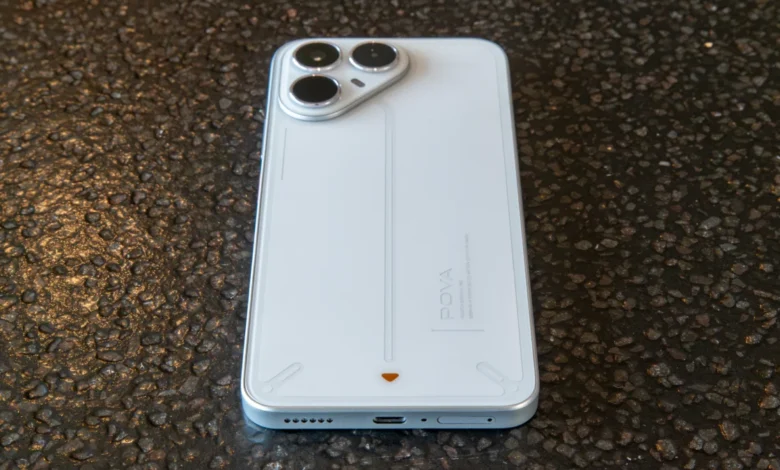
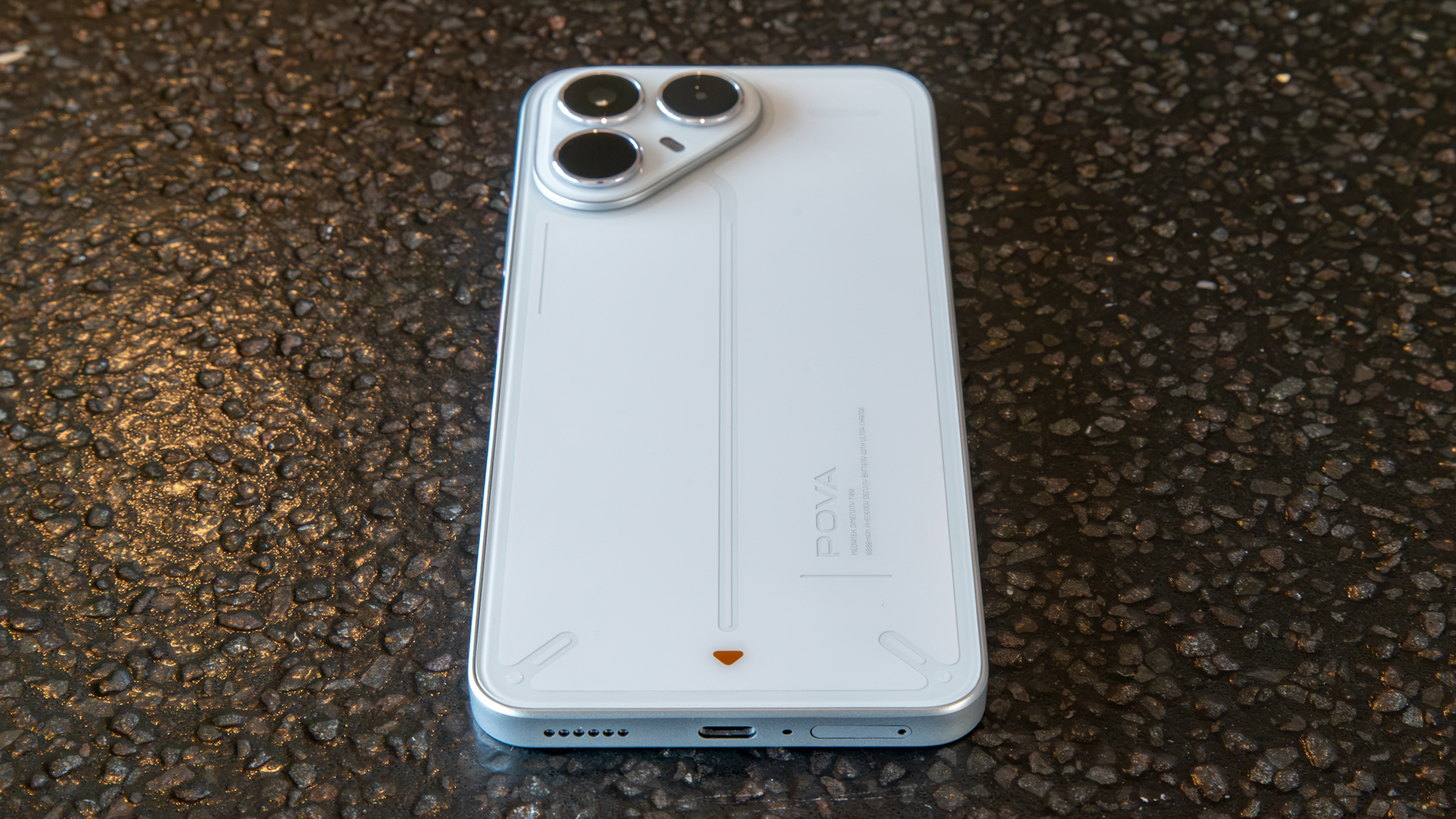
In an era where smartphone designs often converge into homogeneity, the Tecno Pova 8 5G endeavors to carve out a unique identity, drawing inspiration from contemporary trends while introducing a proprietary visual flair. The device’s physical presence is immediately noticeable, characterized by a substantial form factor measuring 165.7 x 78.5 x 8.8 mm and weighing 225g. This robust profile is a direct consequence of accommodating its colossal 8,000mAh battery, a trade-off that, for many users prioritizing endurance, will be well worth the added heft. Despite its thickness, which is comparable to devices like the Pixel 10 (which measures around 8.6mm), the Pova 8 5G manages to maintain a relatively ergonomic feel, particularly for a phone housing such a significant power cell.
A key design element is the "semi-transparent back cover" design, reminiscent of Nothing Phone models. While not as overtly intricate as the Glyph Interface seen on devices like the Nothing Phone 3, the Pova 8 5G’s Arctic White variant offers a sleek, subtle aesthetic. Other color options, including Graphite Black, Helios Orange, and Echo Green, feature a more pronounced visual identity. The triangular camera housing, which contains a single 50MP wide camera module despite its multi-component appearance, further contributes to its distinctive rear panel.
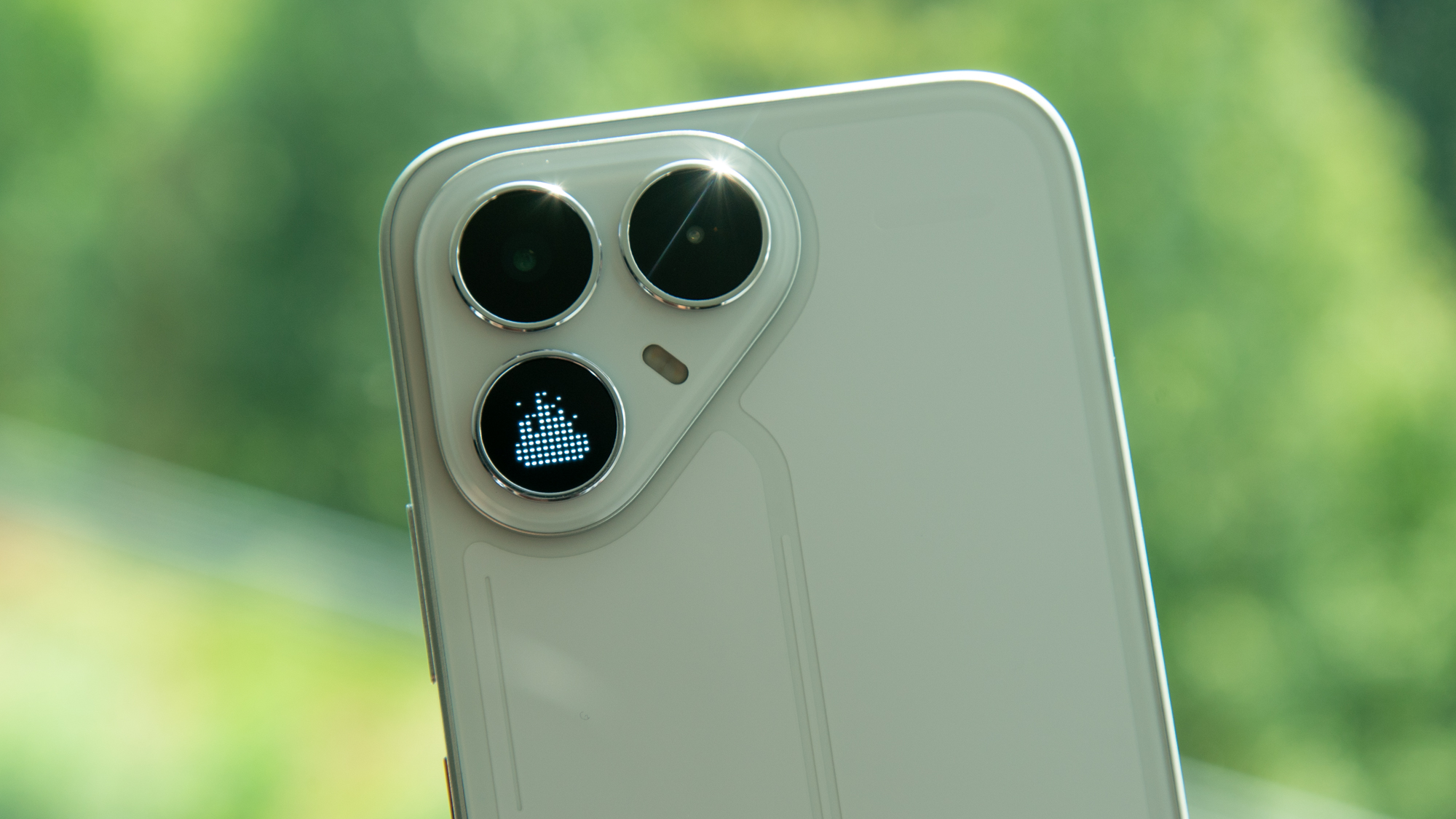
However, the true innovation lies beneath this design: the Tecno Pova 8 5G’s Active Matrix display. This feature, positioned below the camera module, reintroduces and elevates the concept of notification LEDs, a functionality many long-time smartphone users recall fondly. Unlike simple indicator lights, the Active Matrix display is an interactive and customizable panel that provides visual cues for various phone activities. It illuminates to signal incoming notifications from applications such as Instagram and Facebook Messenger, indicates charging status, displays a dynamic waveform when music is playing, and even flashes the time when the phone is placed face down.
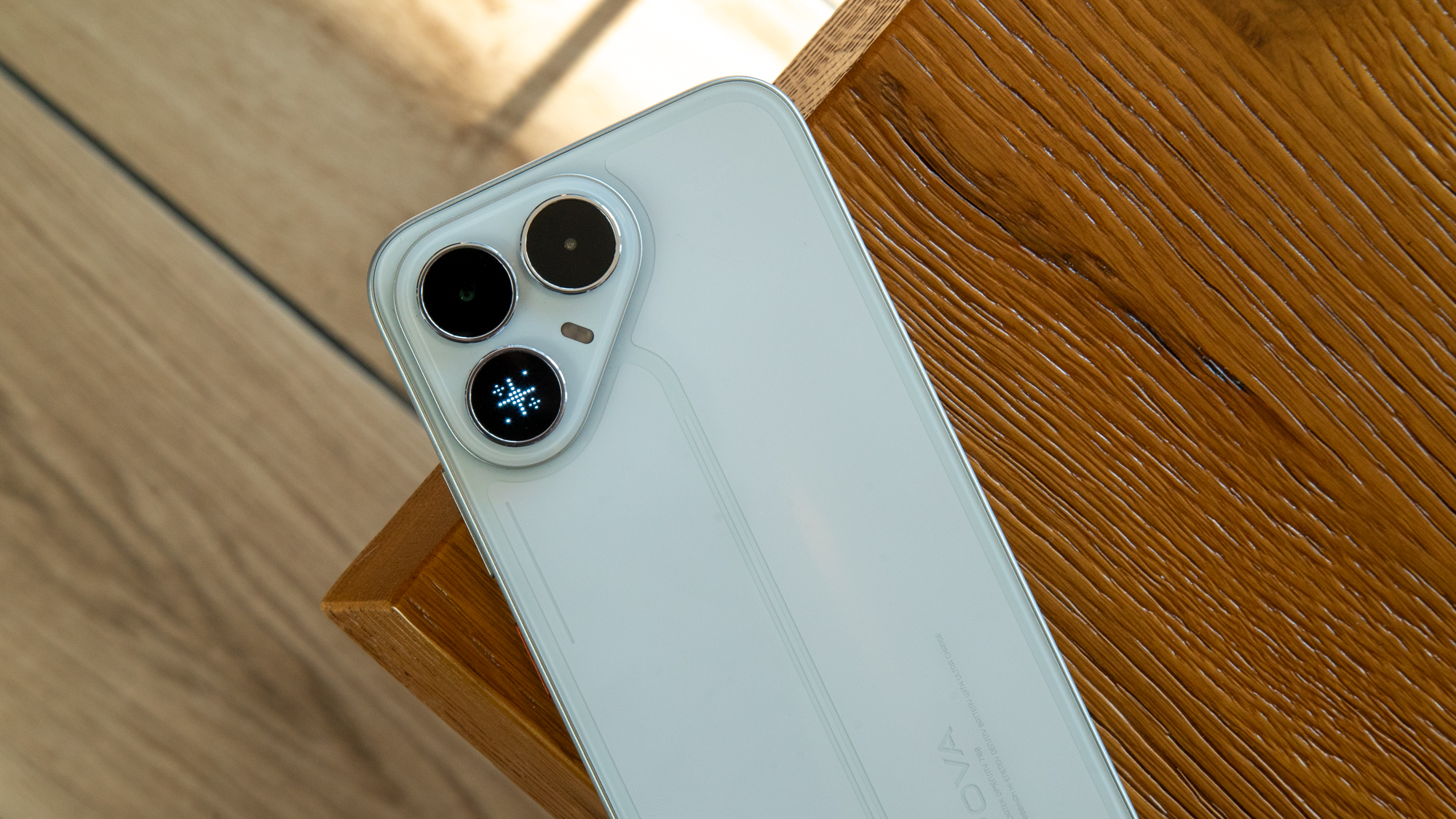
The customization options for the Active Matrix display are extensive, allowing users to select from pre-designed lighting effects or craft their own, with adjustable brightness and duration settings. This level of personalization empowers users to tailor the visual feedback to their preferences, enhancing both utility and aesthetic appeal. Public reception to this feature has been largely positive, with many observers expressing surprise and intrigue, highlighting its novelty and practical application in conveying information subtly. This feature provides the Pova 8 5G with a distinct character, setting it apart from the multitude of devices that often blend into the background. The re-emergence of such external notification systems, whether Tecno’s Active Matrix or Google’s rumored "Pixel Glow" for the upcoming Pixel 11, signals a broader industry recognition of the value in non-intrusive, glanceable information. This trend suggests a move towards more expressive and functional back panels, distinguishing devices beyond their front displays.
Performance and Software Experience: Balancing Power with Practicality
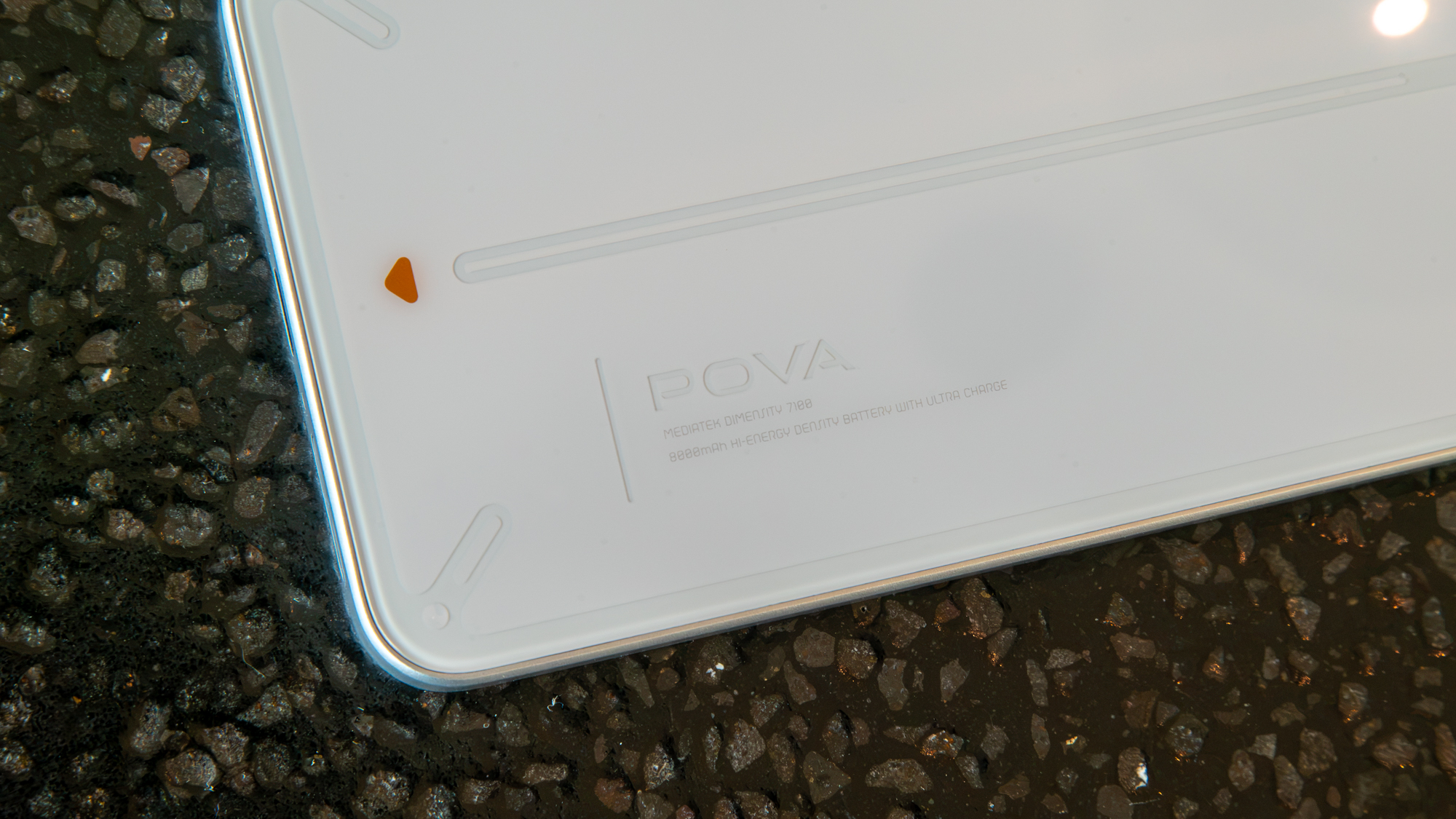
Underpinning the Tecno Pova 8 5G’s operation is the MediaTek Dimensity 7100 chipset, paired with either 6GB or 8GB of RAM and 256GB of internal storage. This configuration positions the device squarely in the mid-range segment, designed to offer a balance between cost-effectiveness and competent daily performance. The Dimensity 7100, part of MediaTek’s expanding portfolio of chipsets, has been engineered for efficiency and capable handling of mainstream applications, rather than raw flagship-tier power. MediaTek has significantly grown its market share in recent years by providing competitive chipsets for mid-range and budget devices, offering strong performance-per-dollar.
In practical, day-to-day usage, the Pova 8 5G delivers a surprisingly smooth user experience. Basic tasks such as web browsing, social media navigation, email management, and multimedia consumption are handled with reasonable fluidity. While demanding applications and graphics-intensive games may necessitate a reduction in settings for optimal performance, the phone generally manages gaming sessions "decently well." The slight delay in app launch times is characteristic of devices in this price bracket but does not significantly detract from the overall user satisfaction. The generous 8GB RAM variant, in particular, contributes to smoother multitasking and app retention in memory, aligning with modern smartphone expectations for responsive operation.
The software experience is further enhanced by Tecno’s proprietary HiOS 16, which is stated to be based on Android 16. It is important to note that Android 16 is a future iteration of Google’s operating system, typically associated with development cycles beyond the current public release (as of this writing, Android 15 is in developer preview). This designation either points to Tecno’s ambitious forward-looking software roadmap or represents a specific internal nomenclature for their customized Android build, potentially indicating future compatibility or an advanced internal build. Regardless, HiOS 16 introduces a unique "Vision Art-style" theme, characterized by an energetic orange and black color palette, lending the phone a distinct "gamer-style" aesthetic. This thematic approach extends to themed icons for many applications, including popular third-party apps, which, while initially feeling "a lot," tend to grow on users, contributing to the device’s cohesive visual identity. A convenient home screen widget allows for quick access and customization of the Active Matrix display settings.
Tecno has also heavily integrated Artificial Intelligence (AI) features into the Pova 8 5G, aligning with the industry’s growing focus on AI-driven functionalities. One notable feature is "YouTube Notes," an AI-powered tool that automatically generates a summary and highlights key timestamps whenever a YouTube video link is copied. This passive yet highly useful feature operates in the background, providing quick content overviews without user intervention, proving beneficial for students, researchers, or anyone needing quick digests of video content. Furthermore, the Gallery application includes AI image-editing tools designed to enhance photos by removing flares, shadows, and reflections, offering basic but effective post-processing capabilities.
The device also features "Ella," Tecno’s default AI chatbot. Ella can be activated with a simple double-tap on the navigation bar, a gesture that reviewers have praised for its intuitiveness and efficiency, suggesting it could be a valuable addition to other Android devices. Notably, users have the flexibility to switch Ella’s underlying AI model, choosing from options such as Google Gemini, Meta AI, Grok, and DeepSeek, offering a degree of choice in AI interaction that is not commonly found. Users can also set Gemini as their default AI assistant, accessible through standard Android gestures like swiping from the bottom corner or long-pressing the power button. This broad AI integration underscores Tecno’s commitment to delivering advanced software features, even in the mid-range segment, reflecting a broader industry push towards making AI accessible on more devices.
Display and Multimedia: A Smooth Visual Experience
The Tecno Pova 8 5G features a 6.76-inch FHD+ (1080 × 2344 pixels) LCD panel, distinguishing itself with a high refresh rate of 144Hz. While LCD technology typically offers less vibrant colors and lower contrast ratios compared to AMOLED displays found in higher-end or some competing mid-range devices, the Pova 8 5G’s panel still delivers a "decent" visual experience, primarily due to its sharp FHD+ resolution. The 144Hz refresh rate is a significant highlight, ensuring exceptionally smooth scrolling, fluid animations, and a more responsive feel during gaming and general navigation. This high refresh rate is a premium feature often reserved for more expensive gaming phones or flagships, making its inclusion at this price point a considerable advantage for users who value visual fluidity.
The large screen size provides ample real estate for media consumption, making it suitable for watching videos, browsing the web, and engaging with social media. While specific brightness levels were not detailed, an FHD+ LCD at 144Hz generally offers a comfortable viewing experience indoors and in moderately lit outdoor environments. The combination of a large, high-refresh-rate display and the integrated AI features like YouTube Notes suggests a device well-suited for content consumption and productivity tasks, enhancing the overall multimedia experience.
Battery Life and Charging: Unrivaled Endurance
Perhaps the most compelling feature of the Tecno Pova 8 5G is its colossal 8,000mAh battery. This capacity significantly surpasses the industry average, which typically hovers around 4,500mAh to 5,000mAh for most smartphones, and even exceeds the larger batteries found in many mid-range devices (often 5,000mAh to 6,000mAh). The primary implication of such a large battery is multi-day endurance, a claim validated by extensive testing, with the device easily lasting two full days on a single charge under moderate to heavy usage. Depending on individual usage patterns, it is plausible for users to extend this duration even further. This exceptional battery life addresses a critical pain point for many smartphone users: the constant need for recharging. For those who travel frequently, spend long hours away from power outlets, or simply desire peace of mind regarding battery longevity, the Pova 8 5G presents an almost unparalleled advantage in its class.

The trade-off for this impressive battery capacity is the phone’s "chonky" physical dimensions, particularly its 8.8mm thickness and 225g weight. However, for many users, the practical benefit of multi-day battery life outweighs the slight increase in bulk, especially considering that many devices with smaller batteries can be similarly thick.
When it comes to recharging, the Pova 8 5G supports 45W wired charging. While 45W is considered fast charging for many devices, especially those with smaller batteries (e.g., a 5,000mAh battery might charge to full in under an hour with 45W), its speed feels "relatively slow" when charging an 8,000mAh cell. A complete charge from empty will naturally take longer than with phones featuring smaller batteries and similar or even higher wattage charging. Nevertheless, the ability to rapidly top up such a large battery remains a practical benefit, offering a substantial amount of power in a relatively short charging session.
Adding another layer of utility, the device also features 10W reverse wired charging. This capability allows the Pova 8 5G to function as a power bank, providing emergency power to other devices such as earbuds, smartwatches, or even another smartphone. While not a "speed demon" for reverse charging, its presence is a significant convenience, leveraging the massive internal battery to assist other gadgets in a pinch, further enhancing the phone’s overall utility for power-conscious users and those carrying multiple devices.

Camera Performance: A Focused Approach with Limitations
The camera system on the Tecno Pova 8 5G adopts a minimalist approach, featuring a single 50MP wide rear camera and a 13MP wide front camera. In a market often saturated with multiple, sometimes superfluous, camera lenses, Tecno has opted to focus on a primary sensor. While this strategy can yield better results from a single, well-optimized sensor compared to multiple low-quality ones, it inherently limits photographic versatility.
Under optimal lighting conditions, the 50MP main camera is capable of capturing "decent contrast and color reproduction." Photos taken in bright environments can appear vibrant and generally pleasing. However, a common observation is a "bit of fuzziness in the images," resulting in some loss of fine detail. This characteristic suggests that while the sensor can capture sufficient light and color, the image processing might not fully resolve intricate textures or sharpness, leading to a slightly softer overall look. This can be a common challenge for mid-range cameras, where advanced computational photography often requires more powerful chipsets.
The absence of additional lenses, such as an ultrawide or a dedicated telephoto, means users are largely confined to the primary 50MP sensor for most shots. While the device offers a "2x lossless zoom" feature, likely achieved through cropping the high