Sparking Young Creativity: Choosing the Right Used Camera for Aspiring Photographers

For parents, educators, and mentors seeking to ignite a passion for photography in children, the journey often begins with the gift of a camera. Selecting the right tool is paramount, as it can significantly impact a child’s learning experience and their ability to capture the world around them with ease and inspiration. While new camera technology often comes with a hefty price tag, the used camera market presents a treasure trove of capable, reliable, and affordable options that are perfectly suited for young beginners. These older models, when chosen wisely, offer robust features and image quality that can still compete with many contemporary entry-level devices, providing a solid foundation for developing photographic skills. This guide explores a selection of such cameras, focusing on their capabilities and suitability for fostering creativity in the next generation of visual storytellers.
The Allure of the Used Camera Market for Youth Photography
The digital photography landscape has evolved at a breathtaking pace, leading to a constant influx of newer, more advanced models. This rapid progression, however, has a beneficial side effect for budget-conscious consumers and those looking for secondary or beginner-friendly equipment: the depreciation of older, yet still highly functional, cameras. For children, the emphasis should be on ease of use, durability, and the ability to produce satisfying results that encourage further exploration. Complex menus, overwhelming feature sets, and delicate construction can be deterrents. Instead, cameras that offer intuitive controls, rugged builds, and excellent image quality in forgiving conditions are ideal.
The used market offers access to professional-grade or enthusiast-level cameras from previous generations at fractions of their original cost. These cameras often boast superior build quality, more comprehensive feature sets, and a tactile experience that can be more engaging for a beginner than a purely smartphone-based approach. Furthermore, the opportunity to experiment with different lens types and photographic techniques is often more accessible with these older systems.
Olympus OM-D E-M5: A Micro Four Thirds Marvel for Young Explorers
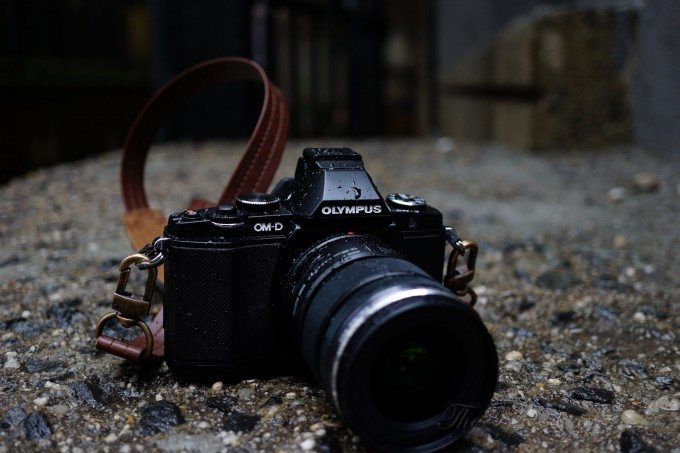
The Olympus OM-D E-M5, a Micro Four Thirds mirrorless camera, stands out as an exceptional choice for introducing children to photography, particularly for its blend of advanced features presented in a user-friendly package. Launched in early 2012, this camera was lauded for bringing professional-grade features to a more compact and accessible form factor. Its 16.1-megapixel Micro Four Thirds sensor delivers images with excellent detail and vibrant colors, often reminiscent of classic film stocks like Kodak Portra and Fuji Pro400, a characteristic that can lend a timeless aesthetic to a child’s early work. This "film-like" rendering is a significant draw for aspiring photographers looking for a distinct visual style.
One of the standout features of the E-M5 for beginners is its incredibly fast and accurate autofocus system. The ability to quickly acquire and track focus ensures that children can capture fleeting moments without frustration, a crucial element in maintaining their engagement. The inclusion of a touchscreen interface further enhances usability, allowing for intuitive focus selection and menu navigation. For younger users still developing their fine motor skills, this direct interaction can be more forgiving than traditional button-based controls.
The camera’s 9.2 frames per second (fps) high-speed sequential shooting capability is another significant advantage. This allows children to capture a burst of images, increasing the likelihood of obtaining a sharp, well-composed shot of a fast-moving subject, be it a pet, a sporting event, or a child in motion. This feature can be particularly beneficial for understanding motion and timing in photography.
Furthermore, the E-M5’s 5-axis image stabilization system is a testament to its sophisticated engineering. This built-in stabilization compensates for camera shake, enabling children to take sharper photos in lower light conditions or when using slower shutter speeds without the need for a tripod. This expands the range of shooting scenarios they can confidently tackle, fostering greater creative freedom.
The camera’s robust build quality, including weather sealing, means it can withstand the rigors of outdoor adventures and accidental spills, common occurrences with younger users. This durability provides peace of mind for parents and guardians, ensuring the camera can endure enthusiastic exploration. The E-M5’s compatibility with older M.Zuiko lenses and a wide array of other Micro Four Thirds lenses, often available at reasonable prices on the used market, also offers a pathway for expanding their photographic toolkit as their skills develop.
Nikon D700: A Full-Frame Workhorse for Versatile Learning
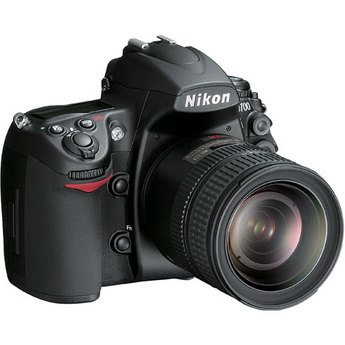
For a slightly more substantial and versatile learning experience, the Nikon D700 presents a compelling option. Introduced in 2008, this full-frame DSLR camera was a benchmark for professional and advanced amateur photographers, and its capabilities remain highly relevant for aspiring young photographers looking to delve into the nuances of digital imaging. While larger and heavier than the Olympus E-M5, its robust construction is a significant advantage in terms of durability.
The D700 features a 12.1-megapixel full-frame CMOS sensor, which was renowned for its excellent image quality and impressive high ISO performance for its time. Its ISO range extends up to 12,800, meaning children can experiment with shooting in a variety of lighting conditions, including dimly lit indoor environments, without the images becoming overly noisy. The camera’s ability to produce clean images up to ISO 6400 is particularly noteworthy and allows for a greater degree of creative flexibility.
The autofocus system on the Nikon D700 is exceptionally capable, providing fast and accurate focusing that can track subjects effectively, even in challenging daylight conditions. While it may not possess the sheer speed of some newer mirrorless cameras, its reliability and precision are more than adequate for most beginner applications. The camera’s manual focus assist features, combined with its responsive controls, can also serve as valuable teaching tools for understanding composition and focus accuracy.
A significant advantage of the D700 for learning is its exceptional RAW file handling. RAW files contain a wealth of image data, allowing for extensive post-processing and recovery of details in both highlights and shadows. This feature is invaluable for children who are beginning to explore photo editing, providing them with a forgiving canvas to learn about exposure adjustments, color correction, and detail enhancement. The ability to easily recover details from RAW files can significantly boost a child’s confidence and encourage experimentation with editing software.
The D700’s versatility means it can handle virtually any photographic genre, from portraiture and landscapes to sports and events. This broad applicability allows a young photographer to explore various interests and discover their preferred style without being limited by the camera’s capabilities. Its professional-grade build quality ensures it can withstand the enthusiastic handling that often accompanies a child’s learning process. The vast array of Nikon F-mount lenses available on the used market further enhances its appeal, offering a wide range of focal lengths and creative possibilities at accessible price points.
Canon EOS 6D: A Full-Frame Gateway to Image Excellence
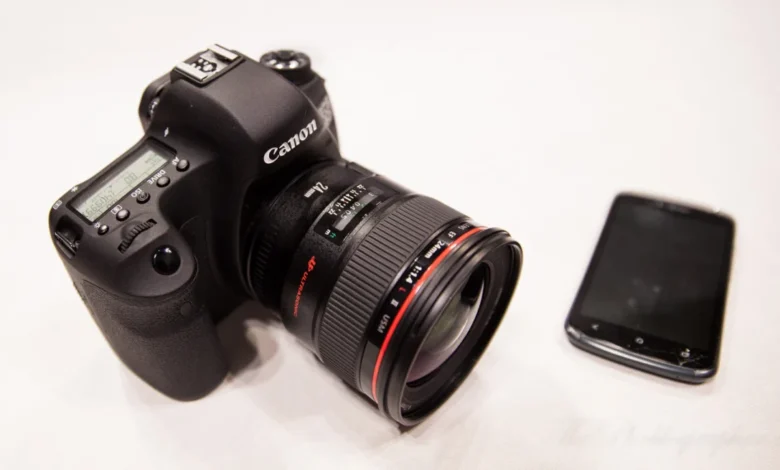
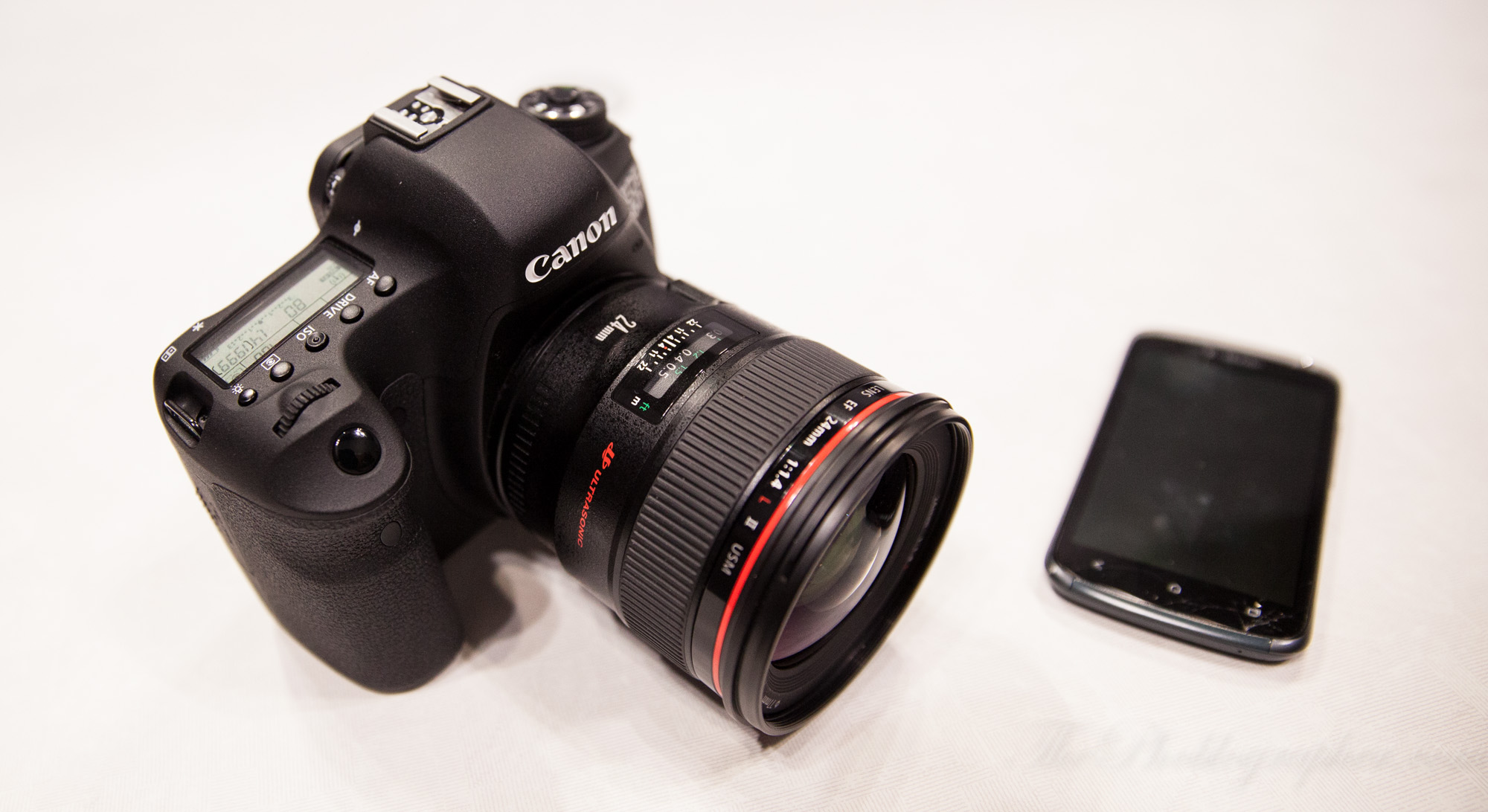
The Canon EOS 6D, released in late 2012, offers another compelling full-frame option for young photographers seeking high-quality imaging and a taste of professional-level control. This camera was positioned as Canon’s entry-level full-frame DSLR, making it a more attainable option than its higher-end siblings while still delivering exceptional image quality.
At its heart, the 6D boasts a 20.2-megapixel full-frame CMOS sensor, which produces images with superb detail, excellent dynamic range, and beautiful color reproduction. The colors rendered by the 6D are often described as pleasing and natural, a characteristic that can be very appealing to beginners. Its high ISO performance is also a strong suit, providing clean and usable images even in low-light scenarios.
The camera’s interface features a thoughtful layout of buttons and dials, providing direct access to key settings. This tactile control is beneficial for learning, as it encourages a deeper understanding of photographic parameters like aperture, shutter speed, and ISO. While its autofocus system has 11 focus points, with one being a highly sensitive cross-type sensor in the center, it is accurate and reliable, especially when focusing on a central subject. The 6D’s ability to focus accurately in low light, even with its center point, makes it a capable tool for indoor photography and evening shoots.
Canon’s RAW files are renowned for their flexibility in post-processing, and the 6D is no exception. The substantial amount of data captured in its RAW files allows for significant adjustments to exposure, white balance, and color, providing ample room for young photographers to experiment and learn the art of image manipulation. The lovely color science inherent in Canon cameras further contributes to the appeal of its output, often requiring less intensive editing to achieve pleasing results.
The build quality of the Canon 6D is solid, offering a durable and comfortable grip. While not as extensively weather-sealed as some higher-end models, it is robust enough for general use and moderate outdoor conditions. The availability of a wide range of Canon EF lenses on the used market, from versatile zooms to specialized primes, allows for significant creative exploration as a child’s photographic interests mature. The 6D represents a fantastic opportunity to learn on a full-frame camera without the prohibitive cost of newer models, offering a pathway to developing advanced photographic techniques and a refined aesthetic.
Considerations for Selecting a Used Camera for Children
When venturing into the used camera market for a child, several factors should be carefully considered to ensure a positive and productive experience:
- Ease of Use and Ergonomics: The camera should feel comfortable in a child’s hands and have intuitive controls. Buttons and dials should be easily accessible and clearly labeled. Menus should be straightforward, avoiding overly complex or nested options.
- Durability and Build Quality: Children can be less careful with equipment. Opting for cameras with robust construction, metal chassis, and some level of weather resistance can significantly extend the camera’s lifespan.
- Image Quality: While advanced features are secondary to usability, good image quality is essential for maintaining motivation. A camera that produces sharp, colorful, and reasonably noise-free images will be more rewarding to use.
- Lens Availability and Cost: For interchangeable lens cameras, the availability and cost of additional lenses are crucial. The Micro Four Thirds and Canon EF/Nikon F mounts have extensive used lens markets, offering a wide range of options at various price points.
- Battery Life: Long battery life is beneficial, especially for extended outings or when charging facilities are limited. Many older DSLRs have excellent battery performance.
- Condition and Reliability: When purchasing used, it is vital to inspect the camera thoroughly. Look for signs of significant wear and tear, check the shutter count if possible, and ensure all functions are working correctly. Buying from reputable dealers or individuals with good return policies can mitigate risks.
- Learning Curve: Consider the intended learning trajectory. A mirrorless camera like the Olympus E-M5 might offer a more modern interface, while a DSLR like the Nikon D700 or Canon 6D can provide a more traditional and tactile photographic experience, which some find more conducive to understanding core concepts.
The Broader Impact: Cultivating a Lifelong Skill
Introducing children to photography is more than just providing them with a gadget; it is an investment in their creative development and a pathway to fostering critical observation skills. Photography encourages children to look at the world more closely, to notice details, light, and composition that might otherwise go unnoticed. It teaches them patience, as they wait for the right moment or adjust their settings to achieve the desired effect.
The ability to document their experiences, express their unique perspective, and tell stories through images is a powerful form of self-expression. Furthermore, the process of learning to use a camera, understand its settings, and potentially edit their work can build confidence and problem-solving abilities. The used camera market democratizes this experience, making high-quality tools accessible to a wider audience and ensuring that financial constraints do not become a barrier to nurturing burgeoning artistic talent. By carefully selecting a suitable used camera, we can empower children to embark on a visual journey that can lead to a lifelong appreciation and practice of photography.