OM System Dominates Flickr’s Top Cameras List, Challenging Full-Frame Hegemony

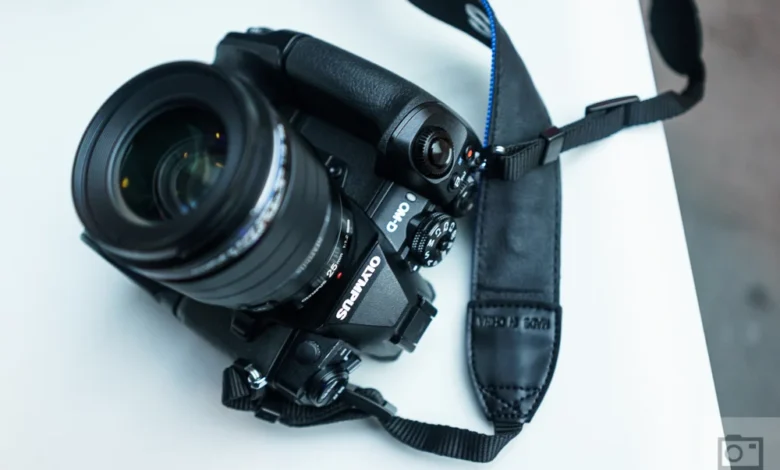
A recent analysis of user data by Flickr has placed OM System cameras in an unexpectedly prominent position within the platform’s top 10 most used cameras, a significant achievement that sees the brand as the sole manufacturer with two models featured. This placement is particularly noteworthy as it occurs amidst a landscape often dominated by full-frame sensor cameras, suggesting a growing appreciation for the capabilities and value offered by OM System’s Micro Four Thirds (MFT) offerings. The inclusion of not one, but two OM System cameras on this prestigious list prompts a deeper examination of the specific models and the compelling reasons behind their widespread adoption by photographers on one of the world’s largest photo-sharing platforms.
The revelation, published on the official Flickr blog, highlights a shift in photographer preferences, moving beyond traditional sensor size metrics to consider factors such as performance, durability, and innovative features. This underscores a broader trend in the photography industry where specialized systems are carving out significant market share. The OM System’s dual presence on this list signifies a successful strategy in catering to a diverse range of photographic needs, from demanding professional applications to enthusiast-level pursuits.
The Enduring Appeal of the Olympus OMD E-M1 Mk II
Among the standout performers is the Olympus OMD E-M1 Mk II, a camera that continues to impress years after its initial release. Equipped with a 20-megapixel Four Thirds sensor, the E-M1 Mk II has established itself as a robust tool, particularly for wildlife photographers who demand speed, reliability, and resilience. Its design is a testament to professional usability, featuring an array of customizable buttons, a highly versatile articulating LCD screen, and exceptional weather sealing. This durability was famously demonstrated by the publication’s own editor, who subjected the camera to water submersion, proving its ability to withstand rigorous environmental conditions – a crucial attribute for any camera intended for outdoor use.
Beyond its rugged construction, the autofocus system of the E-M1 Mk II is frequently cited as a key differentiator. While not always matching the absolute speed of some top-tier full-frame competitors for extremely fast, erratic subjects, it offers remarkable reliability, especially in challenging low-light scenarios. A review noted that while tracking fast-moving subjects like running animals can be a challenge, its ability to acquire and maintain focus in dimly lit environments is "exceptional." This capability is crucial for photographers who frequently work during dawn, dusk, or in dense forest canopies. The system’s performance was lauded as superior to many other mirrorless systems at the time of its release, a testament to Olympus’s engineering prowess in autofocus technology.
The image quality produced by the E-M1 Mk II, despite its smaller MFT sensor, is consistently praised. The camera delivers pleasing color depth and a respectable dynamic range, which can be further managed through careful exposure techniques. At higher ISO sensitivities, noise is well-controlled, typically only becoming apparent upon close pixel-peeping. This combination of robust build, advanced autofocus, and commendable image quality led to the E-M1 Mk II receiving an Editor’s Choice Award, solidifying its position as a highly recommended camera. Furthermore, its competitive pricing, often found under $700 in recent years, makes it an even more attractive proposition for photographers seeking professional-grade performance without the premium cost associated with full-frame systems. This value proposition is a significant factor in its enduring popularity on a platform like Flickr, where a vast community of users shares their work and experiences.
The OM System OM-1: A Leap Forward in MFT Technology
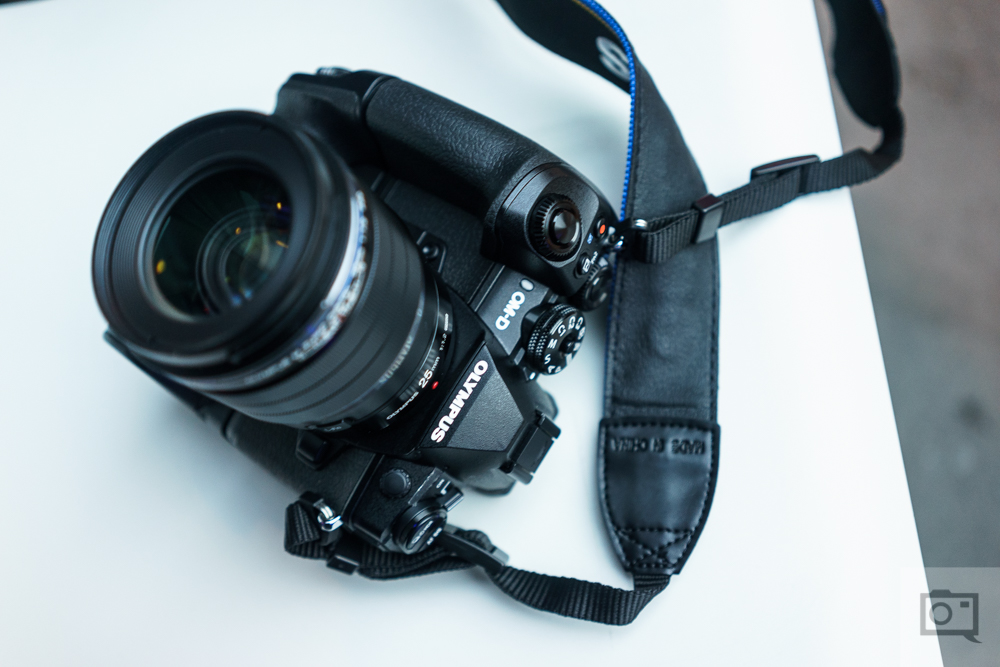
Representing a more recent iteration of OM System’s commitment to innovation is the OM System OM-1. This camera also features a 20-megapixel Micro Four Thirds sensor but introduces several significant advancements that elevate its performance and user experience. The inclusion of a responsive touchscreen, comparable to those found on Canon’s leading models, enhances usability and facilitates quicker adjustments and navigation. A key technological leap is its adoption of the BLX-1 battery, which provides extended shooting durations, a critical factor for professionals and enthusiasts engaged in long shoots or travel.
The OM-1 boasts an impressive IP53 weather sealing rating, further reinforcing its suitability for extreme conditions, and offers groundbreaking shooting capabilities, including 120 frames per second (fps) continuous shooting with single autofocus. This high-speed capability is invaluable for capturing fleeting moments in sports, wildlife, and action photography. One of the most remarkable features highlighted is its advanced image stabilization, which has been demonstrated to allow for sharp handheld shots at shutter speeds as slow as 13 seconds. This level of stabilization is virtually unheard of and opens up new creative possibilities for long exposures without the need for a tripod, even in challenging lighting.
Innovative shooting modes further distinguish the OM-1. The Live Composite mode, for instance, is designed to capture light trails from stars or fireworks with remarkable clarity, a feature that photographers have successfully utilized even in urban environments like New York City. Similarly, the Live ND function simulates the effect of a neutral density filter, allowing for long exposures during daylight without the need for external accessories, thus simplifying the shooting process. The High-Res Shot mode, which combines multiple exposures to create a significantly higher resolution image, caters to photographers who require exceptional detail for large prints or extensive cropping.
The autofocus system has also seen substantial improvements, with advanced subject detection algorithms capable of recognizing humans and, with software updates, birds with remarkable accuracy. Reviews have detailed how enabling "Bird AI" mode dramatically increases the hit rate for capturing sharp images of avian subjects. The camera’s ability to automatically search the scene and identify birds for focus, combined with its improved continuous autofocus capabilities, makes it a formidable tool for wildlife photography. The addition of Animal AF and Vehicle AF further expands its tracking prowess, making it a versatile camera for a wide array of demanding photographic genres.
While the OM-1’s JPEG output is often described as excellent straight out of the camera, providing vibrant colors and pleasing tones, the RAW files, while capable, may not always match the latitude offered by some Fujifilm or full-frame cameras. Photographers often find themselves relying on the camera’s built-in JPEG processing for optimal results. Nevertheless, the high ISO performance remains remarkably clean for an MFT sensor, further enhancing its appeal for low-light shooting. Like its predecessor, the OM-1 has also garnered an Editor’s Choice Award, underscoring its status as a top-tier camera that warrants serious consideration by photographers seeking cutting-edge technology and exceptional performance.
Context and Implications of OM System’s Rise
The prominence of OM System on Flickr’s list is not an isolated incident but rather a reflection of the evolving camera market and the strategic positioning of the OM System brand (which inherited the Olympus camera division). For years, the narrative in photography has often centered on the pursuit of larger sensors, particularly full-frame, as the ultimate benchmark for image quality. However, advancements in sensor technology, image processing, and lens design for smaller sensor formats have significantly narrowed this gap, especially for specific applications.
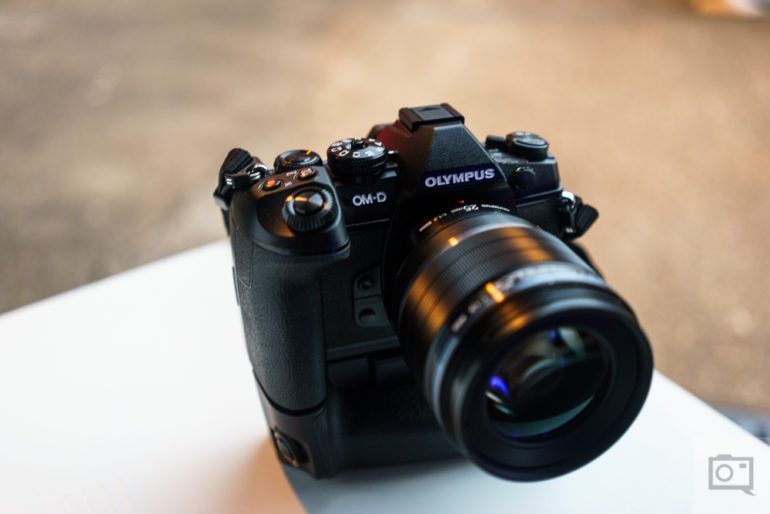
The Micro Four Thirds system, a joint venture between Olympus and Panasonic, has consistently pushed the boundaries of what MFT cameras can achieve. Its inherent advantages, such as smaller and lighter camera bodies and lenses, deeper depth of field at equivalent apertures compared to full-frame, and often more affordable system costs, have made it an attractive alternative. The ability to pack advanced features and robust performance into these compact systems has resonated with a growing segment of the photographic community.
Flickr, with its extensive user base and data collection capabilities, provides a valuable barometer of real-world camera usage. The fact that photographers are actively choosing and extensively using OM System cameras on such a platform suggests a tangible performance advantage and user satisfaction that transcends mere specifications. This inclusion likely stems from a combination of factors:
- Performance in Niche Areas: OM System cameras excel in areas like weather sealing, stabilization, and high-speed shooting, which are critical for genres like wildlife, sports, and adventure photography.
- Value Proposition: The MFT system often offers a more cost-effective entry into high-quality photography, allowing photographers to invest in a wider range of lenses and accessories.
- Innovation: OM System has consistently introduced innovative features, such as advanced computational photography modes and sophisticated autofocus systems, that enhance the creative and practical capabilities of their cameras.
- Brand Loyalty and Evolution: The transition from Olympus to OM System has been managed with a focus on maintaining and building upon the strengths of the previous brand, fostering loyalty among existing users and attracting new ones.
The implications of this trend are significant. It challenges the long-held perception that full-frame is the only path to professional-grade photography. It indicates that specialized systems, optimized for specific needs, can compete effectively and even surpass larger sensor systems in certain aspects. For consumers, this competition fosters greater choice and innovation across all market segments. It suggests that photographers should evaluate camera systems based on their specific requirements and shooting style rather than solely on sensor size.
The consistent recognition of OM System cameras, including their receipt of Editor’s Choice Awards from reputable publications, further validates their position in the market. These awards are not merely based on initial impressions but on rigorous testing and long-term evaluation, underscoring the practical excellence of these cameras. The inclusion of the OM-1 and E-M1 Mk II on Flickr’s top list is a clear signal that OM System is not just a niche player but a significant force in the contemporary photography landscape, offering compelling alternatives that are highly valued by a diverse and active global community of image-makers. The ongoing development and refinement of their lens lineup, coupled with continued innovation in camera bodies, suggests that OM System is poised to maintain this momentum and further solidify its standing among photographers worldwide.