Grand Theft Auto VI inspired Rewindpix camera highlights the intersection of gaming culture and retro photography hardware

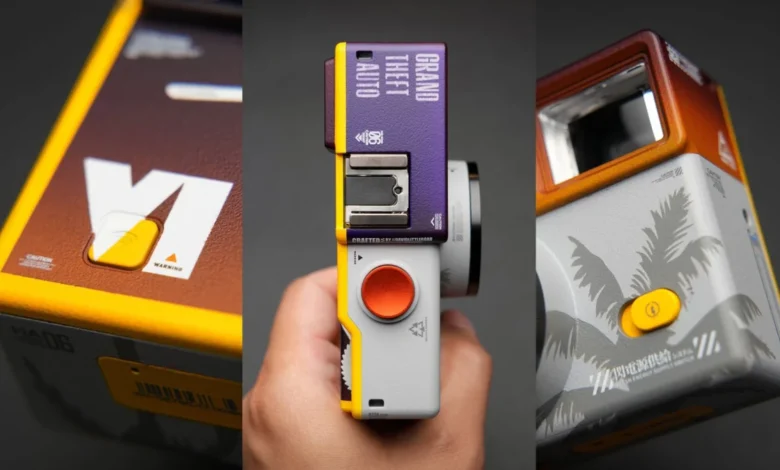
The fervor surrounding the upcoming release of Grand Theft Auto VI (GTA VI) has permeated nearly every corner of pop culture, influencing fashion, digital design, and even specialized hardware modifications. In a unique synthesis of modern gaming obsession and nostalgic camera technology, David, the artisan behind Little Road Camera, has unveiled a custom-themed Rewindpix digital camera inspired by the Rockstar Games blockbuster. This project underscores a growing trend of "analog-digital" hybrids—devices that bridge the gap between the tactile, deliberate experience of film photography and the convenience of modern digital sensors.
The Evolution of the Rewindpix Platform
The Rewindpix has gained significant traction in the photography community as a "disposable-style" digital camera. By eschewing the traditional LCD screen in favor of an authentic film-wind dial, it forces the user to focus on composition rather than immediate post-capture review. The device features a suite of film-inspired presets designed to emulate the grain and color science of classic 35mm stocks.
For Little Road Camera, a workshop known for bespoke, hand-painted camera aesthetics, the Rewindpix offered a distinct, compact canvas. David, the lead customizer, noted that the device’s minimalist design made it an ideal candidate for thematic airbrushing. The GTA VI project, in particular, represents an effort to translate the high-octane, neon-drenched aesthetic of the game’s Vice City setting into a physical, handheld object.
Chronology of a Custom Build
The project followed a meticulous development process, typical of high-end camera modifications. The timeline began with the sourcing of the Rewindpix base unit, followed by the conceptualization phase where David analyzed the visual identity of GTA VI—specifically the vibrant pinks, teals, and sunset gradients that dominate the game’s marketing materials.
During the execution phase, David utilized professional-grade airbrushing techniques to apply the game’s thematic color palette. A notable technical challenge occurred during the gradient application process. As David explained in a post-production reflection, a shift in the color layering sequence—moving from dark to light instead of the intended light-to-dark—resulted in a more subdued finish than he had originally conceptualized. Despite this deviation from his initial vision, the result remains a striking example of custom hardware design, demonstrating how even minor variations in artistic process can yield unique aesthetic outcomes.
Artistic Context and Previous Works
This is not the first time Little Road Camera has garnered attention for its thematic modifications. The studio has established a reputation for integrating niche interests with functional photography gear. Previous successful projects include a Gundam-inspired camera, which leveraged the intricate mechanical aesthetic of the iconic anime series, and an Evangelion-themed Mndr35. These projects have served as a portfolio of sorts, showing that the demand for "lifestyle-oriented" camera hardware is increasing among enthusiasts who view their tools as extensions of their personal identity.
The market for such customized devices highlights a shift in photography: the camera is no longer merely a light-capturing utility but a fashion accessory. By marrying the nostalgia of analog operation with the high-stakes cultural capital of a gaming franchise, Little Road Camera effectively captures a specific demographic—the "prosumer" who values both design and technical performance.
Intellectual Property and Legal Constraints
While the "Rewindpix x GTA" design has garnered significant interest, it remains an artistic exercise rather than a commercial product. The intersection of fan-made merchandise and intellectual property (IP) law is a fraught landscape. Rockstar Games, the developer of the Grand Theft Auto series, maintains a notoriously strict policy regarding the use of its trademarks, logos, and visual assets.
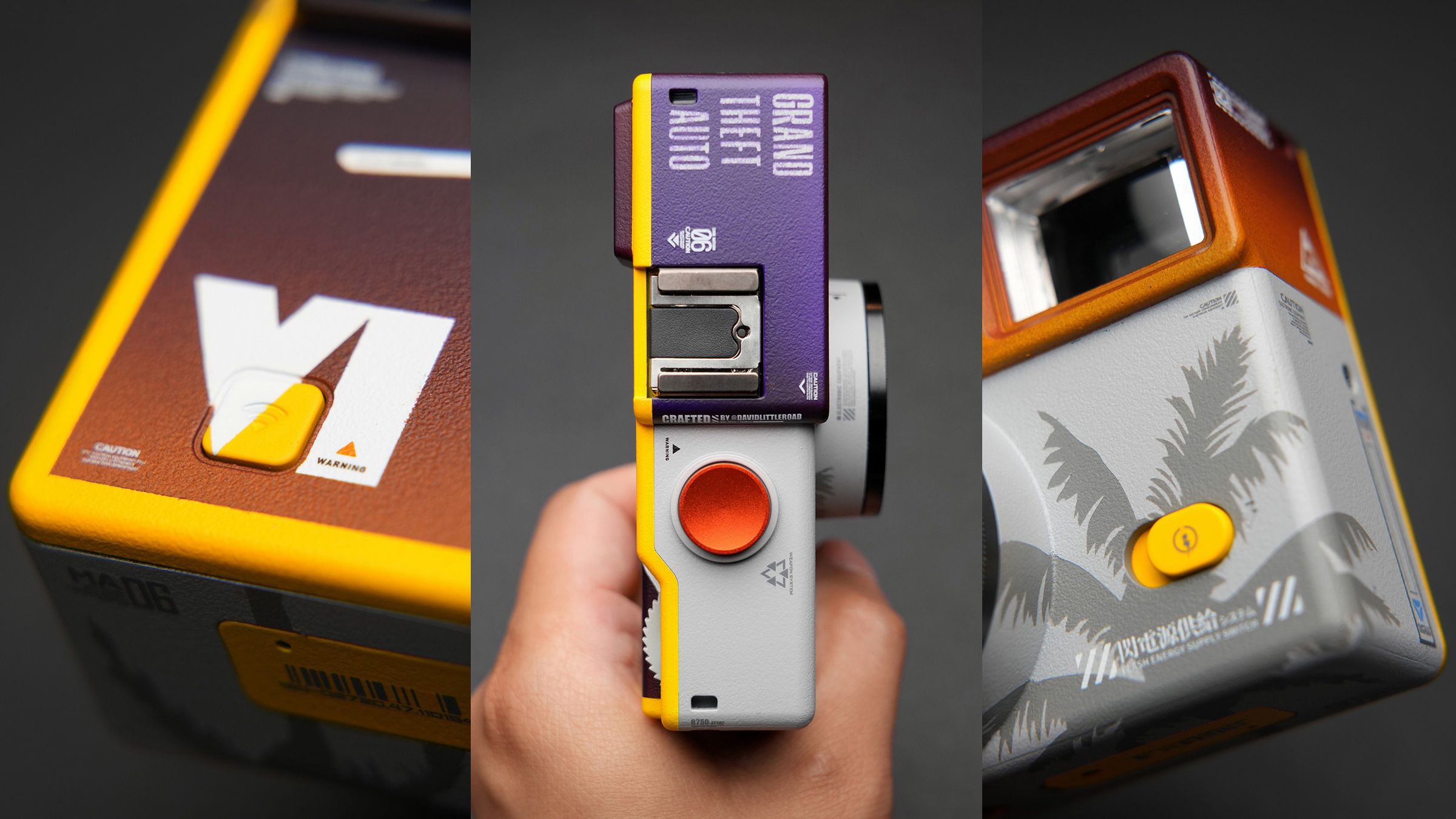
In the realm of custom hardware, this creates a significant barrier to entry. While an artist can purchase a camera and modify its exterior, selling a device branded with GTA imagery without express licensing from the copyright holder could lead to immediate legal action. As such, David has indicated that this specific unit will not be made available for public sale through his storefront, effectively keeping the device as a one-of-a-kind collector’s item. This limitation is a standard industry practice, preventing independent creators from infringing on the massive commercial interests of global media conglomerates.
Broader Implications for Camera Design
The existence of this modded camera invites a broader analysis of the current state of camera design. Over the last decade, camera manufacturers have prioritized high-resolution sensors, advanced autofocus algorithms, and video capabilities. However, a segment of the market has expressed fatigue with the "black box" aesthetic of modern digital cameras.
The popularity of the Rewindpix—and by extension, the desire to customize it—points to a "Human-Centered Design" shift. Users are increasingly drawn to cameras that limit options rather than providing infinite settings. By stripping away the screen and forcing the photographer to trust their instincts, devices like the Rewindpix offer a therapeutic alternative to the hyper-connected, data-heavy photography of smartphones. The GTA VI-themed modification serves as a physical manifestation of this desire for character. It turns a tool of capture into a conversation piece.
The Intersection of Gaming and Photography
The phenomenon of "gaming-inspired" hardware extends beyond simple paint jobs. The tech world has seen a rise in high-end projects where gaming content is ported onto non-traditional hardware. This includes recent, widely circulated experiments where enthusiast engineers have managed to run versions of popular games on high-end, professional medium-format cameras like the Hasselblad. While these experiments are often more technical hurdles than practical applications, they highlight a convergence between two industries that were once distinct.
As gaming reaches higher levels of graphical fidelity—approaching photorealism in titles like GTA VI—the line between "virtual photography" (in-game photo modes) and "real-world photography" continues to blur. Many photographers are now using in-game photo modes to practice composition, lighting, and color grading, skills that they then apply to their real-world equipment. The custom Rewindpix serves as a symbolic bridge, a device that honors the source of inspiration (the game) while maintaining its primary function as a tool for creating real-world images.
Market Outlook for Niche Photography Gear
For those interested in the burgeoning niche of specialized cameras, the market remains robust. While the specific GTA-themed camera is unavailable, the underlying trend of the "screen-free" camera is growing. Brands are increasingly exploring digital cameras that mimic the film experience, focusing on the tactile "click" of the shutter and the physical act of winding the film.
As the industry moves forward, it is likely that we will see more collaboration between camera manufacturers and lifestyle brands. Much like the sneaker industry, which relies on limited-edition colorways to maintain consumer interest, the camera market may soon see a rise in "artist editions" or thematic hardware, provided the legal complexities of intellectual property can be navigated successfully.
For now, the Little Road Camera project remains a testament to the enduring influence of the Grand Theft Auto franchise and the enduring appeal of the camera as an object of art. Whether one is a digital photographer or a gamer, the fusion of these two worlds underscores a vital truth: in an age of mass-produced, identical electronics, the value of the unique, hand-crafted, and the personal, remains higher than ever.