CD Projekt Red Releases Extensive Patch 5.02 for The Witcher 3 Wild Hunt Remastered Improving Stability and Mod Support

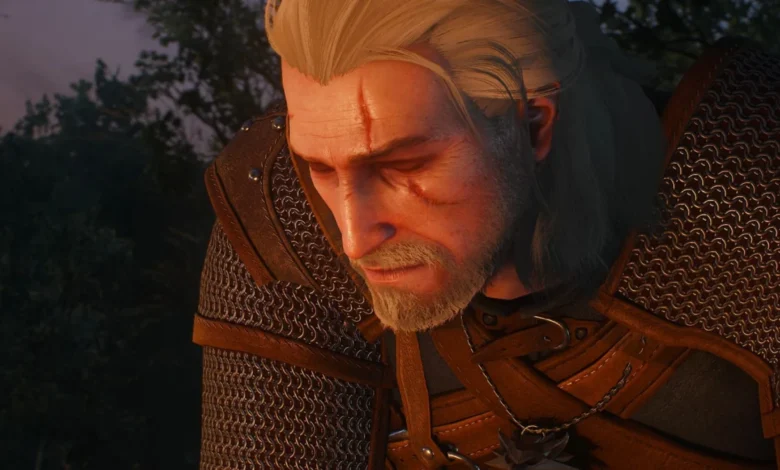
The developer CD Projekt Red has officially deployed Patch 5.02 for The Witcher 3: Wild Hunt – Remastered, marking yet another significant milestone in the decade-long lifecycle of one of the most critically acclaimed role-playing games in history. This update, which is now live across all platforms including PC, PlayStation 5, and Xbox Series X/S, focuses on technical refinement, the expansion of the game’s official cross-platform modding ecosystem, and the rectification of lingering visual inconsistencies that have persisted since the "next-gen" overhaul launched in late 2022.
The release of this patch serves as a testament to CD Projekt Red’s commitment to maintaining its legacy titles even as the studio shifts its primary development resources toward the future of the franchise. In an era where many AAA titles are released and subsequently abandoned by their developers, the sustained support for The Witcher 3 underscores the game’s status as a foundational pillar for the company’s ongoing commercial and cultural identity.
A Chronology of the Remastered Journey
The evolution of The Witcher 3: Wild Hunt has been a multi-year project involving a transition from the original 2015 release to a modern technical standard. The game, originally built on the REDengine 3, received a substantial "Next-Gen" update in December 2022. This remaster brought significant enhancements, including ray tracing, improved textures, and integrated mod support, aimed at aligning the experience with the hardware capabilities of the ninth generation of consoles.
However, the launch of the remaster was not without its complications. Early players reported performance bottlenecks, stability issues, and a noticeable shift in the game’s color grading and lighting architecture, which some members of the community felt deviated from the original artistic intent. Throughout 2023 and 2024, CD Projekt Red released a series of incremental updates designed to stabilize the engine, optimize memory management on consoles, and address the specific lighting complaints that had become a focal point of user feedback. Patch 5.02 represents the culmination of these efforts, refining the stability of the software to a level that arguably surpasses the original launch state of the remaster.
Technical Deep Dive: Stability and Visual Polish
The technical documentation for Patch 5.02 is extensive, detailing a granular approach to fixing issues that range from trivial visual anomalies to critical system failures. Among the most notable corrections is the resolution of a bizarre bug where the in-game clock would occasionally regress, effectively causing time to move backward indefinitely. This logic error not only disrupted the player’s immersion but also interfered with day-night cycle quests that required specific timing parameters.
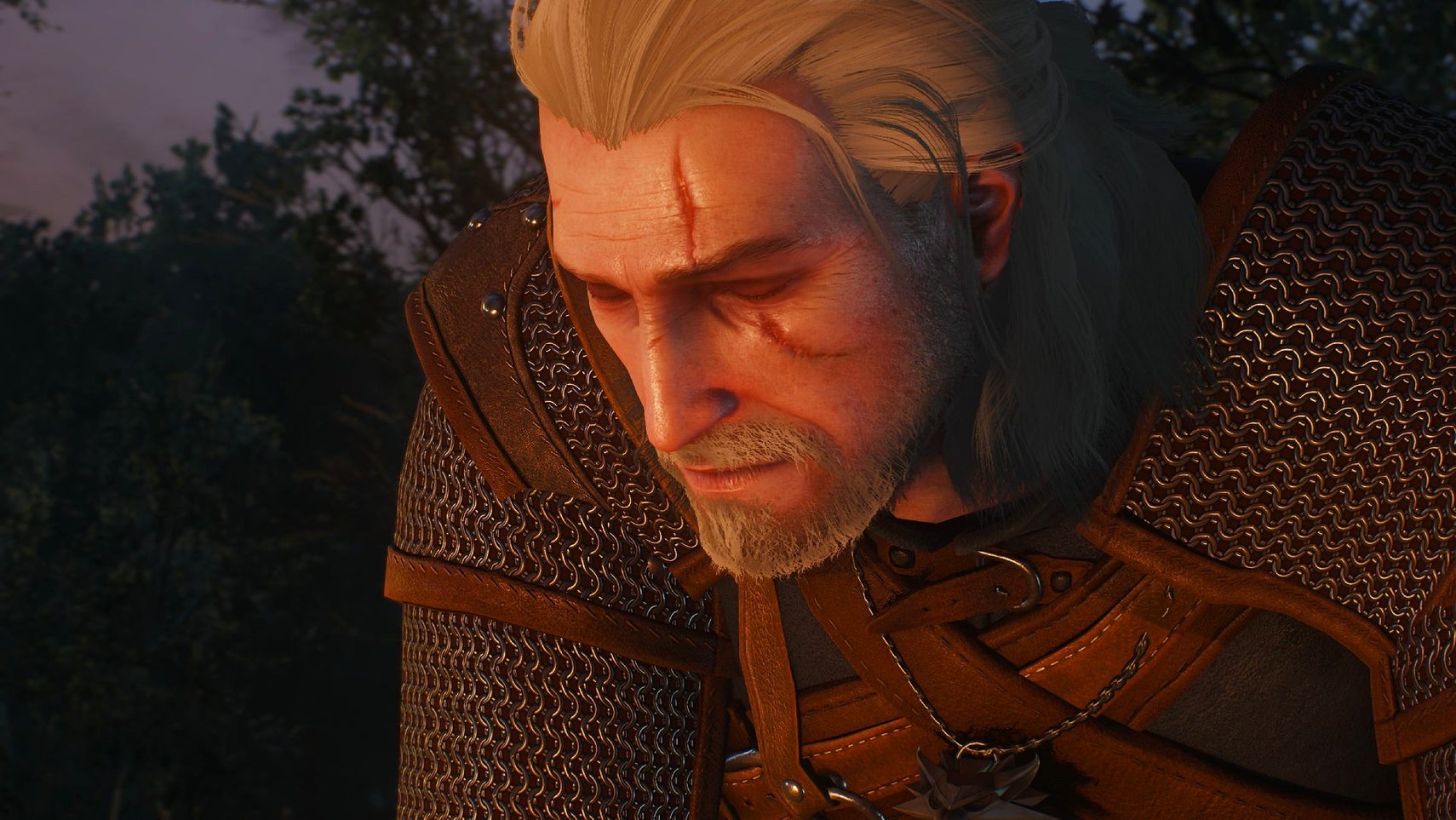
Additionally, the patch addresses various character rendering issues. Perhaps the most amusing, yet disruptive, bug involved the inadvertent removal of Geralt’s hair assets, leaving the protagonist entirely bald during gameplay. While minor in terms of narrative impact, these instances were indicative of the complex technical debt inherent in a game of this scope, where new lighting shaders and updated texture assets sometimes conflict with legacy character models.
The lighting improvements in this patch are particularly significant. A common critique of the initial remaster was the introduction of "inconsistent lighting transitions," where interior and exterior environments would flicker or exhibit extreme contrast spikes. Patch 5.02 targets these specific discrepancies, standardizing light-map rendering and ensuring that the atmospheric transition between the varied biomes—from the war-torn marshes of Velen to the opulent city of Novigrad—is seamless. By smoothing out these transitions, the developers aim to restore the cohesive visual language that made the 2015 release so aesthetically lauded.
The Expansion of the Cross-Platform Modding Ecosystem
One of the most innovative features introduced with the remaster was the unified modding platform. By allowing console players to access modifications—a feature traditionally reserved for the PC gaming community—CD Projekt Red effectively democratized the modding scene for The Witcher 3. Patch 5.02 expands this library with the inclusion of 40 new, curated mods.
These additions range from aesthetic adjustments, such as the popular "Glowy Eyes" mod that gives Geralt a more lore-accurate appearance, to functional additions that expand the gameplay loop. The integration process is managed through an internal framework that ensures these mods do not conflict with core game files, a frequent source of "crashing" reported by PC users who historically relied on third-party mod managers.
The studio’s commitment to "more on the way" suggests that CD Projekt Red intends to keep the game relevant by empowering the community to continue building content. This strategy mirrors the long-term support models seen in titles like Skyrim or Fallout, where the longevity of the game is sustained almost entirely by community-driven content. By providing an official, stable environment for these mods to exist on consoles, the studio has effectively extended the retail shelf-life of a title that is now entering its tenth year.
Broader Implications for CD Projekt Red
While The Witcher 3 remains a flagship product, the internal focus at CD Projekt Red has shifted toward the "Polaris" project, known colloquially as The Witcher 4. The company’s recent earnings calls have highlighted the ambition behind this upcoming sequel. Joint-CEO Michal Nowakowski recently drew a direct comparison between the developmental leap anticipated for the next Witcher installment and the industry-defining transition seen between Grand Theft Auto 5 and the upcoming Grand Theft Auto 6.

This comparison is not merely a marketing tactic; it reflects a shift in the company’s internal philosophy regarding engine architecture. With the decision to move from the proprietary REDengine to Epic Games’ Unreal Engine 5 for future titles, the studio is signaling a desire to streamline production pipelines and improve cross-platform compatibility. The support provided to The Witcher 3 in the present day serves as a bridge, keeping the brand active in the public consciousness while the team undergoes the massive logistical undertaking of porting their narrative design philosophy to a new engine.
Analysis of the "Path" Philosophy
The phrase "The Path never sleeps, and the work is never done" serves as more than just a marketing slogan in the patch notes; it is an acknowledgment of the modern reality of software development as a service. In the contemporary gaming landscape, a game is rarely "finished" upon release. The expectation for constant updates, bug fixes, and content additions has created a dynamic where developers must maintain a permanent team of engineers for legacy projects.
For CD Projekt Red, this is a strategic necessity. The Witcher franchise is the company’s primary intellectual property, and ensuring that the trilogy remains accessible and high-performing on current-generation hardware is vital for attracting new players to the ecosystem. If a new player enters the series through the remaster and finds a broken, buggy experience, they are statistically less likely to invest in future installments. Therefore, Patch 5.02 is as much about customer retention as it is about technical maintenance.
Conclusion and Future Outlook
The deployment of Patch 5.02 demonstrates a high degree of maturity in CD Projekt Red’s post-launch support strategy. By addressing the specific, granular complaints of the community—from lighting flickers to complex mod compatibility issues—the studio is ensuring that The Witcher 3 remains the gold standard for open-world RPG design.
As the industry looks toward the next generation of The Witcher games, the continued viability of the 2015 classic provides a stable foundation. While the company transitions its workforce toward Unreal Engine 5, the dedication to maintaining their legacy catalog ensures that the "Path" remains open for both veteran players and newcomers alike. For now, the work continues, with the community waiting to see what further modifications will be integrated into the official console support roster in the coming months. The Witcher 3: Wild Hunt stands not just as a game, but as a living piece of software, continuously refined by the very developers who brought it to life a decade ago.