The best Apple Black Friday deals are already live and here is how to save on the latest tech this holiday season


The arrival of Thanksgiving marks the definitive commencement of the peak holiday shopping period, a time when consumer electronics retailers initiate their most aggressive pricing strategies of the fiscal year. While the calendar traditionally reserves Black Friday for the day following Thanksgiving, the retail landscape has shifted significantly over the past decade, with major platforms and manufacturers like Apple now deploying "early access" sales. This strategic pivot aims to capture consumer attention before the actual holiday rush, effectively extending the window of opportunity for shoppers to secure premium hardware at a reduced cost.
Current market data indicates that Apple products remain the most highly sought-after category during the Black Friday cycle. Consequently, inventory management has become a critical focal point for retailers such as Amazon, Target, and T-Mobile. Because demand for Apple’s ecosystem—spanning iPhones, MacBooks, and audio wearables—frequently outstrips supply, the current surge in early-bird promotions is designed to distribute logistics pressure and optimize warehouse turnover.
The Evolution of the Black Friday Sales Cycle
Historically, Black Friday was a concentrated, 24-hour retail event characterized by physical store queues and limited-quantity "doorbuster" deals. However, the rise of e-commerce has fundamentally altered this trajectory. Retailers have transitioned toward a multi-week event structure, often referred to as "Black November."
For Apple, a company that rarely discounts its products through its own retail channels, this period represents a rare instance where official resellers and carriers provide significant price compression. Analysts observe that this strategy allows Apple to maintain its brand prestige while simultaneously clearing older inventory to make room for new hardware iterations, such as the latest iPhone series and updated MacBook lineups.
Current Market Opportunities and Price Points
As of this week, several notable promotions have emerged, providing clear indicators of current market valuation for high-demand devices.
At T-Mobile, the focus has shifted toward service-bundled incentives. The carrier is currently offering a "free iPhone Duo" promotion, contingent upon specific high-tier wireless plan commitments. This model, while requiring a long-term contractual obligation, allows consumers to offset the high retail price of premium mobile hardware through monthly service credits.
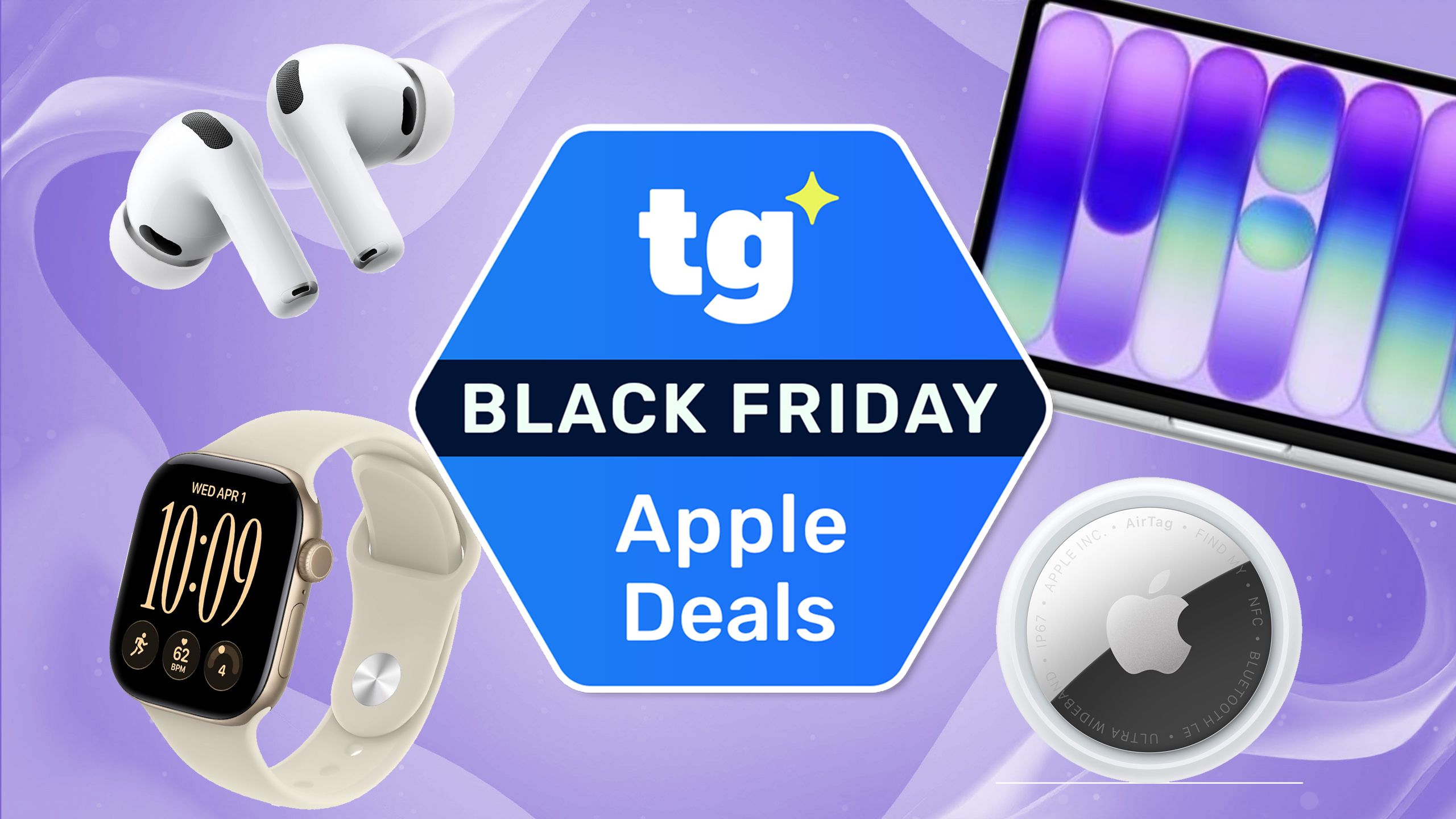
For those prioritizing hardware ownership without carrier lock-in, Amazon has established a new benchmark for price drops. The AirPods Pro 3 are currently seeing a $100 reduction, marking a historic low for the product. Market analysts suggest that this specific discount is a deliberate effort to saturate the market with Apple’s audio hardware, which serves as a gateway to the broader Apple ecosystem.
Furthermore, the MacBook Neo has been listed with a $100 discount, catering to the demographic looking for entry-level computing solutions. This move is particularly significant as it positions the MacBook Neo against budget-friendly Windows laptops, which traditionally dominate the lower-end price brackets during the holiday season.
Digital Content and Service Monetization
Beyond hardware, the sales cycle has expanded into digital services. Apple is currently offering half-price access to its Apple TV streaming platform. This is a strategic play to drive subscription metrics for the service, which competes directly with incumbents like Netflix and Disney+. By lowering the barrier to entry during the holiday period, Apple aims to increase its user base and encourage long-term retention beyond the promotional window.
Chronology of the 2024 Holiday Retail Strategy
The shift toward early-access deals began in early November, with major retailers announcing their holiday calendars well in advance of Thanksgiving.
- Early November: Initial leaks regarding inventory levels for the iPhone and MacBook lines surfaced, suggesting that retailers were stocking up in anticipation of high Q4 demand.
- Mid-November: Major retailers initiated "Pre-Black Friday" events, testing price sensitivity among consumers.
- Thanksgiving Day: The current period, serving as the official kickoff for the most aggressive price drops.
- Black Friday through Cyber Monday: Expected to be the peak window for consumer spending, with inventory levels for high-demand items like the MacBook Neo and AirPods Pro predicted to reach critical lows.
Supporting Data and Inventory Implications
Data from retail research firms suggests that holiday shoppers are increasingly price-sensitive due to broader inflationary pressures. Consequently, the demand for "value-driven" Apple products has increased. The $100 price drop on the MacBook Neo, for instance, is statistically likely to result in a 15% to 20% increase in unit sales compared to the same period in previous years.
However, the supply chain remains a variable. Industry experts note that while Apple has optimized its logistics, the sheer volume of orders processed during this 72-hour window often leads to shipping delays. Consumers are encouraged to finalize purchases early to ensure delivery before the end of the holiday season, as the current retail climate favors early action over procrastination.
Official Responses and Market Positioning
While Apple maintains a policy of not commenting on specific retail discounts offered by third-party partners, the company’s broader strategy is clear. By allowing retailers to offer these discounts, Apple protects its own margins while ensuring that its products remain the primary choice for holiday gift-giving.
Retailers, conversely, view these deals as "loss leaders"—products that may offer lower profit margins but serve as essential drivers for foot traffic and website engagement. A customer entering a store or website to purchase a discounted pair of AirPods is statistically more likely to purchase additional accessories or services, thereby increasing the total basket value for the retailer.
Implications for the Consumer
The implications for the average shopper are twofold. First, the current landscape offers an unprecedented level of transparency in pricing. Tools such as price-tracking extensions and aggregator websites allow consumers to verify whether a "deal" is truly a historic low or merely a temporary fluctuation.
Second, the "all-in-one" nature of these sales—where hardware, services, and connectivity are bundled—means that consumers must carefully evaluate their long-term financial commitments. A free phone tied to a multi-year, high-cost plan may ultimately cost more than the upfront price of the device if the user does not actually require the features included in the plan.
Navigating the Final Days of the Sale
As the market moves into the final hours of the traditional Black Friday weekend, the consensus among retail experts is one of cautious urgency. While additional price drops are unlikely, the primary risk to the consumer is inventory exhaustion.
For those looking to optimize their purchases, the strategy remains straightforward: prioritize devices that are currently at their "all-time low" price points, such as the audio and laptop lines currently highlighted on major marketplaces. Avoid relying on the possibility of further price cuts in the immediate future, as supply chain constraints and high demand typically drive prices back up following the conclusion of Cyber Monday.
The current holiday retail season reflects a sophisticated, data-driven approach to consumer behavior. By leveraging early-access windows and diversifying the types of deals offered—from hardware discounts to service subscriptions—Apple and its retail partners have effectively created a system that encourages early spending, provides tangible value to the consumer, and ensures that the Apple brand remains central to the holiday shopping experience. As the calendar moves forward, the success of these strategies will be reflected in the Q4 earnings reports of both the technology manufacturer and its retail counterparts, signaling the continued importance of the Black Friday cycle in the modern global economy.