TTartisan Launches Ultra-Wide AF 12mm f/2.8 Lens for Sony and Nikon Mirrorless Systems

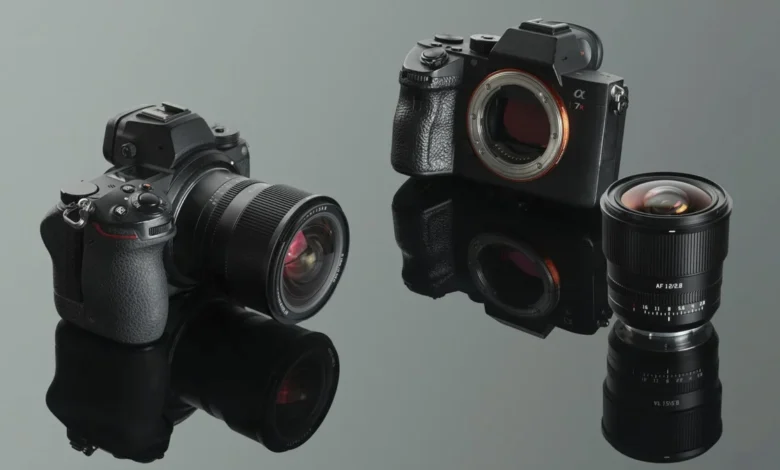
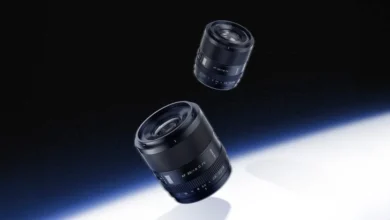
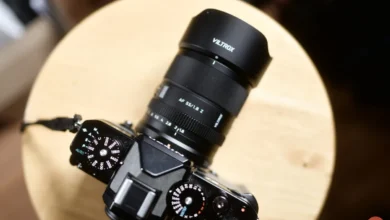
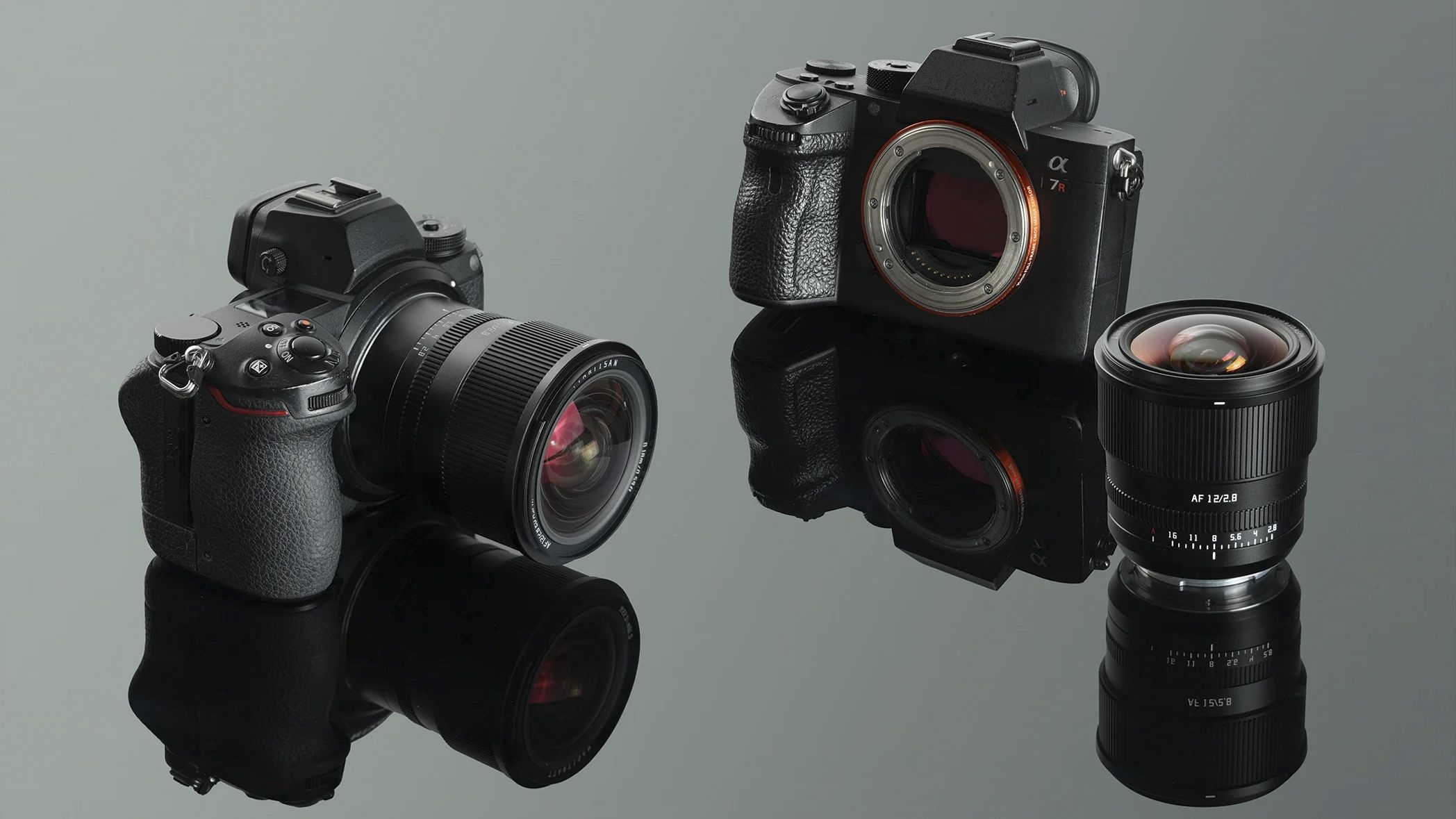
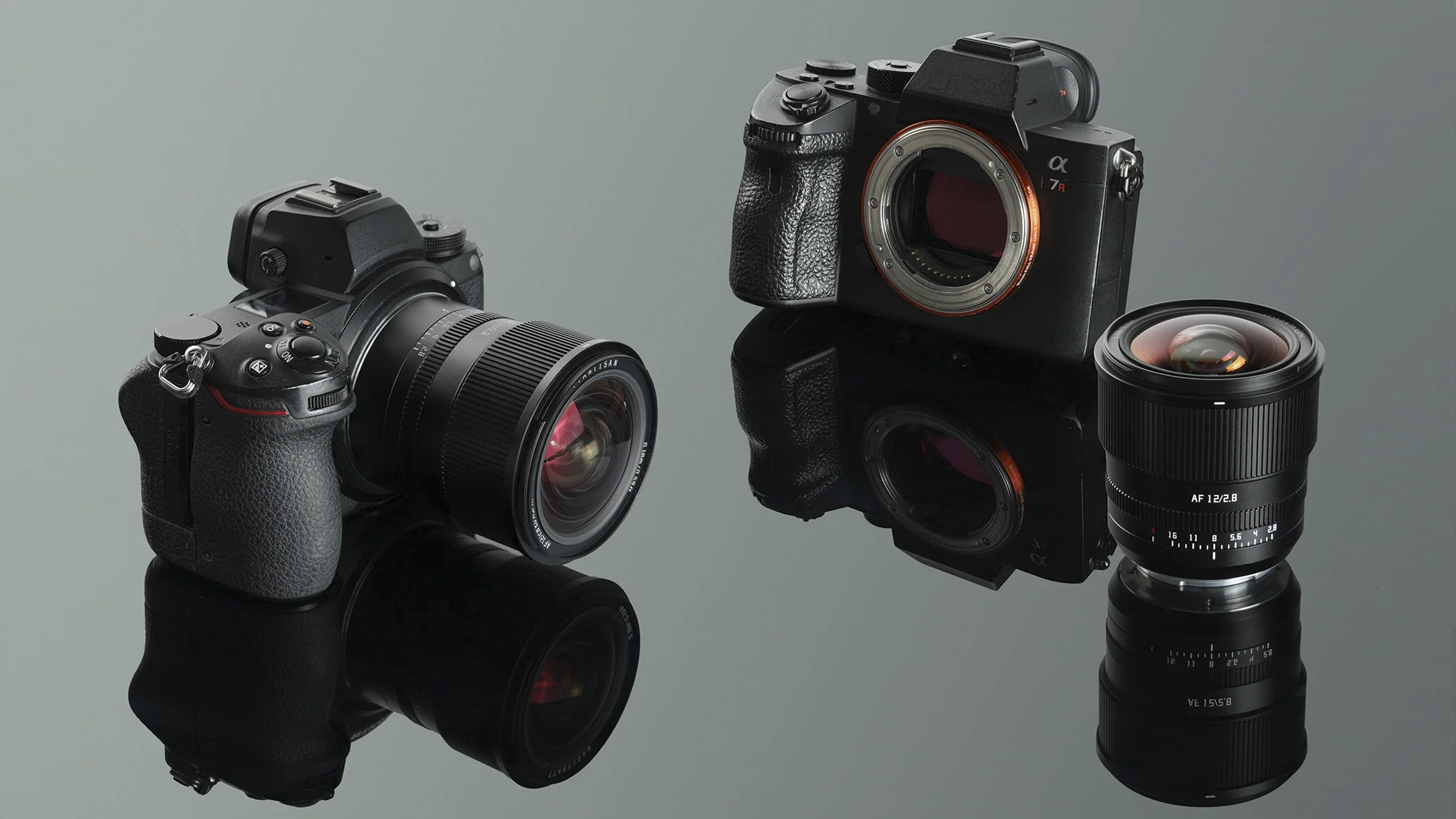
TTartisan has officially expanded its portfolio with the launch of the AF 12mm f/2.8, the manufacturer’s widest-ever wide-angle lens designed specifically for full-frame mirrorless camera systems. Available immediately for both Nikon Z and Sony FE mounts, this new optic represents a significant step forward for the brand as it seeks to capture a larger share of the enthusiast market by offering ultra-wide focal lengths coupled with modern autofocus technology. Priced at $489 / £339, the lens is positioned as a highly competitive alternative to both native glass and rival third-party offerings, aiming to bridge the gap between budget-friendly manual focus primes and expensive high-end wide-angle zooms.
Technical Specifications and Optical Construction
The new TTartisan AF 12mm f/2.8 is engineered to provide an expansive 122-degree angle of view. This extreme focal length is particularly suited for architectural photography, where capturing vast interior spaces or sweeping cityscapes is a priority, as well as for astrophotography, where the wide field of view allows for the capture of expansive night sky panoramas.
The optical architecture consists of 16 elements arranged in 10 groups, a design choice intended to manage the complexities of such a wide field of view. The lens features a six-bladed aperture, which provides a balance between sharpness and the desired "sunstar" effects often sought by landscape photographers when shooting at smaller apertures.
Physical handling has been a core focus of the design. Depending on the specific mount, the lens weighs between 336g and 349g, making it relatively compact for its class. The minimum focus distance is set at 18cm (7 inches), allowing photographers to get exceptionally close to subjects to exaggerate perspective—a common technique in wide-angle photography. Despite the inherently bulbous nature of such a wide-angle front element, TTartisan has included a mounting mechanism that allows users to attach standard 82mm filters. This is a critical inclusion, as many ultra-wide lenses lack filter threads, forcing photographers to invest in cumbersome and expensive external filter holder systems.
A New Chapter for TTartisan
For years, TTartisan was primarily recognized for its high-quality, budget-friendly manual focus lenses. Their transition into autofocus systems marks a pivotal shift in the company’s corporate strategy. This transition has been gradual, with the company steadily increasing its investment in motor technology and electronic communication protocols between the lens and the camera body.
The development of the 12mm f/2.8 follows a series of releases from smaller third-party manufacturers, such as the Brightin Star 12mm f/2.8. By introducing its own version with autofocus capabilities, TTartisan is directly challenging competitors who have recently entered the same market segment. The timeline of these releases reflects a broader industry trend where independent lens manufacturers are moving away from manual focus "niche" products toward fully functional, autofocus-capable lenses that rival the performance of first-party manufacturers like Sony, Nikon, and Canon.
Comparative Market Positioning
The photography market is currently saturated with wide-angle options, yet the segment for affordable, full-frame, autofocus ultra-wides remains relatively thin. Native lenses from camera manufacturers often exceed the $1,000 price point, leaving a void for enthusiasts who require high performance without the professional-grade price tag.
At a price point of $489, the TTartisan AF 12mm f/2.8 sits comfortably below the cost of native ultra-wide primes. While the optical quality of such lenses is frequently scrutinized against "G-Master" or "S-Line" equivalents, the value proposition is clear: the ability to utilize Eye-AF and reliable, fast-focusing motors in an ultra-wide format at less than half the cost of native alternatives. This price-to-performance ratio is expected to appeal strongly to vloggers, real estate photographers, and travel enthusiasts who prioritize portability and cost-efficiency.
Design and Ergonomic Features
Beyond the internal optics, the lens includes a physical manual aperture ring with third-stop detents. This feature is particularly popular among videographers, who often prefer the tactile control of a physical ring to adjust exposure settings on the fly. The range extends from f/2.8 down to f/16.
The inclusion of the aperture ring suggests that TTartisan is aiming to cater to both the hybrid shooter—who needs the lens for both still photography and video production—and the traditional photographer. By providing a physical control, they ensure that the lens remains useful in environments where digital menus might be too slow or distracting to navigate.
Implications for the Third-Party Lens Industry
The launch of this lens has several implications for the broader camera industry. First, it demonstrates that the barriers to entry for third-party autofocus lenses are lowering. As communication protocols between cameras and lenses become more standardized, manufacturers like TTartisan can focus more on optical design and less on reverse-engineering proprietary electronic systems.
Second, the trend toward "compact ultra-wides" is likely to continue. As mirrorless cameras continue to shrink in physical size, the demand for lenses that balance a large field of view with a lightweight, portable footprint will grow. The TTartisan 12mm f/2.8 addresses this by keeping the weight under 350g, ensuring that it remains balanced even on smaller mirrorless bodies.
Finally, the competitive pricing signals that the "third-party premium" that once characterized independent lens brands is eroding. With higher quality control standards and a greater focus on user experience, companies like TTartisan are successfully shedding the "budget" stigma. They are transitioning into brands that are considered legitimate tools for professional and semi-professional work, rather than just cost-effective compromises.
Future Outlook
As the market for mirrorless cameras continues to dominate the industry, the ecosystem of available lenses remains the primary driver of hardware sales. For Sony FE and Nikon Z users, the addition of a 12mm prime with autofocus capabilities adds a valuable tool to their kits.
While the lens does not feature the weather-sealing or complex optical coatings found in high-end flagship lenses, it fills a specific market need. For those starting their careers in architectural or landscape photography, or for hobbyists looking to experiment with extreme perspectives, the 12mm f/2.8 represents a low-risk, high-reward investment.
Industry analysts suggest that the next phase of growth for TTartisan and its peers will be in the development of more complex zoom lenses and longer focal lengths that incorporate faster autofocus motors. The 12mm f/2.8 is not just a standalone product; it is a proof-of-concept that shows TTartisan is capable of delivering complex wide-angle optics that meet the demands of modern, high-resolution sensors.
Technical Summary Table
- Focal Length: 12mm (Ultra-Wide)
- Max Aperture: f/2.8
- Angle of View: 122 degrees
- Mount Compatibility: Nikon Z, Sony FE
- Optical Design: 16 elements in 10 groups
- Aperture Blades: 6
- Minimum Focus Distance: 18cm
- Filter Size: 82mm
- Weight: 336g–349g (mount dependent)
In conclusion, the arrival of the TTartisan AF 12mm f/2.8 marks a significant moment for photographers operating within the Sony and Nikon ecosystems. By providing a compelling combination of extreme focal range, reliable autofocus, and an accessible price point, the company has positioned itself as a major player in the third-party lens market. Whether this lens will become a staple for landscape and architecture professionals remains to be seen, but its technical specifications and build quality suggest it is well-prepared to compete in a crowded and discerning marketplace. The shift toward affordable, autofocus-enabled wide-angle glass is a welcome development that offers photographers more creative freedom, ultimately lowering the barrier to entry for high-quality, wide-perspective photography.