Corsair Sabre V3 Pro Ultralight Wireless Review: Featherlight Performance Meets a Heavy Price Tag

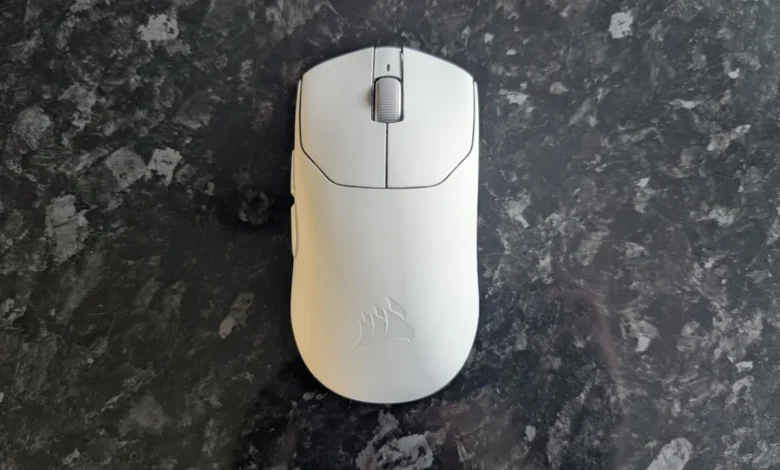
The evolving landscape of competitive esports peripherals has long chased a singular holy grail: the absolute minimization of hardware weight without sacrificing structural integrity or functional reliability. Manufacturers continually push the boundaries of materials engineering, trading out dense polymers for magnesium alloys, carbon fiber weaves, and minimalist interior bracing. Into this intensely contested arena steps the Corsair Sabre V3 Pro Ultralight Wireless, the third-generation iteration of a mouse lineage designed specifically for high-level competitive play. Tipping the scales at a remarkable 37 grams, this peripheral aims to redefine what gamers can expect from an ultralight frame. Yet, alongside its featherlight chassis, the device introduces innovative, albeit controversial, aim-correction software known as PureVector. Balancing high-end hardware specifications against a steep pricing model and mixed software efficacy, the Sabre V3 Pro presents a complex value proposition for modern PC enthusiasts.
Hardware Design and Engineering Specifications
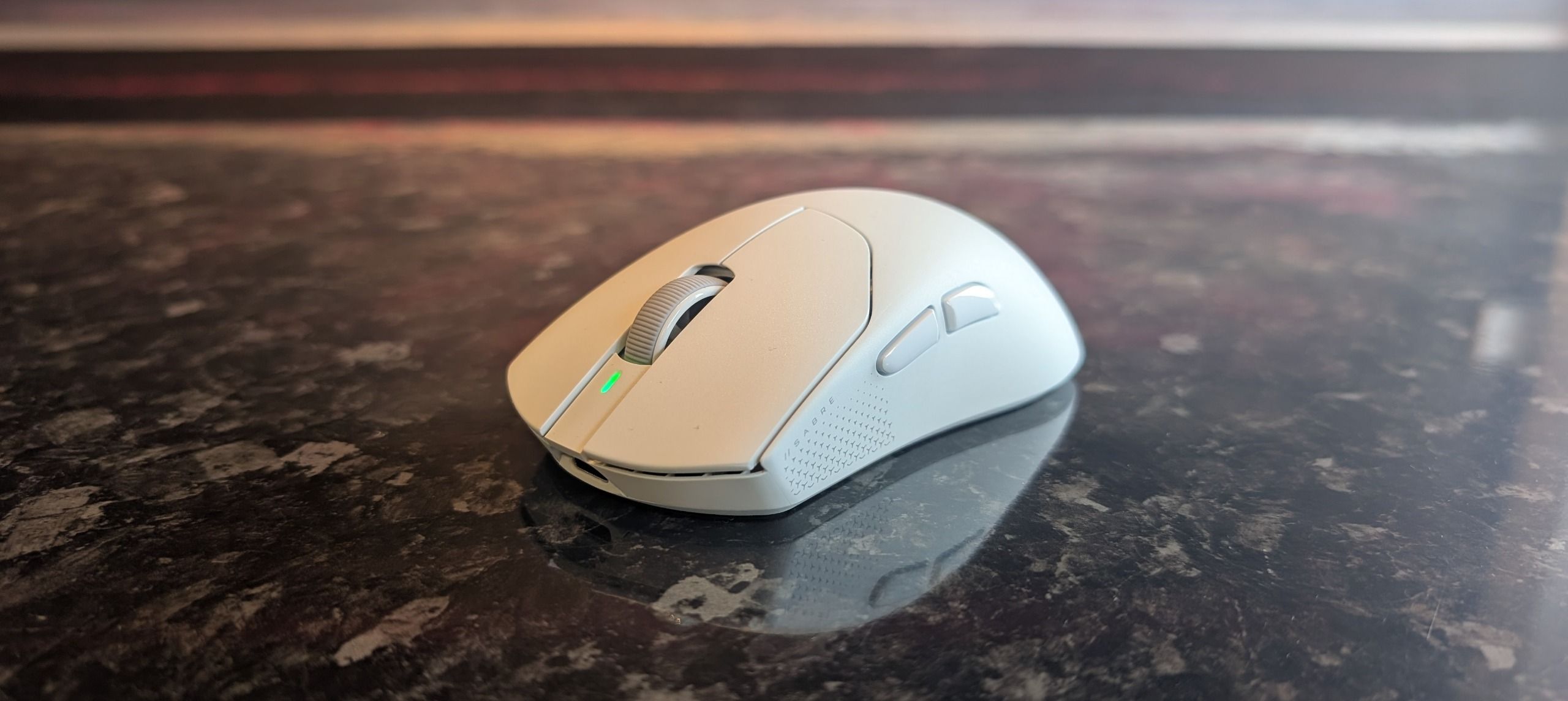
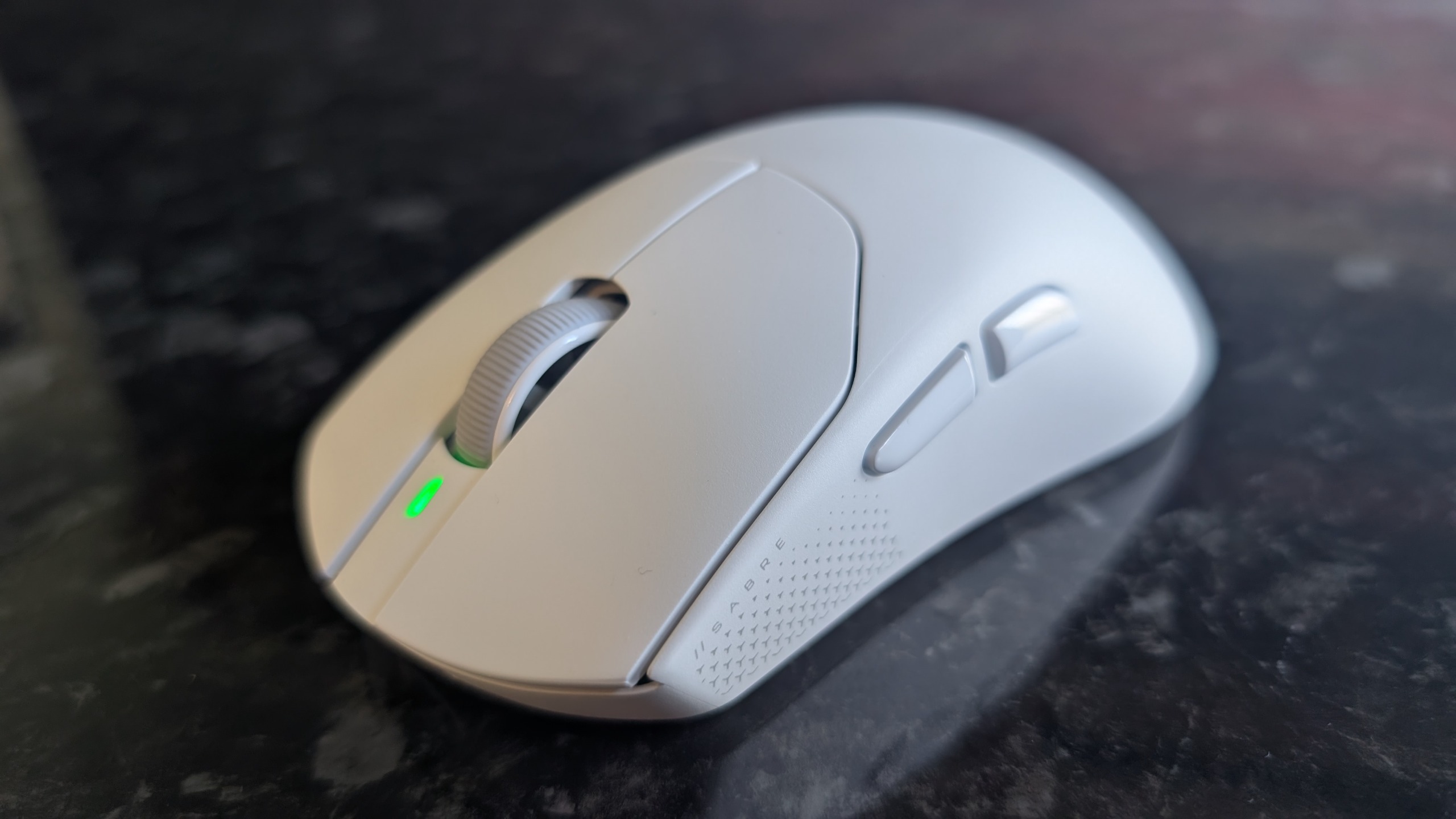
At the core of the Corsair Sabre V3 Pro’s appeal is its unprecedented weight reduction. Achieving a total mass of just 37 grams places the mouse in an elite echelon of ultra-lightweight devices, significantly reducing wrist fatigue during prolonged competitive gaming sessions. The physical envelope measures 12.0 x 6.5 x 4.1 centimeters, accommodating a variety of grip styles, though users with larger hands favoring a full palm grip might find the symmetrical shape less accommodating than dedicated ergonomic alternatives in Corsair’s broader lineup.
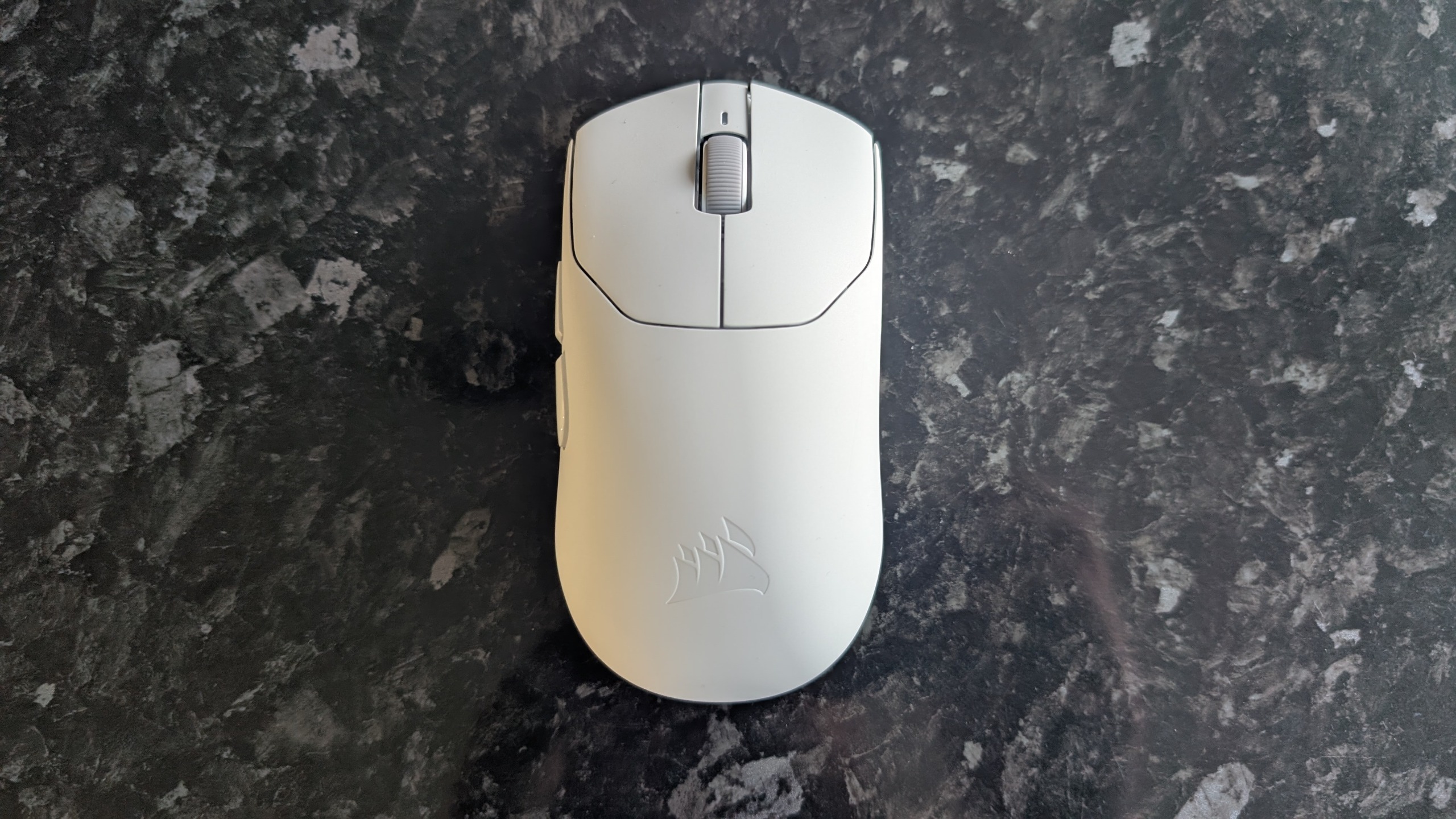
Beneath the matte plastic exterior lies the high-performance Corsair Marksman X optical sensor, capable of delivering a maximum sensitivity of 42,000 DPI. The device utilizes optical switches for its primary left and right click mechanisms. Unlike traditional mechanical switches that rely on metal-on-metal contact, optical switches employ an infrared light beam to register inputs, effectively eliminating debounce delay and offering superior click durability rated for tens of millions of activations. Tactile feedback is firm and responsive, though the actuation point sits relatively high, catering to rapid-fire twitch reactions.
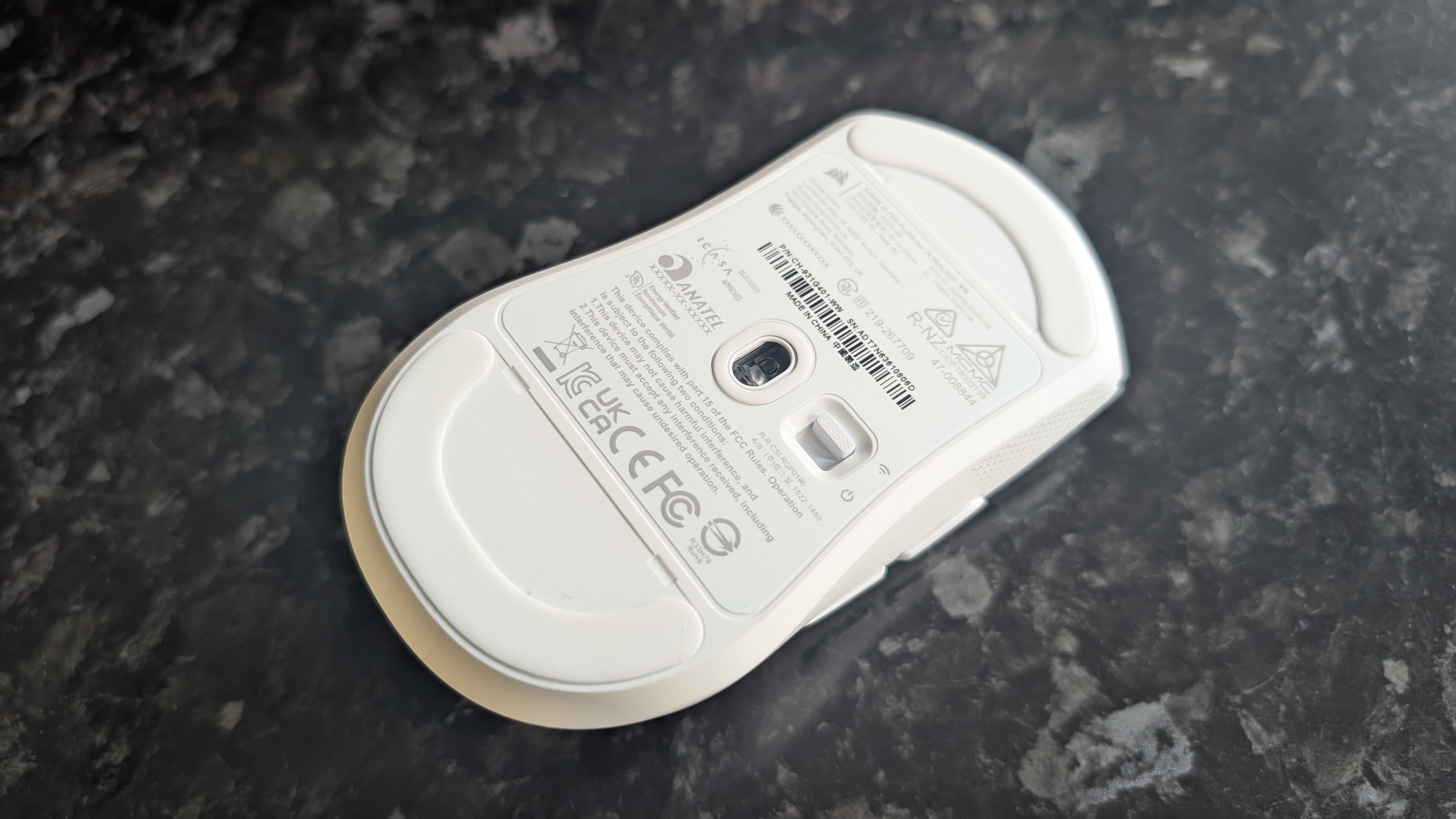
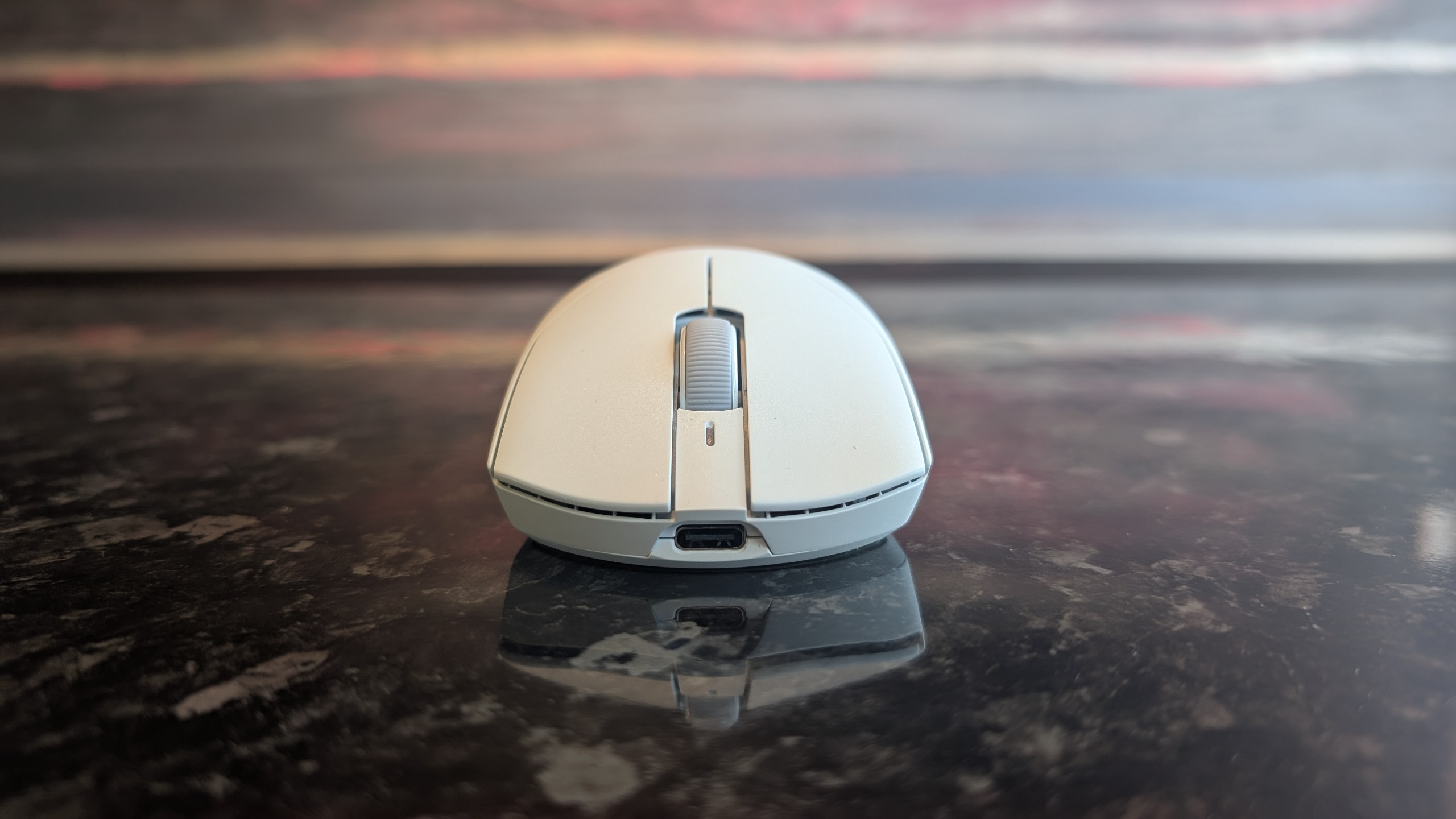
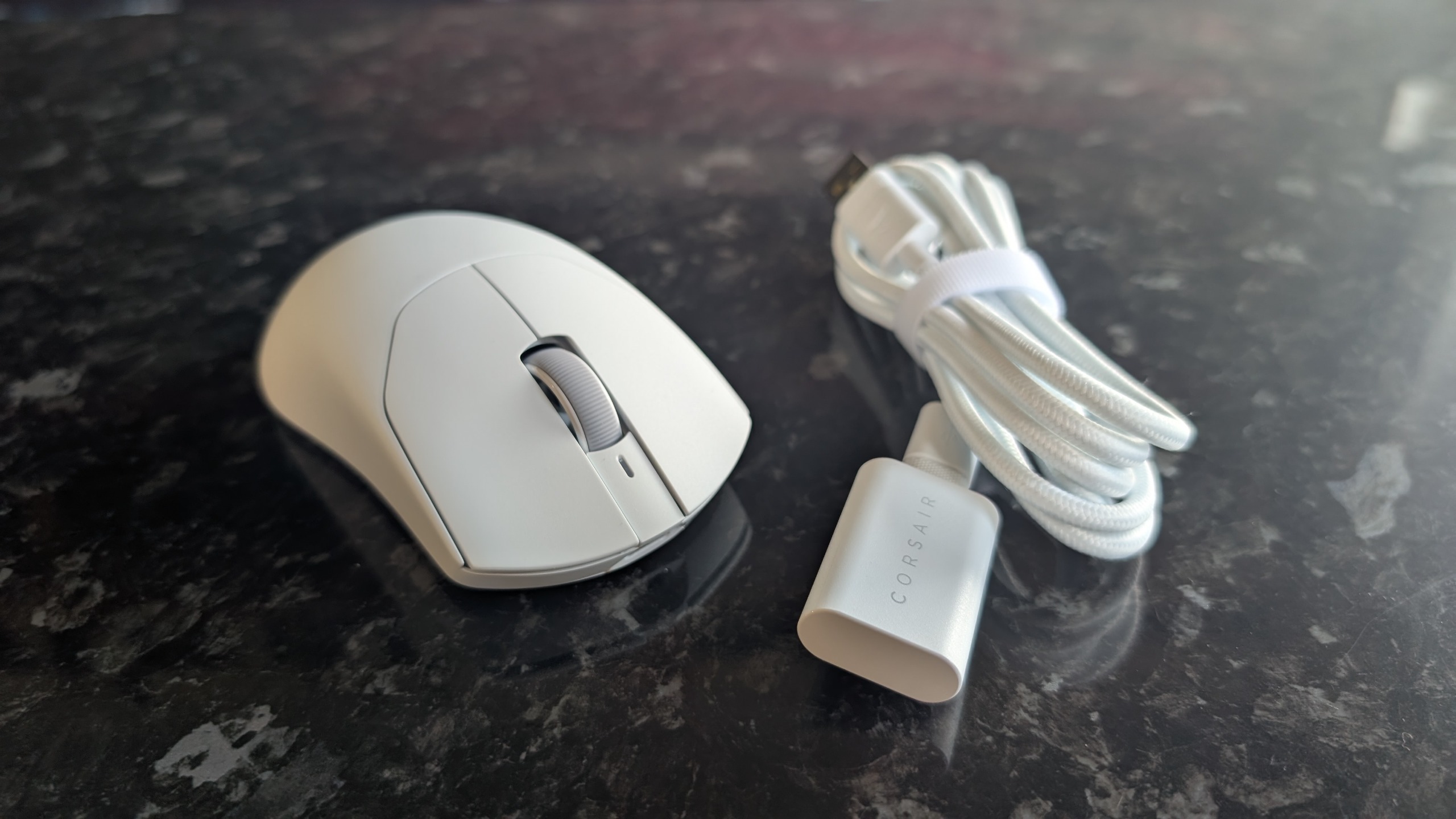
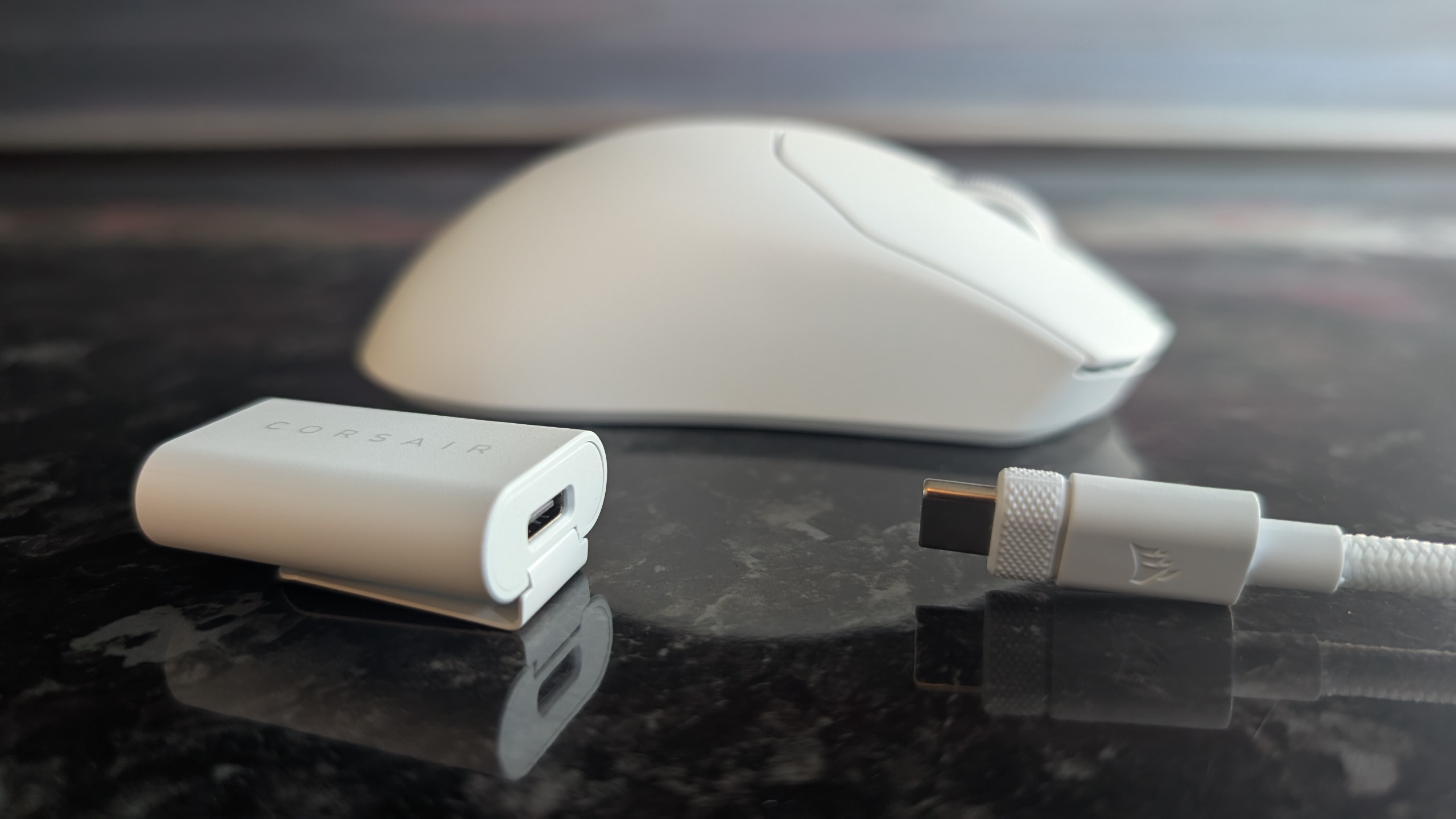
Connectivity is handled primarily through a dedicated low-latency wireless dongle supporting an 8K polling rate mode, alongside traditional 1K configurations for optimized battery preservation. While 8K polling drastically increases data transmission frequency between the mouse and the system, it reduces the battery life from an impressive maximum of 140 hours down to approximately 25 hours. Despite this drain, the peripheral’s endurance under standard daily workloads remains exceptional, frequently exceeding a week of heavy use before requiring a charge via the bundled braided USB-A to USB-C cable.
The PureVector Innovation and Software Integration
Perhaps the most unique selling proposition of the Sabre V3 Pro is the introduction of PureVector technology. Developed in collaboration with Statespace—the analytics company behind the widely utilized aim-training platform Aimlabs—PureVector attempts to directly augment a player’s in-game accuracy. The system leverages an underlying algorithmic framework derived from over four billion distinct data points collected from Aimlabs users.
During the setup process, users undergo a multi-stage calibration routine within the Aimlabs application. The algorithm maps out individual aiming tendencies, identifying physiological or mechanical habits such as consistent over-aiming or under-aiming along specific directional vectors. Once completed, the software generates a customized calibration profile that adjusts directional sensitivity across eight primary axes directly on the mouse’s internal firmware. This allows the configuration to persist across different machines without requiring background software execution during actual gameplay.
Furthermore, Corsair has integrated support for the Corsair Web Hub, permitting users to modify device settings directly through compatible web browsers. This modern approach reduces reliance on heavier, legacy companion applications like iCue, streamlining the user experience.
Real-World Performance and Practical Limitations
Despite the sophisticated engineering behind PureVector, real-world application yields a more nuanced picture. Independent evaluations from standard users and intermediate-tier first-person shooter players indicate that while baseline performance within structured aim trainers may show measurable improvements, translating those gains into complex, dynamic multiplayer environments proves challenging.
Modern competitive shooters—such as Apex Legends, The Finals, and Valorant—require movement mechanics that extend far beyond static target acquisition. Players must continuously account for unpredictable enemy movement, verticality, recoil patterns, and varying weapon mechanics while sliding, jumping, or sprinting. In these chaotic scenarios, a static sensitivity compensation profile struggle to account for the fluid variables of actual combat, leaving many users unable to perceive a tangible difference in performance during live matches.
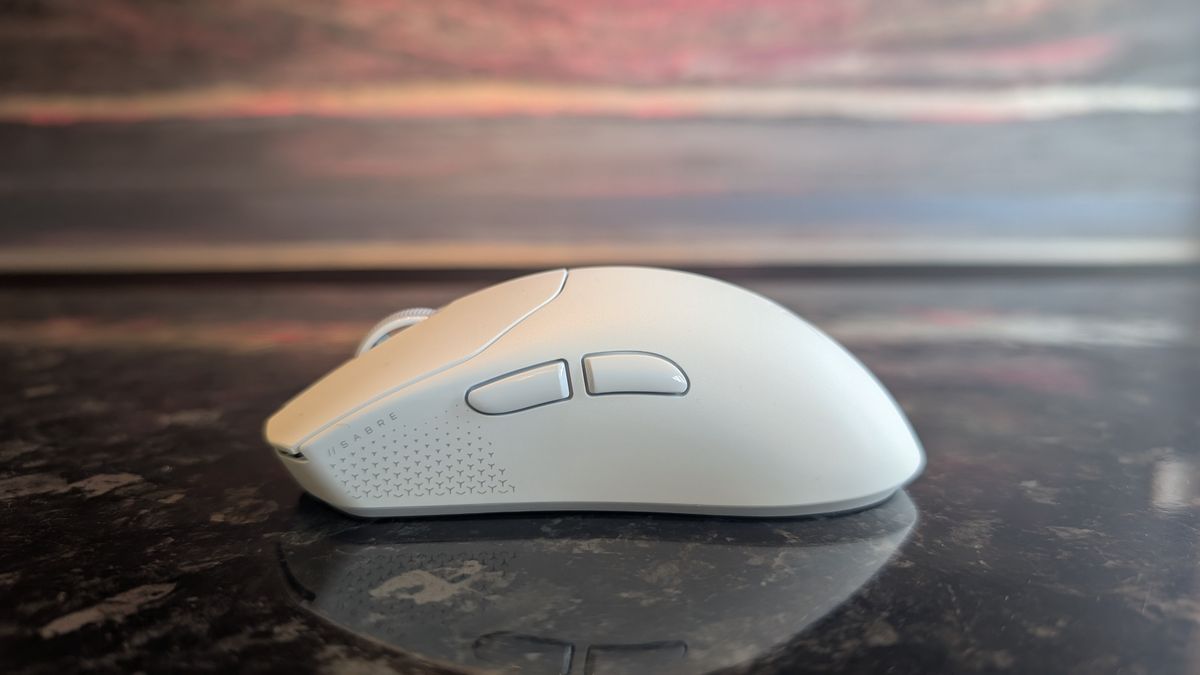
Furthermore, the physical build of the mouse makes notable concessions to achieve its 37-gram weight. Essential features found on competing high-end mice, such as RGB lighting, secondary sniper buttons, Bluetooth connectivity, or free-scrolling wheel modes, are entirely absent. The thumb buttons feel structurally lightweight, and the glued-on PTFE skates lack the refined uniformity seen on rival flagships.
Market Positioning and Economic Context
Priced at an imposing $179.99 / £159.99 / AU$289.99, the Corsair Sabre V3 Pro Ultralight Wireless occupies the absolute premium tier of the gaming peripheral market. This steep asking price places it in direct competition with industry titans like the Razer DeathAdder V4 Pro and the Logitech G Pro X3 Superstrike, both of which offer robust feature sets, superior structural durability, and proven track records among professional esports athletes.
For consumers, the purchasing decision hinges heavily on priorities. For those whose primary criterion is absolute minimum weight and who possess a specific interest in early adoption of AI-assisted aim calibration tools, the Sabre V3 Pro delivers on its core technical promises. However, for the average PC gamer seeking comprehensive value, extensive programmability, and rugged daily durability, the high cost relative to the sparse feature set makes the device a difficult recommendation outside of major promotional sales events.