Apple HomeView receives critical day-one security update ahead of consumer launch

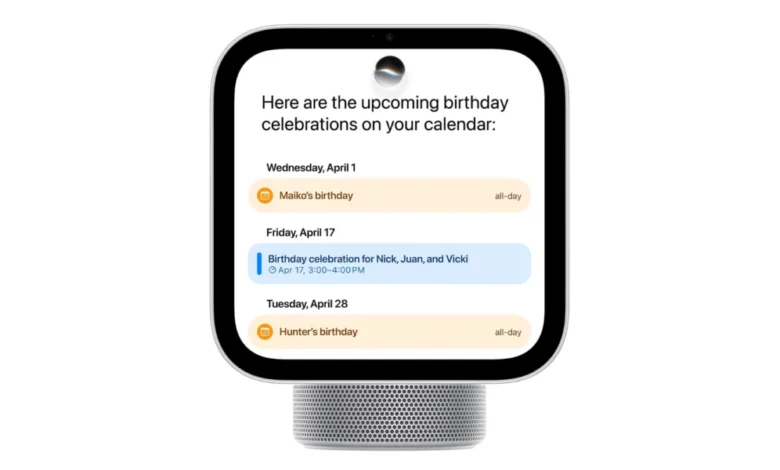
As the inaugural wave of Apple HomeView units prepares to reach the doorsteps of early adopters tomorrow, November 13, 2026, Apple has proactively issued a critical software update to bolster the device’s security posture. HomeView Software Version 27.2, bearing build number 24V526, arrives as a necessary installation for all new users, addressing nine distinct security vulnerabilities that could have potentially compromised user privacy and device integrity. This synchronized release mirrors recent security patches deployed across the wider Apple ecosystem, including iOS 27.2, iPadOS 27.2, and the macOS 27.2 Golden Gate release, ensuring that the company’s newest hardware category enters the market with a hardened defense architecture.
A Chronology of the Deployment
The timeline of this release is indicative of the rapid pace of modern consumer electronics security. While the HomeView hardware was finalized and readied for distribution weeks ago, the discovery and remediation of these specific vulnerabilities followed a standard lifecycle of internal identification and third-party disclosure. The vulnerabilities addressed in version 27.2 span several critical system components, including iMessage authorization, Bluetooth communication protocols, and the brotli compression library.
By releasing these patches on November 12—the day before the official consumer launch—Apple is effectively mandating that users perform a "day-one" update. This is a common practice in the smart home industry, where devices often sit in retail inventory or distribution warehouses for weeks or months, during which time new security threats are identified by researchers and white-hat hackers.

Breakdown of Security Vulnerabilities
The vulnerabilities resolved in the 27.2 update are varied in their technical complexity and potential impact. Among the most concerning is CVE-2026-113961, which relates to the Messages framework. This flaw could have theoretically permitted a remote, unauthenticated attacker to join an iMessage group chat without the knowledge of the participants, thereby gaining access to the group’s historical and ongoing communications. A secondary flaw, CVE-2026-113960, further protected users by ensuring that individuals added to a group cannot retroactively access messages sent prior to their inclusion, closing a loophole that could have led to unauthorized data exposure.
Bluetooth security also represents a significant portion of this patch cycle. CVE-2026-113965 and CVE-2026-113964 address issues within CoreUtils that allowed malicious devices to establish unauthorized pairings without user interaction. By bypassing the expected rate-limiting on pairing codes, an attacker in close proximity could force a connection to the HomeView unit. This presents a unique risk for a smart home device, which is designed to act as a hub for other home accessories. If a malicious device successfully paired with the HomeView, it could potentially serve as a gateway to broader network exploitation or localized command execution.
Additional patches, such as CVE-2026-113970, address memory corruption issues, while CVE-2026-111497 mitigates risks associated with the brotli compression algorithm, which, if exploited through maliciously crafted input, could lead to system-wide instability or remote code execution.
The Role of Rapid Response and Ecosystem Integration
The fact that these patches are being applied simultaneously to the HomeView and Apple’s primary mobile and desktop operating systems underscores the unified nature of Apple’s "Silicon and Software" strategy. Because HomeView utilizes a variant of the core technologies found in iOS and iPadOS, the vulnerabilities discovered in those platforms are inherently relevant to the new display.

Industry analysts observe that this level of integration is both a strength and a potential point of failure. While it allows for rapid, cross-platform security updates, it also means that a single vulnerability in a shared library—such as CoreUtils or the Messages framework—can affect the entire product lineup at once. Apple’s decision to issue the fix for HomeView immediately upon its release indicates a prioritization of the "secure by design" philosophy, aiming to instill confidence in consumers who might be hesitant about placing a new, internet-connected display in their private living spaces.
Future-Proofing the HomeView Experience
Beyond the immediate security concerns, Apple has provided clarity regarding the functional evolution of the HomeView. Following user feedback and internal testing, the company confirmed that a subsequent update, slated for December 2026, will expand the capabilities of the device’s Siri AI. Currently, the HomeView maintains strict security limitations regarding physical home access; it is programmed to refuse voice-activated commands to unlock doors or open garage doors.
This restriction is a deliberate design choice intended to prevent unauthorized entry via voice spoofing or accidental commands. However, the upcoming update will introduce support for "security accessories," allowing users to integrate these high-risk controls with enhanced authentication protocols. This development reflects the delicate balance between convenience and security that smart home manufacturers must navigate. By delaying the release of these features, Apple is allowing itself time to ensure that the voice-recognition and biometric verification layers are robust enough to handle high-stakes commands.
Implications for Consumers and the Smart Home Market
For the average consumer, the requirement to update a device immediately upon unboxing can be perceived as an inconvenience, yet it is a vital step in maintaining network security. Smart home hubs, by their nature, act as a central nervous system for residential IoT ecosystems. A breach in a device like the HomeView is not merely a privacy risk for the owner’s messages or personal data, but a potential bridge into the entire home network, including security cameras, smart locks, and lighting systems.

The transparency provided by Apple’s detailed security documentation, which credits anonymous researchers and individual contributors like László Várady, serves as an industry benchmark for corporate accountability. By openly disclosing the nature of the vulnerabilities and the specific patches applied, the company encourages a culture of security research that helps identify and mitigate risks before they can be exploited by malicious actors.
Conclusion and Recommendations
As HomeView enters the consumer market, the immediate deployment of software version 27.2 is a necessary safeguard. New users should ensure that during the initial setup process, they allow the device to connect to a stable Wi-Fi network and complete the automated firmware update. Users should also remain vigilant for the upcoming December update, which will likely require a similar commitment to system maintenance.
While the HomeView offers a sleek and intuitive interface, its utility is only as reliable as its security infrastructure. By addressing these nine vulnerabilities before the first unit is even turned on by a customer, Apple is demonstrating a proactive approach to the evolving landscape of cyber threats. For those integrating the device into their homes, the lesson is clear: in the age of the connected home, hardware is only as strong as the software that secures it. With this initial update, Apple has established a baseline of security that will be tested in the real-world environment as the HomeView ecosystem grows and matures in the months to come.
The full technical documentation regarding these updates, including the specific CVE identifiers and mitigation strategies, remains available on the official Apple support portal. For users concerned about the specific vulnerabilities listed, the documentation provides comprehensive details on how the improved state management and input validation techniques have been implemented to prevent future occurrences of these specific exploits. As the market for AI-driven home displays continues to expand, the industry will undoubtedly look to these early deployment cycles as a case study for how to manage the complex interplay of consumer privacy, device functionality, and rapid-response security engineering.