Samsung Extends Software Support to Five Years for Galaxy Watch 9 and Galaxy Watch Ultra 2, Setting New Industry Benchmark

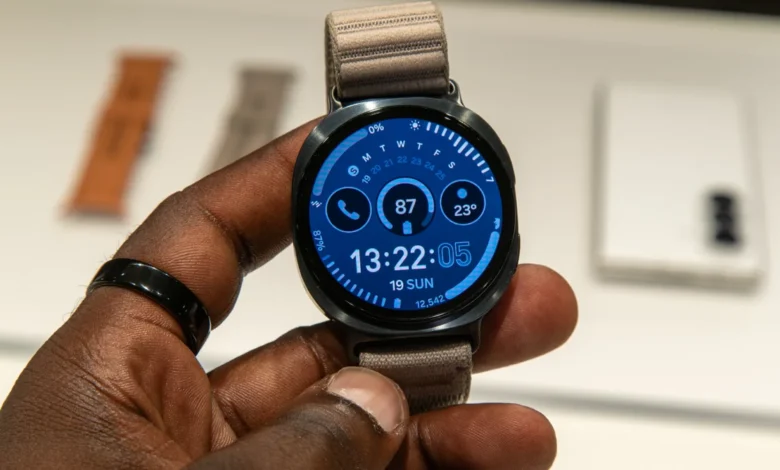
London, UK – Samsung has significantly elevated its commitment to device longevity and user experience by announcing an extended software support policy for its newly unveiled Galaxy Watch 9 and Galaxy Watch Ultra 2. Revealed during the highly anticipated Galaxy Unpacked event in London on July 22, the latest smartwatches will now receive an unprecedented five major Wear OS upgrades, coupled with five years of comprehensive security updates. This move places Samsung at the forefront of the Android smartwatch market in terms of software commitment, outperforming many competitors and reinforcing the value proposition of its premium wearables.
The Unpacked Revelation and Device Overview
The Galaxy Unpacked event, traditionally a platform for Samsung to showcase its cutting-edge innovations, primarily focused on the next generation of its foldable smartphones, the Galaxy Z Fold 8 series. However, the accompanying launch of the Galaxy Watch 9 and the premium Galaxy Watch Ultra 2 also garnered substantial attention, not just for their hardware advancements like larger batteries across both models, but for a critical, albeit understated, software policy enhancement. While not a centerpiece of the keynote address, the extended software support policy represents a profound strategic decision by Samsung, signaling a renewed focus on long-term user satisfaction and device sustainability.
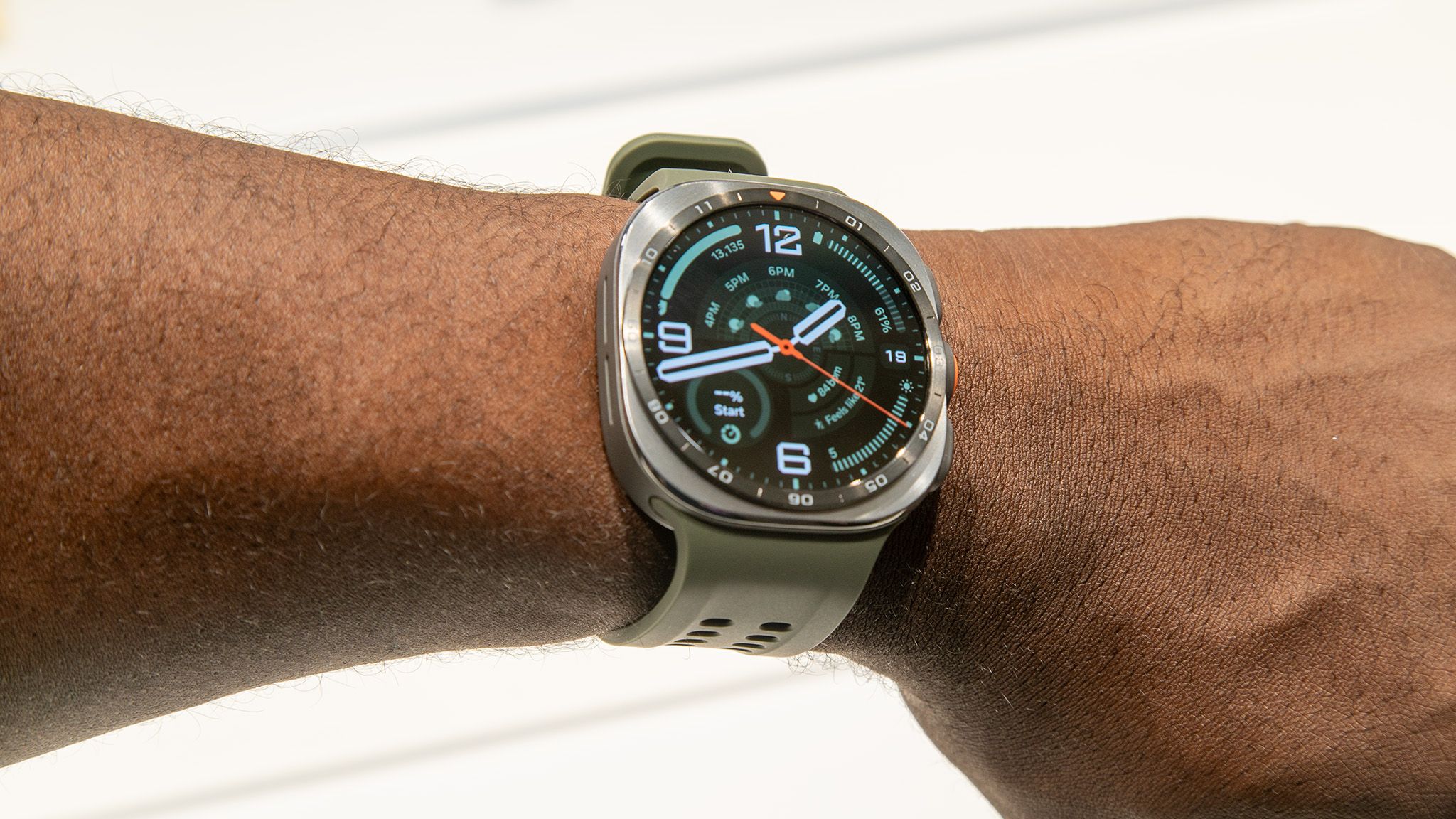
The Galaxy Watch 9, serving as the latest iteration of Samsung’s mainstream smartwatch line, is designed to appeal to a broad consumer base with its blend of style, functionality, and advanced health tracking features. The Galaxy Watch Ultra 2, on the other hand, targets the enthusiast and adventurer market, offering enhanced durability, advanced sensors, and potentially longer battery life, building upon the foundations laid by its predecessor. Both devices are set to hit retail shelves starting August 7, with the Galaxy Watch 9 priced from $380 in the U.S. and the Galaxy Watch Ultra 2 commanding a premium at $700. These price points, while significant, are now accompanied by an assurance of extended relevance and security, potentially sweetening the deal for prospective buyers.
A New Benchmark for Wear OS Longevity
Historically, Samsung has been a leader in providing robust software support within the Android ecosystem, often setting benchmarks that rivals strive to match. For its previous Galaxy Watch models, the company offered four major Wear OS upgrades alongside five years of security updates. This policy already positioned Samsung ahead of key competitors, most notably Google itself, which currently provides three years of software updates for its Pixel Watch lineup. The new policy for the Galaxy Watch 9 and Galaxy Watch Ultra 2 marks a significant leap, adding an entire extra year of major operating system updates.
This means that users investing in these new smartwatches can expect their devices to remain current, feature-rich, and secure for a considerably longer period. The watches ship with One UI 9, which is based on the recently unveiled Wear OS 7. Given Samsung’s new promise, these devices are projected to receive major Wear OS updates through 2031, theoretically bringing them up to Wear OS 12. This extended timeline ensures that consumers will benefit from years of new functionalities, performance enhancements, and the latest security protocols, delaying the perceived need for an upgrade and offering exceptional value over the product’s lifespan.
The implications of five major OS upgrades are far-reaching. It means continuous access to evolving health and fitness tracking capabilities, updated user interfaces, new applications, improved integration with smartphones, and enhancements to privacy and data protection features that are typically bundled with major OS releases. For a device category like smartwatches, which are increasingly becoming central to daily life, health management, and communication, such prolonged support is not merely a convenience but a critical factor in purchasing decisions.
Benchmarking Software Support: Samsung vs. the Competitive Landscape
Samsung’s decision to extend its software support policy is a direct challenge to its competitors and a significant boon for the Wear OS ecosystem. A comparative analysis reveals the immediate impact of this new standard:
- Google Pixel Watch: Google’s own flagship smartwatch currently offers three years of software updates. While Google is relatively new to the hardware game for smartwatches compared to Samsung, this disparity highlights Samsung’s aggressive strategy to differentiate itself. Google may face pressure to match or exceed Samsung’s commitment to remain competitive and foster trust in its first-party hardware.
- Previous Galaxy Watches: Samsung’s prior policy of four major OS updates and five years of security patches was already robust. The addition of a fifth major OS update further solidifies its position as a leader in Android wearable support.
- Apple Watch: Apple, known for its long-term support, typically provides iOS updates (which include WatchOS updates) for devices spanning five to seven years from their release. However, direct comparisons can be complex due to Apple’s tightly integrated ecosystem where WatchOS updates are intrinsically linked to iOS versions. Nevertheless, Samsung’s new policy brings it closer to Apple’s long-standing reputation for device longevity.
- Other Wear OS Manufacturers: The broader Wear OS market, which includes brands like Fossil, Mobvoi, and others, has historically shown varying levels of software commitment. Many typically offer fewer major OS updates, making Samsung’s five-year promise a significant outlier and potentially raising the bar for the entire platform. This could incentivize other manufacturers to improve their update policies or risk losing market share to Samsung.
- Fitness-Focused Smartwatches (Garmin, Fitbit): Brands like Garmin and Fitbit often have a different approach, with less emphasis on major OS upgrades and more on continuous feature updates delivered through their proprietary apps and firmware. While their hardware can last for many years, the nature of their software evolution differs from the OS-centric model of Wear OS and WatchOS.
This enhanced commitment from Samsung not only strengthens its own product line but also injects vitality into the Wear OS platform. As the largest contributor to Wear OS devices, Samsung’s long-term support strategy can build consumer confidence in the platform as a whole, potentially attracting more users and developers.
The Technological Backbone: Snapdragon Wear Elite Chipset
While Samsung did not explicitly link the extended software support to specific hardware during its keynote, industry analysts and the company’s product specifications point to the new Snapdragon Wear Elite chipset as a pivotal enabler. The Galaxy Watch 9 and Galaxy Watch Ultra 2 are powered by this advanced processor, which represents a significant generational leap.
The Snapdragon Wear Elite chipset is notably built on a cutting-edge 3nm process. This manufacturing refinement translates into several critical advantages:
- Enhanced Performance: Qualcomm claims the new chip delivers up to 32% better performance compared to its predecessor. This substantial boost in processing power is crucial for running future, more demanding operating system versions and applications without experiencing slowdowns or performance degradation. Older chipsets often struggle to keep pace with the increasing complexity and resource requirements of new OS iterations, leading to manufacturers discontinuing software support.
- Superior Energy Efficiency: The smaller 3nm process not only boosts performance but also drastically improves power efficiency. For smartwatches, where battery life is a paramount concern, this efficiency is a game-changer. Better power management means devices can sustain high performance for longer periods between charges, and critically, it ensures that the hardware remains capable of running power-intensive future OS versions without unduly impacting battery endurance. This longevity in power efficiency directly supports a longer software update cycle.
- Future-Proofing: A powerful and efficient chipset provides a robust foundation for long-term support. It ensures that the hardware has the headroom to accommodate new features, security enhancements, and more sophisticated applications that will be introduced in subsequent Wear OS versions. Without such a capable engine, extended software support would be largely theoretical, as the user experience would suffer.
Qualcomm’s ongoing development of chipsets specifically tailored for wearables plays a vital role in the evolution of smartwatches. The Snapdragon Wear Elite is a testament to this commitment, providing the necessary horsepower and efficiency that enables manufacturers like Samsung to offer unprecedented levels of software support. This synergy between hardware innovation and software commitment is what ultimately delivers a superior and lasting user experience.
Implications for Consumers: Value and Longevity
For the end-user, Samsung’s extended software support policy translates into tangible benefits that go beyond mere technical specifications:
- Enhanced Investment Protection: Smartwatches, especially premium models like the Galaxy Watch Ultra 2, represent a significant investment. Knowing that the device will remain updated and secure for five years provides greater peace of mind and justifies the initial cost. It mitigates the fear of rapid obsolescence that can plague consumer electronics.
- Reduced Electronic Waste (E-Waste): By extending the useful life of smartwatches, Samsung is contributing to efforts to reduce e-waste. Consumers will be less pressured to upgrade their devices every two or three years purely due to lack of software support. This aligns with a growing global emphasis on sustainability and responsible consumption.
- Consistent Access to New Features: Major OS upgrades often introduce groundbreaking features in health monitoring, fitness tracking, communication, and personalization. With five years of updates, users can continuously experience these innovations without needing to purchase new hardware.
- Improved Security and Privacy: Ongoing security updates are critical in today’s digital landscape. Extended security support ensures that personal data and device integrity are protected against emerging threats for a longer duration, fostering greater trust in the device and platform.
- Better Resale Value: Devices with longer software support typically retain their value better in the secondary market. This can make future upgrades more affordable for consumers who choose to sell their older devices.
- Uninterrupted User Experience: The ability to run the latest software ensures smoother performance, better app compatibility, and a more refined user interface over time, enhancing the overall daily interaction with the smartwatch.
Strategic Impact on the Smartwatch Market and Wear OS
Samsung’s decision is not just about its own products; it has broader implications for the entire smartwatch industry and the Wear OS ecosystem:
- Leadership in Wear OS: This move cements Samsung’s leadership within the Wear OS market. By offering the most extensive support, Samsung differentiates itself as the premier choice for Android users seeking a high-quality, long-lasting smartwatch experience.
- Competitive Pressure on Rivals: The industry will be watching to see if Google and other Wear OS manufacturers respond by extending their own support policies. This could ignite a "software support race" beneficial to consumers across the board. Google, in particular, may find its three-year policy for Pixel Watch less competitive against Samsung’s five years.
- Strengthening the Wear OS Platform: Samsung’s commitment is a massive vote of confidence in Wear OS. It signals that the platform is mature, stable, and capable of long-term evolution. This can attract more developers to create applications for Wear OS, further enriching the ecosystem.
- Driving Innovation: Longer software support allows developers to build more ambitious applications, knowing that the underlying OS and hardware will be capable of running them for years to come. This fosters a healthier and more innovative environment for smartwatch technology.
- Sustainability Narrative: Samsung can leverage this policy to bolster its corporate sustainability initiatives. In an era where consumers are increasingly conscious of environmental impact, offering products with extended lifespans resonates positively with a socially responsible audience.
- Market Share Implications: For consumers deliberating between a Samsung Galaxy Watch and other Android-compatible smartwatches, the extended software support could be a decisive factor, potentially leading to increased market share for Samsung in the premium wearable segment.
The Future of Wear OS and Samsung’s Vision
Samsung has played a pivotal role in the revitalization of Wear OS since its partnership with Google to unify Tizen OS with Wear OS. This collaboration led to Wear OS 3, and subsequent iterations have seen significant improvements in performance, battery life, and feature sets. Samsung’s unwavering commitment, now demonstrated through this extended software support, underscores its vision for Wear OS as a robust and enduring platform.
This policy could also hint at Samsung’s broader strategy for its interconnected ecosystem. Just as the company offers extended software support for its Galaxy smartphones, ensuring a unified and consistent experience across its device portfolio is crucial. A smartwatch that remains current for five years can seamlessly integrate with multiple generations of Samsung phones and other smart home devices, enhancing the overall user experience and solidifying brand loyalty.
The extended software support for the Galaxy Watch 9 and Galaxy Watch Ultra 2 is more than just a technical detail; it is a strategic declaration. It signals Samsung’s confidence in its hardware, its commitment to its users, and its ambition to lead the smartwatch market into an era of greater longevity and sustainable technology. As the industry evolves, this benchmark set by Samsung is poised to influence consumer expectations and competitive strategies for years to come, ensuring that the smartwatches we wear today remain smart, secure, and relevant far into the future.