SpaceX puts a $50 billion price on its Arizona supercompute campus ahead of December’s hearing

SpaceX has formally disclosed a staggering $50 billion valuation for its proposed supercomputing campus in Cochise County, Arizona, marking a significant escalation in the company’s push to dominate AI infrastructure. The facility, located roughly 80 miles east of Tucson, represents a centerpiece of SpaceX’s broader strategy to decouple its massive compute requirements from existing public power grids. When combined with a parallel $24 billion facility currently under development at Starbase, Texas, the company’s total planned infrastructure investment has now reached a formidable $74 billion.
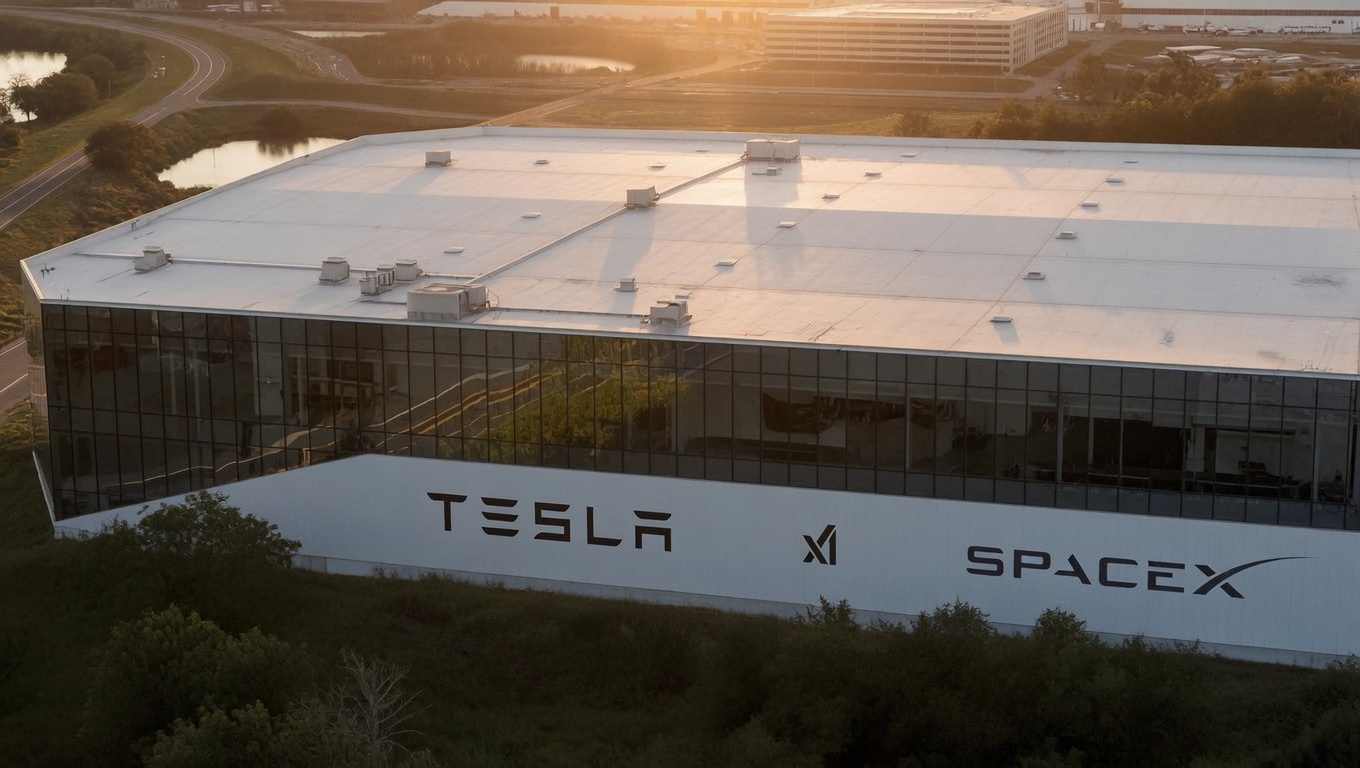
The scale of the Arizona project is unprecedented for the region. The proposed 747-acre site near the Willcox Playa is slated to host up to nine massive buildings, each measuring approximately 493,000 square feet. According to technical specifications outlined in the company’s filing, the facility will be brought online in four distinct phases, with each phase contributing 1.5 gigawatts (GW) of power capacity. Upon full build-out, the campus will operate at a 6 GW capacity, supported by an integrated 24 GWh battery energy storage system (BESS). To facilitate this massive energy load, SpaceX has earmarked an additional $3.6 billion specifically for regional grid infrastructure upgrades.
The Strategic Shift to Private Power
The decision to pursue such massive independent power capacity is a direct response to the increasing regulatory scrutiny surrounding data centers and their impact on regional energy grids. By generating its own power—utilizing a combination of existing infrastructure at the Apache Generating Station and new, proprietary gas-fired turbines—SpaceX effectively bypasses the grid-connection moratoriums currently hindering data center development in both Arizona and Texas.
The Cochise County project is positioned to leverage the existing Apache Generating Station, a coal and natural gas facility that was originally scheduled for decommissioning by 2028. SpaceX’s involvement suggests a pivot: instead of retiring the site, the company intends to expand its capacity to support the 6 GW requirement. This move has drawn immediate attention from environmental groups and local utility cooperatives, who are weighing the promise of lower electricity rates against the long-term ecological impact of such a massive industrial footprint.
Chronology of Disclosure and Local Opposition
The existence of the Arizona project only surfaced publicly on November 4, 2026, when company representatives held an informational town hall at Cochise Elementary School. The application had been filed under the shell entity "Tombstone Resources LLC," a tactic a SpaceX representative later explained was intended to minimize premature public scrutiny.
The lack of transparency regarding the "SpaceX" branding during the initial filing process has fueled local skepticism. As of mid-November, a community-led petition requesting the denial of the land-use permit has garnered over 2,400 signatures. Residents are particularly concerned about the impact on the local water table and the disruption of the Willcox Playa, a critical habitat for migratory sandhill cranes.
In response to these concerns, SpaceX has committed to a dry-cooling methodology that purportedly eliminates the need for industrial groundwater consumption. The company estimates that the facility will require only 7 to 10 acre-feet of water annually—a volume comparable to the consumption of 20 to 30 single-family households.
The Cochise County Planning and Zoning Commission is scheduled to deliberate on the permit application on December 9, 2026, in Bisbee. With the deadline for written public comments set for November 27, the coming weeks are expected to be a pivotal period for the project’s future. If the permit is granted, the company anticipates breaking ground in March 2027.

The Texas Parallel: Starbase and Regulatory Hurdles
The December 9 date is also significant for SpaceX’s Texas operations. The Starbase City Commission is set to vote on a property tax abatement for a $24 billion facility at the same time the Arizona commission meets. The Texas project, which involves a similar gas-fired power generation setup, is operating under a unique set of circumstances. By annexing land from Brownsville into the company-controlled "Starbase," SpaceX has maneuvered around a 90-day data center moratorium that recently took effect in the neighboring city.
However, the political landscape in Texas is shifting. Governor-elect Gina Hinojosa has expressed a hardline stance against unchecked data center proliferation, indicating that she intends to block new permits until the state legislature establishes more rigorous environmental and grid-load safeguards. This regulatory tightening is compounded by her efforts to prevent the state-level sale of land near Boca Chica State Park to SpaceX.
Broader Implications for AI Infrastructure
The sheer magnitude of these two projects underscores the desperate race for compute capacity among major technology players. At the end of the third quarter of 2026, SpaceX reported 1.7 GW of nameplate compute capacity. The Arizona project alone, at full capacity, would represent more than triple the company’s current infrastructure.

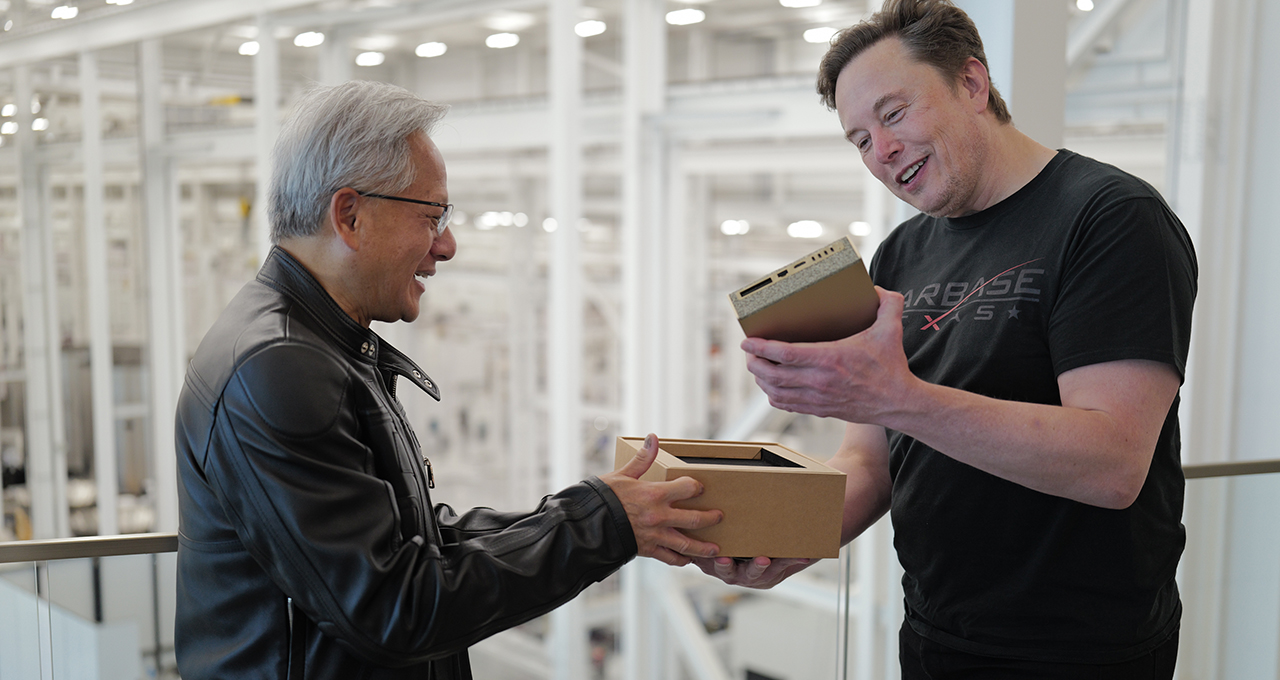
This build-out is inextricably linked to the company’s dependence on high-end hardware, specifically Nvidia’s GPU architecture. During SpaceX’s Q3 2026 earnings call, the company confirmed that it would build its AI infrastructure exclusively on Nvidia hardware, with a binding lease commitment totaling approximately $40 billion for "Vera Rubin" series GPUs. The company is currently onboarding 200,000 to 220,000 GB300 GPUs every month to feed its rapidly expanding network of terrestrial data centers.
The "Starmind" Orbital Vision
Despite the multi-billion dollar investment in terrestrial sites, there are indications that these facilities may serve as a transitional phase. Elon Musk has publicly stated that terrestrial compute capacity will eventually be "peanuts" compared to orbital compute deployments. The "Starmind" project, an orbital AI constellation, is expected to see its compute payload scale significantly by late 2028.
Until the orbital infrastructure matures, however, the company remains tethered to the ground. The current strategy of building massive, self-powered campuses represents a high-stakes gamble: if SpaceX can successfully navigate the local zoning and environmental challenges in Arizona and Texas, it will secure a nearly untouchable lead in compute capacity. If these projects are blocked by local opposition or state-level regulatory changes, the company will face a significant bottleneck in its AI development timeline.
Economic and Employment Promises
SpaceX has attempted to win over local stakeholders by emphasizing the economic benefits of the Arizona campus. The company projects the creation of 5,500 construction jobs and 1,000 permanent, high-tech roles. Furthermore, it has proposed an arrangement that could potentially reduce local electricity rates for member-owned cooperatives by as much as 20 percent.
These promises echo the company’s previous commitments in Brownsville, Texas, where it pledged $220 million toward municipal water and wastewater improvements. To date, SpaceX has paid out approximately $40 million of that commitment, demonstrating a willingness to engage in public-private partnerships to facilitate its industrial ambitions.
As the December 9 hearings approach, the tension between economic growth and environmental stewardship remains the defining narrative. For a company that has redefined the economics of space flight, the challenge of building a power-hungry, multi-gigawatt computing infrastructure on Earth may prove to be one of its most difficult logistical and political hurdles to date. The outcomes in Cochise County and Starbase will likely serve as a blueprint for how large-scale AI infrastructure projects are handled in the United States for the remainder of the decade.