Netflix Confirms 587 Million Dollar Cash Acquisition of Ben Affleck AI Startup InterPositive to Bolster Generative AI Production Capabilities

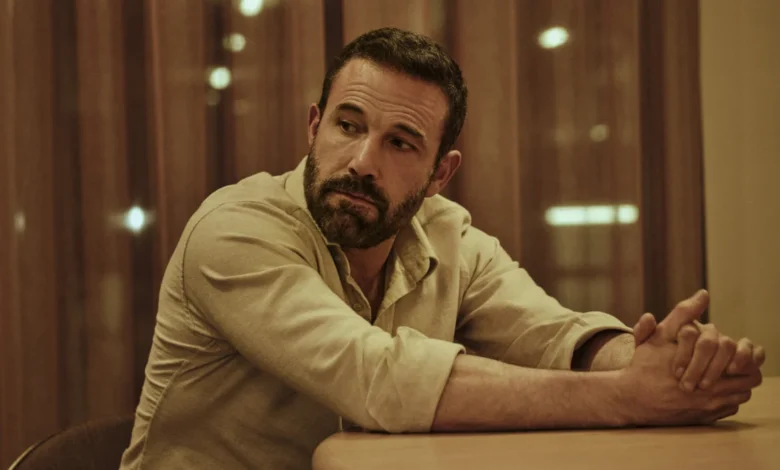
In a recent regulatory filing with the Securities and Exchange Commission (SEC), global streaming giant Netflix Inc. disclosed the final financial terms of its acquisition of InterPositive, an artificial intelligence startup co-founded by Academy Award-winning actor and director Ben Affleck. According to the document, which details the company’s financial activities for the period ending June 30, 2026, Netflix paid approximately $587 million in cash to bring the technology firm under its corporate umbrella. This move signals a significant escalation in the streaming industry’s integration of generative artificial intelligence into the filmmaking process, marking one of the most substantial investments in creative-focused AI by a major studio to date.
The acquisition, which was first announced in March 2026, concludes months of speculation regarding the valuation of the startup. While early industry reports from outlets such as Bloomberg suggested the deal could be worth upwards of $600 million, the SEC filing provides the first definitive confirmation of the cash outlay. The deal includes the full integration of the InterPositive team into Netflix’s production and technology divisions, with Affleck himself assuming a new role as a senior advisor to the company.
The Genesis and Vision of InterPositive
InterPositive was founded by Ben Affleck alongside a team of technologists and industry veterans with the goal of bridging the gap between high-end cinematic production and the emerging field of generative AI. At the time of the initial announcement, Affleck emphasized that the startup’s mission was not to replace human talent but to "protect the power of human creativity" by providing tools that alleviate the technical burdens of the filmmaking process.
The startup’s proprietary technology focuses on post-production enhancements and "fix-it-in-post" solutions that have historically required hundreds of man-hours and significant financial resources. InterPositive’s AI suite is designed to address common real-world production challenges, including the generation of missing shots, the seamless replacement of backgrounds, and the correction of lighting inconsistencies that occur during principal photography. By automating these processes, the technology allows directors and editors to refine their vision without the need for expensive reshoots or lengthy manual visual effects (VFX) workflows.
Affleck’s involvement in the tech sector is not an isolated event. Through his production company, Artists Equity, co-founded with Matt Damon, Affleck has been a vocal proponent of restructuring the economic model of Hollywood to better reward creators. InterPositive was viewed as a natural extension of this philosophy—using technology to lower production costs and increase the efficiency of the creative process, thereby allowing more resources to be allocated to talent and storytelling.
Strategic Integration and Production Impact
The acquisition comes at a pivotal moment for Netflix as it seeks to maintain its dominant position in a highly competitive streaming landscape. In its most recent earnings report, Netflix revealed that approximately 300 of its original programs have already utilized some form of generative AI during their production cycles this year. This statistic highlights a rapid adoption rate within the company’s global production pipeline.
The integration of InterPositive’s tools is expected to streamline Netflix’s massive content engine, which spans dozens of countries and languages. By utilizing AI to handle "utility" tasks—such as digital set extensions, color matching across different cameras, and minor performance adjustments—the studio can significantly reduce the "time to market" for its high-budget original series and films.
Furthermore, the technology offers a solution to one of the most persistent problems in modern filmmaking: the reshoot. In traditional production, if a scene is found to be deficient during editing due to a technical error or a missed angle, the studio must often reassemble the cast and crew, a process that can cost millions of dollars. InterPositive’s tools aim to synthesize those missing elements digitally with a level of photorealism that matches the original footage, potentially saving the company tens of millions of dollars annually across its slate.
A Timeline of the Acquisition
The path to the $587 million deal began in late 2025, when rumors first surfaced that Affleck was pitching a suite of "filmmaker-first" AI tools to major studios.
- March 5, 2026: Netflix officially announces its intent to acquire InterPositive. The statement highlights the "human-centric" approach of the technology and confirms that the entire startup team will join Netflix’s internal R&D and production units.
- March 11, 2026: Market analysts and financial news outlets begin speculating on the deal’s value. Bloomberg reports a potential price tag of $600 million, citing the high demand for generative AI talent and the specific intellectual property held by InterPositive.
- April – May 2026: The acquisition undergoes standard regulatory review and due diligence. During this period, Netflix begins beta-testing InterPositive’s software on several high-profile original films.
- June 2026: Netflix’s Q2 earnings call provides a glimpse into the company’s AI roadmap. Executives reveal that 300 titles have leveraged AI, though they remain tight-lipped on the specific cost of the InterPositive deal.
- Late June 2026: The SEC regulatory filing for the quarter ending June 30 is published, officially listing the $587 million cash payment for the acquisition.
Financial Analysis and Market Context
The $587 million price tag is a clear indicator of the premium currently placed on specialized AI companies. While Netflix has historically been more conservative with acquisitions compared to rivals like Disney or Amazon, the cash nature of this deal suggests a high degree of confidence in the long-term ROI of InterPositive’s technology.
From a balance sheet perspective, Netflix’s move to pay in cash reflects its healthy free cash flow position. By avoiding stock-based compensation for the bulk of the deal, the company prevents dilution for its existing shareholders while securing critical intellectual property. Analysts suggest that if InterPositive’s tools can reduce the average VFX budget of a $100 million film by even 10%, the acquisition could pay for itself within a few years, given Netflix’s multi-billion dollar annual content spend.
Moreover, the deal sets a new benchmark for the "creator-led" tech startup. Affleck’s success in building and selling a technology company of this scale demonstrates a shifting dynamic in Hollywood, where top-tier talent is increasingly looking to own the means of production and the technological infrastructure behind it.
The Broader Implications for Hollywood and Labor
The rapid integration of AI into film production remains a sensitive topic within the industry. The 2023 strikes by the Writers Guild of America (WGA) and SAG-AFTRA centered heavily on the use of artificial intelligence and the protection of digital likenesses. Netflix and Affleck have been careful to frame the InterPositive acquisition as a win for creators rather than a threat to jobs.
Affleck’s "senior advisor" role is seen as a bridge between the engineering teams and the creative community. His task will likely involve ensuring that the AI tools are used to enhance the work of cinematographers, editors, and actors rather than automating them out of the process. For example, rather than using AI to create a digital actor from scratch, InterPositive’s tools might be used to subtly adjust an actor’s eyeline or to fix a wardrobe malfunction that would otherwise require a digital overlay.
However, industry watchdogs remain cautious. The fact that 300 Netflix titles have already utilized generative AI suggests that the "AI revolution" in Hollywood is no longer a future prospect but a current reality. As these tools become more sophisticated, the line between "utility" AI and "creative" AI may continue to blur, prompting further discussions between studios and labor unions regarding the boundaries of the technology.
Technical Capabilities: Beyond the Hype
What sets InterPositive apart from generic generative AI models like OpenAI’s Sora or Midjourney is its focus on "temporal consistency" and "cinematic fidelity." In professional filmmaking, an AI-generated element cannot simply look good in a still frame; it must maintain perfect consistency across 24 frames per second, accounting for motion blur, grain, and the specific optical characteristics of the lenses used during filming.
InterPositive’s software reportedly includes:
- AI In-Painting and Out-Painting: Specialized for 4K and 8K footage, allowing editors to remove unwanted objects or expand the frame to change a close-up into a medium shot.
- Dynamic Relighting: The ability to change the light source in a scene after it has been filmed, ensuring that digital additions match the original environment’s shadows and highlights.
- Automated Rotoscoping: Using machine learning to instantly isolate subjects from their backgrounds, a task that traditionally takes VFX artists weeks to complete.
By bringing these capabilities in-house, Netflix reduces its reliance on third-party VFX vendors, many of whom are currently struggling with massive backlogs and rising labor costs.
Conclusion: The Future of the Netflix-InterPositive Partnership
The $587 million acquisition of InterPositive marks a milestone in the evolution of Netflix from a distribution platform to a vertically integrated technology and production powerhouse. By securing Ben Affleck’s startup, Netflix is not just buying software; it is buying a philosophy of filmmaking that embraces the future while attempting to respect the traditional craft of cinema.
As the company moves forward, the industry will be watching closely to see how the InterPositive tools are deployed in upcoming tentpole releases. If successful, this deal could serve as a blueprint for other studios, leading to a wave of acquisitions as traditional media companies scramble to secure the AI talent and technology necessary to compete in a digital-first era. For now, the message from Netflix is clear: the future of streaming is not just about what we watch, but the increasingly sophisticated and efficient ways in which those stories are brought to life.